Quick wins for a faster PC:
Scan for outdated or missing drivers - takes under a minuteDriver Scan →Repair Windows errors before they cause bigger problemsFix Now →Fix the driver behind crashes, sound loss and screen glitchesFind Drivers →Some links on this page are affiliate links: if you buy through them we may earn a commission, at no extra cost to you.
There is no universal winner between enzymatic and mechanical PET recycling. In the cited modeled comparison of closed-loop technologies, mechanical recycling had the strongest combined economic and environmental performance, while enzymatic hydrolysis was among the processes associated with the best modeled recyclate quality. A separate 2022 life-cycle assessment found that its modeled enzymatic process had higher impacts than virgin terephthalic acid (TPA) and PET production across most measured categories. Those results describe particular process designs and assumptions—not every plant, waste stream, or future enzyme system.
The useful answer therefore depends on what “better” means: lower modeled cost and impacts, higher output quality, preservation of polymer, recovery of PET monomers, or suitability for the feedstock you actually have.
As an Amazon Associate I earn from qualifying purchases.
| Name | Best for | Key spec | Checked |
|---|---|---|---|
| Mechanical recycling | Lower modeled cost and environmental burden in the comparative study; established polymer-retention route | Sorts, washes, shreds and remelts PET without breaking it into monomers | November 2026 |
| Enzymatic hydrolysis | Producing recovered TPA and ethylene glycol when high-purity monomer output is the priority | Uses enzymes to depolymerize PET, followed by monomer recovery and purification | November 2026 |
What does “better” mean when comparing PET recycling routes?
“Better” is not one metric. A fair comparison states the functional unit, system boundary, feedstock and intended product before looking at a percentage or ranking. For PET, the relevant questions include:
- Material retention: Does the route preserve PET as a polymer, or convert it to purified building blocks?
- Output quality: Can the recovered material meet the specification for the next application?
- Feedstock fit: What sorting, washing and contamination limits are assumed?
- Yield and recovery: How much usable polymer or monomer leaves the process after losses and purification?
- Economics: What are the modeled capital, operating, feedstock and energy requirements?
- Environmental performance: How do greenhouse-gas emissions, energy, water, land, toxicity and waste compare under the same assumptions?
- Circularity: How many times can the output remain in a PET loop, and is it suitable for the intended use?
The 2023 ACS Sustainable Chemistry & Engineering comparison examined these dimensions separately. Its rankings should not be compressed into one score. A route can be attractive on quality but unfavorable on energy, or inexpensive for clean bottles but unsuitable for a mixed stream.
Popular on Amazon

- Dog multivitamins chewable for skin & coat : Dog multivitamin is rich in Omega-3 fatty acids and vitamin E,which can relieve skin allergies,dryness,itching and other problems.Multivitamin for dogs nourishes skin follicles.Long-term consumption of dog vitamins multivitamin can make dog hair stronger and smoother,and reduce coat loss.The COQ10 in dog multivitamin chewable can resist oxidation and delay cell aging.Dogs with skin injuries can eat dog vitamins and supplements to promote wound healing
- Dog multivitamin relieves joint inflammation: Dog vitamins for hip and joint can supplement high-quality MSM, glucosamine, and chondroitin sulfate to promote cartilage development and repair. Long-term consumption of dog multivitamins chewable can enhance the elasticity and toughness of joint cartilage, improve joint flexibility, and move more freely. Dog multivitamin chews can reduce joint friction and relieve joint pain. Dog vitamins and supplements can prevent and improve dog joint problems
- Dog multivitamin chews are good for the gut: Vet-endorsed formula dog vitamins and supplements made from natural ingredients.Dog vitamins multivitamin chewables contain a rich blend of probiotics to support intestinal and digestive health.Dog vitamins for small dogs can regulate the balance of intestinal flora,help calcium absorption,and promote bone development.Dog multivitamins chewables improve energy metabolism,converting food into energy, making dogs more energetic in their daily activities
- Dog multivitamin chews protect overall health:Senior dog vitamins and supplements help improve blood circulation and prevent cardiovascular disease.Dog multivitamins chewable support normal liver function,promote liver detoxification,and improve negative mood.For dog with heart problems and older dog,taking dog vitamins and supplements in moderation is an auxiliary health care measure.Dog vitamins multivitamin helps enhance white blood cell activity,improve immunity,prevent infection and disease
- Dog multivitamins chewable promote brain development: The DHA in krill oil in multivitamin for dogs is an important component of the brain and retina. Dog vitamins and supplements can improve dog cognitive ability. When training puppies to learn basic commands, puppies who are properly supplemented with dog vitamins multivitamin will behave more intelligently and improve memory.Dog supplements & vitamins can prevent and relieve eye problems such as dry eyes and tear stains, and keep eyes healthy
How does mechanical PET recycling work?
Mechanical recycling keeps PET’s polymer chains intact as much as practical. A typical line sorts incoming material, removes labels and other materials, washes it, shreds or grinds it into flakes, and melts and filters those flakes before making pellets or another recycled-PET product.
- Collection and sorting: Bottles and other PET articles are separated from non-PET plastics, metals, paper and organics. Color and product type may also be sorted because they affect the value and use of the output.
- Size reduction: Sorted articles are shredded or ground into flakes, increasing surface area for washing and melt processing.
- Washing: Adhesives, labels, food residue and other dirt are removed. The wash stage creates wastewater and consumes water and heat, so its design matters to the overall assessment.
- Flake preparation: The material is dried and may pass through additional separation or filtration steps to control foreign particles and moisture.
- Melting and filtration: PET is melted and filtered, then extruded or pelletized. Heat history and contamination influence molecular weight, color and final performance.
- Conversion: The recycled resin is used in an application compatible with its quality and regulatory requirements.
Because the polymer is not intentionally reduced to TPA and ethylene glycol, the route can be comparatively direct. However, every heating, washing and handling step can reduce quality, and non-PET contamination cannot simply be ignored. Mechanical output quality therefore depends heavily on collection, sorting, cleanliness, degradation and the specification of the target product.
How does enzymatic hydrolysis recycle PET?
Enzymatic hydrolysis cleaves PET into its constituent monomers. The main products are terephthalic acid (TPA) and ethylene glycol (EG); those products can then be separated, purified and supplied to a closed-loop PET process.
- Prepare the feedstock: PET is sorted and processed so the enzyme can contact the polymer. The modeled process assessed in the 2022 study included post-consumer collection and processing.
- Depolymerize: Enzymes catalyze hydrolysis of PET bonds. The reaction conditions, pretreatment, pH control, temperature, residence time and enzyme performance determine how quickly and completely depolymerization occurs.
- Separate products: The reaction mixture contains TPA, EG, water and process chemicals, plus any remaining solids or contaminants. Recovery and purification are essential, not optional add-ons.
- Return monomers to production: Recovered TPA and EG can be used as feedstocks for making PET again if they meet the required specification.
Depolymerization can provide a highly defined chemical starting point, but it also adds reaction and recovery operations. “Enzyme-based” does not automatically mean low-impact: electricity, sodium hydroxide, collection, pretreatment, yield and purification all contribute to the result.
What did the 2023 closed-loop comparison find?
The ACS study modeled several closed-loop recycling technologies for common plastics and assessed economics, environmental impacts, circularity and material quality. In that modeled set, mechanical recycling ranked among the strongest options for combined economic and environmental performance. Enzymatic hydrolysis ranked among the best-quality processes, alongside dissolution and methanolysis.
The study reported two ranges that are easy to misread:
Free tools Windows power users keep installed
One-click scans. No signup required.
Also popular on Amazon

- Joint Health Supplement for Dogs: Cosequin is the #1 vet recommended retail joint health supplement brand, supporting joint health in dogs for over 25 years
- Contains Glucosamine for Dogs: Cosequin contains glucosamine hydrochloride (FCHG49) and sodium chondroitin sulfate (TRH122), plus methylsulfonylmethane (MSM). This unique combination of ingredients supports healthy joints
- For Any Breed or Size: Whether you have a young or senior dog, a small or large breed, Cosequin helps support their joint health
- Tasty Chews for Daily Use: Cosequin comes in a tasty chewable tablet, making daily administration easy and convenient
- Exceptional Quality: Cosequin is backed by science, undergoing thorough quality inspections to ensure your dog receives a safe, high-quality product. It is manufactured in the United States with globally sourced ingredients
- Economic performance: Mechanical recycling and PET glycolysis were reported as 9%–73% lower on the study’s comparative economic measure than competing modeled technologies.
- Environmental performance: Mechanical recycling and PET glycolysis were reported as 7%–88% lower on the study’s comparative environmental measure than competing modeled technologies.
- Recyclate material quality: The best modeled processes were reported at 2%–27% higher quality than the comparison basis; that group included dissolution, enzymatic hydrolysis and methanolysis.
Those ranges apply to the study’s comparisons and grouped technologies. They do not mean mechanical recycling alone is always 9%–73% cheaper or 7%–88% better environmentally, and they do not mean enzymatic hydrolysis alone always raises quality by 2%–27%. Results depend on feedstock, yields, recovery assumptions, energy supply, allocation rules and the selected functional unit.
Is mechanical recycling better for cost and environmental impact?
In the cited modeled comparison, yes—mechanical recycling was among the best-performing routes on economics and environmental impact. Its advantage comes from retaining the polymer and avoiding the reaction, separation and monomer-purification sequence required by hydrolysis. That is a study result, not a guarantee for every facility.
Mechanical systems still have material and energy burdens. Collection and sorting determine how much usable PET reaches the line. Washing uses water, heat and chemicals; drying and remelting use energy; filtration and repeated heat exposure can reduce molecular weight or require blending. A facility receiving clean, consistently sorted bottles can have a very different result from one handling wet, mixed or heavily contaminated material.
The correct comparison is also “mechanical route versus the specific alternative under the same boundary,” not mechanical recycling versus an abstract enzyme. A model that includes collection for one route but not another, or credits one route for avoided virgin material differently, can change the ranking.
Can enzymatic hydrolysis produce better-quality PET?
It can produce a high-quality monomer feedstock in the model, but the available data does not support a universal quality premium for enzymatic recycling. Breaking PET down to TPA and EG can remove the polymer’s previous thermal history and, after effective purification, provide controlled inputs for new PET. That is why enzymatic hydrolysis appeared among the best modeled processes for recyclate material quality.
Quality depends on more than the reaction itself. Incomplete depolymerization, dyes, additives, multilayer components, metals, adhesive residues and other contaminants must be managed. Recovery losses and purification quality determine whether the TPA and EG are suitable for the intended PET grade. The ACS range of 2%–27% describes the group of best modeled processes, not an enzymatic-only result.
Also popular on Amazon
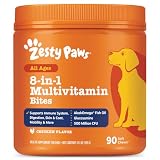
- 8-in-1 Formula - Zesty Paws Multifunctional Bites are functional supplement chews with premium ingredients that support physical performance, antioxidants, hip & joint, heart, immune, skin, liver, & gut health for dogs of all ages, breeds, and sizes.
- Skin Health & Antioxidants – For animals with sensitive skin, this formula contains Cod Liver Fish Oil and Vitamin E to help maintain normal moisture and CoQ10 to help reduce oxidative stress.
- Hip, Joint & Performance Support - Each dog chew features OptiMSM, a premium form of MSM for muscular support, which works synergistically with the Glucosamine HCl and Chondroitin Sulfate in these chews for hip and joint support plus Cod Liver Oil and B-Complex Vitamins support normal physical performance.
- Gut Health & Probiotics - These chews also contain a six-strain Gut Health Blend (500 million cfu per chew) and a Digestive Health Blend to promote gut flora while supporting normal bowel function for dogs.
- Heart, Liver & Immune Health - Multifunctional Bites feature powerful antioxidants, premium CoQ10, Cod Liver Oil and Vitamins A, C, & E to promote healthy cardiovascular function, support liver health and enhance immune response.
Mechanical recycling may be the better quality choice when the incoming stream is clean and the next product accepts recycled polymer directly. Enzymatic processing may be more attractive when the project needs monomer-level control and can justify the additional reaction and recovery stages. Those are application decisions, not automatic properties of either label.
What does the 2022 enzymatic life-cycle assessment actually show?
The Royal Society of Chemistry life-cycle assessment examined a particular enzymatic PET hydrolysis process. Compared with virgin TPA and PET production, the assessed enzymatic process had impacts reported as 1.2 to 17 times worse across most measured categories. Ecotoxicity and fossil-fuel depletion were identified as exceptions in that study.
Do these 3 things before closing this tab:
1Clear out junk files and repair common Windows errors2Scan for outdated or missing drivers - takes under a minute3Repair Windows errors before they cause bigger problemsThis is not a comparison showing enzymatic hydrolysis is 1.2 to 17 times worse than mechanical recycling. The baseline was virgin TPA and PET production, and the result belongs to the modeled process, system boundary and assumptions used by the authors. It should not be transferred to every enzyme, reactor design or electricity mix.
The study identified post-consumer PET collection and processing, sodium hydroxide and electricity as important contributors. Its sensitivity analysis found that higher process yields could reduce impacts, as could removing or changing steps such as amorphization pretreatment and reaction-pH control. These findings point to engineering levers rather than a permanent verdict against enzymatic methods.
Which route handles contamination, color and difficult feedstock better?
The available evidence does not establish practical contamination thresholds for either route. It is reasonable to treat feedstock acceptance as a process-specific question requiring measured sorting, yield, recovery and output-quality data—not as a blanket promise that enzymes accept all colored or contaminated PET.
Mechanical recycling generally relies on removing incompatible material before melting. Color, multilayer structures, PVC, metals, adhesives, food residue and other polymers can lower the value or restrict the use of the recycled resin. Better sorting can improve the feedstock but adds equipment, labor and reject material.
What’s actually slowing this PC down?
Pick the symptom - the matching free tool is one click away.
Also popular on Amazon
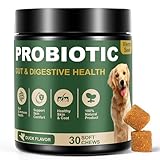
- SYMBIOTIC DIGESTIVE ECOSYSTEM: Our dog probiotics build a 4-way digestive ecosystem: Digestive enzymes pre-break nutrients for easy absorption, while probiotics + prebiotics balance and nourish gut flora. Pumpkin helps dogs with a sensitive stomach maintain regular bowel movements. These layers go beyond ordinary probiotics, turning every meal into steady nourishment, digestive ease, and enduring energy*—so your dog stays balanced and full of life.
- TRIPLE IMMUNE SUPPORT: Gut health drives immunity, and our probiotics for dogs target it. Probiotics help maintain a balanced gut microbiome and support mucosal immunity, while plant antioxidants* (Rosemary & Green Tea) and natural Vitamin E help protect immune cells from daily wear and tear. Formulated for triple immune support - helping your dog stay vibrant and ready for everyday adventures.
- DUAL-ACTION SKIN & COAT NOURISH: True skin and coat health starts from within. Gut and immune support work in sync with Salmon and Flaxseed Oils (Omega-3 & 6) to nourish skin and coat from the inside out. This dual-action care promotes a soft, shiny, and glossy coat you’ll love to touch.
- PURE INGREDIENTS: We believe in complete ingredient integrity. Every batch of our dog probiotic chews is crafted in GMP-certified facilities using trusted, premium sources. They are free from grains, soy, and artificial additives. This commitment to safety and quality ensures a clean formula you can trust for your dog’s overall wellness.
- TASTE DOGS LOVE: Made with natural duck flavor, our probiotic chews are loved by most dogs, even picky eaters. Unlike other hard chews, these soft, easy-to-bite chews are perfect for puppies and senior dogs. They help support digestive comfort*, gut health*, and skin & immune health*. A tasty daily chew your dog will love.
Enzymatic hydrolysis still needs feedstock preparation and has to deal with whatever enters the reaction and recovery system. A contaminant that does not react may concentrate in a solid fraction; a soluble contaminant may complicate purification; a colored additive may or may not be removed by the selected downstream steps. Without a cited process demonstration specifying acceptance limits and yields, no general claim about “contaminated PET” is justified.
How do the routes compare on the decisions a project must make?
| Decision | Mechanical recycling | Enzymatic hydrolysis |
|---|---|---|
| What happens to PET? | Polymer is sorted, washed, shredded and remelted. | Polymer is cleaved into TPA and EG, then recovered and purified. |
| Primary output | Recycled PET flakes, pellets or molded material. | Recovered monomers for a PET manufacturing loop. |
| Most important upstream issue | Consistent sorting, washing, drying and control of non-PET contamination. | Feedstock preparation plus reaction yield and product recovery. |
| Quality logic | Output retains the source polymer’s history and can lose quality through heat and contamination. | Potentially high monomer purity after effective depolymerization and purification. |
| Modeled economic/environmental signal | Among the strongest in the 2023 comparative model. | Not the leading route on those combined measures in that model. |
| Modeled quality signal | Not in the study’s group of highest-quality processes. | Among the group with the highest modeled recyclate quality, together with other chemical routes. |
| Main operational burden | Collection, sorting, washing, melt energy and quality loss. | Reaction control, chemicals, electricity, separation and purification. |
| Evidence limitation | Ranking is model-dependent and varies with feedstock and plant design. | The cited studies do not establish current commercial scale or universal feedstock limits. |
When should a decision-maker favor mechanical recycling?
Mechanical recycling is the rational first option when the available PET is already fairly clean and well sorted, the target product can use recycled polymer, and the project values a shorter process with the modeled economic and environmental advantages reported by ACS.
- Use it as the baseline for a bottle-to-bottle or other polymer-retention project, then quantify losses and quality limits.
- Prioritize sorting and washing improvements if rejects, color variation or residue are limiting output; those upstream changes can matter as much as the melt equipment.
- Specify the end use first. A route that makes acceptable fiber or packaging sheet may not meet a higher-purity resin specification without additional treatment.
- Account for repeated heat exposure. The process should track moisture, residence time, filtration and any blending needed to meet the product specification.
Mechanical recycling is not automatically the best answer for every stream. If the polymer has degraded severely or the material mix makes a usable melt difficult, the project should compare an alternative on the same functional unit rather than assume the ranking.
Independent reader supportYour contribution helps us test, update, and keep practical guides available for everyone.When might enzymatic hydrolysis be justified?
Enzymatic hydrolysis can be justified when monomer-level output is the central requirement and the project can demonstrate sufficient yield, recovery, purification and energy performance. Its value is not proven by the word “enzyme”; it must be shown by the complete process.
Recommended Free Tools
- Define the target monomer specification: State the required purity for TPA and EG and how off-spec material is handled.
- Measure yield end to end: Include unreacted PET, losses in filtration, dissolved organics, purification rejects and any material sent to disposal or another process.
- Model the full utility load: Include electricity, heat, water, sodium hydroxide and pH control, not just the reaction vessel.
- Test the actual feedstock: Use the intended color mix, labels, additives and contamination profile rather than a clean laboratory sample alone.
- Compare the avoided product consistently: Credit recovered monomers against the same PET or virgin-material baseline used for the mechanical option.
The RSC assessment shows why this discipline matters: sodium hydroxide, electricity and post-consumer processing were significant contributors, and sensitivity to yield and process steps changed the impact result.
How should you compare claims from suppliers or studies?
Ask for enough detail to reproduce the comparison. A credible claim should identify:
Also popular on Amazon

- COMPLETE 26-IN-1 DAILY WELLNESS FORMULA: Our advanced multivitamin for dogs is formulated to help support 26 vital nutritional areas as part of a daily routine. With essential vitamins A, C, D3, and E, these gummies help support the immune system and contribute to overall heart and brain health for dogs of all sizes.
- ADVANCED HIP AND JOINT MOBILITY SUPPORT: Formulated with Glucosamine HCl, Chondroitin, and MSM to help support cartilage health, joint flexibility, and everyday mobility — making them a great daily supplement for large breed dogs and active senior dogs.
- SKIN & COAT SUPPORT: Packed with Norwegian Salmon Oil and Biotin, our dog multivitamin helps nourish skin from within and supports a soft, glossy coat. Omega 3 fatty acids contribute to healthy skin and coat as part of a complete daily nutritional routine.
- PROBIOTICS & DIGESTIVE SUPPORT: Features a Six-Probiotic Blend (500 Million CFU) and Digestive Enzymes to help support gut health, smooth digestion, and nutrient absorption. Cranberry Powder is included as part of this comprehensive daily wellness formula.
- UNBEATABLE VALUE 250 COUNT JAR: Our 250-count jar provides lasting daily support in a delicious chicken flavor. Made in the USA in a GMP-certified facility, our soft chews are grain-free and suitable for puppies, adult, and senior dogs alike.
- Feedstock definition: bottle flakes, mixed post-consumer PET, colored material, multilayer articles or another stream.
- Functional unit: for example, a specified mass of usable recycled PET or purified monomer—not merely a percentage improvement.
- System boundary: whether collection, sorting, washing, chemicals, utilities, waste treatment and transport are included.
- Yield and recovery: reaction conversion alone is insufficient; ask how much saleable output is recovered.
- Energy assumptions: electricity mix, heat source and whether renewable power is credited.
- Quality specification: the test or product requirement the output actually meets.
- Allocation and credits: how avoided virgin production, co-products and rejects are counted.
- Scale and date: distinguish a laboratory or modeled process from operating data at a commercial facility.
Do not combine the 1.2–17-times LCA result, the 9%–73% economic range, the 7%–88% environmental range and the 2%–27% quality range into one league table. They come from different comparisons, baselines and study designs. A number without its boundary is not a transferable performance guarantee.
What are the biggest uncertainties in the current evidence?
The available data contains modeled assessments rather than a current inventory of commercial plants with independently verified operating data. It therefore cannot establish current commercial capacity, plant-wide performance or universal acceptance limits for colored or contaminated PET.
The Tool Desk
Outbyte PC Repair FREEClear out junk files and repair common Windows errorsFree Scan →Outbyte Driver Updater FREEScan for outdated or missing drivers - takes under a minuteDriver Scan →The main unresolved variables are:
- actual collection and sorting quality for the intended region;
- reaction yield and enzyme productivity at the proposed scale;
- energy and chemical consumption during depolymerization and purification;
- the fate and treatment of wastewater, residues and rejected material;
- the specification and market use of the recovered polymer or monomers;
- how future enzyme improvements or lower-carbon electricity would alter the life-cycle result.
These uncertainties do not make the studies useless. They define how their findings should be used: as a structured comparison of modeled routes and as a checklist for the measurements a real project must supply.
So, which PET recycling route is better?
Choose mechanical recycling when the priority is the strongest modeled combination of economics and environmental performance for a suitable, sorted PET stream. Consider enzymatic hydrolysis when monomer-level quality and closed-loop feedstock recovery justify its extra reaction and purification stages—and verify the complete process rather than assuming enzymes are automatically greener.
The most defensible conclusion is conditional. Mechanical recycling keeps the polymer intact and was among the best-performing options in the ACS comparison. Enzymatic hydrolysis breaks PET into TPA and EG and was among the best modeled options for recyclate quality, but the RSC process LCA found higher impacts than virgin TPA and PET in most categories under its assumptions. The right choice is the one that meets the required output specification with the lowest measured cost and impact for the actual feedstock and system boundary.
Frequently Asked Questions
Can enzymatic recycling process colored PET?
It may be possible for a particular process, but the cited evidence does not establish a universal color or contamination threshold. Acceptance, conversion, purification yield and output quality must be demonstrated for the specific feedstock and enzyme system.
Does enzymatic hydrolysis make PET ready for a new bottle?
Hydrolysis produces TPA and EG that can be recovered for a closed-loop PET scheme. The recovered monomers still need purification and must meet the specification of the downstream PET process; the available data does not establish universal commercial bottle performance.
Why can an enzymatic process have higher impacts than virgin PET?
The reaction is only one part of the life cycle. Collection, pretreatment, sodium hydroxide, electricity, pH control, water, recovery losses and waste treatment can outweigh the benefit of replacing virgin feedstock in a particular model.
Are the study percentages directly comparable?
No. The figures use different baselines and scopes: the RSC ratio compares one modeled enzymatic process with virgin TPA and PET, while the ACS ranges summarize separate technology comparisons. They should be interpreted within their original studies, not added or ranked as a common score.

