Some links on this page are affiliate links: if you buy through them we may earn a commission, at no extra cost to you.
Google’s announcement that it has produced its first AI-generated TV ad marks a symbolic milestone: generative AI is moving beyond prototypes and online spots into the format most associated with high production values—national TV advertising.
The viral value is the novelty, but the real story is operational. Once a team can reliably generate usable scenes, iterate quickly, and still hit brand, legal, and broadcast quality requirements, AI becomes a production workflow—not a gimmick.
As an Amazon Associate I earn from qualifying purchases.
Do these 3 things before closing this tab:
1Fix the driver behind crashes, sound loss and screen glitches2Clear out junk files and repair common Windows errors3Scan for outdated or missing drivers - takes under a minuteBecause the exact tools and model settings used in the specific video may be limited in public details, the most useful approach is to understand what to look for in the ad, how AI TV ads are commonly produced, and what constraints still matter.
What Google’s first AI-generated TV ad is (and what the video is showing)
An AI-generated TV ad generally means the creative team used generative AI to create some portion of the final imagery, motion, or other production components—often scenes, backgrounds, character visuals, or animation-style elements—then assembled everything into a broadcast-ready spot.
Popular on Amazon

- Google Pixel 10a is a durable, everyday phone with more[1]; snap brilliant photography on a simple, powerful camera, get 30+ hours out of a full charge[2], and do more with helpful AI like Gemini[3]
- Unlocked Android phone gives you the flexibility to change carriers and choose your own data plan; it works with Google Fi, Verizon, T-Mobile, AT&T, and other major carriers
- Pixel 10a is sleek and durable, with a super smooth finish, scratch-resistant Corning Gorilla Glass 7i display, and IP68 water and dust protection[4]
- The Actua display with 3,000-nit peak brightness shows up clear as day, even in direct sunlight[5]
- Plan, create, and get more done with help from Gemini, your built-in AI assistant[3]; have it screen spam calls while you focus[6]; chat with Gemini to brainstorm your meal plan[7], or bring your ideas to life with Nano Banana[8]
When you watch the video, you’re usually looking for signs like consistent lighting across generated scenes, stylized motion, unusual texture repetition, or continuity that doesn’t quite match how a camera would behave in a real shoot. Sometimes the ad is intentionally stylized, so “AI-looking” isn’t always a flaw—it can be a deliberate creative choice.
Why this matters for TV advertising
TV production has historically been expensive and slow: casting, location scheduling, lighting, reshoots, and long post-production cycles. Generative AI shifts the time-cost curve by making iteration cheaper and faster—especially for early versions.
- Speed: Concepts can move from brief to visual draft in days or hours rather than weeks.
- Variation: Teams can generate multiple scene options to support A/B testing of creative themes.
- Cost control: AI can reduce spend on sets and reshoots when visuals are synthetic or semi-synthetic.
- Brand scalability: Once a visual style is defined, it can be reused across campaigns with consistent art direction.
At the same time, broadcast quality demands are unforgiving. The ad has to look sharp at TV resolutions, maintain character and brand consistency, and pass legal review for every asset that appears on screen.
How to watch the video like a producer (verification checklist)
If you want to understand how “AI-generated” it really is, use a producer’s checklist. You’re trying to separate marketing language from actual production choices.
Visual continuity checks
- Look for background stability: does the environment remain consistent as scenes change?
- Look for lighting consistency: shadows and highlights should behave coherently across generated frames.
- Look for text stability: any signage, labels, or on-screen UI must remain readable and correct.
- Look for edge artifacts: generated subjects may show halos, warped hairlines, or inconsistent silhouettes.
Motion and physics checks
- Check object motion: do moving items follow believable timing and trajectories?
- Check camera behavior: sudden perspective changes can reveal synthetic compositing.
- Check repeated textures: fabrics, walls, and patterns can “loop” or repeat across frames.
Production disclosure checks
When available, scan for any captioning, press notes, or credits that mention AI tools. Many companies do not fully disclose model names, but they often describe the workflow (e.g., “AI-assisted visual generation” vs “fully synthetic video”).
If you want to be strict, treat the claim as “AI contributed to final creatives” until the release explicitly says which components were generated and which were live-action or stock.
How an AI-generated TV ad is typically made
There’s no single standard process, but high-performing pipelines share common steps: a tight creative brief, controlled generation, and a finishing pass that makes everything look intentional and broadcast-ready.
1) Creative brief, script, and storyboard
The team starts by writing the script and mapping scenes into a storyboard. Generative AI performs best when the art direction is specific—mood, framing, character attributes, and what must remain consistent.
Teams often define a “style bible” (palette, lens look, texture style, typography rules). Even if visuals are AI-generated, the style constraints keep outputs coherent.
Also popular on Amazon

- Google Pixel 10 Pro is the ultimate Pixel experience, featuring advanced AI with Gemini, unbelievable camera quality, impeccable design in two sizes, and the next-gen Google Tensor G5 chip[1]
- Unlocked Android phone gives you the flexibility to change carriers and choose your own data plan[2]; it works - Google Fi, Verizon, T-Mobile, AT&T, and other major carriers
- Get a head start on syncing your data before it even arrives: After you purchase your new Pixel, look for an email that explains how to transfer your photos, videos, passwords, and more in just a few quick steps[11]
- Pixel’s pro camera system makes everything look amazing, even in low light; capture more of the scene with advanced Google AI models, and bring out incredible details with 100x Pro Res Zoom, stunning 50 MP images, and super steady videos in 8K[10]
- Pixel 10 Pro is built with durable aluminum and Corning Gorilla Glass Victus 2 for scratch and drop resistance; the 6.3-inch Super Actua display with 3,300-nit peak brightness is easy on the eyes, even in direct sunlight[3,13,18]
2) Voice and language assets
AI can generate voice or help with copy variations, but production quality usually depends on how natural the delivery sounds and whether pronunciations are correct.
Windows Errors? Fix Them Before They Spread
Repair common Windows errors and clear accumulated junk for a smoother, more stable PC - no reinstall needed.Free scan · no reinstallOutdated Drivers Are Slowing You Down
One free scan finds every outdated or missing driver and matches the right update for your exact hardware.Free scan · exact hardware matchFor broadcast ads, many teams choose between (a) human voice talent or (b) AI-assisted voices where legal rights and usage permissions are clear.
3) AI-generated visuals (frames, scenes, or both)
This is where “AI-generated TV ad” becomes real work: generating enough usable frames, maintaining consistency, and minimizing visual glitches.
Common approaches include:
- Text-to-image: generate keyframes or background plates.
- Image-to-video: animate generated scenes or expand motion from a still.
- 3D-assisted workflows: use AI-generated textures or references while keeping camera motion in a controllable pipeline.
Teams usually generate variants, select the best takes, and then re-generate specific problematic shots rather than trying to produce the entire ad in one pass.
4) Editing, compositing, and color finishing
Even when video is generated, the finishing pass is where it becomes “TV-grade.” Editors align shot pacing, compositing elements, and audio sync.
Color grading is especially important. If generated scenes come from different sources, the team corrects contrast, saturation, and grain so the whole ad feels like one coherent production.
5) Sound design, music, and final mix
Sound carries believability. Music timing, foley, and transitions help mask minor visual imperfections and make AI-generated visuals feel intentional.
Teams also ensure mix levels match broadcast norms and that any AI-generated audio complies with licensing and rights requirements.
AI TV ad production pipeline: responsibilities and approvals
To ship a TV ad, you need more than good outputs—you need an approval workflow that prevents brand, legal, and technical surprises at the finish line.
Quick wins for a faster PC:
Scan for outdated or missing drivers - takes under a minuteDriver Scan →Clear out junk files and repair common Windows errorsFree Scan →Also popular on Amazon
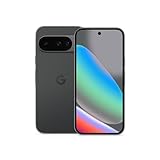
- Google Pixel 10 is the everyday phone unlike anything else; it has Google Tensor G5, Pixel’s most powerful chip, an incredible camera, and advanced AI - Gemini built in[1]
- Unlocked Android phone gives you the flexibility to change carriers and choose your own data plan[2]; it works with Google Fi, Verizon, T-Mobile, AT&T, and other major carriers
- Unlocked Android phone gives you the flexibility to change carriers and choose your own data plan[2]; it works - Google Fi, Verizon, T-Mobile, AT&T, and other major carriers
- The upgraded triple rear camera system has a new 5x telephoto lens - up to 20x Super Res Zoom for stunning detail from far away; Night Sight takes crisp, clear photos in low-light settings; and Camera Coach helps you snap your best pics[3]
- Pixel 10 is designed - scratch-resistant Corning Gorilla Glass Victus 2 and has an IP68 rating for water and dust protection[21]; plus, the Actua display - 3,000-nit peak brightness is easy on the eyes, even in direct sunlight[4]
| Stage | Primary goal | Common owner |
|---|---|---|
| Creative development | Define tone, message, and visual constraints | Creative director / copy team |
| Generation and selection | Produce variants and choose the best shots | AI motion/visual designer |
| Brand QA | Confirm style, logos, typography, brand rules | Brand/marketing ops |
| Legal review | Rights, permissions, disclosures, music/voice usage | Legal counsel / compliance |
| Technical QC | Resolution, artifacts, readability, audio sync | Post-production editor / QC |
| Broadcast prep | Deliver correct specs for the platform and broadcaster | Production coordinator |
A practical rule: nobody signs off on “AI-generated” until they’ve reviewed the final composite shot-by-shot, including any text frames, product visuals, and any recognizable likenesses.
Compliance, disclosure, and rights you still can’t skip
Generative AI changes the origin of assets, which means the same legal questions still apply—but with extra layers.
- Licensing for music and voice: confirm usage rights for every audio component.
- Model and training data policy: understand what the tool’s terms allow you to commercialize.
- Likeness and impersonation risks: if the ad uses human-like faces or voices, verify permissions.
- Brand asset protection: logos and trademarked elements must be exact and legally cleared.
- Disclosure obligations: follow applicable advertising disclosure requirements where mandated by region.
Even if a tool claims commercial use, your contract chain matters: client rights, broadcaster requirements, and your internal brand guidelines.
Common failure modes (and what to try instead)
AI-generated ads fail in predictable ways. If you’ve got production pressure, you need fallback actions—not just “regenerate and hope.”
What’s actually slowing this PC down?
Pick the symptom - the matching free tool is one click away.
Text and logo distortion
Generated frames often produce misspelled words or warped typography. If the ad includes brand names, product labels, or readable UI, prefer:
- Template overlays: add text and logos as real vector assets in compositing.
- Locked plates: generate backgrounds separately, then place exact text elements on top.
Inconsistent characters or faces
Even within a single prompt, characters can drift. Fixes include using consistent reference images, constraining attributes (age, hairstyle, outfit), or switching to a hybrid: generate the background with AI, keep characters from a consistent source.
Flicker, warping, and “AI shimmer”
Motion can create temporal artifacts—especially in fast camera moves. Mitigate this by generating fewer shots, using stable keyframes, and relying on post stabilization and compositing.
Bad audio sync
If voice and mouth timing matter, do a pass where you map dialogue beats to visuals. When sync is off, it’s often faster to re-cut video timing than to re-generate entire scenes.
Free tools Windows power users keep installed
One-click scans. No signup required.
Alternatives and hybrid approaches that work now
“AI-generated” doesn’t have to mean “everything is generated.” Hybrid production is common because it reduces risk while still capturing the speed benefits of AI.
Also popular on Amazon

- Google Pixel 10 is the everyday phone unlike anything else; it has Google Tensor G5, Pixel’s most powerful chip, an incredible camera, and advanced AI - Gemini built in[1]
- Unlocked Android phone gives you the flexibility to change carriers and choose your own data plan[2]; it works with Google Fi, Verizon, T-Mobile, AT&T, and other major carriers
- Unlocked Android phone gives you the flexibility to change carriers and choose your own data plan[2]; it works - Google Fi, Verizon, T-Mobile, AT&T, and other major carriers
- The upgraded triple rear camera system has a new 5x telephoto lens - up to 20x Super Res Zoom for stunning detail from far away; Night Sight takes crisp, clear photos in low-light settings; and Camera Coach helps you snap your best pics[3]
- Pixel 10 is designed - scratch-resistant Corning Gorilla Glass Victus 2 and has an IP68 rating for water and dust protection[21]; plus, the Actua display - 3,000-nit peak brightness is easy on the eyes, even in direct sunlight[4]
Hybrid approach: AI backgrounds + real talent
Generate environments with AI, then shoot actors (or use existing footage) for character performance. Composite talent into the synthetic scenes to keep human features reliable.
Hybrid approach: live-action plates + AI-enhanced b-roll
Capture a set of clean plates and product shots, then use AI to create transitions, abstract overlays, or optional variations for marketing testing.
Fully AI-stylized animation
If the creative direction is stylized (illustration-like or animated), AI is often easier to ship because minor realism issues become invisible in the style language.
The Tool Desk
Outbyte PC Repair FREERepair Windows errors before they cause bigger problemsFix Now →Outbyte Driver Updater FREEScan for outdated or missing drivers - takes under a minuteDriver Scan →Frequently asked questions
Was Google’s TV ad fully generated by AI?
Public announcements may describe the ad as AI-generated without listing every component. Treat it as “AI contributed to the final spot” unless the release explicitly states the generation scope (e.g., fully synthetic video vs AI-assisted scenes).
Can AI-generated ads be broadcast-quality?
Yes—when teams apply finishing discipline: shot selection, compositing, color grading, and text/logo overlays using real assets. The finishing pass is usually what separates a demo from a TV-ready product.
What should marketers require from an AI video vendor?
Ask for documentation of commercial usage rights, disclosure process, asset provenance practices, and a QC checklist for readability, brand consistency, and artifact review.
How do you reduce risk of visual artifacts and inconsistencies?
Use a constrained style guide, lock brand assets as overlays, generate in shot-sized chunks, and require a temporal QC review (not just frame-by-frame checks).
Recommended Free Tools
Bottom Line
Google’s first AI-generated TV ad is a signal that generative AI is becoming operational in mainstream advertising, not just experimental content. The opportunity is faster iteration; the job is still quality control, legal clarity, and brand accuracy.
If you’re evaluating AI for your own ad work, watch the video with a production lens and build a workflow that treats AI as one component in a complete pipeline—from creative constraints to final broadcast QC.

