Some links on this page are affiliate links: if you buy through them we may earn a commission, at no extra cost to you.
Reports that the Honey extension lost around 3M Chrome users have fueled a familiar debate: when a “shopping helper” sits inside your browser, what exactly can it see, change, and monetize?
This guide focuses on two practical outcomes. First, you’ll learn what to verify when you see headlines like this. Second, you’ll get a clear, step-by-step process to audit and remove Honey, then switch to safer deal-finding habits.
As an Amazon Associate I earn from qualifying purchases.
Quick wins for a faster PC:
Scan for outdated or missing drivers - takes under a minuteDriver Scan →Repair Windows errors before they cause bigger problemsFix Now →Fix the driver behind crashes, sound loss and screen glitchesFind Drivers →No matter whether you fully trust Honey or fully distrust it, you should treat browser extensions as software with power. They can read pages, alter checkout flows, and request broad permissions—even when the feature is “just coupons.”
What people mean by Honey extension losing 3M Chrome users
When someone says “Honey lost 3M Chrome users,” they’re usually referring to a measurement of installation count changes, active users, or rankings over a period—not a single definitive lawsuit-grade fact. Different analytics providers estimate extension user counts using varying signals.
Popular on Amazon

- 2 Pack 13 Pockets accordion file organizer, colored labels for easy subdivision and indexing
- Accordion file organizer made from high-quality Polypropylene, non-toxic, waterproof and tear-resistant. Not easy to break or deform
- The folder size is 10.2 x 5.1 x 0.8 inches, the surface is black, with good concealment and dirt resistance
- Flap and elastic button closure design, for added security, secure to prevent inside papers from falling out
- Suitable for daily file archiving and storage, such as tax documents, contracts, bills, statements, name cards, receipts, checks, etc
So the right way to approach the claim is: treat it as a signal that many users chose to uninstall, disable, or replace the extension after concerns became public.
What to verify before you assume the worst
- Source of the 3M figure: Was it from a third-party extension analytics dashboard, a news outlet citing a dataset, or a company statement?
- Time window: Was the loss measured over 30 days, 90 days, or longer? Month-to-month swings are common with extensions.
- Definition of “user”: Some sources count installs, others count active monthly users, and some infer from browser telemetry.
- Version and date: Honey updates frequently. If concerns started after a specific release, version numbers matter.
Common reasons extensions get removed at scale
Even when an extension is technically “working,” it can trigger mass uninstalls for reasons unrelated to malware: annoyance, billing/checkout weirdness, misleading UX, permission anxiety, or disagreement about affiliate monetization.
Crashes, No Sound, or Screen Glitches?
Random freezes, missing sound and display glitches usually trace back to one bad driver. Find and replace yours safely.Free scan · under a minutePC Slower Than It Used to Be?
A free scan shows the junk files, broken settings and background clutter dragging Windows down - then fixes them in one click.Free scan · Windows 10 & 11- Overbroad permissions (e.g., access to all sites)
- Unexpected checkout behavior (offers appear at inopportune moments)
- Coupon failures that create friction or require multiple retries
- Affiliate optics (users feel they’re being pushed toward certain partners)
- “Shady” perception driven by changing policies, unclear transparency, or aggressive prompts
How Honey (and similar extensions) can affect your privacy, pricing, and accounts
Extensions act as middle layers between your browser and the websites you visit. That can be helpful—or risky—depending on what the extension can access.
Tracking and data permissions
Many deal extensions request permissions that go beyond coupons, like reading page content or accessing “data on all websites you visit.” Even if the extension only uses the data for price matching, the permission itself increases your exposure if the extension is compromised or poorly implemented.
Look for these patterns:
- Broad access declared in extension settings
- Network requests to analytics or affiliate domains
- Change in permissions after an update
Affiliate and coupon behavior
Coupon extensions often operate through partner relationships. That isn’t automatically illegal or malicious. The concern arises when users believe the extension is suppressing alternatives, prioritizing certain partners, or presenting outcomes in a way that hides the commercial logic.
From a user standpoint, the practical question is simple: does the extension make checkout outcomes better for you, or does it add friction and marketing noise?
In-browser commerce flows
Extensions can inject scripts into cart and checkout pages. If the extension aggressively triggers coupon attempts, it can cause delays, repeated recalculations, or unexpected coupon stacking behavior.
Also popular on Amazon
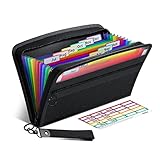
- Receipt Coupon Organizer - ThinkTex Small Folder with 12 Pockets. Exclusive size 11*6'' for receipts, coupons. Perfect monthly organizer
- 12 REAL POCKETS - Sealed bottom makes papers stay in the proper slot, No need worry the papers slide into the other compartments from the bottom
- QUICK ACCESS - Bright colorful tabs with monthly labels, just take a glance and locate. The tabs is clear and easy to read
- RELIABLE ZIPPER - Zip it up and nothing will fall out, extra wristband makes carrying easier
- LITTLE THINGS MAKE LIFE EASIER - No more big and heavy accordion folders, easy to put in glove box, purse. Have a smallish, portable filer to hold all receipts instead of many envelopes. One of the most valuable items you didn't know before one purchase
If you’ve ever seen a checkout page change repeatedly, that’s your cue to stop and evaluate the extension’s impact—even if it’s “supposed” to help.
Immediate actions: audit Honey on your devices
You don’t need to guess. You can audit Honey’s current footprint in minutes and decide whether to remove it, restrict it, or replace it with a lower-risk workflow.
Check whether Honey is still installed
Start with Chrome on desktop, since the reported figure is “Chrome users.”
The Tool Desk
Outbyte PC Repair FREEClear out junk files and repair common Windows errorsFree Scan →Outbyte Driver Updater FREEScan for outdated or missing drivers - takes under a minuteDriver Scan →- Open Chrome
- Click ⋮ (top-right)
- Select Extensions > Manage extensions
- Find Honey in the list
Review permissions and site access
Next, inspect permissions. In Chrome, you can often see what the extension is allowed to do.
- On the Honey entry, open Details
- Review Site access (e.g., “On all sites” vs “On click”)
- Review Permissions and any listed capabilities
- If it offers a switch like Run on click, consider enabling it
Verify what Honey can read or modify
If the Details panel lists broad access (especially “all sites”), that’s the moment to ask whether you really want a shopping extension to observe your general browsing.
At minimum, confirm you can do all of the following:
- Disable it instantly when shopping is over
- Restrict it to specific domains when possible
- Uninstall it cleanly when you choose
Remove Honey safely from Chrome (desktop)
If you no longer trust Honey—or you simply want a cleaner browser—you can uninstall it. Do it through Chrome’s extension manager, not by deleting random files.
What’s actually slowing this PC down?
Pick the symptom - the matching free tool is one click away.
Also popular on Amazon

- Adjustable Wrist Strap for On-the-Go Convenience: Comes with an adjustable wrist strap, making it easy to carry while shopping or running errands—free your hands and keep your organizer always within reach.
- Compact & Portable for Everyday Use: Sized at 8.1 x 5.1 inches, this lightweight wallet fits easily into your bag or can be carried by hand—perfect for everyday errands and travel.
- Designed for Receipts & Coupons Organization: Keep your receipts, coupons, and bills neatly organized in one place. Ideal for grocery shopping, store visits, and daily expense tracking—no more lost or messy paper slips.
- 12 Pockets for Easy Sorting: Equipped with 12 compartments to sort receipts, coupons, cash, and notes by category—helping you stay organized and manage your budget more efficiently.
- Secure Zipper Closure Keeps Everything in Place: The smooth zipper design helps keep your receipts and important papers secure, preventing items from falling out during busy shopping trips.
Step-by-step uninstall
- Open Chrome > ⋮ > Extensions > Manage extensions
- Find Honey
- Toggle it Off (this reduces risk while you evaluate)
- Click Remove (trash icon) > confirm Remove
Clean up leftovers (common gotchas)
After uninstall, you may still see related behavior if another extension is doing similar tasks.
- Check for duplicates: Search the Extensions list for terms like “coupon,” “deal,” “price,” and “shopping.”
- Reset site data: In Chrome settings, you can clear site data for specific domains that were impacted during checkout.
- Check password managers: If Honey ever prompted logins or autofill, confirm your password manager still behaves normally.
Disable other shopping add-ons that conflict
Multiple coupon extensions can fight each other on checkout pages. If you keep even one, consider disabling the rest until you know which one changes checkout behavior.
- Leave only the single extension you trust most (or none)
- Test with one low-stakes purchase
- Watch the checkout page for repeated coupon attempts or UI flicker
Remove Honey on iPhone and iPad (if you enabled it)
Mobile extension support is different than desktop. You may not have a “Chrome extension” in the same way, but you can still have Honey-like effects through browser settings, Safari extensions, or installed apps.
Check iOS content blockers and sharing permissions
- Open Settings
- Go to Safari > Extensions
- Look for Honey-related entries and toggle them Off
- Check Settings > Privacy for any suspicious permissions tied to the Honey app (if installed)
Confirm browser permissions
If you use iCloud Keychain, you can still have autofill behavior even after disabling extensions. Verify that autofill isn’t pulling values you didn’t intend.
Do these 3 things before closing this tab:
1Repair Windows errors before they cause bigger problems2Scan for outdated or missing drivers - takes under a minute3Clear out junk files and repair common Windows errors- Check Safari autofill settings
- Confirm no unexpected profiles or device management entries exist under Settings > General > VPN & Device Management
Remove Honey on Android and other browsers
On Android, deal extensions may be limited by browser capabilities. Still, the goal is the same: remove the software that can alter checkout and coupon behavior.
Samsung Internet, Firefox, and Edge basics
In each browser, locate extension management and remove Honey if present.
- Open your browser (Samsung Internet, Firefox, or Edge)
- Go to Settings > Extensions (or Add-ons)
- Find Honey
- Disable it, then uninstall/remove it
When you can’t find the extension
If Honey doesn’t appear as an extension, the “Honey behavior” might be coming from an installed app, browser default feature, or another extension with a similar name.
Also popular on Amazon

- 【HIGH CAPACITY】Product size is 10.2*5.1inch. 13 individual pockets, maximum 350 sheets of coupon. it is large enough to keep all of your important documents securely, help to classify and find your files effectively
- 【HIGH QUALITY MATERIAL】Made of premium environmentally friendly PP material, Acid-free, PVC-free, and archival quality for safe storage. Waterproof and moisture-proof material enough to keep your documents in good condition and not easy to break & deform
- 【RAINBOW COLORED DESIGN】Nicecho 13 Pockets File Folder is updated with nice colored inner pages for better visual sense. Small colored labels can give your files a convenient classification, so that you can quickly find the paper you need
- 【UNIQUE ELASTIC BUCKLE】We've upgraded the elastic string & button closure from the previous folder organizer,making it easier for users to open and close. It makes your work more relaxed and pleasant, perfect for all people to store all of their loose paperwork
- 【MULTIFUNCTIONAL APPLICATION】Our accordion folders can store invoices, paper, cards, receipt, coupon and other documents. Suitable for home, office, school and travel use. In addition, the stylish and simple design is the best gift for friends and family
- Search your app drawer for Honey
- Check browser add-ons for “shopping,” “coupon,” “price tracker,” or “deal”
- Clear browser site data for major retailers you tested
Safer alternatives to Honey for couponing and deal hunting
The real issue isn’t coupons—it’s unbounded access. You can keep the benefits of discount hunting without giving a single extension broad permissions on every site you visit.
Manual strategies that avoid extension risk
- Use retailer-specific promo pages: Many stores publish codes directly on their own sites.
- Compare checkout totals: Add the same item(s) in one session and compare the final price before and after code entry.
- Check card/loyalty perks: Bank offers and store loyalty programs often beat generic “coupon add-ons.”
- Use browser-native tools: Search for codes on your own, and paste manually—no injection.
Extension alternatives with stricter controls
If you want extensions anyway, prefer ones that:
- Offer Run on click or limited site access
- Declare clear domains they operate on
- Have transparent documentation for affiliate relationships
- Have a long public history with consistent permissions
Even then, treat them like software with power. Use a “shopping session” workflow: turn it on only while you’re on checkout pages, then turn it off.
How to spot shady extension tactics before you install another one
When you’re burned once, you can harden your browser policy for the future. You’re looking for permission and behavior mismatches—what the extension asks for vs what you expect it to do.
Permission red flags
- “Access your data on all websites” for a feature that claims to be “just coupons.”
- Broad host permissions that cover websites unrelated to shopping.
- Requesting capabilities you can’t reasonably justify from the feature description (e.g., aggressive read access with no clear reason).
Behavior red flags
- Unexpected pop-ups outside shopping/cart contexts
- Repeated checkout interference (coupon retries, UI changes, page reloads)
- Changes without transparency after updates (permissions expand; features shift)
- Hard-to-reverse toggles where you can’t truly disable the feature
Review red flags in the Chrome Web Store
Reviews aren’t perfect, but patterns matter.
- Repeated complaints about coupon failures that lead to checkout friction
- Users mentioning “can’t remove,” “keeps coming back,” or policy/permission surprise
- Seller responses that don’t address permission concerns directly
Troubleshooting: if uninstall fails or Honey keeps returning
Occasionally, Honey-like behavior persists because something else is managing it—malware, a policy, or another extension that re-installs related components.
Check for managed policies or enterprise installs
If your Chrome is managed (work/school device), some settings can force extensions back.
Recommended Free Tools
- In Chrome, open chrome://extensions
- Look for extension entries showing an organization label
- Check for messages like Managed by your organization
- If present, you’ll need admin/IT to remove the policy
Look for related extensions or scripts
Some installs bundle multiple components. After removing Honey, scan for lookalikes.
- Re-open Manage extensions
- Search for “Honey,” “coupon,” “deal,” “price,” or “shopping”
- Remove any suspicious companions
- Restart Chrome
Reset browser profile as a last resort
If uninstall behavior is stubborn, a profile reset can clear corrupted state.
Also popular on Amazon

- Coupon Receipt Organizer: SortRax small accordion file folder is specially designed for coupons and receipts, unique 8"*5.3" size, 12 pockets with colorful tabs, zipper closure
- 13 Real Pockets: 12 accordion pockets, roomy for all types of coupons and receipts, each section is sealed so the small items will not fall underneath. And a extra front mesh pocket can hold a pen, shopper card and credit card
- Quick Access: Bright tabs match colored labels, locate what you need in seconds. Comes with monthly labels or you can create your own with blanks
- Compact & Portable: L8"*H5.3", Easy to put in purse and glove box, a handy wristband makes carrying around easier
- Sturdy: Made of premium PP plastic and woven fabric edging, expertly stitched and features a smooth zipper. Built to withstand daily use and last for a long time
- Create a new Chrome profile and test without any extensions
- Only if needed, consider resetting Chrome settings from Chrome settings
- A full reinstall of Chrome is rarely required, but it can help if local files are corrupted
Frequently Asked Questions
Did Honey actually install without permission?
Honey can be installed intentionally by you (Chrome Web Store) or via bundled installers. If it appeared suddenly, check your download history and extension list around the date it showed up.
Will removing Honey affect existing orders or refunds?
Uninstalling typically stops the extension from injecting into pages. It doesn’t usually change your retailer accounts or order history. Still, any saved coupon codes or autofill behavior might disappear, so be prepared to re-enter codes manually.
Is coupon hunting safer without extensions?
It’s usually safer. Manual code entry avoids script injection into checkout flows. If you use extensions, keep permissions tight and only enable them during shopping.
What should I do if I already shared credentials through Honey?
Assume the worst: change passwords for any retailer accounts you used, enable 2FA, and review sessions and devices on those accounts. Also remove any suspicious companion extensions.
Should I block Honey instead of uninstalling it?
If you still trust it, you can disable it by default and use it only during checkout. But if you don’t trust it, uninstall is cleaner and avoids future permission surprises.
Bottom Line
Whether the “3M Chrome users” figure is perfectly precise or just directionally correct, it signals a user trust problem. Browser extensions can do real work inside checkout flows, so you shouldn’t keep one unless you understand the permissions and the tradeoffs.
Audit Honey now, remove it if you don’t like what you find, and switch to a safer deal routine—manual promo pages, loyalty perks, and extensions that run only when you explicitly ask them to.

