Some links on this page are affiliate links: if you buy through them we may earn a commission, at no extra cost to you.
Useful alternatives to Google AI Overviews for product research include retailer and brand pages, customer reviews, expert publications, YouTube, Reddit and other forums, and conversational shopping tools such as ChatGPT Shopping Research. They do different jobs: some help compare options, some provide owner or reviewer experience, and sellers are where to confirm the current offer. No single destination is established as best for every shopper, so use more than one kind of source and verify price, stock, shipping, and returns with the seller before buying.
What can I use instead of Google AI Overviews to research products?
There is no one-for-one replacement that covers every part of product research. The practical alternatives range from AI-assisted comparison tools to retailer listings, independent reviews, video demonstrations, and discussions among owners. Choose based on the question you need answered: what might fit your needs, how a product performs, or what a seller is offering right now.


As an Amazon Associate I earn from qualifying purchases.
A conversational tool can help turn a vague shopping goal into a list of requirements. A retailer page can settle the exact model, included accessories, seller and policy. A review can describe recurring strengths or problems, while a video may show a feature in operation. A forum can reveal troubleshooting history or long-term owner concerns. These are different forms of evidence, so a polished answer from one source should not be treated as a substitute for all of them.
These channels are already used in combination. In a June 2026 Product.ai survey of 1,463 people describing their most recent online purchase above $50, respondents reported using online customer reviews (50%), brand or retailer websites (31%), friends or family (26%), YouTube videos or reviewers (24%), an AI assistant (20%), Reddit or online forums (12%), and expert publications or professionals (7%). Sixteen percent said they did not research. Respondents could select multiple tools, so the figures are not mutually exclusive, and they describe that survey group and purchase context rather than every shopper or transaction.
#1 Best Overall

- The 2024 ERG guide helps satisfy 49 CFR 172.602 DOT requirement. This requirement states that hazmat shipments be accompanied by emergency response info.
- Pocketbook aids in emergency preparedness, planning, and training with ERGs numerically indexed and color-coded to help emergency responders find vital information fast.
- 2024 Updates: The Pipeline and Hazardous Materials Safety Administration (PHMSA) released a comprehensive summary of updates. Most significantly a QR code on the back cover that provides access to critical incident reporting information.
- Other changes for 2024 have been made to continue to provide the most accurate emergency response information to help all front-line persons and all first responders stay safe during transportation emergencies.
- Specifications: 4" x 5 1/2" Pocketbook Size, English, Spiralbound. Copyright 2024.
Match the source to the question
- Need help narrowing choices? Try a conversational shopping tool that can ask about your requirements and assemble a comparison. Give it your intended use, budget and must-have features instead of asking only for a generic “best” product.
- Need a current specification, seller or policy? Check the relevant retailer or brand listing. Use the model number and variant, because products with similar names may differ in size, configuration or included accessories.
- Want to know how an item performs in use? Look for expert testing, video demonstrations and owner discussions. These sources can add context that a specification sheet does not provide.
- Want to see whether the same item is available elsewhere? Use a shopping search that aggregates listings, then confirm the offer on the merchant’s own page.
- Want advice from someone who knows your priorities? Ask friends or family, but compare their use case and expectations with yours before treating the recommendation as transferable.
How do ChatGPT Shopping Research and Google Shopping differ?
ChatGPT Shopping Research is designed as a guided comparison, while Google Shopping is a shopping discovery experience built around aggregated product information and listings. Neither removes the need to check merchant details, and their coverage, personalization and result quality can differ.
| Option | What it is useful for | What to verify |
|---|---|---|
| ChatGPT Shopping Research | Exploring a set of requirements or trade-offs through follow-up questions and a buyer’s guide. OpenAI says the feature researches public retail sites, which can make it useful when you need several constraints considered together. | OpenAI warns that product details, prices and availability may be wrong or change. Follow any cited merchant pages and confirm the exact offer there. A generated comparison is a starting point, not a price or inventory guarantee. |
| Google Shopping and AI shopping features | Discovering products through aggregated listings, prices, reviews and AI-supported recommendations. It can be useful for seeing multiple merchants or beginning a broad product search. | Personalization can affect results; prices can vary by location; and Google says the quality of generative AI information may vary. Open the listing for the current seller, price, stock and terms. |
| Amazon shopping features | Getting assistance among products in Amazon’s own shopping environment. Amazon says Help Me Decide uses shopping and browsing activity, searches and preferences, so it can help when you are already comparing items in that catalog. | It reflects a retailer-specific catalog and context. If breadth or independent perspective matters, consult other retailers or sources as well. Do not assume an Amazon-only comparison represents every available seller or model. |
The underlying data and experience are not the same. Google said on November 13, 2025, that its Shopping Graph contained more than 50 billion product listings, with 2 billion updated hourly. Those are Google-reported figures, not an independently audited count. A large product graph can help surface listings, but it does not mean every item, seller, price or location is represented equally at the moment you search.
Quick wins for a faster PC:
Repair Windows errors before they cause bigger problemsFix Now →Fix the driver behind crashes, sound loss and screen glitchesFind Drivers →Clear out junk files and repair common Windows errorsFree Scan →Google also says shopping results can be personalized and that AI-generated information may vary in quality. ChatGPT Shopping Research, by contrast, is described as asking about a shopper’s needs and constraints before producing a buyer’s guide from public retail sites. Amazon’s Help Me Decide draws on a shopper’s Amazon activity and preferences. These distinctions matter: an answer shaped by one retailer’s catalog or by your prior activity is not necessarily a broad view of the market.
Ask each tool the same question if you want to compare them fairly. Keep the budget, intended use, required features and acceptable compromises constant. Then inspect which products were included, which evidence was linked, and whether the recommendation came from specifications, reviews, testing or an AI summary. Different results do not automatically mean one tool is broken; they may reflect different catalogs, personalization, markets or update timing.
When should I use retailer pages, reviews, video or forums?
Use seller and brand pages to establish what is being offered; use reviews and independent sources to understand real-world experience. These sources complement each other rather than serving as interchangeable evidence.
Retailer and brand pages
A product listing is the most direct place to check its model number, listed specifications, current stock, seller identity, shipping terms and return policy. Check the exact model and seller, especially when a product family has similar names or multiple variants. Compare the title, configuration, size and included accessories with the item mentioned in a review or video. A page can tell you what is being sold, but its specifications alone may not establish how well it performs in everyday use.
Outdated Drivers Are Slowing You Down
One free scan finds every outdated or missing driver and matches the right update for your exact hardware.Free scan · exact hardware matchWindows Errors? Fix Them Before They Spread
Repair common Windows errors and clear accumulated junk for a smoother, more stable PC - no reinstall needed.Free scan · no reinstallBrand pages can be useful for the manufacturer’s stated specifications and model distinctions, while retailer pages usually carry the transaction details that determine what you can order. If the two pages use different names or list different contents, pause and resolve the discrepancy rather than assuming they describe the same package. A live listing also matters because stock, price, shipping and return terms can change after an article, review or AI answer was created.
Customer reviews and recommendations
Customer reviews can reveal recurring issues or practical advantages that a specification sheet misses. Read for details about the reviewer’s use case and the exact model, and be cautious about treating a few extreme experiences as representative. Look for patterns across multiple reviews, noting whether comments concern setup, durability, comfort, performance or support. A review that does not identify the version or circumstances is harder to apply to your decision.
Recommendations from friends or family can add context about a person’s experience, but their needs and expectations may differ from yours. Ask what they bought, how they used it and what trade-off they accepted. Their advice can generate candidates for further checking, but it does not replace confirming the current listing or seeking another perspective.
Expert publications and YouTube
Expert publications may explain category trade-offs or report on testing; video reviews can show a product in operation. Check the publication or creator’s testing method, the date and the exact product version. A demonstration is most useful when it shows the feature you care about rather than relying only on a broad verdict. For a product whose software, accessories or availability changes, an older review may still explain performance but no longer match the current package or price.
The Tool Desk
Outbyte PC Repair FREERepair Windows errors before they cause bigger problemsFix Now →Outbyte Driver Updater FREEScan for outdated or missing drivers - takes under a minuteDriver Scan →Separate what the reviewer directly tested from what is repeated from a specification sheet or press description. Note whether the test addresses your intended use and whether competing products were evaluated under similar conditions. A single favorable or unfavorable video can be informative, but comparing several sources helps identify which observations recur.
Reddit and other forums
Forums can surface owner questions, troubleshooting experiences and discussion that may not appear in a polished product listing. Look for multiple accounts and confirm that participants are talking about the same version and use case. Forum posts are individual reports, not controlled tests or proof that an issue is widespread.
Rank #3
Use forum discussions to identify questions for further checking: a suspected compatibility problem, a recurring setup difficulty or a difference between revisions. Then look for a current product page, expert test or additional owner reports addressing that question. Remember that a thread can remain visible long after a model, seller policy or software version has changed.
A practical way to research a product across several destinations
A repeatable process reduces the chance that a convenient summary becomes your only evidence. It also makes results from different services easier to compare.
Free tools Windows power users keep installed
One-click scans. No signup required.
- Define the job. Write down what you need the product to do, where it will be used and which limitations matter. Include a budget range and separate must-have features from preferences.
- Ask for candidates. Use a conversational shopping tool, Google Shopping or another broad shopping search to identify possible models. Treat the output as a list to investigate, not a final ranking.
- Record the identifiers. Capture the exact model number, size, configuration and included accessories for each candidate. This prevents a review of one variant from being applied to another.
- Gather different evidence types. Read the merchant or brand specifications, then seek customer experience, expert testing, a video demonstration or forum discussion relevant to your use case. Note which claims are directly observed and which are summaries.
- Compare on the same criteria. Put candidates side by side using the same requirements, trade-offs and budget. If one service recommends an item that another omits, check whether the difference comes from retailer coverage, market availability, personalization or a missing requirement.
- Inspect traceable links. Prefer results that provide citations or direct merchant pages. Open the underlying pages for purchase-critical facts instead of relying on a generated paragraph.
- Recheck the live offer. Before ordering, confirm the seller, price, stock, shipping and returns for the exact item you researched.
This process works whether you begin with an AI assistant, a review, a forum or a friend’s recommendation. The key is to combine breadth, evidence about use and a current merchant record rather than expecting one destination to provide all three.
How can I compare product research sources fairly?
Use the same needs and constraints in each destination, then compare what kind of evidence and coverage you actually receive. This helps separate a useful recommendation from a result that merely looks comprehensive.
- Write down your requirements. Note the intended use, must-have features, budget range and meaningful trade-offs before searching. Keep the same criteria when trying different services.
- Check the scope. Determine whether the tool spans retailers or centers on one store, and whether it is showing products available in your market. A retailer-native feature may be convenient but narrower than a cross-retailer search.
- Identify the evidence. Separate listed specifications, expert testing, owner reviews, video demonstrations and AI-generated recommendations. One kind of evidence does not automatically validate another.
- Assess personalization. Note whether the result may reflect your browsing, searches, preferences, account or location. Personalization can make a result more relevant while also making it different from another shopper’s result.
- Look for traceable details. Prefer results that let you inspect citations or direct merchant pages. Follow those links rather than relying on a summary for a purchase-critical fact.
- Check freshness. Record the date of a review or discussion and recheck volatile details such as price and inventory on the current listing.
- Verify the exact offer. Confirm model, seller, price, availability, shipping and return terms on the merchant page before placing an order.
Availability and eligibility for shopping features can change, including by market or account. If a feature is missing, do not assume the product itself is unavailable; try the underlying shopping site or another source directly. A difference in what two people can access may reflect rollout or account conditions rather than a difference in product quality.
Common pitfalls when using AI and shopping search
- Confusing a recommendation with a reservation. A tool can suggest an item without holding inventory or guaranteeing the displayed price.
- Accepting a generated specification without checking it. Open the cited product or brand page, especially for dimensions, compatibility, included accessories and version names.
- Assuming the broadest-looking result is the broadest market view. Amazon’s feature is tied to Amazon’s environment, and any service may have geographic or account limits.
- Comparing unlike variants. A review, listing and video can refer to different sizes, generations or packages that share a family name.
- Using old evidence for a current transaction. Prices, stock, shipping and return policies are changeable; confirm them immediately before purchase.
- Treating one owner report as a controlled test. Use forums and customer reviews to find patterns and questions, then seek corroboration.
- Ignoring location. Prices and availability can vary by location, and a product shown in one market may not be orderable in another.
What should I verify before buying?
Confirm the product and the transaction details on the seller’s current listing. Shopping tools and AI summaries can help you discover candidates, but their information may not reflect the final offer available to you.
- Exact item: Match the model number, size, configuration and included accessories to the item you researched.
- Seller: Check who is actually selling the product, particularly on a marketplace listing.
- Price and availability: Recheck them at checkout or on the current listing; prices and stock can change, and prices may differ by location.
- Shipping: Confirm delivery cost, timing and any relevant restrictions with the merchant.
- Returns: Read the seller’s current return terms rather than assuming they are the same across sellers or products.
When the listing conflicts with an AI summary or comparison result, treat the live merchant page as the place to confirm the offer. For questions about how the product behaves, seek evidence from a reviewer or owner source that covers the exact version. If a purchase decision depends on a fact that no source clearly establishes, mark it as unresolved and look for a direct specification, test or seller statement rather than filling the gap with an assumption.
Independent reader supportYour contribution helps us test, update, and keep practical guides available for everyone.Frequently Asked Questions
Are Google AI Overviews and Google Shopping the same thing?
No. AI Overviews are generated summaries that can appear in Google Search, while Google Shopping is a shopping-focused experience using product listings and related information. A product result or summary can be a starting point, but the seller’s listing is the place to confirm the current transaction details.
Can AI shopping tools guarantee that a product is the cheapest?
No. The available descriptions do not establish a guarantee of finding the lowest price across every seller. Listings can change and prices can vary by location, so compare current merchant pages for the same model and seller terms.
Where can I read customer reviews before buying?
Retailer and brand pages may include customer reviews, and the Product.ai survey identified online customer reviews as the most commonly reported research channel among its respondents. Check the exact model and look for patterns across reviews rather than relying on one comment.
Should I use YouTube or Reddit to research a product?
Both can add real-world context. YouTube may demonstrate a feature or workflow, while Reddit and other forums can surface owner questions and troubleshooting. Check the date, exact version and use case, and treat individual reports as evidence to investigate rather than controlled tests.
Does ChatGPT Shopping Research search every retailer?
OpenAI describes it as researching public retail sites and producing a buyer’s guide, but that description does not establish complete coverage of every retailer or market. Follow its cited pages and compare other shopping or merchant sites when breadth matters.
Best Value
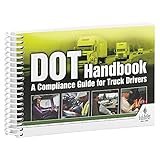
- Handy reference covers critical elements of truck driver training including key FMCSA regulatory compliance topics, general info about orientation & company policies, trip preparation, on-the-road information, and incident/accident handling procedures.
- Filled with truck driver essentials, this handbook helps meet DOT entry-level driver training requirements (49 CFR 380, Subpart E).
- Easy-to-understand, concise DOT compliance resource works great for truck driver education "finishing training," new hire orientation training, and drivers new to the field. Ideal for Driving Training Instructors for use in aiding their curriculum.
- Features quizzes at the end of every chapter.
- 7" x 5" English spiral bound handbook with 192 pages.
Why do two shoppers see different product recommendations?
Shopping results may be personalized, and some retailer-native features use a shopper’s browsing, searches or preferences. Market availability and location can also affect what appears, so recommendations need not match between accounts.
Are Google’s product-listing numbers an audited market total?
No. Google said on November 13, 2025, that its Shopping Graph contained more than 50 billion product listings and that 2 billion were updated hourly. Those are figures Google reported about its own graph, not an independently audited count of every product for sale.
What if an AI answer and the product page disagree?
Use the current merchant or brand page to verify the exact specification, seller, price, stock, shipping and return terms. For performance questions, seek a reviewer or owner source covering the same version. Do not rely on the summary for a purchase-critical fact.
Is Amazon Help Me Decide an independent shopping comparison?
Amazon presents Help Me Decide within its own shopping environment and says it uses shopping activity, browsing activity, searches and preferences. It can help compare items in Amazon’s catalog, but consult other retailers or independent sources when you need a broader market view.
Why might a shopping feature be unavailable to me?
Shopping features and eligibility can vary by market or account and can change over time. Try the underlying retailer or shopping site directly, and do not interpret a missing feature as proof that the product is unavailable.
The Bottom Line
Use AI shopping tools and broad shopping search to find candidates, retailer and brand pages to verify the offer, and reviews, expert testing, videos and forums to understand real-world use. Compare sources with the same requirements, follow citations, and confirm the exact model, seller, price, stock, shipping and returns on the current merchant listing.
Recommended Free Tools
Quick Recap
Product prices and availability are accurate as of the date/time indicated and are subject to change. Any price and availability information displayed on Amazon at the time of purchase will apply.

