Some links on this page are affiliate links: if you buy through them we may earn a commission, at no extra cost to you.
Cytokine release syndrome (CRS) is an acute inflammatory reaction that can follow infusion of CAR-T cells. It may start with fever and flu-like symptoms, then progress to low blood pressure, reduced oxygen levels, organ injury, or life-threatening illness. Clinicians grade CRS using fever, blood-pressure, and oxygen findings and treat it with close monitoring, supportive care, tocilizumab, corticosteroids, and intensive-care support when necessary. The exact plan depends on the CAR-T product, current prescribing information, the patient’s response, and whether infection or another complication is also present.
What is cytokine release syndrome after CAR-T therapy?
CRS is a systemic immune reaction caused by rapid activation of immune cells after CAR-T infusion. Activated CAR-T cells and other immune cells release signaling proteins called cytokines. A controlled inflammatory response can become widespread, affecting temperature regulation, blood vessels, breathing, circulation, and multiple organs.
As an Amazon Associate I earn from qualifying purchases.
U.S. Food and Drug Administration (FDA) prescribing information for several CAR-T products describes symptoms ranging from fever, nausea, fatigue, headache, muscle pain, and malaise to hypoxia (low blood oxygen), hypotension (low blood pressure), organ toxicity, and death. CRS is a recognized complication, but its frequency and severity differ by product, cancer indication, dose, trial population, and grading method. A rate reported for one product must not be treated as the rate for all CAR-T therapies.
For example, the FDA YESCARTA prescribing information reports CRS in 90% (379 of 422) of patients with non-Hodgkin lymphoma in the cited clinical-trial population; 9% had grade 3 or higher CRS. Those figures apply to that study population and product, not to every person receiving CAR-T therapy.
Popular on Amazon

- Never Let a Dead Battery Ruin Your Drive. The LISEN 4 in 1 Retractable Car Charger delivers reliable power for your entire journey. Compatible with standard 12V cigarette lighter sockets, it keeps phones, tablets, and devices charged during daily commutes, road trips, and long drives — the perfect practical gift for dads, truck drivers, and anyone who lives on the road.
- Daily Driver Essential: Always Ready When You Need It. Featuring two retractable cables ( USB C & Old iPhone Charging Cable ) that extend up to 31.5 inches and dual USB ports, this charger solves cable clutter while charging up to 4 devices simultaneously. Ideal for busy fathers, commuters, and families who want a tidy car and never worry about low battery again.
- Deliver full-speed PD fast charging for iPhone 18 Pro Max & iPhone 18 Pro Max & iPhone 18 Pro right inside your car. The built-in 45W PD USB-C port hits the peak charging speed for these latest iPhone models, juicing up your phone to 50% power in just 15 minutes while you drive.(Note: Maximum 45W PD output is available under 24V vehicle power supply. When used with standard 12V car sockets, the peak output is limited to 36W.)
- Standard 12V Power Solution: Designed as a dedicated USB power supply for charging devices. Note: Does NOT support CarPlay, Bluetooth, or data transfer. Compatible with most phones, tablets, and small electronics. This retractable charger is a core car organization tool, keeping your vehicle tidy. Not compatible with Micro-USB devices.
- Clutter-Free Tech Organization: Featuring dual USB ports and retractable cables, the LISEN 4 in 1 charger provides a clean car storage solution. Perfect for truck enthusiasts or as a thoughtful gift for drivers, it supports fast USB-C charging for devices like the iPhone 18Pro & iPhone 18 ProMax. Keep your vehicle organized while ensuring efficient power delivery for all your tech on the road.
What symptoms should patients and caregivers watch for?
Fever is often the first sign, but CRS can evolve quickly. Report any new or worsening symptom immediately using the CAR-T treatment center’s emergency instructions rather than waiting for a routine appointment.
- Temperature of 38 °C (100.4 °F) or higher
- Chills, marked fatigue, weakness, headache, muscle aches, or a general feeling of illness
- Nausea or vomiting
- Dizziness, faintness, confusion, or unusually low blood pressure
- Shortness of breath, rapid breathing, chest tightness, or a need for supplemental oxygen
- Reduced urine output, swelling, or other signs of organ stress
Symptoms can overlap with infection, dehydration, medication reactions, tumor-related illness, and neurologic toxicity. Infection can occur at the same time as CRS, so a fever after CAR-T should never be assumed to be CRS without clinical evaluation.
Do these 3 things before closing this tab:
1Fix the driver behind crashes, sound loss and screen glitches2Repair Windows errors before they cause bigger problems3Scan for outdated or missing drivers - takes under a minuteHow do doctors grade CRS?
The ASTCT consensus framework uses fever of at least 38 °C to identify CRS onset, then uses hypotension and hypoxia to determine severity. The framework is a clinical tool, not a home scoring system: clinicians interpret vital signs, laboratory results, organ function, treatments already given, and alternative diagnoses together.
In broad terms, lower-grade CRS involves fever without major blood-pressure or oxygen problems. Increasing severity is defined by the need for intravenous fluids or blood-pressure medicines (vasopressors), increasing oxygen support, or evidence of organ dysfunction. The most severe cases can involve shock, significant respiratory failure, or multiple-organ injury and require intensive-care treatment.
Also popular on Amazon

- ✅【Designed for Magsafe】 - The most fashionable iphone car mount in 2026 Magsafe is designed for iPhone 18 Pro Max/17/16/15/14/13/12 Pro Max Mini and official Magsafe cases and other magnetic phone cases and can be fixed directly to these phones without the need to affix metal plates. All Android Phones Will Work: Metal rings are provided; they fit cases and other phones without magsafe. Based on Unique Grandmaster Design (Protected by US Design Patent No. US D1,112,194 S)
- ✅【STRONG MAGNETIC MagSafe Car Mount】 - This powerful magnetic phone holder can create a powerful attraction that firmly supports your device while allowing you to drive without distraction. it easily and securely holds your phone through bumps, sharp turns or even sudden stops, no worrying of dropping your phone.
- ✅【SUPER STICK FORCE】 - VHB Dash Mounted Holders adhesive provides strong stick force between the dashboard and the car phone holder, which can firmly stick to any plane in the car, fix your device, adapt to a variety of road conditions such as sudden braking, speed bump, and rugged mountain road.
- ✅【SAFE DRIVING VIEW】 - Mini-size, not taking up space, it is placed in the dashboard without blocking the view at all, and does not need to look down at the device to ensure your safe driving. Cell Phone Car Mount is suitable for most cars, pickups, SUV, taxi; It is the best assistant for Uber and Lyft drivers
- ✅【360° FREE ROTATION】 - With an adjustable swivel ball joint, you can rotate your smartphone or device at your own will, providing the best viewing angle. Quickly pick and place with one hand, free your hands and make calls and GPS navigation more convenient
Fever may disappear after acetaminophen, tocilizumab, corticosteroids, or natural fluctuation. Its absence after treatment does not prove that CRS has resolved. A patient may still have dangerous hypotension, oxygen needs, or organ effects, and the treating team grades and manages the condition according to the most serious clinical findings and possible causes.
When does CRS happen after CAR-T infusion?
CRS generally occurs during the early period after infusion, when the infused cells become activated and expand, but the precise timing varies by product and patient. Because deterioration can be rapid, treatment centers arrange structured observation rather than relying on symptoms alone.
Quick wins for a faster PC:
Scan for outdated or missing drivers - takes under a minuteDriver Scan →Clear out junk files and repair common Windows errorsFree Scan →FDA labeling for YESCARTA, TECARTUS, and CARVYKTI calls for at least daily monitoring for seven days after infusion and instructs patients to remain near a healthcare facility for at least two weeks. The exact discharge plan, laboratory schedule, and emergency contact process come from the treating center and the current label for the product received. Patients should carry the CAR-T wallet card or other treatment documentation if their center provides one.
How is CRS treated?
CRS treatment is clinician-directed. The team first confirms the patient’s circulation, breathing, temperature, mental status, and organ function while investigating infection and other causes. Management then escalates according to CRS grade, response, and the specific CAR-T product label.
Also popular on Amazon

- High Quality Material: The coaster is made of environmentally friendly silicone, safe, non-toxic and odorless. Soft with toughness, easily embedded in the cup holder. Very durable, wear-resistant, long service life. High temperature resistance, can withstand 100 ℃ high temperature water cups.
- Wide Compatibility: The coaster has a diameter of 3.15 inches and a height of 1.18 inches, which is widely used in most vehicles, such as SUV, sedan, MPV, etc., as long as the size fits your car cup holder.
- Protection Function: Our car cup holder coaster has a carry handle design and a stand-up ring edge on its edge to effectively prevent food crumbs, drinks and water from leaking out and preventing the car cup holder from getting dirty.Meanwhile,Thickened design effectively prevents the cup holder from being scratched by the cup when driving on bumpy roads and eliminates the annoying thumping sound, making your journey more enjoyable.
- Easy to Use and Clean: With embedded installation, you just need to put it flat on the car cupholder. It is also very quick to remove, there is a small bump on the coaster, pinch it and you can easily remove the coaster. It is very easy to clean, rinse with water or wipe with a wet towel (be careful not to clean with sharp tools).
- 100% Satisfaction: Our products have quality assurance, if you have questions or are not satisfied after receiving the product, don't worry, please contact us as soon as possible, we provide after-sales service.
- Immediate assessment and monitoring. Clinicians check vital signs repeatedly, establish intravenous access, obtain blood tests and cultures when indicated, and assess oxygenation, kidney and liver function, coagulation, and other organ systems. Continuous monitoring is used when blood pressure, breathing, or mental status is unstable.
- Supportive care. Lower-grade illness may be managed with symptom control, intravenous fluids when appropriate, and supplemental oxygen if needed. Fluids must be selected carefully when there is concern about heart, kidney, or lung complications; this is not a situation for unsupervised home treatment.
- Tocilizumab. Product labels include the interleukin-6 receptor blocker tocilizumab for specified CRS grades or clinical circumstances. The number and timing of doses, observation period, and criteria for repeating or escalating treatment are product- and protocol-specific. The treating team follows the current prescribing information rather than a universal schedule.
- Corticosteroids. Steroids may be added for more severe CRS, inadequate response, or particular complications. The product label and local protocol determine when steroids begin, which drug and dose are used, and how treatment is tapered or stopped.
- Escalation to intensive care. Persistent hypotension, rising oxygen requirements, respiratory failure, severe organ toxicity, or the need for vasopressors may require intensive-care transfer. The YESCARTA prescribing information states: “For severe or life-threatening CRS, consider intensive-care supportive therapy.”
These steps are not a substitute for emergency evaluation. Do not attempt to treat suspected CRS with supplements, consumer oxygen devices, leftover medicines, or a home fever plan unless the CAR-T team has specifically instructed you to do so.
Why does the CAR-T product matter?
YESCARTA, TECARTUS, and CARVYKTI have separate FDA prescribing information. Their CRS tables differ in grading thresholds, when to give tocilizumab or corticosteroids, and how to escalate care. A recommendation written for one product cannot safely be copied to another.
The CARVYKTI label, the TECARTUS prescribing information, and the YESCARTA label each provide product-specific management tables. Clinicians also account for the patient’s blood-pressure response, oxygen requirement, organ effects, concurrent medicines, and clinical trajectory. If a label or center protocol changes, the current version governs care.
How do doctors rule out infection and other complications?
CRS and infection can look alike and can coexist. Fever, low blood pressure, fast heart rate, low oxygen, confusion, and abnormal laboratory results may occur in sepsis as well as CRS. The Society for Immunotherapy of Cancer guideline emphasizes evaluating competing diagnoses while treating the immediate threat.
Also popular on Amazon
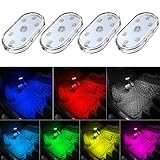
- 7 Colors Car Light: The led interior car lights are built-in 6 RGB LED lamp beads, which can be changed 7 different colors by touching, such as white, red, green, blue, yellow, pink purple, ice blue. The colors are bright and vivid, but not dazzling.Attention: Please charge before use.
- Touch Switch Design: Our led lights for car interior features touch control, one-key perspective lighting. Long touch to turn on/off, touch once to change the colors.
- Easy to Use: Stick the the iron plate in one place with double-sided tape, then put the light on it to complete the installation and fixation. Due to magnetic design, quickly install and remove, you also can attach the interior car lights to other metals.
- Portable & USB Rechargeable: Compact size, easy to carry, does not take up space. The wireless car led lights interior is charged by the USB cable, only need takes 40 minutes to fully charge the lights at a time, and keep lighting for about 2 hours.
- Wide Application: LED touch lights can be installed in dark places, such as storage boxes, armrest boxes, seat corners, etc. It's also suitable for bedside lights, wardrobe lights, reading lights, backpack lights, place it anywhere in the room, any dark place can be illuminated by it.
Depending on the situation, clinicians may obtain blood and urine cultures, chest imaging, viral testing, and other studies; start antimicrobial treatment when infection is suspected; and reassess repeatedly as results return. They also watch for immune effector cell-associated neurotoxicity syndrome (ICANS), which can cause language difficulty, confusion, seizures, or reduced alertness and may require a different treatment approach. Treating CRS does not eliminate the need to investigate infection or neurologic toxicity.
What should patients do at home after CAR-T?
Follow the written plan from the CAR-T center exactly. Keep the emergency number available, arrange a responsible caregiver if required, and remain within the specified travel distance of the treatment facility during the monitoring period.
Recommended Free Tools
- Check temperature and other measurements only as instructed by the care team; do not delay a call because a home reading appears normal.
- Call the CAR-T team immediately for fever, chills, dizziness, fainting, breathing difficulty, new confusion, severe weakness, or any rapidly worsening symptom.
- If the team cannot be reached promptly and symptoms are severe, use emergency services and tell responders that the patient recently received CAR-T therapy.
- Bring the treatment card, medication list, and discharge instructions to any emergency visit.
- Do not start, stop, or repeat acetaminophen, steroids, antibiotics, or other prescription medicines without the team’s direction. Fever can be masked, and medication choices can affect grading and diagnosis.
How long does CRS last and what happens after treatment?
Duration varies. Some cases improve after supportive care or a dose of tocilizumab; others require repeated treatment, corticosteroids, or prolonged monitoring. Resolution is judged by stable blood pressure without escalating support, improving oxygenation, controlled temperature, and recovering organ function—not by fever alone.
After apparent improvement, clinicians continue observation because symptoms can recur or another complication can emerge. Follow-up may include repeat blood tests, medication adjustments, and screening for delayed neurologic or infectious problems. The discharge timeline is individualized and should not be inferred from another patient’s experience.
Also popular on Amazon

- Creative DIY Mode: Choose from 16 million available colors or customize car led light effects to your liking in DIY mode via Govee Home app. Make your car stand out in unique style with creative freedom and outdoor decorations.
- Dynamic Music Mode: Built-in mic helps interior car lights sync with any music type. Liven up your road trips, weekend getaways or evening commute with colors that dance vibrantly to your favorite songs.
- Smart App Control: Manage the colors and brightness of car lights or choose music mode by one simple tap with Govee Home app. Enjoy a comfortable and vibrant driving experience with convenient control.
- 2 Lines Design: 2 lines design connect the 4 car led strip lights, attaching the inside car lights easily to any car model without worrying about exposed wiring or an untidy look.
- Simple Installation: Before you install, make sure the installation surface is clean and dry. Then attach the led lights for car to your vehicle with adhesive and support clips. Rubber tubing outside protects lights from water spills.
Is CRS preventable?
There is no single prevention method that eliminates CRS risk for every CAR-T product. Treatment centers reduce danger through patient selection, lymphodepleting chemotherapy and infusion protocols, early monitoring, and rapid access to tocilizumab, corticosteroids, oxygen, fluids, vasopressors, and intensive care when indicated.
Risk estimates depend on the product, disease, tumor burden, dose, and study population. Ask the treating team for the product-specific risk information and the center’s emergency plan rather than relying on a general percentage found online.
What’s actually slowing this PC down?
Pick the symptom - the matching free tool is one click away.
Key takeaways for families
- CRS is an inflammatory reaction after CAR-T infusion that can range from fever to life-threatening shock or respiratory failure.
- A temperature of 38 °C or higher is the ASTCT starting point for CRS grading, but hypotension, hypoxia, and organ effects determine severity.
- Fever may disappear after treatment, so a normal temperature does not necessarily mean the danger has passed.
- Tocilizumab, corticosteroids, supportive care, and intensive-care treatment are used according to severity and the specific product label.
- Infection and CRS can coexist; clinicians evaluate both rather than assuming every fever is immune-related.
- Daily monitoring for at least seven days and staying near a healthcare facility for at least two weeks are described in the YESCARTA, TECARTUS, and CARVYKTI labeling; follow the plan for the product received.
Frequently Asked Questions
Can CRS occur without a fever after CAR-T treatment?
Yes. Fever can be suppressed by antipyretics, tocilizumab, or corticosteroids, and it may no longer be present while low blood pressure, low oxygen, or organ problems continue. Any new breathing difficulty, faintness, confusion, or rapid deterioration requires immediate contact with the CAR-T team.
Is tocilizumab given to everyone who develops CRS?
No. Clinicians use the patient’s CRS grade, response, blood-pressure and oxygen needs, and the CAR-T product’s current label to decide whether and when to give it. Some patients need supportive care alone, while others need repeat treatment, corticosteroids, or intensive-care support.
Why might doctors give antibiotics when they think CRS is happening?
CRS can resemble sepsis, and the two conditions can occur together. When infection is plausible, clinicians may obtain cultures and start antimicrobial treatment while continuing CRS-directed care; results and the patient’s response guide later decisions.
What information should I bring if I go to an emergency department after CAR-T?
Bring the CAR-T treatment card or infusion documentation, the product name and infusion date, the medication list, allergies, and the treatment center’s contact number. Tell emergency staff immediately that the patient received CAR-T therapy so they can coordinate with the specialist team.

