Some links on this page are affiliate links: if you buy through them we may earn a commission, at no extra cost to you.
Apple has released iOS 26.1 beta 4 for iPhone, and the update is also showing up for the public beta track. If you’re part of either program, the new build is the kind of incremental release where fixes land alongside under-the-hood changes.
Beta updates can be great for testing and early access, but they can also introduce bugs—especially around battery life, connectivity, and app compatibility. This guide walks you through safe installation, verification, and what to do if something goes wrong.
As an Amazon Associate I earn from qualifying purchases.
Quick wins for a faster PC:
Clear out junk files and repair common Windows errorsFree Scan →Fix the driver behind crashes, sound loss and screen glitchesFind Drivers →Repair Windows errors before they cause bigger problemsFix Now →Update note: Apple’s beta availability and build numbers can vary by enrollment type (Developer vs Public). The steps below focus on the reliable path inside iOS plus the checks that confirm you’re on the intended beta.
What Apple’s iOS 26.1 beta 4 release means
When Apple bumps from one beta to the next (beta 3 to beta 4, for example), it’s usually shipping targeted fixes, compatibility improvements, and stability work rather than huge feature overhauls. Still, even “point” beta releases can affect apps, notifications, cellular performance, or battery behavior.
Popular on Amazon
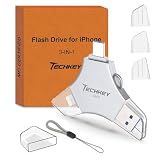
- MFi Certified Multi-function Flash Drive: This flash drive is MFi certified, high quality and excellent performance, allowing you to store your data more securely without worrying about data loss. Made of high quality metal material and advanced chip technology, it has excellent dustproof, drop-proof and anti-magnetic performance. The flash drive has a 256GB capacity, easily free up space on your device
- 256GB 3-in-1 Lightweight and Compact Memory Stick: The flash drive has USB/Lightning/Type C interfaces for USB/Usb C pcie port card compatible with iOS devices with iOS12.1 and above / OTG Android phones / PC with Win7 and above / MAC devices with MAC10.6 and above, convenient for data transfer between different devices. It is also lightweight and compact, easy to carry around and keep your data at your fingertips. Accompanied by a uniquely designed keychain, the product is more convenient for you to carry
- One Click Backup and One Click Sharing: You can easily backup photos, videos, and phonebook to your phone with just one click via the APP, freeing up space on your mobile device without using a data cable or iCloud. You can also share photos/videos/files from the flash drive directly to social media (Facebook, etc.) for easy sharing with family and friends. (Tips: iOS devices need to download the "U-Disk" APP when using flash drive; Android and PC devices do not need to download APP)
- Automatic Storage and On-the-Go Playback: All photos and videos captured by the in-app camera are automatically saved to U-Disk albums in real time and stored in a folder for easy editing and searching. Store your favorite movies and music on the flash drive, you can enjoy the stored movies or music anytime and anywhere when you are traveling or on a business trip
- High Speed Transfer and Data Encryption: This flash drive has high read/write speed, so you can enjoy the convenience of fast backup and save time. The flash drive uses stable APP software, you can choose to turn on Touch ID/Passcode to encrypt the whole flash drive, or you can choose to encrypt specific files to protect your data, so you can enjoy a more convenient and secure file storage experience
Because you’re likely installing this on a daily-driver iPhone, treat the update like a test build: confirm you can restore, keep your important data backed up, and expect at least some change in performance characteristics.
Before you install: prerequisites and what to check
1) Confirm your iPhone model supports the beta
Not every iPhone is supported for every iOS train. Check Apple’s eligibility list in the beta program pages or in the beta enrollment screen (Developer or Public).
2) Back up before updating
Use iCloud Backup or a Finder/iTunes backup (depending on your macOS version) so you have a recovery point if you need to roll back later.
- Best for most people: iCloud Backup
- Best for maximum control: Finder backup on macOS or encrypted backup in iTunes on Windows
For iCloud Backup, go to Settings > [your name] > iCloud > iCloud Backup and ensure it’s enabled.
3) Make space for the download and install
Beta updates can require more temporary free space than you’d expect. If your iPhone is near full, the update can fail mid-download or during installation.
- Try to keep at least several GB free (more is safer).
- Free space by removing large unused videos, apps, or cached content.
4) Use power and a stable network
Connect to Wi‑Fi and plug into power. iOS installs can pause and resume, but interruptions increase failure odds.
The Tool Desk
Outbyte PC Repair FREERepair Windows errors before they cause bigger problemsFix Now →Outbyte Driver Updater FREEFix the driver behind crashes, sound loss and screen glitchesFind Drivers →How to install iOS 26.1 beta 4 on iPhone (Public beta)
If you’re enrolled in the iOS Public Beta, beta 4 should appear in Settings as soon as your device gets the build.
- Open Settings on your iPhone.
- Tap General.
- Tap Software Update.
- If an update is available, tap Download and Install.
- When prompted, enter your passcode.
- Accept terms if Apple shows beta-specific prompts.
- Keep the iPhone connected to power until the update finishes rebooting.
If you don’t see iOS 26.1 beta 4 under Software Update, ensure your device is actually enrolled in the Public Beta profile and that you’re signed into the correct Apple ID.
How to install iOS 26.1 beta 4 on iPhone (Developer beta)
If you’re enrolled via the Apple Developer program, installation is similar, but you must have the Developer beta configuration profile installed.
- Go to Settings.
- Tap General > VPN & Device Management (or Profiles on some iOS builds).
- Confirm the iOS Developer beta profile is installed and active.
- Return to Settings > General > Software Update.
- Select the iOS 26.1 beta 4 update if it appears.
- Tap Download and Install, then follow the on-screen steps.
- Leave the phone on power during the install and reboot.
If you’re enrolled but the build doesn’t show up, check the profile status and ensure you’re using Wi‑Fi. Sometimes a restart helps iOS re-check update availability.
What’s actually slowing this PC down?
Pick the symptom - the matching free tool is one click away.
Also popular on Amazon

- Capacity Display Variance: 1TB external ssd often appears as around 931GB on Windows. MacOS can show full 1 TB capacity. This is binary calculation difference and doesn’t affect SSD hard drive actual physical storage
- 1050 MB/s Speed: Instantly access to your files with blazing-fast 10Gbps external SSD read up to 1050MB/s and write up to 1000MB/s. LED Light indicates USB SSD instant activity
- Data Security: Solid state drives S.M.A.R.T. health diagnostics and adaptive TRIM optimizing data block management ensures consistent write speeds and extends the longevity of the portable SSD
- USB-C & USB-A Cable: Both cables featuring rapid USB 3.2 Gen2, this USB SSD effortlessly bridges devices, enabling seamless cross-platform file transfers and backup between computers, smartphones, tablets and iPhone
- Always Fast: No slowdowns for large file transfers. With SLC caching (25% of current available capacity allocated as high-speed cache), this external SSD delivers steady 10Gbps for transfers within the cache capacity
How to confirm you installed the right beta
After the update, verify the device is actually on iOS 26.1 beta 4, not just “iOS 26.1.” Beta builds typically show a build number.
- Open Settings.
- Go to General > About.
- Look for the Version and Build identifiers.
- Compare the build identifier to what Apple lists in the Developer/Public beta release info (where Apple publishes the build numbers).
On the beta tracks, also check that notifications, cellular behavior, and key apps (banking, email, messaging) work normally after reboot.
What to expect from a beta update
Even when the user-facing changes are minimal, betas can still affect system frameworks. Typical areas that move around include Wi‑Fi stability, Bluetooth behavior, keyboard responsiveness, and background app refresh.
Plan for a short “post-install” adjustment window: give the system a few minutes to finish indexing and background tasks. Then test the things you rely on most.
Recommended Free Tools
Troubleshooting: what to try when the update fails
If Software Update won’t download
- Switch networks (Wi‑Fi to another Wi‑Fi or temporarily to cellular if allowed).
- Restart the iPhone, then try Settings > General > Software Update again.
- Verify you have enough free storage for the download.
If installation stops with an error
Common causes include insufficient space, unstable connectivity, or interrupted power.
- Plug into power and keep the device still.
- Free up additional space and reattempt download.
- Retry at a different time window when Apple’s servers may be less busy.
If the iPhone is stuck on the Apple logo
Wait a bit—first boots after a major beta install can take longer than usual. If it doesn’t recover, you may need to use recovery mode and restore.
See the recovery section below for the safest approach.
If apps misbehave after updating
- Update apps from the App Store.
- Restart the iPhone.
- Check for permissions changes in Settings (Location, Notifications, Bluetooth).
- If a specific app is failing repeatedly, report it via the beta feedback process.
Downgrade and recovery options if iOS 26.1 beta 4 is a problem
Betas aren’t meant to be perfect. If you discover a blocking bug, you have two realistic paths: keep using iOS 26.1 beta until a subsequent beta fixes it, or restore to the latest stable iOS build.
Choose based on how severe the problem is—boot failures or persistent data issues usually mean restoring.
Recovery via Finder on macOS or iTunes on Windows
- Put the iPhone into recovery mode (the exact button sequence depends on the iPhone model).
- Connect to a Mac or Windows PC.
- Use Finder (macOS) or iTunes (Windows) to Restore to the latest stable iOS.
Restoring wipes the device unless you plan carefully with backups and the restore process. If you’re unsure, do a backup step first whenever the iPhone is still booting normally.
Also popular on Amazon

- Made For iPhone Certified. Compatible with iPhone 15 or newer (USB-C) and iPhone 14 or older models (Lightning)(2). When connected via USB-C, works with SANDISK Memory Zone app or Apple iOS Files app—automatic backup requires SANDISK app(3). Lightning connection requires the SANDISK app for copy and backup functions(3).
- SANDISK Memory Zone App Required. Download the app(3) from the App Store and update firmware if prompted to optimize your file management experience or jump to the iOS Files app from the home screen.
- Free Up Space. Seamlessly transfer files to your SanDisk Phone Drive, then easily delete them from your phone to reclaim valuable storage(3).
- Smarter Backups. Choose manual or automatic backup within the SANDISK Memory Zone app with real-time progress tracking, background multitasking, and partial backup support when storage is limited(3).
- Reliable Transfers. Move content between your USB-C or Lightning iPhone, iPad Pro, Mac, and other compatible devices(2).
If you have an iCloud backup
After restoring to stable iOS, you can sign back into iCloud and restore your apps and settings. Confirm key data (messages, photos, authenticator apps) is present.
Independent reader supportYour contribution helps us test, update, and keep practical guides available for everyone.Security and privacy considerations for iOS betas
Even though iOS betas go through Apple’s internal testing pipeline, remember they’re pre-release software. Avoid installing betas on phones containing sensitive information unless you’re comfortable with potential bugs.
Outdated Drivers Are Slowing You Down
One free scan finds every outdated or missing driver and matches the right update for your exact hardware.Free scan · exact hardware matchWindows Errors? Fix Them Before They Spread
Repair common Windows errors and clear accumulated junk for a smoother, more stable PC - no reinstall needed.Free scan · no reinstall- Keep your passcode and Face ID settings active.
- Review Settings > Privacy & Security after updating.
- Use trusted networks when the device first reconnects after the install.
Common mistakes to avoid
- Skipping the backup: If you can’t afford downtime, back up first.
- Updating on low battery: Always plug in during install.
- Not checking enrollment: If you’re on the wrong beta track, you may not see the expected build.
- Assuming build numbers don’t matter: They do—verify in Settings > General > About.
- Expecting no side effects: Betas can impact performance and app behavior.
iOS 26.1 beta 4 vs the latest stable iOS: which should you run?
Run the beta if you want early fixes, can tolerate occasional bugs, and can recover if needed. Stay on stable if you need maximum reliability for work, travel, or mission-critical apps.
| Factor | iOS 26.1 beta 4 | Latest stable iOS |
|---|---|---|
| Reliability | Lower than stable; bugs are possible | Higher; fewer surprises |
| Early changes | Yes, including under-the-hood fixes | Only after Apple finalizes releases |
| Recovery effort | Restore may be needed if issues are severe | Less likely to require restore |
| Best for | Testers and beta participants | Everyone who needs consistency |
FAQs
Do I have to install iOS 26.1 beta 4 to keep my Public beta status?
No. If you don’t want the beta build, you can remain on your current version. Your iPhone will just keep waiting for future updates in Settings when enrolled.
What if I’m on the beta but don’t see beta 4 in Software Update?
Check your beta profile (Developer or Public) under Settings > General > VPN & Device Management, confirm you have a working network, and ensure there’s enough free storage. A restart can also force a re-check.
Can I use Apple Pay and my banking apps on an iOS beta?
Many people do, but compatibility isn’t guaranteed. If a banking or security app breaks, update the app first, then check permissions. If it still fails, consider moving back to stable iOS.
Will iCloud backups work during the beta?
They usually do, but backup reliability depends on connectivity, storage, and Apple services. Verify that Settings > [your name] > iCloud > iCloud Backup shows a successful recent backup.
Bottom Line
iOS 26.1 beta 4 for iPhone (including the Public beta update) is a normal part of Apple’s release cycle: you get incremental fixes and changes, but you should install with backup and recovery in mind. If you rely on your iPhone daily, be prepared to troubleshoot and restore if something breaks.
If you’re ready, the safest path is straightforward: confirm enrollment, free up storage, back up, update from Settings > General > Software Update, then verify your build number in Settings > General > About.

