Free tools Windows power users keep installed
One-click scans. No signup required.
Few or no matches can come down to your profile, the size of the pool your settings allow, or how a dating app recommends profiles. You can’t identify the cause from match count alone, and no photo or prompt edit guarantees a change. Start with clear, current photos and specific profile details, then check your filters and give any changes time.
Are your photos showing you clearly?
Review the first image and the rest of your photo set. Choose current pictures in which you are easy to recognize, and use more than one setting or activity to give people a fuller sense of you. If you have a photo that naturally shows an interest, include it; avoid making every image look like the same posed portrait.


As an Amazon Associate I earn from qualifying purchases.
Bumble recommends six varied photos, with newer images near the top. The company says its data scientists found profiles with six photos were nearly twice as likely to get likes as profiles with three. That is Bumble-reported platform data, not an independent controlled estimate, and it does not establish that adding photos will cause the same result for every user or on another app. Read Bumble’s photo guidance.
Hinge’s July 2026 help page says its research associates interests, candid images, smiles, sports, friends, and pets with more likes, while listing mirror or bathroom selfies, posed shots, filters, beach photos, sunglasses, and pictures with a potential partner among examples associated with fewer. Treat these as Hinge’s guidance, not universal rules: a photo should represent you accurately, and a particular style is not guaranteed to help or hurt. See Hinge’s current advice for getting matches.
#1 Best Overall
Do your prompts give someone something to say?
Replace broad claims or a generic list of traits with a few details that could start a conversation: a specific activity you enjoy, a place you want to visit, or a preference someone can ask you about. Keep it true to you rather than writing what you think an algorithm or an imagined audience wants to hear.
Hinge says fun prompt answers that reveal something personal are more likely to engage like-minded daters. Its advice is platform guidance, not a promise of more matches. Tinder also says it considers interests and lifestyle descriptions in recommendations, but that explanation applies to Tinder rather than every dating app.
Could your settings be shrinking the pool?
Check distance, age, and other discovery preferences. Filters that are unusually narrow may leave fewer profiles available to you and fewer people eligible to see you. If you use Hinge, its help page suggests enabling “Show profiles outside of this preference” to broaden discovery. Availability and labels can differ by app, so check the settings in the service you use.
Does activity or a new account affect what you see?
Recommendation systems are not identical across services. Tinder’s September 2026 explanation says its system prioritizes active users, particularly when they are active at overlapping times, and considers proximity, interests and lifestyle descriptions, anonymized photo cues, and likes or nopes. Tinder says it no longer relies on Elo. This is Tinder’s description of Tinder; it should not be assumed to describe Bumble, Hinge, or all dating apps. Read Tinder’s explanation of its matching system.
Rank #3
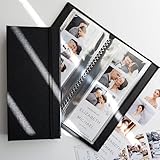
- PERFECT FIT FOR PHOTO BOOTH STRIPS - Designed for 2x6 photo booth prints, the standard size used in wedding and party booths.
- SIDE-LOADING POCKETS - Easier to use than top-loading albums - simply slide photos in from the side.
- HOLDS 40 PHOTOS - 20 pages with double-sided clear slots to display and protect up to 32 prints.
- CLEAR PROTECTIVE PAGES - Keeps pictures bright and visible while shielding them from fingerprints, dust, and bending.
- WOVEN FABRIC HARD COVER WITH ELASTIC BAND - Sturdy textile cover with a subtle large-weave texture and secure band closure for elegance and protection.
You do not need to use an app compulsively. If you want to test whether timing matters, use it when you are available to respond, then assess over a reasonable period. Hinge advises new users to give its system time and consider widening preferences; a new profile may not produce a useful read on its performance immediately.
How to test changes without guessing
- Check the basics: confirm your profile is complete, your photos are current and clear, and your discovery settings are not more restrictive than you intend.
- Make one or two edits: for example, replace an unclear opening photo and rewrite one generic prompt with a specific detail.
- Leave the profile stable for a while: changing many things at once makes it difficult to tell what, if anything, affected responses. This is a practical way to assess your profile, not a result established by the platform sources.
- Review what happened: consider whether you received more relevant interactions, not only whether the total rose. If nothing changes, revisit the pool and profile rather than assuming a single photo or prompt is the answer.
What the apps say—and what that does not prove
| App | Profile guidance | What it says about visibility or recommendations |
|---|---|---|
| Bumble | Recommends six varied photos, interests, and newer images near the top; the nearly 2x comparison is Bumble-reported data. | Not covered in the cited photo article. |
| Hinge | Offers examples of photo types associated with more or fewer likes and recommends personal, engaging prompt answers. | Advises new users to allow time and suggests widening preferences; Boost and HingeX are paid visibility options. |
| Tinder | Does not provide the same prescriptive photo checklist in the cited explanation; says photo cues can inform recommendations. | Describes activity, overlapping activity, proximity, interests, lifestyle descriptions, photo cues, and likes or nopes as inputs. |
This comparison summarizes what each named service says in the cited material. It is not a controlled comparison of which app or profile strategy produces the most matches. Platform explanations also cannot diagnose why one particular person is getting few matches.
Should you pay for more visibility?
Hinge says Boost and HingeX offer paid visibility. They are optional products, not a guaranteed fix for a profile, narrow preferences, or an individual match rate. Consider them only if you understand what the feature offers and are comfortable paying for it; improving the profile and checking discovery settings are free steps to try first.
Outdated Drivers Are Slowing You Down
One free scan finds every outdated or missing driver and matches the right update for your exact hardware.Free scan · exact hardware matchPC Slower Than It Used to Be?
A free scan shows the junk files, broken settings and background clutter dragging Windows down - then fixes them in one click.Free scan · Windows 10 & 11Low match volume is not a measure of your worth
Match counts reflect an app’s pool, settings, activity patterns, and other factors as well as profile content. The cited platform pages provide general recommendations and system descriptions, not a diagnosis of any individual’s experience. Make honest, manageable changes, and do not treat the response as a verdict on your value.
Quick Recap
Product prices and availability are accurate as of the date/time indicated and are subject to change. Any price and availability information displayed on Amazon at the time of purchase will apply.




