If you have COVID-19 symptoms, test now. If you were exposed but feel well, wait five full days after exposure before testing. A negative at-home antigen test may miss an early infection, so repeat it at the right interval. If you test positive, reduce contact with others, follow current stay-home guidance, and contact a clinician promptly if you may be at higher risk for severe illness.
This article summarizes U.S. CDC and FDA public guidance available October 4, 2026. Recommendations and local requirements can differ and may change.
As an Amazon Associate I earn from qualifying purchases.
When should I test for COVID after exposure or symptoms?
If you have symptoms
Test as soon as symptoms begin. Use an at-home COVID-19 antigen test according to its instructions, or seek a molecular test such as a NAAT (which includes PCR). A rapid antigen test typically returns a result in 15–30 minutes, while a NAAT is more likely to detect the virus. A single NAAT may be an alternative to repeating antigen tests. CDC testing guidance
Recommended Free Tools
If you were exposed but have no symptoms
Wait at least five full days after the exposure before taking an antigen test. Testing earlier can miss an infection: FDA says antigen tests may take two to five days after exposure, and sometimes longer, to detect it. If symptoms appear before the five days have passed, test then rather than waiting. CDC testing guidance FDA guidance on at-home antigen test results
#1 Best Overall

- FDA Authorized 15-Minute Self-Test: The test is a 15-minute self-test to detect whether or not an individual has COVID-19. The test can be completed in the comfort of your own home without the need to ship your sample to a lab.
- Easy to Use with Zero Discomfort: Test can be done by inserting 1/2 to 3/4 inch of a simple non-invasive nasal swab. Step-by-step instructional videos are available in our app (Installation of app is optional).
- For Ages 2 and Above : The self-administered test is recommended for individuals aged 15 years and older. Adult-collection is required for testing children 2-14 years old.
- Manage Group Testing Via Mobile App: The iHealth Test app allows the administrator of a small group to monitor and track the group members’ test results as needed at school, work or an event.
- Independently-sealed packaging ensures safe and hygienic testing. The swabs and test cards of iHealth COVID-19 Antigen Rapid Test are sealed and independently packaged to ensure the safety and hygiene of the product.
What does a negative COVID test mean?
A negative result means the test did not detect the virus in that sample; it does not rule out COVID-19. Antigen tests can be negative early in an infection, and they cannot tell whether you are contagious.
- With symptoms: If an antigen test is negative, repeat it 48 hours later. FDA recommends at least two tests in total for people with symptoms.
- Without symptoms after exposure: If the first antigen test is negative, repeat at 48-hour intervals until you have taken three tests in total over five days.
Follow the test manufacturer’s instructions and check that your at-home test is FDA-authorized. If repeat antigen tests are negative but you remain concerned or feel unwell, ask a healthcare professional whether a NAAT or evaluation for flu, RSV, or another illness is appropriate. FDA guidance on at-home antigen test results CDC testing guidance
Rank #2

- # 1 At-Home COVID Test Supplier: Trusted by millions of families, with over 1 billion tests delivered nationwide through the federal government’s free COVID-19 test program during pandemic.
- FDA 510(k) Cleared 15-Minute Self-Test: The test is FDA 510(k) cleared and can be used as a 15-minute self-test to detect whether or not an individual has COVID-19. The test can be completed in the comfort of your own home without the need to ship your sample to a lab.
- Detects Multiple COVID-19 Variants: The test is designed to detect multiple COVID-19 variants, helping you stay informed even as the virus evolves.
- Easy to Use with Minimal Discomfort: The test can be done by inserting 1/2 to 3/4 inch of a simple non-invasive nasal swab. Step-by-step instructional videos are available in our app (Installation of the app is optional).
- For Ages 2 and Above: The self-administered test is recommended for individuals aged 15 years and older. Adult-collection is required for testing children 2-14 years old.
How should I interpret a positive result?
A positive result means the virus was detected and you have, or are likely to have, an infection. CDC says positive self-test results are highly reliable. Take steps to avoid exposing others, monitor how you feel, and let recent close contacts know they may have been exposed. CDC testing guidance
Free tools Windows power users keep installed
One-click scans. No signup required.
If you tested positive recently, a new result can be difficult to interpret. Some tests—especially NAATs—can remain positive for up to 90 days, though reinfection can also happen during that period. For possible new symptoms or exposure in those 90 days, follow CDC’s timing and symptom guidance and consider asking a healthcare professional which test is suitable.
Rank #3
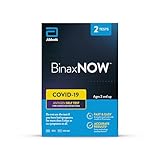
- #1 COVID-19 SELF TEST IN THE USA: Made with the same reliable technology used by doctors. Detects multiple COVID-19 variants, including Delta and Omicron*
- FAST RESULTS: At home test with results for you or your family in 15 minutes; no need for a prescription or sending to a lab
- TRUSTED TECHNOLOGY: Identical to the test used by professionals; intended for personal use with self-reported results and has Emergency Use Authorization from the FDA
- CONVENIENTLY TEST AT HOME: 2 nasal swab tests are included to detect active infection, with or without symptoms
- FSA/HSA ELIGIBLE: Test may be reimbursed, depending on coverage; contact your health insurance company to learn more
How long should I stay home if I have COVID?
CDC’s current general respiratory-virus guidance, dated August 18, 2025, advises staying home and away from others while sick until both conditions have been true for at least 24 hours: your symptoms are improving overall, and you have had no fever without using fever-reducing medicine. This applies when symptoms are not better explained by another cause. CDC guidance on preventing spread of respiratory viruses when sick
When you resume normal activities
For the next five days, take added precautions around other people. Options include wearing a well-fitted mask, improving ventilation or spending time in cleaner air, practicing good hygiene, keeping distance, and testing when you will be around others. These steps can reduce risk but do not guarantee that you will not spread the virus.
Rank #4
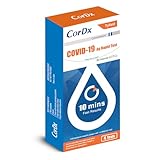
- Fast Results in 10 Minutes – Get reliable Covid-19 test results in as little as 10 minutes, perfect for quick checks before gatherings or travel.
- Easy to Use, No Lab Needed – Simple step-by-step instructions allow you to self-administer the test at home with no need for professional assistance.
- Detects All Major Variants – Effectively identifies all known Covid-19 variants, giving you confidence in the test’s ability to track evolving strains.
- Compact and Travel-Friendly – Conveniently sized for travel, this kit allows you to test anywhere, giving you the flexibility to stay safe on the go.
- Only 5 turns per nostril —why bother with 10? Get quick and reliable results with less effort, making testing easier for the whole family, Our Covid-19 test kit for home works for individuals ages 2+.
If symptoms return or worsen
If you develop a fever again or your symptoms worsen, stay home. Start the 24-hour symptom-improvement and fever-free period again before resuming normal activities and the five days of added precautions.
If you never develop symptoms
If you test positive but remain symptom-free, CDC advises taking added precautions for five days. People with weakened immune systems may remain infectious longer, so general timelines may not fit everyone. Healthcare settings follow separate guidance. CDC guidance on preventing spread of respiratory viruses when sick
Best Value
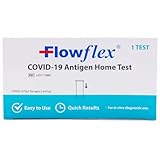
- RAPID RESULTS: Determine your family’s health status with the Flowflex COVID-19 antigen home test; results appear quickly, giving peace of mind in just 15 minutes; reliable at detecting multiple COVID-19 variants
- CLINICAL PERFORMANCE: Engineered with the same high standards and sensitivity as tests used by doctors; no need for a prescription or sending to a lab
- SAFE for KIDS AND ADULTS: This COVID-19 test is approved for self-testing by individuals 14 and older, and is suitable for children ages 2 and up when administered by an adult
- EASY TO USE: Kit contains all the components needed to test (non-invasive nasal swab, extraction buffer tube, test cassette) with step-by-step, clear instructions in English and Spanish
- 2-YEAR SHELF LIFE: With a 24-month expiration date, this trusted brand stays fresh and ready when you need it most; compact box is approved for use in home health kits and travel
When should I ask about COVID treatment?
Contact a healthcare provider promptly if you test positive or develop symptoms and may be at higher risk for severe illness—even if symptoms are mild. Risk is higher for older adults, particularly those 75 and older, people who are not up to date on vaccination, and people with certain conditions such as chronic lung disease, heart disease, or weakened immunity. A positive test is not required to begin an assessment for treatment. CDC guidance on COVID-19 treatment
CDC’s treatment guidance, updated February 5, 2026, lists prescription antivirals that must be started within a short window after symptoms begin. A clinician must assess eligibility, medication interactions, and individual circumstances.
| Treatment | Who CDC lists | Start within symptom onset |
|---|---|---|
| Nirmatrelvir with ritonavir (Paxlovid) | Adults and children age 12 or older | 5 days |
| Remdesivir (Veklury) | Adults and children | 7 days |
| Molnupiravir (Lagevrio) | Adults | 5 days |
These are clinician-directed prescription treatments, not self-treatment options. Because the treatment window is measured from symptom onset, do not wait for symptoms to become severe before seeking advice. CDC guidance on COVID-19 treatment
Which symptoms require emergency care?
Call 911 or call ahead to a local emergency facility for any of these warning signs:
- Trouble breathing
- Persistent pain or pressure in the chest
- New confusion
- Inability to wake or stay awake
- Pale, gray, or blue lips, nail beds, or skin
This list is not exhaustive. Seek medical help for any severe or concerning symptom. CDC COVID-19 symptoms and emergency warning signs
Quick Recap
Product prices and availability are accurate as of the date/time indicated and are subject to change. Any price and availability information displayed on Amazon at the time of purchase will apply.




