The Tool Desk
Outbyte PC Repair FREERepair Windows errors before they cause bigger problemsFix Now →Outbyte Driver Updater FREEScan for outdated or missing drivers - takes under a minuteDriver Scan →Choose waterproof hiking boots when rain, wet vegetation, snow, or cold conditions are likely to keep your footwear wet from the outside. Choose breathable, non-waterproof footwear for hot or humid weather, dry trails, or routes with frequent full water crossings, where ventilation and quicker drying matter more. Neither construction is best for every hike: match the footwear to the route, conditions, load, and your fit.
How waterproof and breathable hiking footwear differ
Waterproof boots commonly use a waterproof/breathable membrane or liner beneath the outer upper. That barrier helps keep external moisture out, but it also reduces ventilation compared with open mesh and can make footwear feel hotter, particularly in summer. REI notes that the extra layer can also add cost and may be unnecessary for hikers who do not expect wet conditions or winter use (REI’s 2026 tested hiking boot guide).
As an Amazon Associate I earn from qualifying purchases.
Breathable, non-waterproof footwear generally allows more air to move through and tends to dry faster if it gets wet. The trade-off is less protection from rain and wet vegetation. “Waterproof” describes a barrier in the footwear; it does not mean a boot will keep your feet dry if water runs over the cuff or enters during submersion.
Which type fits your hike?
| Conditions or route | Better starting point | Why |
|---|---|---|
| Persistent rain, wet brush, cold rain, or snow | Waterproof boots | A membrane can block moisture coming through the upper. Consider boot height and gaiters if water or snow could enter over the cuff. |
| Hot or humid weather, dry trail, or feet that run hot | Breathable, non-waterproof footwear | More ventilation can reduce heat and sweat buildup. |
| Repeated full stream crossings | Quick-drying footwear or sandals, where conditions allow | Water can enter over the top of a waterproof boot, and the barrier may slow drying afterward. |
| Mixed weather and occasional wet sections | Choose according to the more consequential risk | Decide whether prolonged external wetness or heat and slow drying after a crossing is the bigger concern. |
For a stream crossing, distinguish splashes or shallow wet vegetation from submersion. Waterproof footwear can help with the former, but once water gets inside, its barrier may make it slower to dry than breathable footwear. REI recommends considering quick-drying footwear or sandals for full crossings (REI’s hiking boots versus shoes comparison).
#1 Best Overall

- OMNI-TECH: For prolonged exposure to moderate rain and snow. Multilayered, waterproof, seam-sealed construction that allows the inside to breathe, keeping feet dry and comfortable no matter the conditions.
- TECHLITE: For lightweight impact absorption on varied surfaces. Long-lasting cushioning with high energy return.
- OMNI-GRIP: For multi-terrain traction on rock, dirt, and gravel, in wet/dry conditions. Specially formulated compounds and tread design for cross-terrain stability and grip with strategically blended lug patterns.
- HANDY FEATURES: This adventure-ready hiker features a durable leather and mesh upper, metal hardware, and a cushioned collar for comfort.
- BUILT TO LAST: Columbia’s attention to detail is what sets our footwear apart. Specifying only the highest quality materials, expert stitching, and craftsmanship. This is long-lasting footwear you will enjoy for seasons to come.
Do waterproof hiking boots get too hot for summer?
They can feel hotter than breathable mesh footwear because a waterproof membrane reduces ventilation. That matters most on hot or humid hikes, especially if you tend to sweat heavily or the route is mostly dry. In those conditions, breathable non-waterproof footwear is often the more comfortable starting point. A cool, rainy summer route is different: persistent outside moisture may make waterproofing worth the ventilation trade-off.
Look beyond the membrane: upper material matters
The outer upper affects weight, durability, water resistance, and breathability independently of whether a boot has a waterproof liner. REI describes the main trade-offs this way in its hiking boot selection guide:
Rank #2

- OMNI-TECH: For prolonged exposure to moderate rain and snow. Multilayered, waterproof, seam-sealed construction that allows the inside to breathe, keeping feet dry and comfortable no matter the conditions.
- TECHLITE: For lightweight impact absorption on varied surfaces. Long-lasting cushioning with high energy return.
- OMNI-GRIP: For multi-terrain traction on rock, dirt, and gravel, in wet/dry conditions. Specially formulated compounds and tread design for cross-terrain stability and grip with strategically blended lug patterns.
- HANDY FEATURES: This adventure-ready hiker features a durable leather and mesh upper, metal hardware, and a cushioned collar for comfort.
- BUILT TO LAST: Columbia’s attention to detail is what sets our footwear apart. Specifying only the highest quality materials, expert stitching, and craftsmanship. This is long-lasting footwear you will enjoy for seasons to come.
- Full-grain leather: durable and naturally water resistant, but heavier and less breathable.
- Synthetic and mesh combinations: generally lighter and quicker drying.
- Split-grain leather with mesh: more breathable, but less water resistant without additional protection.
So two boots with the same waterproof label may still differ substantially in weight, ventilation, and how their uppers handle abrasion or wetting. Compare the whole construction, not just the membrane.
Recommended Free Tools
Fit and route demands still decide whether a boot works
Weather is only one part of the choice. REI says hiking footwear depends on the hike’s duration and distance, terrain, and the load you plan to carry (How to Choose Hiking Boots and Hiking Shoes). Support needs and fit matter too. A waterproof boot that does not fit well is not a better choice simply because the forecast is wet; try footwear with the socks you expect to hike in and make sure it feels secure on the terrain you expect to cover.
Rank #3
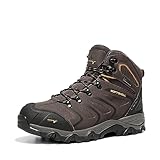
- Comfortableness: NORTIV 8 Men's Waterproof Hiking Boots certainly delivers on all-day comfort! Removable and shock-absorbent cushioned insoles offer the support for your feet.
- Lightweight and Flexible EVA midsoles: reduce foot fatigue. They are designed for long-lasting comfort, superior cushioning, and high energy return.
- Non-slip & Durable: High-quality rubber soles are fully slip-proof and feature advanced traction for firm stability on challenging terrains. No more slipping and falling on wet or muddy surfaces!
- Outdoor Style: Designed for both daily work and outdoor activities like hiking, hunting, camping, climbing, cycling, fishing, running, backpacking, trekking, mountaineering, traveling, and so on.
- What You Get: NORTIV 8 aims at providing high-quality outdoor shoes.
Maintain the water-repellent finish without treating the membrane
A factory-applied durable water repellent (DWR) finish on the outer material wears away over time. A practical sign it may need renewal is that water stops beading and begins consistently soaking into the outer layer. Clean the footwear first, use care products compatible with its leather or fabric-and-leather construction, and follow the boot maker’s instructions. REI advises drying at normal temperature without direct heat; membrane areas need cleaning, not topical treatment (REI’s footwear waterproofing and care guidance).
Care-product names and formulations can change, so check current compatibility with the footwear manufacturer rather than relying on an older product example. A renewed DWR finish helps water bead on the outer material; it is not a replacement for a waterproof membrane.
Quick Recap
Best Value

- Waterproof membrane seals out water and lets moisture escape Pigskin leather and mesh upper 100% recycled laces and webbing Bellows tongue keeps out debris Protective toe cap 100% recycled mesh lining Kinetic Fit ADVANCED removable contoured insole with reinforced heel cushioning for medium support Molded nylon arch shankLightweight EVA foam midsole for stability and comfort Vibram TC5+ rubber sole
- Merrell is focused on merging performance, styling, and comfort to empower all people to confidently explore the outdoors
- Merrell Air Cushion in the heel absorbs shock and adds stability
- We recommend sizing up
- Block Heel & Rubber sole material
Rank #4

- ADVANCED TECHNOLOGY: The Newton Ridge Plus Waterproof Amped Hiking Boot features a seam-sealed construction, combined with our TECHLITE lightweight midsole, for long-lasting comfort with superior cushioning and high energy return.
- DURABLE HIKING BOOT: This women's boot is inspired by classic mountaineering style. A durable mid cut waterproof hiker that provides great traction and comfort. This classic Columbia hiking boot, will deliver reliable and comfortable service.
- ALL TERRAIN TRACTION: Our signature Omni-GRIP non-marking traction rubber outsole provides high grip across a wide variety of terrain, and versatile three season use.
- REINFORCED TOE AND HEEL CONSTRUCTION: Designed for extended years of use, we’ve reinforced the toe and heel barriers, and extended the outsole toe overwrap to guard these key wear points.
- HANDY FEATURES: Treacherous days out on the trail are comfortable and worry-free with this hiking boot's waterproof combination of supportive leather and suede construction.
Product prices and availability are accurate as of the date/time indicated and are subject to change. Any price and availability information displayed on Amazon at the time of purchase will apply.
Free tools Windows power users keep installed
One-click scans. No signup required.




