Crashes, No Sound, or Screen Glitches?
Random freezes, missing sound and display glitches usually trace back to one bad driver. Find and replace yours safely.Free scan · under a minuteWindows Errors? Fix Them Before They Spread
Repair common Windows errors and clear accumulated junk for a smoother, more stable PC - no reinstall needed.Free scan · no reinstall“Update not found” does not automatically mean macOS Big Sur has disappeared. The usual explanations are that your Mac is incompatible with the requested installer, is already running a newer macOS, or cannot obtain that full installer through the method you chose. Check the Mac model and installed version first, then use Apple’s official Big Sur installer, Terminal, Recovery, or a bootable USB route as appropriate.
First, identify the Mac and the macOS version
- Open Apple menu > About This Mac.
- Record the Mac model and year.
- Record the installed macOS version and build number if shown.
Apple’s Big Sur compatibility list should be the authority for the exact model. Big Sur supports many MacBook Pro, MacBook Air, MacBook, iMac, iMac Pro, Mac mini, and Mac Pro models from the 2013–2014 generation onward, plus specified Apple-silicon models, but near-identical model years can differ. Running Catalina does not by itself prove that the Mac can run Big Sur.
| # | Preview | Product | Price | |
|---|---|---|---|---|
| 1 |

|
USB Boot Drive for macOS 8 | Restore & Relive Vintage Macintosh | $18.49 | Buy on Amazon |
| 2 |
|
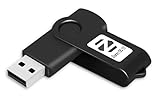
Linux Zorin OS 17 CORE Bootable Live USB Installer PC/Laptop 64-bit | $25.99 | Buy on Amazon |
As an Amazon Associate I earn from qualifying purchases.
If the Mac already runs Big Sur, compare its version with Apple’s currently listed macOS versions. Apple lists macOS Big Sur 11.7.11 as the latest Big Sur release. A Mac on 11.7.11 has no newer Big Sur point update to find.
If the Mac runs Monterey, Ventura, Sonoma, Sequoia, or another later release, Big Sur will not normally appear as a Software Update. Installing Big Sur in that situation is a downgrade or reinstallation, not an ordinary update, and can require erasing the startup disk.
#1 Best Overall
- Preloaded with macOS 8 Installer: Includes the official Mac OS 8 software for installation or restoration.
- Designed for Vintage Macs: Compatible with a wide range of classic Mac models (see compatibility list below).
- Modern USB Solution: Eliminate the need for original disks—easily transfer macOS 8 onto your compatible Macintosh.
- High-Quality USB Drive: Durable, fast, and built for reliable performance.
Understand which message you are seeing
| Message or symptom | What it usually means |
|---|---|
| Your Mac is up to date in Software Update | Software Update found no newer version compatible with this Mac and its current system. It does not promise that every historical macOS release is available. |
| Update not found in Terminal | Apple says the requested full-installer version is not available for that Mac through the service. It is not proof that Apple’s servers are down. |
| The requested version of macOS is not available | The selected installer version is unavailable through that route or for that Mac. |
| This version of macOS is not compatible with this device | The Mac fails Apple’s compatibility check. |
| The App Store Get button is dimmed | The Mac may not meet the requirements, or the App Store link is not being handled correctly. |
| The installer downloads but fails during preparation | Storage, network, disk, installer corruption, or third-party software may be interfering. |
Apple explains the difference between an update within one macOS generation and an upgrade to a new generation in its Software Update guidance. For example, 11.7.10 to 11.7.11 is an update; Big Sur to Monterey is an upgrade.
Check Software Update without assuming a server failure
On Big Sur or earlier
Open Apple menu > System Preferences > Software Update.
On newer macOS versions
Open Apple menu > System Settings > General > Software Update.
Free tools Windows power users keep installed
One-click scans. No signup required.
Software Update only offers releases compatible with the Mac. Before retrying, connect the Mac to power, use a stable internet connection, and make enough free storage available for the full download and installation. Apple’s macOS installation troubleshooting recommends checking internet access, storage, and the Mac’s ability to contact Apple’s update services.
- Try another network if the current connection is unstable or uses a hotel, captive-portal, or heavily filtered Wi-Fi service.
- Temporarily disconnect a VPN or filtering proxy if it blocks Apple services.
- Do not use a fixed “required” storage number as a universal rule; the amount varies by Mac, installer, and available disk space.
Download Big Sur from Apple’s official route
Apple continues to list Big Sur in its older-macOS download instructions for compatible Macs, although availability can vary by model and method. Use Apple’s How to download and install macOS page rather than a third-party installer.
- Open that page in Safari.
- Choose the official macOS Big Sur 11 App Store link.
- Select Get and allow Software Update or the App Store to continue.
- After the download completes, look in Applications for an installer named similar to
Install macOS Big Sur.app.
If the installer opens automatically and you only want to save it, quit the installer; the application should remain in Applications. If no installer appears, verify that the download completed and search the Applications folder.
- A dimmed Get button can indicate incompatibility.
- An unavailable-version message means that version cannot be obtained for the Mac through that route.
- Safari is the preferred browser to try when the App Store link behaves unexpectedly.
Use Terminal’s list-first workflow
The full-installer commands are available on Macs running macOS Catalina 10.15 or later. Open Terminal and first run:
softwareupdate --list-full-installersOnly request a version that this command actually lists. For example:
softwareupdate --fetch-full-installer --full-installer-version 11.7.11Replace 11.7.11 with a version returned on your Mac. If Terminal says “update not found,” Apple’s meaning is that the requested full installer is not available for that Mac through this service. Do not keep guessing version numbers; the list is the eligibility check.
A Mac running an older system than Catalina cannot use these commands. Use Apple’s browser/App Store route, or download the installer on another compatible Mac and create the USB installer described below.
Use Recovery for reinstallation and damaged systems
Recovery is useful when Software Update fails, macOS will not start normally, or the existing installation is damaged. Apple notes that Recovery can reinstall macOS while reducing interference from other software.
Apple-silicon Mac
- Shut down the Mac.
- Press and hold the power button until startup options appear.
- Choose Options, then continue into Recovery.
Intel Mac
- Restart or turn on the Mac.
- Immediately hold Command-R until the Recovery screen appears.
Recovery may reinstall the currently installed or otherwise appropriate compatible macOS; it is not guaranteed to install Big Sur specifically. If Big Sur itself is the required target, use Apple’s full installer or a bootable installer.
Rank #2
- Zorin OS 17 CORE is an alternative to Windows & macOS designed to make your computer faster, more powerful, secure, and privacy-respecting.
- Revive your old PC. Help the environment. Zorin OS works on computers as old as 15 years. Keep using your PC for longer to save money on upgrades and reduce e-waste to help the environment.
- More Speed---Your computer should work as fast as you do. Zorin OS is lightning-fast and stays that way, never slowing down over time. With apps that launch in an instant, you'll have more time to focus on what matters most – getting things done!
- Reliable---With an Ubuntu and Linux foundation, Zorin OS is built on the same Open Source software that powers government, research, and enterprise systems around the world.
- Dual Boot---You can install Zorin OS alongside Windows or macOS to keep your files and apps. You'll be able to choose which OS to use at each boot-up
Try Safe Mode and repair the disk before destructive steps
Safe Mode
If downloading or installing starts but fails, try again in Safe Mode. Apple-silicon Macs use the startup-options process; Intel Macs use the appropriate Safe Mode startup key sequence. Safe Mode can reduce interference from third-party extensions, but it cannot bypass compatibility restrictions.
Disk Utility First Aid
- Start macOS Recovery.
- Open Disk Utility.
- Run First Aid on the startup volume and relevant containers.
- Retry the download from Apple.
If Apple reports that an installer is damaged or cannot be verified, delete that installer, repair the disk, and redownload it from Apple. Do not erase the Mac as an early troubleshooting step; erasure destroys data unless you have a verified backup.
Independent reader supportYour contribution helps us test, update, and keep practical guides available for everyone.Create a bootable Big Sur USB installer
A bootable installer is useful after repeated Software Update failures, when Recovery cannot complete the installation, for multiple compatible Macs, or when the internal system will not boot. Apple says it is not required for an ordinary upgrade or reinstall.
Prepare the drive
- Download the complete
Install macOS Big Sur.appfirst. - Use a USB flash drive or other secondary volume. A 32 GB drive is a practical choice; Apple says it has more than enough capacity for any macOS installer.
- The selected drive will be erased. Copy off anything you need before continuing.
- Rename the volume
MyVolume.
The following command erases the volume named MyVolume. Confirm the name and contents before running it:
sudo /Applications/Install macOS Big Sur.app/Contents/Resources/createinstallmedia --volume /Volumes/MyVolumeEnter the administrator password when prompted and follow the onscreen confirmation.
Start from the USB installer
Apple-silicon Mac
- Shut down the Mac and connect the installer directly.
- Press and hold the power button.
- Select the installer in startup options.
- Choose Continue.
Intel Mac
- Shut down the Mac and connect the installer.
- Turn it on while holding Option/Alt.
- Select the installer and follow the onscreen instructions.
A compatible internet connection may still be needed for firmware and Mac-specific information. A USB installer does not make unsupported hardware compatible; an incompatible installation can fail or leave the Mac unable to start normally.
What to do in less common cases
The Mac is on Monterey or later
Stop trying to make Big Sur appear in Software Update. Treat the task as a downgrade or clean reinstallation: make a complete backup, confirm application and data requirements, and understand that erasing the startup disk may be required.
What’s actually slowing this PC down?
Pick the symptom - the matching free tool is one click away.
The Mac is unsupported
Apple’s installer will not provide a supported Big Sur path. Safer choices are staying on the newest officially supported macOS, using another compatible Mac, or replacing the hardware if required software demands Big Sur. Unofficial patchers involve unsupported hardware, possible missing drivers or features, security uncertainty, and more complicated recovery; they are not an equivalent Apple-supported solution.
A management profile controls updates
On a work or school Mac, device-management policies or an organization’s update server can affect what Software Update offers. Contact the administrator before removing profiles or attempting a reinstall.
Persistent failure on Apple-silicon or T2 Macs
Apple says a rare, persistent installation failure may require a firmware revive or restore. This is an advanced recovery procedure that can require another Mac, suitable cables, and careful adherence to Apple’s instructions.
Is Big Sur still secure?
Apple’s current version page lists Big Sur 11.7.11, and Apple’s security-release list records macOS Big Sur 11.7.11 on February 2, 2026. That entry has no published CVE entries for that update. This does not establish that Big Sur receives the same ongoing support or security coverage as the newest macOS releases, so treat installer availability and security-release listings separately from a claim of full current support.
The Tool Desk
Outbyte Driver Updater FREEScan for outdated or missing drivers - takes under a minuteDriver Scan →Outbyte PC Repair FREEClear out junk files and repair common Windows errorsFree Scan →Quick Recap
Quick decision table
| Situation | Best next step |
|---|---|
| Big Sur is installed below 11.7.11 | Try Software Update, Apple’s Big Sur installer, or Terminal after listing available installers. |
| Big Sur 11.7.11 is installed | There is no newer Big Sur point release listed by Apple. |
| The Mac runs Monterey or newer | Plan a downgrade/reinstallation, not a normal update. |
| Terminal says “update not found” | Run softwareupdate --list-full-installers and request only a listed version. |
| App Store Get is dimmed | Check the exact model against Apple’s compatibility list. |
| The installer is damaged | Delete it, run Disk Utility First Aid from Recovery, and redownload from Apple. |
| Recovery fails | Try Safe Mode, disk repair, or a bootable installer. |
| The Mac is unsupported | Use the newest officially supported macOS or different hardware. |
Product prices and availability are accurate as of the date/time indicated and are subject to change. Any price and availability information displayed on Amazon at the time of purchase will apply.




