Recommended Free Tools
For a first Fire Emblem playthrough, start with Normal/Casual. It lets you learn weapon matchups, terrain, enemy ranges and turn planning without permanently losing characters. Choose Hard/Casual if you already understand strategy games and want more demanding battles, or Hard/Classic if permanent loss and restarting maps are part of the experience you want. Save Maddening or Lunatic for a repeat run or a specific challenge after checking how that individual game implements its highest tier.
The key is to make two separate decisions: how strong and tactically dense the enemies should be, and what happens when one of your units falls. Those settings work together, but they measure different kinds of difficulty.
As an Amazon Associate I earn from qualifying purchases.
The fastest way to choose
| Player situation | Recommended starting point | Why |
|---|---|---|
| New to Fire Emblem and tactical RPGs | Normal/Casual | Teaches the systems while protecting your roster from permanent losses. |
| New to Fire Emblem, experienced with strategy games | Normal/Classic or Hard/Casual | Choose Classic if restarting after deaths sounds satisfying; choose Hard/Casual if you want stronger enemies without roster pressure. |
| Completed one entry or understand the core systems | Hard/Casual | Raises enemy pressure while rewind or recovery tools and a protected roster reduce frustration. |
| Returning for another run | Hard/Classic | Adds meaningful consequences once you know the interface, classes and common map surprises. |
| Series veteran seeking a demanding puzzle | Maddening or Lunatic | These top tiers differ substantially between games and are best approached after checking the specific title’s mechanics and reputation. |
| Story-first or accessibility-focused player | Casual at any available enemy tier | Nintendo presents Casual/Newcomer-style options as a way to enjoy the story with less concern about losing units. |
There is no series-wide “best” setting. A difficulty label is not a universal scale: Maddening in one game is not guaranteed to resemble Lunatic in another.
Difficulty and casualty mode are two different choices
Enemy difficulty controls the battle puzzle
Normal, Hard and the highest tiers primarily change how much pressure the opposing army puts on you. That pressure can appear as stronger enemies, less room for inefficient turns, and a greater need to account for weapon matchups, terrain, enemy ranges, reinforcements and turn order. A higher tier asks you to solve each map more precisely; it does not automatically make permanent character loss part of the game.
#1 Best Overall
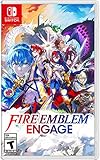
- Reawaken as a Divine Dragon and take down a thousand-year-old threat
- Take on turn-based, tactical combat and use Emblem Rings to customize your strategy
- Collect Emblem Rings and use them to summon heroes from past Fire EmblemTM games
- Fire EmblemTM Engage launches on January 20, 2023 alongside Fire Emblem Engage: Divine Edition featuring a steelbook case and art book
Casual, Classic and related modes control the cost of mistakes
Casual-style modes return fallen allies after a battle or at the next chapter, depending on the title. Classic-style modes make a battlefield death permanent. Newcomer in Awakening and Phoenix Mode in Fates are additional examples of more forgiving rules, but their exact behavior belongs to those games rather than to the series as a whole.
Because the choices are independent, you can combine a demanding enemy tier with a forgiving casualty rule, or a moderate enemy tier with permanent loss. That is why Hard/Casual is often a useful bridge for players who want tactical pressure before committing to ironman-like consequences.
What each casualty mode means in practice
| Mode or rule | What the official descriptions establish | Best fit |
|---|---|---|
| Casual in Engage and Three Houses | Fallen allies return after the battle or for the next chapter, according to the game’s wording. | New players, story-first runs and anyone who wants to learn without rebuilding a roster. |
| Classic in Engage and Three Houses | Units who die on the battlefield are lost permanently. | Players who accept restarting maps and want every positioning mistake to matter. |
| Newcomer in Awakening | Fallen comrades return for the next battle. | Players learning Awakening’s systems or prioritizing uninterrupted story progress. |
| Classic in Awakening | Defeated units are removed permanently. | Experienced players comfortable with the consequences of a bad turn. |
| Phoenix Mode in Fates | Nintendo describes it as a more forgiving option for players less familiar with simulation RPGs. | Players who want the least pressure from unit defeats in Fates. |
Classic is not automatically “more authentic,” and Casual is not a lesser way to play. The right choice depends on whether permanent loss increases your enjoyment or makes you avoid experimenting with the game’s systems.
How to judge your own tolerance for difficulty
Choose Normal/Casual when learning is the priority
Normal/Casual is the lowest-pressure on-ramp for a first entry. You can spend early maps learning which weapons are effective against which defenses, how terrain changes survivability, how far enemies can move, and how to plan a complete turn rather than reacting one attack at a time. A protected roster also lets you try unfamiliar classes and support relationships without fearing that one experiment will remove a character from the campaign.
This setting does not remove the need to plan. You still have to read enemy ranges, protect fragile units and use the tools the game gives you. It simply prevents a single defeat from forcing a restart or permanently changing your available army.
Choose Normal/Classic if consequences motivate you
Normal/Classic suits a player who is new to Fire Emblem but already enjoys restarting a strategy-game scenario after a preventable death. Enemy strength stays moderate, so the main added pressure comes from protecting the roster and deciding when a risky attack is worth taking.
Rank #2

- Reawaken as a Divine Dragon and take down a thousand-year-old threat
- Take on turn-based, tactical combat and use Emblem Rings to customize your strategy
- Collect Emblem Rings and use them to summon heroes from past Fire EmblemTM games
- Fire EmblemTM Engage launches on January 20, 2023 alongside Fire Emblem Engage: Divine Edition featuring a steelbook case and art book
Before selecting it, decide whether you will actually restart a map when a unit dies. If you would continue while feeling resentful about the missing character, Classic may create friction rather than meaningful tension.
Choose Hard/Casual for a protected but demanding run
Hard/Casual separates tactical challenge from permanent loss. Stronger enemies force more careful positioning and resource use, while Casual lets you finish a battle and continue learning even after a mistake. It is a particularly good second-run setting and a sensible first choice for people who already understand turn-based strategy.
Choose Hard/Classic when you want the full risk-and-reward loop
Hard/Classic makes both parts of the game demanding: enemies punish loose plans, and a defeated unit is gone. Expect to restart maps, keep backup plans for critical turns and think about the long-term cost of deploying a vulnerable character. This is a strong veteran default when permanent loss is part of the appeal, not a requirement for proving skill.
Reserve Maddening and Lunatic for deliberate challenge runs
Nintendo describes Lunatic in Awakening as the highest difficulty setting. Other games use names such as Maddening, but the label alone does not tell you how the game reaches that difficulty. One title may rely heavily on enemy statistics, while another may create a puzzle through skills, reinforcements, objectives or limited safe positioning.
Use a top tier when you are willing to look up or learn title-specific systems, accept repeated attempts and treat early failures as information. If you are blind to the maps and mechanics, a high tier can turn discovery into trial and error rather than strategic learning.
The systems that should influence your decision
Enemy stat pressure and tactical density
Ask whether you want to solve a forgiving version of each map or spend more time calculating damage, hit rates, movement and enemy retaliation. Harder settings increase the cost of an inefficient turn. They are most enjoyable when you already know the basic interface and can focus on decisions instead of learning what every menu means.
Rank #3

- Enter the Dagdan Empire—a prosperous land ruled by the gods—and compete in the Heroic Games for the chance to be granted one wish
- Play as four heroes competing in the Heroic Games whose fortunes are tied to the fate of the world
- Prepare for each match of the Heroic Games by exploring Dagda and its capital city of Dagsion
- Learn skills at the training grounds, recruit allies and build bonds of friendship, and explore beyond Dagsion’s walls to gain experience
- Use everything you have at your disposal, including your heroes’ special abilities, to turn the tide of battle
Permanent-loss pressure
Classic changes your relationship with every attack. You may delay a promotion, avoid an uncertain hit or spend a valuable healing item to prevent a death that Casual would erase after the battle. That pressure can make victories memorable, but it can also encourage excessive resets. Choose it only if the possibility of restarting is acceptable.
Rewind tools
Modern entries can soften mistakes without removing the need to plan. In Engage, Nintendo documents the Draconic Time Crystal, which lets you return to a previous point and redo an action. Three Houses has Divine Pulse, but Nintendo warns that its uses are limited per battle. Rewind charges are a safety net, not an invitation to ignore enemy ranges: you can still exhaust the resource, create a worse position several turns later or discover that the original plan was fundamentally unsound.
Grinding, side maps and recovery options
Check the specific game before choosing a top difficulty. The availability of optional battles, side maps, resources and other recovery tools changes how punishing a mistake feels. A mode that is manageable with opportunities to rebuild an army may be far less forgiving when the campaign expects efficient use of a fixed roster.
How much of the map you know
Blind players face uncertainty about reinforcements, objectives and enemy behavior. That uncertainty is a separate burden from raw enemy strength. If you do not want to restart because an unseen event invalidated your plan, use Casual or a forgiving mode for the first run, then raise the challenge after you know the campaign’s surprises.
Game-specific guidance
Fire Emblem Engage
Nintendo says the opening selection affects both enemy strength and what happens when allies are defeated. Engage offers Normal, Hard and Maddening difficulty tiers, plus Casual and Classic casualty rules. In Casual, fallen allies return for the next chapter; in Classic, allies who fall are lost forever. The Draconic Time Crystal lets you return to a previous point and redo an action.
For a first Engage campaign, Normal/Casual is the safest learning route. If you already play tactical games, Hard/Casual gives you a meaningful enemy challenge while preserving your roster. Move to Hard/Classic on a later run when you know how Engage’s maps, objectives and rewind resource interact. Treat Maddening as a specialist or repeat-run choice rather than assuming its label matches another game’s highest setting.
Rank #4

- Reawaken as a Divine Dragon and take down a thousand-year-old threat
- Take on turn-based, tactical combat and use Emblem Rings to customize your strategy
- Collect Emblem Rings and use them to summon heroes from past Fire EmblemTM games
- Fire EmblemTM Engage launches on January 20, 2023 alongside Fire Emblem Engage: Divine Edition featuring a steelbook case and art book
Fire Emblem: Three Houses
Nintendo describes Casual as reviving fallen allies after each battle and Classic as removing those who die on the battlefield permanently. The game also includes Divine Pulse, which can rewind time, although its uses are limited per battle. Nintendo presents Normal/Casual as a way to keep an army alive and Hard/Classic as a way to increase the challenge.
What’s actually slowing this PC down?
Pick the symptom - the matching free tool is one click away.
Normal/Casual is appropriate when you are learning the academy, battle and roster systems at the same time. Hard/Casual is a strong choice for a strategy-game player who wants tougher encounters without losing a student permanently. Hard/Classic works best once you understand your units’ roles and are comfortable restarting a battle when a death cannot be reversed.
Fire Emblem Awakening
Nintendo Support distinguishes Newcomer from Classic: Newcomer returns fallen comrades for the next battle, while Classic removes defeated units permanently. Difficulty is independent of that choice, so you can still select Hard or Lunatic while using the more forgiving rule. Nintendo also cautions that the combat forecast is only an estimate because it does not include possible dodges and critical hits.
That forecast limitation matters when choosing Classic. Even a displayed favorable outcome can turn into a critical hit or a miss, so Classic players should leave safety margins rather than treating the forecast as a guarantee. Newcomer/Normal is a clean introduction; Hard/Newcomer lets you learn Awakening’s combat uncertainty under more demanding enemy pressure.
Fire Emblem Fates
Nintendo’s developer interview describes Normal, Hard and Lunatic difficulties, Classic for a demanding permanent-loss experience, and Phoenix Mode as a more forgiving option for players less familiar with simulation RPGs.
Do these 3 things before closing this tab:
1Fix the driver behind crashes, sound loss and screen glitches2Clear out junk files and repair common Windows errors3Scan for outdated or missing drivers - takes under a minuteIf Fates is your first simulation RPG, use Normal with Phoenix Mode or another forgiving choice offered by your edition. Experienced strategy players can begin with Hard while keeping the forgiving casualty rule, then try Classic after learning the campaign. Treat Lunatic as a separate challenge rather than a direct measure against Maddening or Lunatic in another entry.
Best Value

- 0045496478544
- 10009828
A step-by-step decision process before you start
- Rate your genre experience. If Fire Emblem or tactical RPGs are new, begin at Normal. If you regularly play grid-based strategy games, consider Hard.
- Decide how you will respond to a death. If you want to continue after a unit falls, choose Casual, Newcomer or another forgiving rule. If you will restart until everyone survives, Classic may provide the tension you want.
- Check the exact game’s top tier. Maddening and Lunatic are not standardized. Read the title’s own mode description and learn whether its difficulty is driven by statistics, skills, reinforcements or other mechanics.
- Identify the rewind tool and its limit. Engage’s Draconic Time Crystal and Three Houses’ Divine Pulse can repair a mistake, but you need to know how much control or how many uses the game grants.
- Account for blind-map knowledge. For a first campaign, avoid stacking unfamiliar maps, the highest enemy tier and permanent loss unless discovering the game through repeated restarts is part of your goal.
- Set a restart rule before the first battle. Decide whether an unrecoverable death means restarting the map, accepting the loss or changing modes. A clear rule prevents an emotional decision after a mistake.
How to adjust when the setting is wrong
If Normal/Casual feels too easy
Raise the enemy tier on your next run or, where the game permits it, choose a harder setting while keeping Casual. Do not jump directly to the highest tier just because Normal is comfortable; Hard is usually the better test of whether you want more tactical pressure.
If Hard/Casual feels overwhelming
Use the forgiving casualty rule as intended: finish battles, review why units were exposed and improve your planning. If the enemy pressure remains exhausting, move to Normal rather than adding Classic consequences. The goal is to learn the systems, not to preserve a difficulty label.
If Classic creates constant resets
Switch to Casual on a subsequent run or restart the campaign with a lower-pressure combination. Permanent loss is valuable only when it produces meaningful decisions; if every turn becomes an anxiety check, it is blocking the parts of Fire Emblem you are trying to enjoy.
Free tools Windows power users keep installed
One-click scans. No signup required.
If the highest tier feels like trial and error
Return to Hard, learn the map objectives and common enemy patterns, then attempt the top tier with that knowledge. Nintendo’s descriptions establish the names and broad purpose of these tiers, but they do not make the implementations equivalent across games.
Common mistakes when selecting a mode
- Assuming Classic is the same as a harder enemy setting. Classic changes the consequence of defeat; it does not by itself make enemies stronger.
- Assuming one game’s Maddening or Lunatic predicts another’s. The labels are not a cross-series measurement.
- Treating rewind as unlimited protection. Engage and Three Houses provide rewind tools, but their control and limits still require planning.
- Reading a combat forecast as certainty. Awakening’s Nintendo Support description specifically notes that its forecast does not include possible dodges and critical hits.
- Choosing Classic because it sounds mandatory. Nintendo explicitly presents forgiving modes as ways to enjoy the story and learn the game.
- Ignoring your restart behavior. Classic works only if you are willing to restart or live with a changed roster after a permanent death.
A practical recommendation
For most first-time players, choose Normal/Casual. After you understand the fundamentals, choose Hard/Casual for a stronger tactical test. On a later playthrough, combine Hard/Classic if permanent loss is appealing. Attempt Maddening or Lunatic when you specifically want a title-dependent challenge and are prepared to learn through failed attempts.
Whether you play Fire Emblem Engage for Nintendo Switch, Three Houses, Awakening or Fates, make the decision based on the two axes separately: enemy pressure and the cost of losing a unit. That produces a setting matched to how you actually want to think, experiment and experience the story.
Quick Recap
Product prices and availability are accurate as of the date/time indicated and are subject to change. Any price and availability information displayed on Amazon at the time of purchase will apply.
Quick wins for a faster PC:
Fix the driver behind crashes, sound loss and screen glitchesFind Drivers →Repair Windows errors before they cause bigger problemsFix Now →
