Free tools Windows power users keep installed
One-click scans. No signup required.
Yes, Samsung’s memory-chip business can make phones and other electronics more expensive, but not through a fixed surcharge. Artificial-intelligence servers are competing for the same broad DRAM and NAND manufacturing capacity used in phones, PCs and SSDs. When suppliers shift capacity to higher-value products such as high-bandwidth memory (HBM), conventional memory can become tighter and more expensive. Device makers then choose whether to raise prices, reduce discounts, change specifications, accept lower margins or source from another supplier.
Samsung’s disclosures show the mechanism clearly: memory average selling prices (ASPs) rose during a market upswing, its Memory Business reported record quarterly results in the fourth quarter of 2025, and its 2026 interim report says shortages may persist while suppliers prioritize servers. Those facts indicate pressure on component costs, not a universal percentage increase for every phone.
As an Amazon Associate I earn from qualifying purchases.
Why a chip company’s decisions reach the retail price
Memory is a high-volume component rather than a single finished product. A smartphone normally contains mobile DRAM, usually LPDDR, plus NAND flash storage. A PC combines DRAM modules with an SSD, while a cloud server may use large quantities of server DDR5, HBM attached to an accelerator and enterprise SSDs. These products use different designs and packaging, but they draw on overlapping semiconductor manufacturing resources, materials and supplier capacity.
The Tool Desk
Outbyte Driver Updater FREEScan for outdated or missing drivers - takes under a minuteDriver Scan →Outbyte PC Repair FREEClear out junk files and repair common Windows errorsFree Scan →Samsung is one of the largest DRAM suppliers. In its 2026 report, the company estimated its DRAM revenue share at 38.4% in the first quarter of 2026, compared with 34.0% for 2025 and 41.5% for 2024, using data from DRAMeXchange. A supplier with that scale can influence available output and the mix of products offered, although it does not control the entire market. Other memory manufacturers, customer inventories and contract terms also matter.
#1 Best Overall

- TYPE IT IN. TRANSFORM IT FAST: Enhance any shot in seconds on your smartphone by using Photo Assist¹ with Galaxy AI.² Add objects, restore details, or apply new styles by simply typing or tapping
- MAKE IT. EDIT IT. SHARE IT: Turn everyday moments into something personal with creative tools built right into your mobile whether it’s a special contact photo, custom wallpaper, an invitation or more³
- FAST. POWERFUL. AI-READY: Power through your day with AI-accelerated performance from our fastest, smoothest and most powerful Galaxy processor yet, built to keep up with everything you do
- IMMENSELY IMMERSIVE: No matter where you are or what you’re watching, your favorite videos and more come to life with the vibrant display on Galaxy S26
- FIT EVERYONE IN THE SHOT: Group selfies are easier on your Samsung phone with a wider front camera⁴ that captures more of the scene, so no one gets left out of the moment
The retail chain is therefore indirect: demand changes first affect wafer starts, packaging allocation and negotiated component prices; those changes affect a device maker’s bill of materials; the maker then decides how much of the change reaches the customer.
What AI infrastructure is changing
HBM absorbs capacity and investment
AI accelerators need HBM, a stacked memory technology that supplies very high bandwidth close to the processor. HBM generally commands a higher price than mainstream mobile DRAM, so manufacturers have an incentive to devote advanced production, packaging and engineering resources to it. Samsung said that in the fourth quarter of 2025 it expanded HBM sales while also addressing strong conventional DRAM demand, despite limited supply availability.
HBM is not interchangeable with the LPDDR used in a phone. A rise in HBM prices does not automatically set the price of mobile memory. The connection is competition for capital, equipment, packaging capacity and engineering attention. If those resources are concentrated on HBM and other server parts, growth in ordinary phone memory output can lag demand even when phone sales are flat.
Server DRAM and enterprise SSDs compete for priority
Cloud providers and AI operators are also buying conventional server DDR5 and high-capacity enterprise SSDs. These products can offer better returns than older or lower-capacity consumer parts. Samsung’s 2026 interim report warns that overall supply shortages are likely to persist as suppliers continue prioritizing server-focused output.
That warning covers a market condition, not every individual product. A shortage in enterprise SSDs can coexist with stable pricing for a particular consumer SSD model, and server DDR5 can tighten while a phone maker still has a long-term LPDDR contract. The relevant question is which memory type, capacity and purchasing channel a product uses.
Rank #2

- TYPE IT IN. TRANSFORM IT FAST: Enhance any shot in seconds on your smartphone by using Photo Assist¹ with Galaxy AI.² Add objects, restore details, or apply new styles by simply typing or tapping
- MAKE IT. EDIT IT. SHARE IT: Turn everyday moments into something personal with creative tools built right into your mobile whether it’s a special contact photo, custom wallpaper, an invitation or more³
- FAST. POWERFUL. AI-READY: Power through your day with AI-accelerated performance from our fastest, smoothest and most powerful Galaxy processor yet, built to keep up with everything you do
- IMMENSELY IMMERSIVE: No matter where you are or what you’re watching, your favorite videos and more come to life with the vibrant display on Galaxy S26
- FIT EVERYONE IN THE SHOT: Group selfies are easier on your Samsung phone with a wider front camera⁴ that captures more of the scene, so no one gets left out of the moment
How higher memory costs pass through to a phone
- Demand rises. AI servers, cloud expansion or a new phone generation increase orders for a specific memory category.
- Suppliers change the mix. Manufacturers allocate more capacity to HBM, server DRAM or enterprise NAND and may reduce legacy or lower-margin output.
- Component prices move. Contract prices negotiated for future shipments can rise, while spot prices may move faster when buyers compete for immediately available inventory.
- The device maker revises its bill of materials. More gigabytes per device, a faster memory standard or a larger SSD can increase the memory content of each unit even before prices change.
- The maker chooses a commercial response. It can raise the list price, trim a promotion, offer less storage, absorb the cost in its margin, redesign the product or qualify another supplier.
- Retail pricing reflects the whole product. Display, camera, processor, battery, logistics, currency and marketing costs can outweigh a memory change in a particular model.
Samsung’s disclosures explicitly connect rising component costs and greater memory content per box with potential finished-goods price pressure and softer mobile demand. They do not establish that a given phone will rise by the same percentage as a DRAM or NAND quote.
Samsung results that illustrate the cycle
The following figures are consolidated Samsung Electronics results, not a price list for memory chips. They show the company’s financial performance during changing memory conditions.
Recommended Free Tools
| Period | Samsung Electronics revenue | Operating profit | What the disclosure indicates |
|---|---|---|---|
| Q1 2024 | KRW 71.92 trillion | KRW 6.61 trillion | Reported in Samsung Electronics’ 2024 results. |
| Q4 2024 | KRW 75.8 trillion | KRW 6.5 trillion | Reported in the company’s 2025 results release. |
| FY2025 | KRW 333.6 trillion | KRW 43.6 trillion | Full-year 2025 consolidated results reported in 2026. |
| Q4 2025 | KRW 93.8 trillion | KRW 20.1 trillion | Samsung said the Memory Business reached record quarterly revenue and operating profit while prices increased overall and supply remained limited. |
The fourth-quarter 2025 statement is important because it combines three observations: strong conventional DRAM demand, expanding HBM sales and an overall increase in memory prices. It demonstrates why a supplier can report exceptional memory earnings at the same time that electronics makers face higher input costs.
Which electronics are most exposed?
Smartphones
Phones are exposed through both memory price and memory content. A premium model with more RAM and 512 GB or 1 TB of storage has more dollars tied to DRAM and NAND than a basic model. A flagship launch can also require faster memory and higher bandwidth, increasing the value of the component package. Samsung identifies the Galaxy S26 as its 2026 flagship line, but the company’s public results do not provide a universal memory surcharge for that or every other phone.
Competition makes phone pass-through unpredictable. Brands may hold a headline price to protect market share, reduce launch discounts, bundle accessories, change storage tiers or accept a lower margin. A mid-cycle price increase can therefore reflect a combination of memory, currency and promotional decisions rather than one component alone.
Rank #3
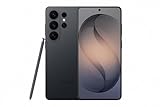
- PRIVACY DISPLAY: Automatically hide your screen from those beside you. The built-in privacy display can be preset¹ to turn on when receiving notifications, typing passwords, or using specific apps
- TYPE IT IN. TRANSFORM IT FAST: Enhance any shot in seconds on your smartphone by using Photo Assist² with Galaxy AI.³ Add objects, restore details, or apply new styles by simply typing or tapping
- NIGHTS, CAPTURED CLEARLY: From gigs to city lights, record and capture moments after dark with clarity using Nightography so your photos and videos stay crisp and clear on your Samsung Galaxy
- MAKE IT. EDIT IT. SHARE IT: Turn everyday moments into something personal with creative tools built right into your mobile phone, whether it’s a special contact photo, custom wallpaper, an invitation or more⁴
- HELP THAT KEEPS UP: Stay in the moment while Now Nudge with Galaxy AI helps you respond faster and stay organized with smart suggestions⁵ that appear exactly when you need them on your phone
PCs and tablets
PCs often use replaceable or soldered DRAM and an NVMe SSD. A memory squeeze can appear as a higher price for a configuration with 32 GB of RAM or a larger SSD, delayed availability of high-capacity models, or fewer discounts. Tablets face a similar issue, although their lower storage and memory capacities can make the absolute exposure smaller than in a premium phone or workstation.
Quick wins for a faster PC:
Clear out junk files and repair common Windows errorsFree Scan →Fix the driver behind crashes, sound loss and screen glitchesFind Drivers →Repair Windows errors before they cause bigger problemsFix Now →SSDs and storage devices
Consumer and enterprise SSDs use NAND flash, not DRAM as their main storage medium. NAND pricing follows its own supply-demand cycle, but enterprise demand can tighten the broader flash market and raise the cost of high-capacity drives. A drive’s controller, cache, endurance rating and warranty also affect its retail price, so a NAND increase will not appear one-for-one at checkout.
Servers and accelerators
Servers have the highest direct exposure because they use large quantities of memory per system and add expensive HBM and enterprise SSDs in AI deployments. Their purchasing is often governed by contracts and qualification schedules, so a change can first appear in procurement costs and lead times rather than consumer shelf prices.
Why memory types can move in different directions
| Memory type | Typical use | What can tighten supply | How it may affect buyers |
|---|---|---|---|
| HBM | AI and high-performance accelerators | Advanced stacking, packaging and intense AI demand | Raises accelerator and server costs; indirect pressure on shared capacity. |
| Server DDR5 | Cloud and enterprise servers | Cloud expansion and supplier prioritization of server output | Higher server bills and possible pressure on conventional DRAM availability. |
| Mobile LPDDR | Smartphones and tablets | Phone demand, product launches and capacity diverted to higher-value parts | Changes phone bill of materials, storage tiers or promotions. |
| Consumer NAND | Phones, PCs, memory cards and SSDs | Flash production cuts, enterprise demand and inventory cycles | Different prices or capacities for SSDs and storage-heavy devices. |
Because these markets are related but not identical, an HBM shortage is not proof that every phone’s LPDDR price has risen. Check the memory category and purchasing period before drawing a conclusion from a headline about “RAM prices.”
Contract prices, spot prices and what shoppers see
Large device manufacturers commonly negotiate supply contracts months ahead. Contract pricing can smooth a sudden shock, especially when a phone maker has committed volumes or multiple qualified suppliers. Spot markets, by contrast, reflect immediately available inventory and can move sharply when distributors or smaller buyers compete for scarce parts.
Rank #4

- Brilliant 6.7" Display: Enjoy a sharp Dynamic AMOLED 2X FHD+ screen with 120Hz adaptive refresh rate, HDR support, Gorilla Glass Victus 2, and smooth everyday viewing for streaming, gaming, and browsing.
- Next-Gen Galaxy Performance: Powered by the Snapdragon 8 Elite Gen 5 for Galaxy processor, 12GB RAM, Adreno 840 graphics, and 256GB internal storage for fast multitasking, gaming, AI features, and productivity.
- Pro-Grade Triple Camera: Capture sharp photos and video with a 50MP wide camera with OIS, 10MP telephoto camera with 3x optical zoom, 12MP ultrawide camera, 12MP front camera, and up to 8K video recording Horizon Lock for shake free recording and pictures.
- Fast 5G + Modern Connectivity: Supports 5G Sub-6 and mmWave, 4G LTE, Wi-Fi 7, Bluetooth 6.0, NFC, GPS, USB-C, wireless charging, reverse wireless charging, and a long-lasting 4900mAh battery.
- Unlocked US Model: Nano-SIM + eSIM support. Compatible with major GSM and CDMA carriers including AT&T, T-Mobile, Verizon, Metro, Straight Talk, Global GSM and other supported networks. (If carrier not listed, please contact seller to confirm MVNO compatibility. )
A retail product may therefore keep the same price for weeks while a spot quote changes, then become more expensive when the next contract period or production batch is negotiated. The reverse can also happen: a manufacturer may have bought inventory at a high price and later discount finished devices when demand weakens.
How much does memory add to a phone’s cost?
No supported Samsung disclosure provides a universal percentage or fixed currency amount for memory in every phone. The answer varies with RAM capacity, storage capacity, memory generation, supplier contract, exchange rate and the model’s other components. A phone with 8 GB of LPDDR and 128 GB of NAND has a different exposure from a 16 GB, 512 GB flagship, even if both use the same processor.
Use memory-content comparisons rather than a single industry-wide percentage. When a new model doubles storage or adds RAM, some of its price difference reflects those extra chips and the validation required to support them. When capacity stays constant, a supplier price change is only one input into the final margin decision.
How manufacturers can absorb or avoid a price increase
- Promotions: Keep the list price but reduce launch discounts, trade-in credits or retailer incentives.
- Product mix: Sell more premium configurations, where buyers may be less price-sensitive, or emphasize models with lower memory content.
- Specification changes: Retain the same headline price with a different storage tier, memory speed or bundled accessory, subject to the product’s advertised specifications.
- Supplier diversification: Qualify memory from more than one manufacturer, provided performance, reliability and software validation requirements are met.
- Margin adjustment: Accept lower profitability temporarily to defend market share.
- Price pass-through: Raise the list price when the cost increase is persistent and the market can support it.
Samsung’s mobile outlook describes profitability efforts, Galaxy AI expansion and supply-stability measures rather than a fixed memory surcharge. That is why two brands using similar memory can announce different retail prices.
Should you buy a phone, PC or SSD before prices rise?
Buy now when the need is immediate
If a phone or SSD is needed for work, school or a failing device, waiting for a hoped-for memory decline is usually a poor trade. The cost of lost access or emergency replacement can exceed a modest component movement. Choose the capacity you actually need and compare the complete product price, warranty and availability.
Best Value

- Brilliant 6.3" Display: Enjoy a sharp Dynamic AMOLED 2X FHD+ screen with 120Hz adaptive refresh rate, HDR support, Gorilla Glass Victus 2, and smooth everyday viewing for streaming, gaming, and browsing.
- Next-Gen Galaxy Performance: Powered by the Snapdragon 8 Elite Gen 5 for Galaxy processor, 12GB RAM, Adreno 840 graphics, and 256GB internal storage for fast multitasking, gaming, AI features, and productivity.
- Pro-Grade Triple Camera: Capture sharp photos and video with a 50MP wide camera with OIS, 10MP telephoto camera with 3x optical zoom, 12MP ultrawide camera, 12MP front camera, and up to 8K video recording.
- Fast 5G + Modern Connectivity: Supports 5G Sub-6 and mmWave, 4G LTE, Wi-Fi 7, Bluetooth 6.0, NFC, GPS, USB-C, wireless charging, reverse wireless charging, and a long-lasting 4300mAh battery.
- Unlocked US Model with Nano-SIM + eSIM (Dual SIM) support. Compatible with major GSM and CDMA carriers including AT&T, T-Mobile, Verizon, Metro, Straight Talk, Global GSM and other supported networks. (If carrier not listed, please contact seller to confirm MVNO compatibility. )
Wait when your purchase is flexible
Wait if you are planning an optional upgrade, have sufficient storage and can monitor several retailers. Memory cycles can reverse; a shortage warning does not specify how long a particular consumer model will remain expensive. Set a target price and a date to reassess instead of assuming that every headline about AI will raise every device.
Protect against capacity inflation
Do not pay for a larger storage tier solely because of a fear that prices will rise. Compare the manufacturer’s storage options, whether the device supports expansion, the workload that needs the capacity and the cost per usable gigabyte. For PCs, also verify whether RAM is upgradeable; a cheaper base configuration can be better value if an inexpensive, compatible upgrade is available, while soldered memory cannot be replaced later.
Check the exact model and region
Prices, memory configurations, taxes, cellular variants and promotions differ by country and retailer. Samsung’s Galaxy S26 line is a 2026 flagship example, but its configuration and street price should be checked for your market at the time of purchase. The same caution applies to Samsung NVMe SSDs and DDR5 modules: compatibility, current pricing and stock require publication-time verification.
Do these 3 things before closing this tab:
1Scan for outdated or missing drivers - takes under a minute2Repair Windows errors before they cause bigger problems3Fix the driver behind crashes, sound loss and screen glitchesWhat to watch in future earnings and product announcements
- Samsung’s reported memory ASP direction and whether HBM, server DDR5 or consumer products are driving it.
- Statements about wafer capacity, packaging constraints and the share of output allocated to servers.
- Inventory levels at phone and PC makers, which can delay or amplify a component-price change.
- Changes in RAM and storage capacities in new devices, because more memory per unit can raise costs even when chip prices are flat.
- Retail promotions and configuration changes, which can hide or soften a component increase.
These indicators are more useful than attributing every phone-price move to Samsung. The company is a major supplier, but finished prices also reflect competing memory vendors, device-maker strategy, consumer demand, currency and distribution costs.
Bottom line
Samsung’s memory business affects electronics prices by influencing supply, product mix and average selling prices. AI demand is pulling capacity toward HBM, server DDR5 and enterprise SSDs, and Samsung says shortages may persist while suppliers prioritize server output. That can raise the memory cost inside phones, PCs, SSDs and other electronics. The retail result is not automatic: manufacturers decide whether to pass through the cost, offset it with promotions or margins, alter specifications, or shift their product mix. Treat memory-price headlines as a signal to compare the exact device, capacity and market—not as a guaranteed prediction of a specific phone’s price.
Quick Recap
Product prices and availability are accurate as of the date/time indicated and are subject to change. Any price and availability information displayed on Amazon at the time of purchase will apply.

