The Galaxy S24 FE has published results of 1,826,776 in AnTuTu, 17,400 in PCMark Work 3.0, and Geekbench scores that depend on the version used. These are results from specific tests and submitted runs—not guaranteed scores for every S24 FE. The phone uses Samsung’s Exynos 2400e, and benchmark numbers are meaningful only when you compare the same test and version.
Galaxy S24 FE benchmark scores at a glance
| Benchmark | Reported result | Test attribution and qualification |
|---|---|---|
| AnTuTu | 1,826,776 | TechARP’s Galaxy S24 FE test sample; version is not established in the captured article text. TechARP |
| PCMark Work 3.0 | 17,400 | TechARP’s Galaxy S24 FE test sample. TechARP |
| Geekbench 7.0.0-Beta3 | 1,755 single-core; 5,937 multi-core | One Geekbench Browser submission for model SM-S721W, uploaded July 18, 2026; Android 16. Geekbench Browser |
| Geekbench 6.7.1 | 2,095 single-core; 6,632 multi-core | One Geekbench Browser submission for model SM-S721B, uploaded September 13, 2026. Geekbench Browser |
The AnTuTu and PCMark figures are from TechARP’s review setup, while the Geekbench figures are individual public submissions. They are useful reference points, not controlled averages across all S24 FE devices.
As an Amazon Associate I earn from qualifying purchases.
What these results say about performance
Samsung identifies the Galaxy S24 FE’s processor as the Exynos 2400e. Its global announcement also lists a 6.7-inch FHD+ Dynamic AMOLED 2X display and a 4,700mAh typical-value battery. Those specifications identify the device, but they do not make a benchmark score a direct prediction of everyday speed or battery life. Samsung’s global announcement
Quick wins for a faster PC:
Fix the driver behind crashes, sound loss and screen glitchesFind Drivers →Clear out junk files and repair common Windows errorsFree Scan →Scan for outdated or missing drivers - takes under a minuteDriver Scan →The tests emphasize different workloads. Geekbench reports separate single-core and multi-core CPU results. PCMark Work 3.0 combines work-oriented tasks, while AnTuTu produces a composite score. Their raw totals use different scales, so a larger number in one benchmark does not mean the phone is proportionally faster than a result in another.
#1 Best Overall

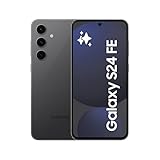
- 6.7" Dynamic AMOLED 2X FHD+, 120Hz Adaptive Refresh Rate, 1900nits Peak brightness, 1080x2340px, 4700mAh Battery, Android 14, One UI 6.1
- 128GB, 8GB RAM, No SD Card Slot, Exynos 2400e (4nm), 10-core CPU, Xclipse 940 GPU, Bluetooth 5.3
- Rear Camera: 50MP, f/1.8 (wide) + + 12MP, f/2.2 (ultrawide) + 8MP, f/2.4 (telephoto), 3x Optical Zoom, Front Camera: 10MP, f/2.4
- CDMA 800/1900, 3G: HSDPA 850/900/1700(AWS)/1900/2100, CDMA2000 1xEV-DO, 4G LTE: 1/2/3/4/5/7/8/12/17/18/19/20/25/26/28/32/38/40/41/66, 5G: 1/2/3/5/7/8/12/20/25/26/28/38/40/41/66/75/77/78 SA/NSA/Sub6 - Nano-SIM and eSIM
- US Model. Compatible with Most GSM and CDMA Carriers like T-Mobile, AT&T, MetroPCS, etc. Will Also work with CDMA Carriers Such as Verizon, Straight Talk.
Geekbench 6 and 7 scores are not interchangeable
The cited Geekbench 6 result is higher than the cited Geekbench 7 beta result, but that is not evidence that one run was faster: the submissions use different major benchmark versions and different S24 FE model identifiers. Geekbench says its v6 result can only be compared with other Geekbench 6 results and recommends Geekbench 7 for testing modern hardware. Geekbench’s v6 result page
For a useful comparison, keep the Geekbench version, test mode, device model, and software context aligned. Treat each browser entry as one submitted run, not a typical score or a manufacturer-certified result.
Rank #2

- The Galaxy S24 FE packs a large 6.7‑inch Dynamic AMOLED 2X display with adaptive 120 Hz refresh rate, enhanced brightness and a “Vision Booster” mode — ideal for clear, bright visuals even outdoors.
PCMark Work 3.0 results by workload
TechARP’s reported Work 3.0 total is 17,400. Its subtest figures show how performance differed among the tasks in that particular test setup:
The Tool Desk
Outbyte Driver Updater FREEScan for outdated or missing drivers - takes under a minuteDriver Scan →Outbyte PC Repair FREERepair Windows errors before they cause bigger problemsFix Now →| PCMark Work 3.0 workload | TechARP result |
|---|---|
| Web browsing | 15,955 |
| Video editing | 8,061 |
| Writing | 23,217 |
| Photo editing | 37,130 |
| Data manipulation | 14,384 |
These subtest scores help explain the composite result; they are not ratings on the same scale as Geekbench or AnTuTu. All are TechARP test results, rather than promises about another handset’s performance. TechARP’s S24 FE review
Rank #3
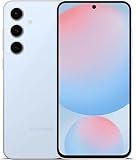
- The Galaxy S24 FE packs a large 6.7‑inch Dynamic AMOLED 2X display with adaptive 120 Hz refresh rate, enhanced brightness and a “Vision Booster” mode — ideal for clear, bright visuals even outdoors.
How to interpret the AnTuTu score
TechARP lists 1,826,776 for its Galaxy S24 FE sample, but the captured article text does not establish the AnTuTu version. Keep that qualification attached to the figure: do not label it AnTuTu v10 or compare it as though all AnTuTu releases produce equivalent scores. Version and test conditions matter when comparing results.
For any comparison, check that it uses the same AnTuTu release and comparable test conditions. If the source does not identify its version or setup, the score is a limited reference rather than a precise head-to-head measure.
Why your S24 FE may score differently
A benchmark run measures one device under one combination of software and test conditions. Results can vary with system updates, background activity, thermal state, and the run itself. The cited sources do not establish a guaranteed score or a range that every Galaxy S24 FE should achieve.
Samsung announced the phone with 8GB RAM and 128GB, 256GB, or 512GB storage configurations, with availability varying by market. These are configuration details, not evidence that the cited scores represent every configuration. Samsung’s global announcement
Quick Recap
How to compare scores fairly
- Match the benchmark and version, especially for Geekbench and AnTuTu.
- Compare the same test mode: Geekbench single-core against single-core, and multi-core against multi-core.
- Check the precise handset model and software context when the source provides them.
- Use scores from the same test setup for close comparisons; treat results from separate reviews as directional, not definitive.
- Do not compare raw totals across Geekbench, PCMark, and AnTuTu as though they share a common scale.
Product prices and availability are accurate as of the date/time indicated and are subject to change. Any price and availability information displayed on Amazon at the time of purchase will apply.




