A small four-week trial found that self-reported depression-symptom scores fell more among healthy overweight adults assigned to daily vinegar than among those given a low-acetic-acid comparator. The result was statistically significant on one questionnaire, but not the other—and it does not show that vinegar treats clinical depression.
What was the diet change?
The likely study behind the headline, published in 2024 as “Daily Vinegar Ingestion Improves Depression and Enhances Niacin Metabolism in Overweight Adults,” tested daily vinegar intake for four weeks. Participants in the vinegar group consumed 2.95 grams of acetic acid a day, described by the authors as four tablespoons of vinegar. The comparison group received a vinegar pill containing very little acetic acid. Read the study abstract.
As an Amazon Associate I earn from qualifying purchases.
This was a specific intervention, not a trial of a broadly “healthy” diet or of a general eating pattern. The available abstract describes participants as healthy overweight adults; it does not establish that they had diagnosed depression.
The Tool Desk
Outbyte Driver Updater FREEFix the driver behind crashes, sound loss and screen glitchesFind Drivers →Outbyte PC Repair FREEClear out junk files and repair common Windows errorsFree Scan →What changed in the symptom scores?
The trial assessed self-reported symptoms with two questionnaires. The results differed depending on which measure was used:
#1 Best Overall
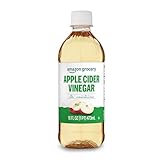
- One 16 fluid ounce bottle of Apple Cider Vinegar
- Some of your favorite Amazon Fresh products are now part of the Amazon Grocery brand! Although packaging may vary during the transition, the ingredients and product remain the same. Thank you for your continued trust in our brands
- 5% acidity
- No artificial colors or flavors
- Do not freeze
| Questionnaire | Mean change after four weeks | Between-group result |
|---|---|---|
| PHQ-9 | Scores fell 42% in the vinegar group and 18% in the comparator group. | The difference was reported as statistically significant (p = 0.036). |
| CES-D | Scores fell 26% in the vinegar group and 5% in the comparator group. | The between-group difference was not statistically significant. |
These percentages describe changes in average questionnaire scores, not the share of participants whose depression was cured or who experienced a clinically meaningful benefit. A significant result on one measure alongside a non-significant result on another is a reason to treat the finding as preliminary, not as a settled effect.
Does vinegar help depression?
The study offers an early signal that deserves further testing; it does not establish vinegar as a depression treatment. Its participants were described as healthy and overweight, its outcomes were self-reported symptom questionnaires, and the four-week comparison does not answer whether vinegar helps people diagnosed with depression or whether any effect lasts.
Rank #2

- BRAGG APPLE CIDER VINEGAR: The raw, unfiltered, unpasteurized, original daily dose of wellness, made with 100% organic apples naturally fermented by live ‘Mother'
- ACV WITH MOTHER: Rigorously tested for the presence of live 'Mother'; Provides 750mg of acetic acid per serving
- DAILY DOSE OF WELLNESS: To easily incorporate ACV into your diet, add 1-2 tablespoons to 8oz of water or hot tea
- GREAT FOR RECIPES AND MORE: Enjoy in drink recipes, smoothies, salad dressings, sauces, slaws, and marinades; Use in your hair care or skin care routine
- MADE WITH ORGANIC APPLES: Produced with several varieties of organic apples; Never made with added color, processed sugars, or preservatives; USDA Organic, B Corp Certified, Non-GMO Project Verified, and Kosher
The authors also reported changes in nicotinamide concentrations and the NAD+ salvage pathway. Those exploratory biological findings do not prove that vinegar caused the symptom-score changes or explain how they might have occurred.
Do these 3 things before closing this tab:
1Clear out junk files and repair common Windows errors2Scan for outdated or missing drivers - takes under a minute3Repair Windows errors before they cause bigger problemsWhy another four-week diet study can be confused with this one
A separate Australian study examined 141 adolescents with obesity in the Fast Track to Health randomized clinical trial. Its first four weeks used a very-low-energy diet, but that phase was part of a monitored 52-week obesity intervention—not a standalone test of one everyday diet change. Depression symptoms were self-reported, declined by week four, and stayed lower through week 52; reductions did not differ between the later intermittent and continuous energy-restriction groups. Read the JAMA Pediatrics study.
Rank #3

- One gallon bottle of Apple Cider Vinegar
- 5% acidity
- No artificial colors or flavors
- Amazon Grocery has all the favorites you love for less. You’ll find everything you need for great-tasting meals in one shopping trip
- Feed your every day with Amazon Grocery
Seventeen participants (12.1%) needed support or referral for depression and/or disordered eating. The authors’ key point was: “Obesity treatment is an opportune time to screen and monitor for depression and disordered eating.” The trial’s structured setting and adolescent population make it a different kind of evidence from the vinegar study.
Quick Recap
What readers should take from the evidence
- The vinegar trial tested four weeks of daily intake in healthy overweight adults, not a treatment plan for diagnosed depression.
- PHQ-9 scores showed a statistically significant between-group difference; CES-D scores did not.
- Neither study supports replacing prescribed mental-health care with vinegar or a restrictive diet.
Product prices and availability are accurate as of the date/time indicated and are subject to change. Any price and availability information displayed on Amazon at the time of purchase will apply.




