Quick wins for a faster PC:
Repair Windows errors before they cause bigger problemsFix Now →Scan for outdated or missing drivers - takes under a minuteDriver Scan →Clear out junk files and repair common Windows errorsFree Scan →Use the shortest cycle at the lowest temperature that still cleans the load, fill the drum completely without packing it tightly, and add an external microfiber filter if you can install one. For renters or anyone unable to alter a drain line, a microfiber-catching laundry bag is the most practical portable option. These steps reduce the amount of synthetic fiber entering wastewater; they do not eliminate shedding.
The strongest measured gains come from three changes: switching from a warm, long cycle to a cold, short one; washing a genuinely full load rather than a small partial load; and capturing fibers at the drain with a maintained filter. The exact reduction varies with fabric, machine, load weight, water volume and the way fibers were measured.
As an Amazon Associate I earn from qualifying purchases.
The settings that reduce microfiber shedding most
| Choice | What the evidence measured | How to use it | Main limitation |
|---|---|---|---|
| Cold, short cycle | A 15°C, 30-minute cycle generated 30% less microfiber than a 40°C, 85-minute cycle in full-scale consumer testing. | Choose the lowest temperature and shortest program that meet the garment-care label and cleaning need. | A cold, short program may not remove heavy grease, oils or some stains as well as a warmer, longer program. |
| Complete, not overfilled load | Loads of 3.5–6.0 kg averaged 66.3 ± 27.0 ppm, compared with 132.4 ± 68.6 ppm for 1.0–3.5 kg loads in the same study. | Combine compatible items until the drum is full but clothes can still move freely. | Overloading can prevent cleaning and increase mechanical stress. |
| High-efficiency, lower-water machine | North American high-efficiency top-loaders released 69.7% fewer fibers from polyester fleece and 37.4% fewer from polyester T-shirts than traditional top-loaders in cited tests. | Use the machine’s normal or eco program when it cleans adequately. | Those percentages apply to the tested machines and fabrics, not every model. |
| External drain filter | A 97-home Parry Sound pilot captured an average of 6.4 g of lint per household per week and reduced microfiber concentration in final wastewater effluent by 41% on average. | Install a filter in the washing-machine drain path and empty it on the manufacturer’s schedule. | Performance depends on installation, maintenance, wastewater plumbing and particle definition. |
| Microfiber-catching bag | The U.S. Environmental Protection Agency lists a catching bag or ball as an option, but the supplied measurements do not establish one universal capture percentage. | Put compatible synthetic garments in the bag, leave room for water and movement, then remove collected lint for the bin. | Capacity is limited and the bag only protects the items placed inside it. |
Do not treat the percentages in this table as interchangeable scores. The underlying work used different machines, fabrics, loads, particle definitions and sampling methods.
Why temperature and cycle time matter
What the 15°C result means
Lant, Hayward, Peththawadu, Sheridan and Dean reported a 30% reduction when a 15°C, 30-minute cycle replaced a 40°C, 85-minute cycle. This was full-scale consumer testing rather than a small fabric swatch experiment, so it is useful as a practical direction: less heat and less time generally mean less opportunity for fibers to break away.
#1 Best Overall
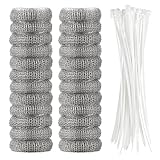
- Package includes: 24 pieces washing machine lint traps and 24 pcs cable ties, common size to fit most washing machine discharge hoses.
- Washing machine lint trap size: expand length of the lint trap is 27 cm and 5 cm in width, fits most washing machine discharge hoses. Cable tie: length is 19.7 cm, good help to securely fasten lint Trap to the drain pipe. Fits all household laundry hoses Fits 1" to 3" diameter hoses.
- Usage: It is very easy to install, traps can slips easily onto end of hose, no tools needed for installation, easy to put on the discharge hose and they are easy to remove.
- Material: lint traps are made with high-quality stainless steel. These lint traps will not rust, do not readily tear, prevent clogging of drains.
- Note: the traps work on a washing machine hose only used on the hose that drains into a sink. Not applicable for stand-pipe drains or pipes that go into the wall.
The comparison is between complete programs, not temperature alone. A shorter cycle also changes agitation, rinsing and water use. You should therefore select a program that is both cold and short, rather than assuming that lowering the temperature while keeping a very long intensive cycle will produce the same result.
Set the lowest temperature that can clean the load
For ordinary lightly soiled synthetics, start with the machine’s cold setting or a 15°C option where available. Use a warmer setting only when the care label, hygiene requirement or soil level calls for it. Pretreat a stain instead of automatically choosing a hotter and longer program for the whole load.
Cold washing is a pollution-reduction measure, not a guarantee of perfect cleaning. Body oils, cooking grease, heavy mud and some pathogens may require a different temperature or a specialist cycle. Follow the garment label and the washer manufacturer’s hygiene guidance; do not sacrifice safe cleaning merely to chase a percentage reduction.
The Tool Desk
Outbyte PC Repair FREERepair Windows errors before they cause bigger problemsFix Now →Outbyte Driver Updater FREEScan for outdated or missing drivers - takes under a minuteDriver Scan →Choose a short program, not an abbreviated rinse
Use the shortest complete wash program that provides adequate cleaning and rinsing. “Quick,” “express” or similarly named cycles differ by model, so compare the displayed time and the load limit in your manual. A short cycle designed for a small load is not automatically appropriate for a full drum.
Why a full load usually beats a small load
The load-weight measurements
In the 2020 consumer study, loads weighing 1.0–3.5 kg released a mean 132.4 ± 68.6 ppm, while 3.5–6.0 kg loads averaged 66.3 ± 27.0 ppm. The authors linked the difference to a lower water-to-fabric ratio when more fabric occupied the same wash volume.
Rank #2

- Reduce Lint Buildup in Washer Drain Lines Capture loose lint, hair, and fabric debris from washing machine drain water before they enter your drain system. Designed as a washer hose lint trap to help reduce buildup and keep laundry areas cleaner.
- Dual-Layer Mesh Filtration Design Featuring a dual-layer nylon mesh design, this washing machine hose filter helps collect lint and hair particles while allowing proper water drainage when replaced regularly.
- Check Your Drain Setup Before Ordering Designed for washing machine drain hose ends that empty into open utility sinks or laundry basins. Please check your setup before purchase. Not intended for standpipe drains or direct wall drains.
- Quick Installation with Complete Replacement Kit Includes 100 washing machine lint traps and 100 cable ties for convenient replacement. Simply slide the filter over the drain hose end and secure it firmly for installation without extra tools.
- Regular Replacement for Best Performance Lint and pet hair buildup varies by laundry habits. Check the filter regularly and replace when filled, especially after washing towels, blankets, fleece, or pet bedding.
A separate 2021 Scientific Reports study using a real washing machine measured 4,766,338 fibers per kilogram at the lowest load and 1,041,736 fibers per kilogram at a 2.50 kg load. The absolute values cannot be directly compared with the ppm results, but both measurements point in the same operational direction: very small loads can shed more fibers per kilogram of fabric.
How to fill the drum correctly
- Sort by colour, fabric type and care label so items can share a suitable program.
- Add compatible items until the load is complete, leaving enough space for garments to tumble or circulate.
- Use the washer’s stated maximum for that specific cycle; a delicate or quick program may have a lower limit than the normal cycle.
- Do not compress clothing to force in one more item. A packed drum can restrict movement, reduce cleaning and create extra rubbing.
- If you have only one or two items, wait for another compatible load or use the smallest load setting available rather than running a high-water program unnecessarily.
The U.S. Environmental Protection Agency’s laundry guidance states: “Only wash full loads of laundry.” That instruction means full but not overfilled: the goal is a sensible fabric-to-water ratio, not maximum compression.
Machine type and water volume
What high-efficiency testing found
In the cited North American tests, high-efficiency top-loaders reduced polyester-fleece release by 69.7% and polyester-T-shirt release by 37.4% compared with traditional top-loaders. High-efficiency designs generally use less water, which can reduce the water-to-fabric ratio associated with shedding.
These are comparative results for the tested machines and fabrics. They do not establish that every high-efficiency washer will outperform every traditional washer, nor that replacing a functioning appliance solely for microfiber control will repay its environmental cost. If you are buying a new machine for other reasons, a well-rated high-efficiency model is the better direction.
Use lower-water programs when they still clean
Select the machine’s normal, eco or low-water program when it handles the load correctly. Avoid adding an extra-water option by default if it is not needed; more water can dilute fibers rather than prevent their release. Some garments, heavily soiled loads or allergy protocols may legitimately require additional water or rinsing, so treat the low-water recommendation as conditional on adequate cleaning.
Rank #3

- Package Contents: 10 x Washing Machine Filter Paper
- Material: Using excellent materials, the fiber gap effectively filters impurities and adsorbs fine particles
- Size: 6 * 19 cm/2.36 * 7.48 in
- Double filtration: high permeability, dual filtration, reducing the number of times to clean the filter box
- Trimmable: You can cut according to the size of your filter box, using non polluting materials that will not harm clothing, etc
External washing-machine microfiber filters
What a filter does
An external filter sits in the washer’s drain path and physically removes lint and fibers before wastewater leaves the property. It addresses every washable item in the load, unlike an in-drum bag that covers only selected garments.
In a 97-home pilot in Parry Sound, Ontario, filters captured an average of 6.4 grams of lint per household each week. Final wastewater effluent contained an average of 41% less microfiber after installation. The result is a field measurement across homes, not a guaranteed rating for every product or plumbing arrangement.
When a filter is the best choice
- You own the property or have permission to modify the washing-machine drain line.
- Several people share the washer, so a whole-machine solution is more reliable than remembering a bag.
- You wash substantial amounts of fleece, polyester, acrylic or other synthetic textiles.
- You can inspect and clean the filter at the interval specified by its manufacturer.
Installation and maintenance checklist
- Confirm that the filter is rated for washing-machine discharge flow and compatible with your drain configuration.
- Unplug the washer and close water supplies before working near hoses or plumbing.
- Install the unit in the drain hose or standpipe arrangement exactly as its instructions specify; do not create a kink or restrict the pump outlet.
- Secure every clamp and run a short empty drain test while checking for leaks.
- After the first few washes, inspect the housing for lint buildup and leaks.
- Empty the collected material into general waste unless your local authority provides a different disposal route. Do not rinse concentrated lint into another drain.
- Replace cartridges, screens or seals at the stated interval. A blocked filter can cause slow draining, error codes or a pump fault.
Filter results depend on maintenance. A neglected screen that is bypassed, overflowing or blocked cannot provide the reduction measured in the pilot.
Microfiber-catching laundry bags and balls
How to use a bag effectively
- Place only the synthetic garments the bag is designed to hold; keep sharp fasteners and items that could tear the mesh outside it.
- Leave open space inside the bag so water and detergent can circulate.
- Zip or seal it fully and wash on the garment’s appropriate cycle.
- After the cycle, remove the bag before drying and let it drain.
- Collect the visible lint and put it in household waste rather than washing it down a sink.
A bag is portable and requires no plumbing work, making it suitable for renters, shared laundry rooms and temporary accommodation. Its limitation is coverage: fibers from garments outside the bag still enter the drain, and the available evidence does not support a universal capture percentage.
What about laundry balls?
The EPA lists a microfiber-catching laundry ball or bag alongside an external filter. A ball stays in the drum and may be easier to deploy than a drain filter, but the cited material does not establish a standard capture rate, capacity or performance across brands. Treat it as an optional supplement, not a substitute for a maintained whole-machine filter when that installation is feasible.
Rank #4
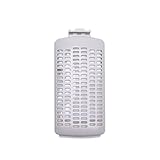
- PERFECT COMPATIBILITY - Specifically designed for 0.9 cubic foot portable washers including Black+Decker, Magic Chef and similar 0.9 cu ft models
- SUPERIOR LINT CAPTURE - High-density mesh filter effectively traps lint, hair, and debris while maintaining optimal water flow for thorough cleaning
- EASY INSTALLATION - Simple snap-in replacement for worn or damaged filters - no tools required, just remove old filter and insert this replacement
- DURABLE CONSTRUCTION - Made from corrosion-resistant plastic and stainless steel mesh for long-lasting performance and repeated use
- MAINTAIN MACHINE PERFORMANCE - Regular filter replacement prevents clogging, reduces wear on your washer, and ensures clean laundry every time
A practical low-shedding wash routine
Before loading
- Check pockets, close zippers and turn fleece or brushed synthetics inside out to reduce surface abrasion.
- Brush off loose pet hair and soil outdoors or over a bin where practical.
- Group items that share the same temperature, cycle and colour requirements.
At the control panel
- Choose cold or about 15°C when the load is lightly or normally soiled and the care label permits it.
- Select the shortest complete cycle that can clean the load.
- Use a full-load setting without exceeding the cycle’s stated capacity.
- Keep automatic detergent dosing or measured detergent within the manufacturer’s recommendation; excess detergent can require additional rinsing.
- Activate an installed external filter, or put selected synthetic items in a catching bag.
After washing
- Check the bag or filter for collected lint and dispose of it in the bin.
- Leave the washer door and detergent drawer open to dry, following the appliance manual.
- Record any drain warnings, leaks or unusually slow pumping; these can indicate a filter that needs service.
Should you use a delicate cycle?
Use delicate only when the garment’s construction or care label requires gentler movement. It is not automatically the lowest-shedding option. Delicate programs vary widely in agitation, water volume, duration and load limit, and the cited measurements do not establish a universal microfiber advantage for them.
For durable synthetic clothing, a properly loaded cold, short normal or eco cycle is the better default. For fragile knits or items marked delicate, protect the garment first, then use the shortest suitable delicate program and a catching bag if appropriate.
Common mistakes and fixes
Running frequent half-loads
Symptom: the washer is used whenever a few synthetic items are dirty. Fix: combine compatible garments into a complete load, while respecting colour and care-label limits.
Choosing heat and time by habit
Symptom: every load runs at 40°C or higher on a long cotton program. Fix: test the coldest short program that meets the cleaning requirement; reserve warmer, longer cycles for loads that genuinely need them.
Free tools Windows power users keep installed
One-click scans. No signup required.
Overloading to avoid a second wash
Symptom: the door is difficult to close or clothes emerge with detergent or soil still present. Fix: remove items until they can move freely. A nominally “full” load that cannot circulate is overfilled in practice.
Best Value

- Nylon washing machine lint traps, no rust, dense fabric mesh, small holes catch a lot hair and lint, stop fur from clogging drain pipes. Wide cable tie clamps, no falling off.
- 50 lint catcher 300-mesh fine mesh. 50 nylon cable ties, 4mm width and 9 inches length. one trap and one tie works together catches pet hair, dog hair and lint.
- 3.15 inches width, Fit for 1" to 3" diam hoses, 9 inches length, flexible, extend to 13 inches length, traps a lot lint. Suit for washer and dryer. Collect lint, fur, pieces of tissue, dog hair,cat hair, other pet hair from laundry, stop washer hose from clogging drain of basin, bathtub and sink
- Easy to install, put lint snare on the hose, fasten it with cable tie, it starts to work. No installation tools required. Work with top load washer, front load washer, portable washer.
- Attention please, as small holes design, it collects a lot lint and hair, get full quickly, we need to check and change a new one frequently, please keep in mind. Not intended to work with stand-pipe drains or pipes go into wall.
Installing a filter and forgetting it
Symptom: slow draining, pump errors or water around the filter housing. Fix: stop the machine, isolate power, clean the screen and check seals and hose routing according to the filter and washer manuals.
Expecting a bag to protect the whole wash
Symptom: a bag is used for one fleece while other synthetic garments wash loose. Fix: either place all compatible high-shedding items in the bag, within its capacity, or use a properly maintained external filter for whole-machine coverage.
How strong is the evidence?
The 2020 PLOS One work analysed 79 typical UK household wash loads and reported mean release of 114 ± 66.8 ppm per kilogram of fabric. Its controlled comparisons support shorter, colder cycles, fuller loads and differences between high-efficiency and traditional top-loaders.
The 2021 Scientific Reports experiment measured fiber counts from a real machine at different loads, including 4,766,338 fibers/kg at the lowest load and 1,041,736 fibers/kg at 2.50 kg. Fiber counts and ppm are different units, so those numbers should be used to understand the load effect, not to calculate a universal conversion.
The Parry Sound pilot measured wastewater at homes after filter installation and found the 6.4-gram weekly capture and 41% average effluent reduction. Household plumbing, filter upkeep and local wastewater treatment affect that result.
Across all three sources, fabrics, machines, cycle settings and laboratory definitions differ. Use the findings as directional guidance for your own laundry rather than promising a fixed reduction for every load.
A decision guide for choosing a tool
| Your situation | Best first step | Why |
|---|---|---|
| You own the home and wash many synthetics | Install an external washing-machine microfiber filter, then use cold, short, full-load cycles. | It captures discharge from the entire machine and has field evidence from 97 homes. |
| You rent or share a laundry room | Use a microfiber-catching bag for compatible synthetic items and adopt cold, short, full loads. | It is portable and requires no drain modification. |
| You are replacing a washer anyway | Compare high-efficiency, lower-water models and retain the same loading and temperature practices. | Tested high-efficiency top-loaders released less from the cited polyester fabrics. |
| You wash mostly natural fibers | Prioritise full loads and suitable cold cycles; add a filter if synthetic items are also present. | Load management reduces release opportunities regardless of fabric mix, while a filter covers all discharge. |
The most reliable package is cumulative: wash a complete load, select the shortest cold program that works, and capture drain water with a maintained external filter. A bag or ball is a useful fallback when plumbing changes are not practical.
Outdated Drivers Are Slowing You Down
One free scan finds every outdated or missing driver and matches the right update for your exact hardware.Free scan · exact hardware matchWindows Errors? Fix Them Before They Spread
Repair common Windows errors and clear accumulated junk for a smoother, more stable PC - no reinstall needed.Free scan · no reinstallQuick Recap
Product prices and availability are accurate as of the date/time indicated and are subject to change. Any price and availability information displayed on Amazon at the time of purchase will apply.

