Windows Errors? Fix Them Before They Spread
Repair common Windows errors and clear accumulated junk for a smoother, more stable PC - no reinstall needed.Free scan · no reinstallOutdated Drivers Are Slowing You Down
One free scan finds every outdated or missing driver and matches the right update for your exact hardware.Free scan · exact hardware matchFor most cooperative tabletop games, shortlist Kickstarter, Gamefound and BackerKit for the funding campaign, then use Discord as the live player-community layer. Kickstarter is the broadest discovery venue in this group. Gamefound is the best fit when pledges, shipping, add-ons and late pledges create operational complexity. BackerKit is strongest when campaign updates, imported backers and fulfillment need to stay in one workflow. Patreon and Ko-fi are recurring-support tools rather than replacements for a rewards campaign.
Digital cooperative games usually need a different balance: playtesting, voice and text coordination, account linking and recurring communication matter more than a tabletop pledge manager. In that case, a campaign platform paired with Discord—and optionally Patreon or Ko-fi—usually works better than trying to make one service do everything.
As an Amazon Associate I earn from qualifying purchases.
The practical shortlist
No single service combines the widest discovery, detailed tabletop fulfillment, live coordination and recurring memberships equally well. Treat the stack as two layers: a campaign platform for money and rewards, and a community platform for conversation and play.
| Platform | Best role | Published fees or share | Capabilities established for this comparison |
|---|---|---|---|
| Kickstarter | Broad creative-project discovery and a familiar rewards campaign | 5% platform fee plus payment processing of 3%–5% in the United States, collected from a successfully funded project | Community and outside-backers model; conventional rewards campaign |
| Gamefound | Complex tabletop pledges and fulfillment | 5% platform fee plus payment processing of 3% and 0.20 per transaction on successfully collected payments | Imported pledge data, late pledges, shipping, add-ons, payment collection, analytics, reporting and fulfillment preparation |
| BackerKit | Campaign communication and campaign-to-fulfillment continuity | 5% platform fee plus payment processing, charged if the project reaches its goal | Two-way project updates; import and sync of Kickstarter or Indiegogo projects using platform credentials |
| Discord | Live coordination, playtesting and announcements | Server subscriptions let creators take home 90% of earnings after applicable deductions | Official game servers, player coordination, server discoverability and Community Onboarding |
| Patreon | Recurring memberships and gated development updates | A current universal creator fee is not stated in the cited documentation | Paid memberships, community features, Discord and Discourse integrations, member-only Discord roles and chatrooms |
| Ko-fi | Lightweight tips, memberships and supporter perks | 5% service fee on membership payments | Membership tiers, Discord supporter roles and exclusive channels |
Fees can change and payment processors may apply regional rules, taxes or currency conversion. Use the figures above as the published terms for the services and regions named, not as a universal estimate of your net proceeds.
#1 Best Overall
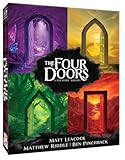
- ✨ THRILLING COOPERATIVE GAME! Join a band of daring adventurers on a quest to retrieve four sacred treasures hidden beyond the doors of a mystical light tower
- ✨ Work together to explore the doors, unite the treasures, and ignite the beacon—before a swarm of sinister shadows engulfs the tower and the doors are sealed forever!
- ✨ Created by Matt Leacock (Pandemic, Forbidden Island), with Matthew Riddle and Ben Pinchback
- ✨ FANTASTIC SOLO PLAY MODE. 1 -5 players Ages 10+ 30 minutes play time
- ✨ SUPER PORTABLE. Great for travel!
How to choose for a cooperative tabletop game
Start with the physical fulfillment problem
A cooperative board game can have dozens of pledge combinations: core boxes, deluxe components, stretch-goal packs, expansions, retail bundles and language editions. Shipping then varies by destination, weight, customs treatment and whether a backer adds items after the campaign. If those variables are central to your plan, a pledge manager is more important than a large social feed.
Gamefound’s documented workflow covers importing an external campaign, accepting late pledges, configuring shipping, selling add-ons, collecting payments, viewing analytics and preparing fulfillment reports. Those functions make it the natural first choice when the campaign’s difficult work starts after the funding meter reaches its goal.
BackerKit is a strong alternative when communication and continuity are the priority. Its crowdfunding workflow is designed for two-way conversation, with project updates as a main news channel. It can import and sync Kickstarter or Indiegogo projects using platform credentials, which can reduce the need to rebuild a backer list in a separate system.
Use Kickstarter when discovery is the constraint
Kickstarter describes its service as crowdfunding for a specific creative project, with pledges from a creator’s community and other backers. That broad creative-project positioning is useful when your cooperative game needs to reach people who do not already know your studio. It also gives prospective backers a familiar rewards-campaign format.
The United States fee page states that a successfully funded project pays a 5% Kickstarter fee and payment processing between 3% and 5%. The wording matters: these are collected from the funding total when the project succeeds, and the processing range is not a promise that every country or payment method will use the same rate.
Do not select on an unsupported success-rate claim
There is no authoritative cooperative-game-specific success-rate statistic established for these services. A general platform success figure would not tell you whether your player count, price, theme, production plan or shipping assumptions are sound. Evaluate the audience and operational fit instead of treating an unverified percentage as a forecast.
How to choose for a digital cooperative game
Prioritize play and communication loops
Digital teams need testers to find one another, install the right build, report issues and return for another session. Voice, text, role-based access and clear announcements can matter more than a shipping calculator. Discord’s developer documentation describes official game servers where players gather, coordinate and stay connected between sessions. Its game-community guidance also covers server discoverability and Community Onboarding, which can help a new member select roles, channels or playtest interests without reading every channel first.
What’s actually slowing this PC down?
Pick the symptom - the matching free tool is one click away.
Use a campaign platform for the financial event and reward delivery, then make Discord the place where testers coordinate. Create separate areas for announcements, looking-for-group posts, technical support, spoiler-safe strategy and a private playtest cohort. Keep the public area readable; move high-volume bug reports into a dedicated channel or linked issue workflow.
Add recurring support only when you have recurring value
Patreon supports paid memberships and community features, including integrations for Discord and Discourse. Its community tools describe member-only Discord roles and exclusive chatrooms. That model fits a development diary, monthly build, scheduled playtest or design call that members can reliably expect.
Rank #2
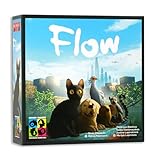
- OFFICIAL GAME OF THE HIT ANIMATED FILM: Immerse yourself in the emotional story and beautiful world of Flow
- REAL TIME COOPERATIVE GAMEPLAY: Work together under pressure where players must make quick decisions to survive the flood and rescue allies.
- PLAYABLE SOLO OR WITH FRIENDS: Designed for 1–6 players, Perfect for game nights with siblings, parents, or friends.
- DYNAMIC GAME BOARD AND RISING WATER MECHANIC: Navigate a modular map that shifts and floods over time, creating new challenges and forcing adaptive strategies.
- ENDLESS REPLAYABILITY: With a variety of tiles and 11 unique scenario cards to shape your next game. Flow is easy to get into but deep as an ocean.
Ko-fi is lighter. It documents membership tiers, a 5% service fee on membership payments and Discord access as a membership benefit. Its Discord guidance describes supporter roles that unlock exclusive channels, including voice, text and video areas. Choose it when you need a small number of tiers and simple supporter perks rather than a full campaign-and-pledge-management stack.
Platform-by-platform guidance
Kickstarter: reach first, operations second
- Use it for: a single, clearly defined cooperative game with a conventional rewards campaign and a need for broad creative-project discovery.
- Strength: potential exposure beyond your existing community, because the model includes other backers as well as your own audience.
- Published cost: 5% platform fee plus 3%–5% payment processing in the United States, charged from the total when the project is successfully funded.
- Watch closely: the cited fee page does not establish a cooperative-game success rate, nor does it provide the detailed pledge, shipping and add-on workflow documented for Gamefound.
Plan your fulfillment process before launch if you choose Kickstarter. Decide where addresses, shipping charges, taxes, add-ons and late pledges will be collected, and tell backers when each step occurs. A familiar campaign page does not remove the need for a separate operational plan.
The Tool Desk
Outbyte PC Repair FREEClear out junk files and repair common Windows errorsFree Scan →Outbyte Driver Updater FREEScan for outdated or missing drivers - takes under a minuteDriver Scan →Gamefound: the tabletop operations specialist
- Use it for: physical cooperative games with multiple reward levels, expansions, regional shipping rules or a long post-campaign sales window.
- Strength: one documented pledge-management path from imported campaign data through late pledges, shipping, add-ons, payment collection, analytics and fulfillment preparation.
- Published cost: 5% platform fee plus payment processing of 3% and 0.20 per transaction on successfully collected payments.
- Watch closely: model your per-transaction processing cost against average pledge size; a fixed 0.20 component has a larger proportional effect on small payments.
Before opening late pledges, lock the product catalog and define how an add-on changes shipping. Run sample orders for a domestic address, an international address and a pledge containing several boxes. The goal is to discover under-collected shipping before thousands of backers submit orders.
BackerKit: the communication-to-fulfillment bridge
- Use it for: teams that want updates, backer dialogue, imports and fulfillment work in one connected process.
- Strength: crowdfunding is built around two-way conversation, with project updates as a main source of news; the service also supports importing and syncing Kickstarter or Indiegogo projects with platform credentials.
- Published cost: 5% platform fee plus payment processing, charged if the project reaches its goal.
- Watch closely: importing another platform’s project requires the relevant platform credentials and a deliberate data-mapping plan.
Use a consistent update cadence and label each post by purpose: production, rules, art, manufacturing, shipping or action required. When importing backers, reconcile reward names, quantities and add-ons before asking people to pay a balance. A clean data map prevents a communication problem from becoming a fulfillment error.
Discord: the live community layer
- Use it for: playtest scheduling, looking-for-group coordination, announcements, support and persistent conversation between sessions.
- Strength: official servers, discoverability and Community Onboarding support a structured first visit instead of an unmoderated chat room.
- Optional monetization: Discord’s server-subscription announcement says creators take home 90% of subscription earnings after applicable deductions.
- Watch closely: subscriptions do not replace a campaign page, reward catalog, address collection or shipping workflow.
Design the server around the cooperative experience. Put rules and an onboarding prompt at the entrance, then let members choose roles such as platform, time zone, preferred player count and tester status. Keep spoiler-sensitive strategy and unreleased material behind clearly named roles. Publish an escalation path for harassment, cheating reports and technical failures so moderators are not improvising during a launch spike.
Patreon: recurring development access
- Use it for: development diaries, recurring supporter access, structured playtest groups and member-only discussion.
- Strength: paid memberships and community features can connect to Discord and Discourse, with member-only Discord roles and exclusive chatrooms.
- Watch closely: the cited documentation does not provide a current universal creator-fee figure, so calculate your net proceeds from the terms shown to you at signup rather than assuming a rate.
Make each tier deliverable every month. A reliable schedule—such as a build, a design post and a moderated test—creates a clearer reason to remain subscribed than a promise of occasional behind-the-scenes material.
Quick wins for a faster PC:
Fix the driver behind crashes, sound loss and screen glitchesFind Drivers →Clear out junk files and repair common Windows errorsFree Scan →Ko-fi: simple membership and tips
- Use it for: tips, a few membership tiers and supporter perks linked to Discord roles.
- Strength: a documented 5% service fee on membership payments and straightforward Discord role access.
- Watch closely: it is a lightweight support option, not the full campaign, pledge, shipping and fulfillment stack described for tabletop-focused services.
Keep benefits easy to administer: a supporter role, a private voice session, early patch notes or a monthly poll. Avoid promising physical rewards unless you already have a separate system for addresses, inventory and shipping.
A platform stack that scales from prototype to shipment
- Define the funding event. Write down the amount needed, what the core reward contains, which stretch goals are affordable and what happens if the goal is not reached. Separate development funding from later sales revenue.
- Choose the campaign home. Select Kickstarter for broad creative discovery, Gamefound for tabletop pledge complexity or BackerKit for communication and imported-project continuity.
- Build the community before launch. Open a Discord server, establish rules, configure Community Onboarding and recruit moderators. Invite testers into role-based channels rather than placing every conversation in one general room.
- Run a closed playtest. Test the rules, onboarding instructions and reporting process before public promotion. Record which questions repeat; those questions belong in the campaign page or a pinned Discord post.
- Publish a reward architecture. Name every pledge level, list its contents, state estimated delivery windows and identify optional add-ons. Do not create a reward that cannot be counted, packed and shipped.
- Model fees and cash timing. Apply the platform fee and the stated payment-processing terms to realistic pledge amounts. Keep a reserve for refunds, replacements, taxes, manufacturing changes and currency movement.
- Prepare shipping scenarios. Calculate at least one domestic, one nearby international and one distant international order. Include the effect of extra boxes and add-ons before announcing a shipping charge.
- Set the update rhythm. Decide who posts campaign updates, who answers rules questions and who handles support. Mirror only the essential announcements into Discord; do not force backers to monitor multiple channels for a required action.
- Open late pledges deliberately. If your chosen workflow supports them, set a closing date or explain when manufacturing requires the final count. Reconcile late orders with the same reward and shipping rules as campaign backers.
- Export and verify fulfillment data. Use the platform’s reporting or export functions to check names, quantities, addresses, add-ons and payment status. Have a second person review the final file before sending it to a manufacturer or fulfillment partner.
Fees, pledges and shipping: questions to answer before launch
Which fee number should be in your budget?
Budget the platform percentage and payment processing separately. Kickstarter’s United States terms combine a 5% platform fee with processing between 3% and 5%. Gamefound publishes a 5% platform fee plus 3% and 0.20 per successfully collected transaction. BackerKit publishes a 5% platform fee plus payment processing and says the charge applies if the goal is reached. Ko-fi documents a 5% service fee on membership payments. Discord’s 90% figure describes creator earnings after applicable deductions, not a campaign fee schedule. Patreon’s cited material does not state a universal current creator fee.
How should you price add-ons?
Price the item, its incremental packing cost and its incremental shipping effect. An add-on that fits inside the core box may cost little to ship; a second box can move an order into a different parcel class. Display the add-on price separately from shipping so backers can understand what changed when they edit a pledge.
Rank #3

- COOPERATIVE STRATEGY BOARD GAME FOR 1-4 PLAYERS – Work together as Spirits of the island to repel colonizing invaders before they blight your home. One of the most acclaimed cooperative board games for adults, Spirit Island offers deep strategic gameplay that rewards planning and teamwork.
- SOLO OR MULTIPLAYER – Play fully solo with dedicated single-player rules, or team up with up to 3 friends in co-op mode. A top-rated solo board game for adults and a standout choice for game night with 2 to 4 players.
- 8 UNIQUE SPIRITS, 4 DIFFICULTY LEVELS – Choose from 8 highly thematic Spirits, each with distinct powers and playstyles. From beginner-friendly to fiendishly complex, Spirit Island scales to any experience level. Add optional Adversaries to dial up the challenge even further.
- THRILLING REPLAYABILITY – No two games play the same. With different Spirit combinations, Adversary settings, and island layouts, Spirit Island delivers a new strategic challenge every session — making it one of the best strategy board games for adults.
- AWARD-WINNING & EXPANDABLE – Rated one of the best cooperative board games ever made. Expand your experience with Spirit Island: Branch & Claw, Jagged Earth, Horizons, and more. Ages 14+, 90–120 minute play time.
What should backers see about delivery?
State an estimated production and delivery window, the events that can move it and the channel for updates. Explain whether shipping is collected during the campaign or later, and whether late pledges follow the same terms. Avoid promising a single arrival date for every country when customs and local carriers are outside your control.
Community design that helps cooperative games thrive
Turn players into useful testers
Give each test a goal: onboarding time, difficulty curve, player-count balance, campaign length or a specific card interaction. Ask for structured feedback immediately after the session, then publish what you changed. Players are more likely to return when they can see a connection between a report and a revision.
Separate audiences without fragmenting them
Use roles for platform, language, time zone and tester stage, but keep one canonical announcement channel. Too many parallel servers or duplicate rule discussions make it unclear which information is current. A campaign update should link to the exact action a backer must take, while Discord can host the conversation around it.
Moderate for safety and pace
Cooperative games depend on welcoming groups, yet public servers can attract spoilers, harassment or arguments about balance. Publish conduct rules, define moderator powers and provide a private reporting route. During a campaign, increase coverage around live streams, major updates and pledge deadlines.
Common mistakes and recovery plans
Choosing by headline fee alone
A lower-looking percentage can be outweighed by manual spreadsheet work, payment failures, lost add-on revenue or underpriced shipping. Compare the complete workflow: discovery, pledge changes, late orders, address collection, reports and support load.
Launching before the community can play
A large follower count does not prove that people can form a group, understand the rules or finish a session. Run repeatable tests, publish the schedule and recruit moderators before asking strangers to fund production.
Making every reward an exception
Custom pledges, one-off combinations and unclear stretch goals create fulfillment debt. Keep the catalog finite, document what each level contains and use add-ons for optional content that can be counted separately.
Letting important information split across services
If a shipping deadline appears only in Discord or a rules change appears only in a campaign update, some backers will miss it. Put the authoritative version in the campaign or pledge system, then repeat a concise alert in Discord and any membership community.
A decision framework
- Pick Kickstarter when discovery among creative-project backers and a familiar rewards format outweigh specialized pledge operations.
- Pick Gamefound when shipping, add-ons, analytics, late pledges and fulfillment preparation are the hardest parts of the project.
- Pick BackerKit when two-way updates, imported backers and continuity from campaign through fulfillment are the central requirements.
- Add Discord for live coordination, onboarding, playtesting and announcements, regardless of which campaign platform you choose.
- Add Patreon when you can deliver dependable recurring development access and need gated Discord or Discourse communities.
- Add Ko-fi when tips or a few membership tiers linked to Discord roles are enough and you do not need a full pledge-management stack.
The strongest setup is usually a deliberate combination: one campaign home, one authoritative fulfillment record and one live community space. Choose the campaign platform around the physical or digital work your team must perform after a backer clicks “pledge,” then make the community layer reinforce that workflow rather than compete with it.
Do these 3 things before closing this tab:
1Clear out junk files and repair common Windows errors2Fix the driver behind crashes, sound loss and screen glitches3Repair Windows errors before they cause bigger problemsQuick Recap
Product prices and availability are accurate as of the date/time indicated and are subject to change. Any price and availability information displayed on Amazon at the time of purchase will apply.

