For most people without diabetes, continuous glucose monitors (CGMs) have not been shown to improve health or prevent diabetes. A sensor can reveal how glucose changes around meals and activity, but the meaning of many ordinary fluctuations is uncertain. For a healthy adult, a CGM is best viewed as an optional, short-term learning tool—not a proven prevention device or a substitute for medical evaluation.
What a continuous glucose monitor actually measures
A CGM is a wearable sensor that measures glucose in interstitial fluid, the fluid just beneath the skin. It sends frequent readings and trend information to a phone or other display, so you can see changes without repeated finger-stick tests. Each displayed value is therefore an estimate from tissue fluid, not a fresh blood draw every time the app updates.
As an Amazon Associate I earn from qualifying purchases.
That distinction matters when a number looks surprising. The sensor is reporting what it is designed to measure, within the device’s accuracy limits and instructions. A single reading—or even a brief rise and fall—cannot establish diabetes, prediabetes, insulin resistance, or a “bad” meal. Glucose normally changes in response to food, movement and other everyday conditions, and there is no universally established ideal glucose curve for people who do not have diabetes.
What the current evidence can—and cannot—support
No demonstrated health or prevention benefit
A 2026 commentary in JAMA Internal Medicine reports that there is no good evidence that CGM use improves health or prevents diabetes in people without diabetes. The device can produce a detailed stream of data, but more data has not been shown to translate into better outcomes for this population.
#1 Best Overall
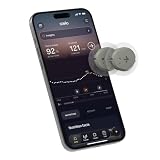
- ✅ For people NOT using insulin, ages 18 years and older
- ❌ Don't use if: On insulin, on dialysis, if you have problematic hypoglycemia, are modifying medication without HCP consultation, or if you have a history of eating disorders
- YOUR SUCCESS, OUR COMMITMENT: Should you experience an issue with your biosensor [2] before its 15-day wear time is up, we’ll replace it for free. [3]
- POWERFUL FEATURES: Get AI-powered coaching, plus discover in-app nutrition & glucose insights, advanced meal and activity logging, trend summaries and deep dives, pattern insights and much more—plus, effortlessly sync your data with Apple Health, Google Health Connect, and Oura.
- PRODUCT SUPPORT: Provided by Stelo through SteloBot, which can be accessed via the Stelo app by going to Settings > Contact. SteloBot virtual support assistant is available 24/7, and live agent support is available during regular business hours.
A narrative review in Diabetic Medicine, published June 26, 2024, describes the evidence base as underdeveloped. It notes missing clinical benchmarks and scoring methods, uncertainty about whether people find this kind of monitoring acceptable, and the possibility that readings could adversely affect eating habits. Those are not minor technical gaps: without agreed benchmarks, it is difficult to tell which pattern should prompt action, what action is beneficial, or whether a change matters over the long term.
A pattern is not a diagnosis
A CGM graph can show that your glucose rose after breakfast or looked different on a day you exercised. It cannot, by itself, tell you that a particular rise is dangerous, that a food is unhealthy for you, or that you have a disease. The cited medical sources do not establish a target pattern that every person without diabetes should pursue.
Why chasing every rise can backfire
The 2026 commentary warns that trying to prevent every post-meal increase can create stress and lead people to restrict nutritious foods, including fruit. The 2024 review likewise identifies possible effects on eating behavior as an area requiring study. A display that encourages fear of normal physiology may do more harm than the information is worth.
Free tools Windows power users keep installed
One-click scans. No signup required.
Who can obtain an over-the-counter CGM in the United States?
FDA clearance of Stelo
On March 5, 2024, the U.S. Food and Drug Administration cleared the Dexcom Stelo Glucose Biosensor System as the first over-the-counter CGM. The FDA described it for adults age 18 and older who do not use insulin, including people without diabetes who want to better understand how diet and exercise may affect blood sugar levels.
Rank #2

- HSA/FSA eligible. No prescription needed.
- 24/7 GLUCOSE TRACKING. See your glucose response to food, exercise, sleep, and other lifestyle factors via the Lingo app.
- OPTIMIZE YOUR NUTRITION. Discover which foods work for you and those that don't. The Lingo app shows you how specific meals and other factors impact your glucose, so you can learn from your insights and build healthier habits.
- NAVIGATE PREDIABETES WITH A NEW VIEW OF YOU. More time in healthy glucose range is linked to lower diabetes risk. Three out of four users with prediabetes say Lingo was effective in helping to achieve their health goals¹.
- HEALTHY GLUCOSE SUPPORTS HEART HEALTH. What you eat matters to your glucose and your heart. Keeping your glucose in a healthy range (70–140 mg/dL) more often can help protect your heart from heart disease²⁻⁴.
The clearance also specifies an important limitation: Stelo is not designed for people with problematic hypoglycemia because it does not provide alerts for that potentially dangerous condition. Eligibility for an over-the-counter device is therefore not the same as suitability for every person or every question.
FDA clearance describes a device’s permitted intended use. It does not prove that wearing the device improves health, lowers future diabetes risk, or produces a clinically meaningful benefit in people without diabetes. FDA Center for Devices and Radiological Health director Jeff Shuren, M.D., J.D., said, “Today’s clearance expands access to these devices by allowing individuals to purchase a CGM without the involvement of a health care provider.” Access without a prescription changes how a device can be purchased; it does not turn personal readings into a diagnosis.
How professional guidance frames OTC sensors
The American Diabetes Association’s Standards of Care in Diabetes—2025 describes over-the-counter CGM biosensors as insight-oriented devices for people with prediabetes or diabetes who are not using insulin. The standards emphasize education about interfering substances and other factors that can affect accuracy. That guidance does not establish a routine health benefit for people without diabetes.
Recommended Free Tools
When a CGM might be a reasonable experiment
For an adult who meets the device’s labeled population, a limited trial may answer a narrow, practical question about personal patterns. The potential value is observational: seeing whether a walk, a meal composition or the timing of activity is associated with a visible change. It is not a promise of disease prevention.
Rank #3

- HSA/FSA eligible. No prescription needed.
- 24/7 GLUCOSE TRACKING. See your glucose response to food, exercise, sleep, and other lifestyle factors via the Lingo app.
- OPTIMIZE YOUR NUTRITION. Discover which foods work for you and those that don't. The Lingo app shows you how specific meals and other factors impact your glucose, so you can learn from your insights and build healthier habits
- NAVIGATE PREDIABETES WITH A NEW VIEW OF YOU. More time in healthy glucose range is linked to lower diabetes risk. Three out of four users with prediabetes say Lingo was effective in helping to achieve their health goals¹.
- HEALTHY GLUCOSE SUPPORTS HEART HEALTH. What you eat matters to your glucose and your heart. Keeping your glucose in a healthy range (70–140 mg/dL) more often can help protect your heart from heart disease²⁻⁴.
- Curiosity with realistic expectations: You are comfortable treating the graph as information rather than a score of virtue or health.
- A specific coaching question: You want to compare a few ordinary routines, such as eating and then taking a walk, while accepting that the result is personal and not a universal prescription.
- Willingness to discuss uncertainty: You can review confusing or concerning patterns with a qualified clinician instead of self-diagnosing.
- Ability to stop: You can remove the sensor or discontinue the app if monitoring increases anxiety, guilt or restrictive eating.
These conditions describe a possible use, not a recommendation that everyone should wear one. The strongest case is for short-term learning with a defined question and a plan not to overinterpret the answers.
When a consumer CGM is the wrong tool
Suspected diabetes or concerning symptoms
If you have symptoms that concern you, a CGM should not replace clinical assessment or laboratory testing. Arrange medical care for persistent excessive thirst or urination, unexplained weight change, unusual fatigue, recurrent infections, fainting, confusion or any other symptom that feels abnormal. A sensor intended for non-insulin users is not a diagnostic pathway.
Possible problematic hypoglycemia
Stelo’s FDA-cleared use excludes people with problematic hypoglycemia because it does not provide alerts for that condition. Anyone with suspected or diagnosed low-blood-glucose episodes needs clinician-guided evaluation and a device appropriate to that risk, rather than relying on an OTC sensor without the required alert function.
What’s actually slowing this PC down?
Pick the symptom - the matching free tool is one click away.
A history of disordered or restrictive eating
Continuous numerical feedback can intensify food rules, compensatory exercise or fear of normal meals. Because the 2024 review identifies potential eating-habit effects and the 2026 commentary describes unnecessary restriction as a risk, people with current or past eating-disorder symptoms should discuss the idea with a clinician before using glucose data, and may reasonably decide not to use it.
Rank #4

- Long-Lasting, 100% Compatible with Dexcom G7 & Stelo Patch: Hold your CGM device firmly to your skin and extend its life without causing it to fall off or hang loose; designed to withstand external and physical force, our diabetic patch enables you to do all the things you care about without your sensor detaching from your skin
- Waterproof and Sweatproof, stays on through anything - Waterproof adhesive of our Dexcom g7 Patch keeps your device secure during showers, swims, and sweaty days. For best results, just blot the patch dry after water exposure.
- Comfortable, Skin-Friendly & Pre-Cut to Fit Your Device: Our breathable overpatches are made of 100% medical-grade adhesive that is zinc oxide-free, hypoallergenic, and not made with natural rubber latex, for zero irritation. Live without limits while wearing your patch.
- 4-Way Stretch, Easy Application: Our patches are ingeniously split into 5 parts for a seamless application; for best results, prep skin with an adhesive barrier solution like Skin Tac, apply the sensor, and apply the patch before bed to allow the adhesive to set well before any activities
- Commitment to Quality: We use only superior materials and adhere to high standards of quality and safety — so you can work hard and play hard without affecting your blood sugar testing
Expecting a definitive answer from one reading
If your goal is to know whether you have diabetes or prediabetes, a clinician can choose validated tests and interpret them in context. A CGM trend is not a substitute for that process.
Independent reader supportYour contribution helps us test, update, and keep practical guides available for everyone.How to use a CGM without turning it into a health score
- Define the question first. Write down one or two things you want to observe, such as whether activity after a usual meal changes the subsequent trend. Do not begin with a goal of keeping every value flat.
- Confirm eligibility and read the labeling. Check age, insulin use, hypoglycemia warnings and any regional restrictions for the specific product. Follow the manufacturer’s insertion, wear-time, replacement and app instructions.
- Learn what the display means. Review how the app shows a current value, direction or trend and missing data. Ask a clinician or pharmacist about accuracy limitations and factors the manufacturer says may interfere with readings.
- Record context, not just numbers. Note meals, activity, sleep, illness, stress and unusual circumstances. A graph without context encourages false conclusions about a single food or behavior.
- Look for repeated patterns. Compare similar situations over several occasions rather than reacting to one peak. Even a repeated personal pattern remains an observation, not proof that changing it will improve long-term health.
- Choose a proportionate response. Keep nutritious foods that you tolerate well. If you test a change, make one modest change at a time and judge it by overall wellbeing, not by eliminating every visible rise.
- Set a stopping rule. Stop the trial if monitoring causes anxiety, guilt, compulsive checking, sleep disruption or restrictive eating. Discuss persistent concerns with a health professional.
- Escalate genuine concerns appropriately. Bring a record of symptoms and relevant trends to a clinician. Do not use the app to delay care or to make medication decisions on your own.
How to interpret readings responsibly
Separate observation from meaning
“My glucose rose after lunch” is an observation. “Lunch damaged my health” is an interpretation that the current evidence does not justify. The same distinction applies to a lower reading after exercise: it may describe what happened in that moment without proving that the activity prevented disease.
Use trends as context, not a pass-fail test
Frequent readings can help you notice timing and direction, but ordinary variation is expected. There is no evidence-based universal threshold in the cited sources that tells every person without diabetes when a post-meal rise is unacceptable. Avoid setting personal rules from social-media charts or from another person’s targets.
Respect measurement limits
The ADA’s 2025 standards advise users to learn about interfering substances and other factors that affect accuracy. Follow the product instructions, and treat an unexpected result as a reason to check context and seek professional advice—not as proof of disease. Never use a CGM to justify stopping prescribed treatment or to make urgent decisions beyond its labeled purpose.
CGM versus not using one: a practical comparison
| Decision factor | Trying a CGM | Not using a CGM |
|---|---|---|
| Primary purpose | Observe personal glucose patterns around diet or activity | Rely on symptoms, routine preventive care and clinician-directed testing |
| What the evidence supports | Pattern observation; no established improvement in health or diabetes prevention for people without diabetes | Avoids interpreting a stream of uncertain data; does not itself diagnose or prevent disease |
| Eligibility | Must match the specific device’s labeled population; Stelo is for adults 18 and older who do not use insulin and is not designed for problematic hypoglycemia | No sensor eligibility issue, but concerning symptoms still warrant medical assessment |
| Main possible downside | Anxiety, compulsive checking or unnecessary restriction of nutritious foods | Less immediate feedback about meal and activity patterns |
| Accuracy considerations | Requires understanding sensor limitations, interfering substances and other factors described in labeling | No sensor readings to misinterpret |
| Cost and access | Varies by device, region and purchasing route; the cited sources do not establish a universal price | No CGM purchase or sensor replacement cost |
| When to seek care | Use a clinician for symptoms, suspected diabetes or possible hypoglycemia rather than relying on the app | Use a clinician for the same concerns; validated testing can be selected directly |
Do not confuse a CGM with a noninvasive watch or ring
On February 21, 2024, the FDA warned consumers about smartwatches and smart rings that claim to measure blood glucose without piercing the skin. Those claims are different from an app that displays data transmitted by an authorized, sensor-based CGM. A watch or ring that says it measures glucose on its own is not equivalent to a cleared biosensor simply because both show a number on a screen.
Questions to ask before buying or wearing one
- What specific question am I trying to answer, and how will I know when I have enough information?
- Does this device’s labeled population include me, particularly regarding age, insulin use and hypoglycemia?
- What factors can interfere with accuracy, and what does the manufacturer instruct me to do when a reading seems inconsistent with how I feel?
- Could seeing glucose values worsen anxiety, food rules or exercise compulsion?
- Who will help interpret a concerning pattern, and what symptoms should prompt care regardless of the graph?
A sensible decision for most people
If you do not have diabetes and are simply curious, a CGM can be an optional, time-limited way to observe how your own readings change. Keep the question narrow, follow the device’s labeling and protect normal eating from unnecessary rules. If your goal is prevention, diagnosis, or evaluation of low-glucose symptoms, the evidence does not support using a consumer CGM as a stand-alone solution; clinician-directed assessment is the more appropriate route.
Quick Recap
Product prices and availability are accurate as of the date/time indicated and are subject to change. Any price and availability information displayed on Amazon at the time of purchase will apply.

