The deeper risk of AI in education is that students can produce convincing work without learning the knowledge or skills that work is supposed to demonstrate. That is not the same as saying AI inevitably harms learning: outcomes depend on whether a tool replaces students’ thinking or is deliberately used to support it.
Why is task completion not the same as learning?
A polished essay, correct answer or finished assignment shows what a student was able to submit under particular conditions. It does not, by itself, show what the student can explain, remember or do independently. When a general-purpose generative AI tool supplies important parts of the reasoning or writing, the final product can overstate the learner’s own mastery.
As an Amazon Associate I earn from qualifying purchases.
The OECD’s OECD Digital Education Outlook 2026: Exploring Effective Uses of Generative AI in Education, published 19 January 2026, draws this distinction between performance and learning. It reports that general-purpose GenAI can improve performance on a task without producing real learning gains when it is used without pedagogical guidance. Performance advantages may also disappear or reverse on exams taken without AI access. The OECD summarizes the risk this way: “However, if designed or used without pedagogical guidance, outsourcing tasks to GenAI simply enhances performance with no real learning gains.”
Do these 3 things before closing this tab:
1Clear out junk files and repair common Windows errors2Scan for outdated or missing drivers - takes under a minute3Repair Windows errors before they cause bigger problemsThis is a warning about a mismatch, not proof that every student who uses AI learns less. The same OECD synthesis says that educational tools designed around teaching goals and deliberate strategies can support learning. The key question is not simply whether AI was present, but what intellectual work the student still had to do and what they can do afterward without assistance.
#1 Best Overall

- TURN MATH INTO AN ADVENTURE! – Make math practice fun with this interactive math board game for kids! This addition and subtraction game is perfect for preschool, 1st, 2nd, and 3rd graders, and family game night.
- LEARNING THROUGH PLAY – No boring worksheets! With Number Hunter kids board game, kids embark on a fun expedition around the world, learning addition, subtraction, and even and odd numbers without even realizing it.
- EASY TO LEARN, FUN TO PLAY – Roll the dice, add or subtract the numbers, and move forward. Land on a star tile to complete a fun action or math challenge. Be the first to reach the finish line to win!
- BUILD EARLY STEM SKILLS – This number game for kids 5-7 supports early math learning, critical thinking, and problem-solving in a playful, stress-free way.
- HOMESCHOOL ESSENTIAL – This kids game is a great choice for parents and teachers looking for a fun number game that can be used as part of homeschool supplies.
How is this different from cheating?
Cheating is about rules, authorship and whether submitted work is represented honestly. Learning is about what a student understands and can apply. The two issues overlap, but they are not interchangeable: a student can break an academic-integrity rule, while a student who follows a disclosure policy can still outsource so much thinking that the assignment teaches little.
The distinction matters for assessment. A school needs clear expectations about permitted assistance and attribution, but an integrity policy alone cannot establish that learning occurred. Teachers also need ways to see how students reached an answer and whether they can explain or transfer the underlying idea.
Rank #2

- Educational Journey: Embark on an exciting educational journey with the Scholastic Race Across the USA Game. Explore the diverse geography of our country while having fun with this engaging board game.
- State-Hopping Adventure: Visit six states, answer geography questions, and race back to your home state to claim victory! The game combines learning and entertainment, making it an ideal choice for educational play.
- Grade-Appropriate Questions: Tailored to each player's grade level, the game ensures that questions are suitable for their educational stage. Enjoy a personalized learning experience that adapts to the unique needs of players.
- Inclusive Gameplay: Designed for kids aged 8 and up, this game allows children from different grades to play together on an even field. Foster friendly competition and collaboration as players of various ages join forces in this educational adventure.
- Perfect for Group Play: Whether it's a family game night or a classroom setting, the Scholastic Race Across the USA Game encourages group play. Bring kids together for a shared learning experience that promotes camaraderie and knowledge sharing.
The scale of educators’ concern is visible in figures presented in the 2026 OECD Outlook from TALIS 2024: 72% of lower-secondary teachers surveyed believed AI can harm academic integrity by allowing students to pass off work as their own. In the same report, 37% of lower-secondary teachers used AI for their job in 2024, and 57% agreed it helps write or improve lesson plans. These are teacher figures, not estimates of student AI use, and they should not be generalized beyond the survey’s population and context.
The Tool Desk
Outbyte Driver Updater FREEScan for outdated or missing drivers - takes under a minuteDriver Scan →Outbyte PC Repair FREERepair Windows errors before they cause bigger problemsFix Now →What does AI use that supports learning look like?
A useful test is whether AI helps a student practice, question, revise or understand while keeping the learner responsible for the core thinking. By contrast, asking a general-purpose system to produce the answer that an assignment is meant to elicit can make the submission look stronger without building the intended skill.
Rank #3

- BUILD YOUR OWN SENTENCES!: Turn sentence and grammar building skills into a fun adventure with this hands-on activity! Young learners will gain confidence in reading and writing while exploring creative ways to form sentences.
- INCLUDES: 120+ color-coded word tiles (1.3 x 1 inches) organized by parts of speech, 20 wooden sentence builder tiles, 2 cloth bags, and an easy-to-follow instruction manual.
- HOW TO PLAY: Lay out the wooden sentence builder tiles and place all the colored tiles in one bag. Draw 10 colored tiles from the bag, read them aloud with your child, and work together to create sentences. Toss the used words into the second bag and refresh with new ones to keep the activity going!
- LOOKING FOR FUN WAYS TO LEARN? Designed by educators, this engaging activity helps kids focus on building sentences step-by-step, improving their vocabulary, grammar, and overall language development.
- STEP-BY-STEP GUIDE: The included instruction manual provides a clear, step-by-step guide to building sentences and introduces basic sentence-building rules, helping kids learn essential grammar concepts in a fun and interactive way.
- Keep foundational practice visible. Students need opportunities to build subject knowledge and independent thinking without AI. The OECD’s 2025 chapter, Embracing the opportunities of artificial intelligence and educational technology: Reimagining Teaching in an Accelerating World, recommends assessing foundational knowledge without AI support where appropriate.
- Make students examine, not merely accept, outputs. Asking learners to check an AI-generated explanation, identify unsupported claims, compare it with course material or explain a revision requires judgment the system cannot demonstrate on their behalf.
- Assess the process as well as the product. Drafts, intermediate work, explanations and discussion can help a teacher understand what a student contributed and where support was needed.
- Check whether learning transfers. A student should be able to use the relevant knowledge in a new problem or explain it when the tool is not available. The final AI-assisted output is not a substitute for that evidence.
The OECD’s stated aim is for learning and teaching to develop human knowledge and skills “without GenAI, with educational GenAI, and then with general-purpose GenAI.” In practice, that means students should not be expected to use AI for every task: they need both appropriate opportunities to use it and chances to demonstrate unaided understanding.
What wider risks should schools consider?
Whether or not an individual assignment involves outsourcing, education AI raises questions about rights, fairness and the conditions in which students learn. OECD’s 2023 guidance, Opportunities, guidelines and guardrails for effective and equitable use of AI in education, identifies concerns including unequal access, privacy and security, bias in automated decisions, discrimination, stigma and the risk of prioritizing tasks that are easiest to digitize over a broad curriculum. These are documented risks to assess, not evidence that every tool produces every harm.
Rank #4

- WHAT'S INCLUDED: This engaging math game features 50 item cards with play paper money and coins. Players use mental math to subtract the price of an item from the amount paid to make the correct change and collect items for bonus points
- LEARN ABOUT MONEY: Our Making Change game introduces children to practical money management and real-world math skills. Kids develop confidence in calculating change & understanding currency values while having fun competing with friends and family
- DEVELOPS ESSENTIAL SKILLS: This game builds mental math abilities, practical money skills, subtraction fluency, and strategic thinking. Perfect for individual practice or group play that encourages conversation and healthy competition among players
- DESIGNED FOR: Ages 5 and up. Features colorful item cards across 10 different categories. Ideal for home learning, classroom math instruction, or family game nights that make money skills engaging and educational
- SAFE & SUSTAINABLE: Sustainably sourced and made with FSC-certified paper, printed using vegetable-based inks. eeBoo is a Woman Owned, Mother Run business dedicated to sustainability, safety, and the creation of quality products
Equity is more than whether students can open an AI tool. UNESCO’s 2025 report, AI and education: Protecting the rights of learners, says around 2.6 billion people lacked internet access globally as of 2024. UNESCO warns that the digital divide can become an AI divide, with vulnerable groups particularly affected. A connection alone does not ensure that a learner has a suitable device, accessible tools, useful support or an equal chance to benefit.
What’s actually slowing this PC down?
Pick the symptom - the matching free tool is one click away.
Data and automated judgments deserve scrutiny too. An OECD 2024 working paper, The potential impact of Artificial Intelligence on equity and inclusion in education, discusses privacy, commercialization and accountability concerns, including uncertainty about who is responsible when a system gives inaccurate or discriminatory guidance. It also notes concerns that systems inferring cognitive or emotional states may be less accurate for people with disabilities or different cultural backgrounds. Schools should treat such systems’ inferences as fallible, not as definitive knowledge about a child.
Best Value
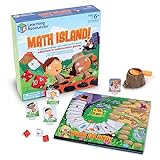
- FUN LEARNING EXPERIENCE - Turn math practice into an exciting adventure game where kids solve addition and subtraction problems to navigate through a volcano island, making learning enjoyable
- BUILDS MATH CONFIDENCE - Children practice essential math facts with two 10-sided number dice and an operation die that create varied equations, helping them develop quick mental math skills
- ENGAGING GAMEPLAY MECHANICS - The exciting volcano popper launches dice when players land on special spaces, adding a thrilling element that keeps children asking to play again
- FAMILY GAME NIGHT OR CLASSROOM - Designed for 2-4 players ages 6+, making it ideal for siblings of different ages or parents wanting quality educational time with their children or in classroom math centers
- HIGH-QUALITY COMPONENTS - Includes a colorful game board, 4 adventure character pieces, volcano popper mechanism, 2 number dice, 1 operation die, and easy-to-follow instructions
Finally, learning is social as well as academic. OECD sources identify a risk that excessive technology-based activity may contribute to isolation and negatively affect mental health or learning outcomes, particularly for younger learners. The 2024 paper also discusses concerns about reduced human interaction, trust, empathy and sociability, and the limits of AI in replacing educators’ nuanced understanding. These are reasons to protect meaningful human contact, not proof that every AI tool causes isolation or harm.
Independent reader supportYour contribution helps us test, update, and keep practical guides available for everyone.How can a school evaluate an education AI tool?
Before adopting a tool or expanding its use, leaders can require clear answers to questions that connect learning evidence with rights and classroom practice:
- Learning objective: What specific learning goal does the tool serve, and what evidence shows students retain or transfer learning after assistance is removed?
- Cognitive effort: Which parts of the task must students still reason through themselves? Which foundational skills need to be taught and assessed without AI support?
- Fit: Is the tool suitable for the students’ age, curriculum and accessibility needs, or does it encourage a narrower version of learning because that is easier to automate?
- Data and responsibility: What learner data are collected, how are they secured and used, and who is accountable for inaccurate or discriminatory outputs?
- Fairness: Has performance and accessibility been examined across relevant student groups, including learners with disabilities and students from different cultural backgrounds?
- Human oversight: Can teachers understand and challenge consequential outputs? Does use preserve teacher judgment, student agency and time for human relationships?
- Practical access: Do students and educators have equitable access to devices, connectivity and the training needed to use the tool appropriately?
The OECD’s 2026 Outlook and 2025 teaching chapter support clear pedagogical purpose, privacy and safety expectations, bias testing, transparency, age appropriateness, educational alignment, equitable infrastructure and sustained professional learning. These are governance and implementation safeguards, not guarantees that a particular product will improve learning. Requirements also vary by jurisdiction; international policy guidance should not be mistaken for a statement of local legal duties.
Free tools Windows power users keep installed
One-click scans. No signup required.
What can the evidence say about long-term harm?
The evidence supports taking the gap between performance and mastery seriously, as well as evaluating access, privacy, fairness and human interaction. It does not establish a single quantified, long-term causal estimate of AI’s effect on children’s overall cognitive development across a generation. The responsible conclusion is neither that AI is harmless nor that it inevitably damages students: its educational value depends on design, use and whether schools continue to measure what students can learn and do themselves.
Quick Recap
Product prices and availability are accurate as of the date/time indicated and are subject to change. Any price and availability information displayed on Amazon at the time of purchase will apply.




