If an adult is unresponsive and is not breathing normally—or is only gasping—call your local emergency number, start chest compressions, and have someone bring an AED. Follow the emergency dispatcher’s instructions. The steps below are for an adult; use age-appropriate guidance for a child or infant.
How do you know whether to start CPR?
- Check that the scene is safe. Do not approach if there is a danger such as traffic, fire, or live electricity.
- Check for a response. Tap the adult’s shoulders and shout. If they do not respond, look for normal breathing.
- Act if they are not breathing normally. Occasional, slow, irregular gasps—including snoring-like gasps—are not normal breathing. These can occur during cardiac arrest and be mistaken for ordinary breaths. The American Heart Association’s 2025 adult guideline says lay rescuers should assume possible cardiac arrest when an adult is unresponsive and has absent or abnormal breathing, including gasping. You do not need to check for a pulse.
The AHA guideline reports that agonal breathing occurs in up to 40% to 60% of out-of-hospital cardiac arrests. That figure describes cardiac-arrest cases; it is not a way to predict what is happening to a particular person. If you are unsure whether the breathing is normal, call emergency services and follow the dispatcher’s directions.
As an Amazon Associate I earn from qualifying purchases.
What should you do first?
- Shout for help. If another person is there, direct them to call your local emergency number and bring an AED.
- If you are alone, call emergency services first. Use your phone’s speaker function if available, tell the dispatcher the person is unresponsive and not breathing normally, and follow their instructions. Then begin CPR promptly.
- Put the person on their back on a firm, flat surface if you can do so without delaying compressions.
How do you give chest compressions?
- Kneel beside the adult. Place the heel of one hand in the center of the chest, then put your other hand on top and interlock your fingers.
- Keep your arms straight and your shoulders directly over your hands.
- Push hard and fast: aim for 100 to 120 compressions per minute and a depth of at least 2 inches for an average adult. Let the chest return fully after every push.
- Keep pauses as short as possible. If you are untrained or unwilling to give breaths, continue chest compressions rather than waiting or doing nothing.
Should you give rescue breaths?
If you are trained in CPR and able to give breaths, use cycles of 30 compressions followed by 2 breaths, as described in the American Red Cross public adult CPR steps. Give only enough air to make the chest rise. If you cannot or do not want to give breaths, provide continuous chest compressions. Do not delay starting compressions to decide whether to give breaths.
Do these 3 things before closing this tab:
1Fix the driver behind crashes, sound loss and screen glitches2Repair Windows errors before they cause bigger problems3Scan for outdated or missing drivers - takes under a minuteHow do you use an AED?
- As soon as an AED arrives, turn it on and follow its spoken or visual prompts.
- Expose the person’s chest and attach the pads as shown in the diagrams on the pads or device.
- Make sure nobody is touching the person while the AED analyzes the heart rhythm. If it advises a shock, ensure everyone is clear before delivering it.
- After the AED gives a shock—or tells you that no shock is advised—resume CPR when prompted. The AHA’s 2025 lay-rescuer algorithm directs rescuers to resume CPR for 2 minutes after applying the pads and then follow the AED’s prompts.
When should you stop CPR?
Keep giving CPR and follow the AED’s instructions until the person shows signs of life, trained responders take over, the scene becomes unsafe, or you are physically unable to continue. If the person starts breathing normally or moving, stop compressions and follow the dispatcher’s instructions while waiting for responders.
#1 Best Overall

- Dual-Age Training Bundle: A comprehensive starter kit featuring one professional adult manikin and one infant manikin in a medium skin tone, ideal for teaching CPR techniques for multiple age groups.
- Integrated Performance Indicators: Both manikins are equipped with built-in rate indicators that provide immediate visual LED feedback, ensuring students maintain the recommended compression speed.
- Tactile Depth Feedback: Features internal mechanical clickers that provide an audible signal once the correct, age-appropriate compression depth is reached, reinforcing proper physical technique
- Universal AED Simulation: Includes a Prestan AED UltraTrainer with adult/child modes and dual-language (English/Spanish) voice prompts to simulate realistic emergency defibrillation scenarios without delivering a shock.
- Instructor Accessory Package: Comes complete with a padded carrying case, a set of adult and infant face-shield lung bags, and specialized training pads. Supported by a 3-year manufacturer’s warranty on manikins.
What if the person may have overdosed, or is a child?
Suspected opioid overdose
If an opioid overdose is suspected and naloxone is available, give it according to its instructions while emergency help is activated. The AHA’s 2025 lay-rescuer algorithm says to give naloxone if available and resume CPR. The 2024 AHA/Red Cross first-aid guideline also calls for emergency activation and high-quality CPR with compressions and ventilation in suspected opioid overdose when the person is unresponsive and not breathing normally. Do not let giving naloxone delay CPR or the emergency call.
Infants and children
This guide is for adult lay-rescuer CPR. Adult compression-depth and other instructions do not automatically apply to an infant or child. Follow the dispatcher’s age-specific directions or current pediatric CPR guidance.
Rank #2

- Prestan Professional Manikins with feedback, 4 Adults, 4 Infants, 2 each Med & Dark Tone
- Prestan AED Ultra Trainers - 4 Pack
- Accessories (Face Shields/Lung Bags, Kneeling Mats, ManiVests, ManiBibs, Carry Bags)
- Batteries Required - not included
- 3-Year Warranty
Where can you learn CPR and AED skills?
For practice before an emergency, take a current CPR/AED course from a recognized provider such as the American Heart Association or American Red Cross. Hands-on training can help you rehearse compressions, breaths, and AED use; in an emergency, follow the dispatcher and the device rather than delaying action while trying to recall a course.
Quick wins for a faster PC:
Fix the driver behind crashes, sound loss and screen glitchesFind Drivers →Clear out junk files and repair common Windows errorsFree Scan →Quick Recap
Best Value

- Prestan Professions Manikins with feedback--4 Medium Tone
- 4 Prestan AED Ultra Trainers
- Accessories (Face Shields/Lung Bags, Kneeling Mats, ManiVests, Carry Bags)
- Batteries Required--not included
- 3-Year Warranty
Rank #4

- AHA Compliant Prestan Professional Manikins with feedback, 2 Adults, 2 Infants, Medium Tone
- 2 Prestan AHA Compliant AED Ultra Trainers
- Accessories (Face Shields/Lung Bags, Kneeling Mats, ManiVests, ManiBibs, Carry Bags)
- Batteries Required - not included
- 3-Year Warranty
Rank #3
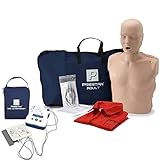
- 1 Prestan Professional Adult Manikin-Medium Tone
- 1 Prestan AED Ultra Trainer
- Accessories (Face Shields/Lung Bags, Kneeling Mat, ManiVest, Carry Bags)
- Batteries Required--not included
- 3-Year Warranty
Product prices and availability are accurate as of the date/time indicated and are subject to change. Any price and availability information displayed on Amazon at the time of purchase will apply.




