The Dewey Decimal Classification (DDC), commonly called the Dewey Decimal System, is a way libraries organize materials by subject. Its numbers move from broad subject areas to narrower ones, helping readers browse collections and locate items through a library’s shelves or catalog. “Duey” is a misspelling; the correct name is Dewey.
What does the Dewey Decimal System do?
The DDC gives library materials subject-based classification numbers. At the broadest level, it divides knowledge into ten main classes. Each class is divided into ten divisions, and those divisions into sections. The summaries therefore outline 10 main classes, 100 divisions and 1,000 sections; not every possible number is used. OCLC’s main-class overview describes the hierarchy, and its introduction to DDC explains the classification.

As an Amazon Associate I earn from qualifying purchases.
A number’s digits indicate increasingly specific subject areas: the first digit identifies its broad class, while further digits narrow the topic. The decimal structure lets the system express finer distinctions within that hierarchy. A Dewey number is a subject classification, not an ISBN or a globally unique identifier for a particular book or copy.
Recommended Free Tools
What do the first three digits mean?
The first three digits generally show the broad class or one of its divisions. OCLC lists the ten top-level classes as follows:
#1 Best Overall

- Organize special collections or communicate information to library patrons with these classification labels
- Apply easy-to-use labels to book or media spines
- High-tack, pH neutral adhesive bonds labels permanently to paper, book jacket covers, spines, CDs, DVDs and more
- Acid-free, gloss coated stock paper
- 1"H x 3/4"W
| Range | Main class |
|---|---|
| 000 | Computer science, information and general works |
| 100 | Philosophy and psychology |
| 200 | Religion |
| 300 | Social sciences |
| 400 | Language |
| 500 | Science |
| 600 | Technology |
| 700 | Arts and recreation |
| 800 | Literature |
| 900 | History and geography |
These are broad groupings, not complete descriptions of every item within them. For example, class 000 also includes some fields concerned with knowledge and information; class 900 is primarily history and geography. A longer number can identify a more specific subject within a class. OCLC’s DDC introduction provides the official outline.
How do you use a Dewey number to find something?
- Search the library catalog for the title, author or subject you want.
- Check the item’s location and call number in the catalog record. A Dewey number can form part of that call number, alongside other information used by the library.
- Follow the library’s shelf labels to the relevant number range, then use the full call number to find the item among nearby materials.
- Ask library staff or consult the catalog again if the item is listed as unavailable, held in a special collection, or arranged under a local system.
The number helps organize and browse by subject, but it does not by itself guarantee an item’s exact location. Libraries may use local arrangements, and not every library classifies every material with Dewey. The catalog record and that library’s practices are essential to finding a specific copy.
Rank #2
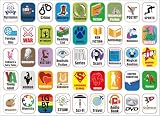
- Enhanced Organization: Simplify your library or classroom collection with our set of 45 genre book spine labels, designed to streamline book identification and sorting.
- Comprehensive Set: With 450 classification stickers included, this pack covers a wide range of genres, making it ideal for diverse library collections or classroom libraries.
- Durable and Practical: These labels are made to last, featuring high-quality materials that withstand frequent handling and ensure long-term use in busy educational environments.
- Easy Application: The stickers are easy to apply to book spines, providing a hassle-free solution for categorizing and organizing your books effectively.
- Versatile Use: Suitable for libraries, classrooms, or personal book collections, these labels offer a versatile and convenient way to categorize books by genre for quick reference and accessibility.
Is the Dewey Decimal System still used?
Yes. OCLC says libraries in more than 135 countries use DDC or classification systems based on it; the organization’s country page does not state a publication year for that figure. This establishes broad international use, not universal adoption. OCLC’s countries page lists the reported use.
Quick wins for a faster PC:
Scan for outdated or missing drivers - takes under a minuteDriver Scan →Repair Windows errors before they cause bigger problemsFix Now →Fix the driver behind crashes, sound loss and screen glitchesFind Drivers →For librarians and metadata professionals, OCLC describes WebDewey as the electronic version of DDC, with published numbers, mappings and approved new terms. WebDewey is a professional classification resource rather than something a general reader needs in order to understand a library shelf number.
Rank #3

What has changed in the latest DDC edition?
OCLC’s 2026 print-on-demand edition includes changes and topics available as of January 2026. OCLC says the print version is updated annually; examples in its March 26, 2026 announcement include revisions or expanded coverage for management guidance, Orthodox Christian liturgy, naval ships and astronautics, and Arabian Peninsula history. OCLC’s 2026 edition announcement provides the details. The print reference set is aimed at professional use; most readers looking up a book can rely on their library catalog instead.
Quick Recap
Best Value
Product prices and availability are accurate as of the date/time indicated and are subject to change. Any price and availability information displayed on Amazon at the time of purchase will apply.




