The Tool Desk
Outbyte Driver Updater FREEFix the driver behind crashes, sound loss and screen glitchesFind Drivers →Outbyte PC Repair FREEClear out junk files and repair common Windows errorsFree Scan →If you’re asking “What should you not do in the ER?”, the short answer is this: don’t hold back or fudge information, don’t eat, drink or take medicine without checking, don’t stay silent if you get worse, don’t slip out without telling anyone, and don’t leave without understanding the plan. This isn’t a measured or ranked list. It is a set of common, avoidable mistakes drawn from guidance published by health services and hospitals, including the NHS, Queensland Health, Victoria’s Better Health Channel, UPMC, King’s College Hospital, Temple Health and the U.S. Centers for Medicare & Medicaid Services (CMS). None of them is a named-doctor quote, so the advice isn’t attributed to any particular physician.
Practices differ by country and hospital. If staff give you an instruction that differs from anything below, follow your care team.
| # | Preview | Product | Price | |
|---|---|---|---|---|
| 1 |
|
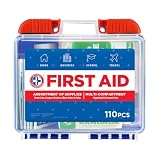
Be Smart Get Prepared 110 Pc First Aid Kit - Home, Car, Office, Travel, FSA | $8.49 | Buy on Amazon |
As an Amazon Associate I earn from qualifying purchases.
1. Treating a long wait as neglect
Emergency departments don’t see people in arrival order. The NHS explains that patients are assessed first and triage sets the order of care, with the most seriously unwell seen first. It also states: “Arriving by ambulance does not always mean you’ll be seen sooner than if you had walked into A&E.” Queensland Health likewise says patients are treated by priority, and a quiet-looking waiting room may not reflect how busy urgent care is elsewhere in the department.
What’s actually slowing this PC down?
Pick the symptom - the matching free tool is one click away.
So a wait alone isn’t proof that you’ve been forgotten. What you can control is the quality of what you tell the triage team and whether you stay reachable.
#1 Best Overall
- Manufactured by the #1 leading manufacturer of First Aid Kits in the USA. 100 pieces of comprehensive first aid treatment products.
- This Kit meets United States FDA Regulatory Standards as a Medical Device. Ideal for most businesses and perfect for family use at home or travel.
- Fully organized interior compartments provides quick access. The rugged, sturdy, high density plastic case is impact resistant
- Compact size case measures 7.5in x 2.5in x 6.8in, is portable and can easily fit anywhere.
- "Features Easy Slide Latches that securely locks into place."
2. Not telling staff when you feel worse or different
Triage is a snapshot. Temple Health asks patients to tell staff if they feel worse or different so the team can reevaluate them. Waiting quietly while pain spreads, breathing gets harder, or a new symptom appears is one of the more consequential mistakes, because the queue order was based on how you looked earlier. Tell the nurse or reception desk plainly what has changed and when.
3. Giving incomplete or inaccurate health information
Staff can’t safely guess your medication history. Several sources agree on what to share:
- Medicines: everything you take regularly, including herbal supplements (UPMC asks for home medications, allergies and herbal supplements partly to help prevent interactions). King’s College Hospital notes a written list helps. The NHS also advises bringing your medicines.
- Allergies: to drugs and anything else relevant.
- Health history: existing and past problems and treatments.
- Context: Better Health Channel (Victoria) adds recent overseas travel, and pregnancy or breastfeeding.
Answer plainly, even if the answer feels embarrassing. If you’re unsure of a dose or a drug name, say so rather than guessing; “I take a blood pressure tablet but I don’t know the name” is useful. Which details matter depends on your condition, so let staff ask follow-up questions.
4. Eating, drinking or taking medicine without checking
UPMC tells patients to ask staff before eating or drinking, because a test or procedure may need an empty stomach. Better Health Channel similarly notes you may need to fast for some tests or procedures. This isn’t a rule to starve or to skip prescribed medicine. It’s a reason to check first. A safe phrase: “Before I eat, drink, or take medicine I brought with me, can I check with you?”
Independent reader supportYour contribution helps us test, update, and keep practical guides available for everyone.5. Walking out without telling anyone
If you’ve decided you can’t stay, say so. Queensland Health asks patients to tell reception or the triage nurse before leaving, and King’s College Hospital says people who no longer wish to wait should tell a staff member. Telling them lets the team explain the risks, suggest next steps or alternatives, and take you off the waiting list properly.
For readers in the United States, CMS describes rights under EMTALA: covered hospitals must provide an appropriate medical screening examination and, if an emergency medical condition is found, necessary stabilizing treatment or an appropriate transfer. That is U.S. federal law and doesn’t apply elsewhere; the exact process for leaving varies by jurisdiction and clinical circumstances.
6. Leaving without understanding the discharge plan
Discharge is where many problems start once you’re home. The Pennsylvania Patient Safety Authority (April 2018) advises asking staff to review instructions and to ask about anything unclear. It says instructions should cover activity, diet, follow-up, discharge medicines, and what to do if symptoms return or worsen. Indiana’s Family and Social Services Administration fact sheet adds confirming medication directions and how test results not yet available will reach you. Queensland Health lists understanding the treatment, what each medicine is for, and when and with whom to follow up.
Questions drawn from that guidance:
- What do you think is causing this?
- What should I do at home?
- Which medicines should I start, stop or continue?
- How will I get results that are still pending?
- What changes mean I should come back or seek help?
Ask for clear written instructions, and keep asking until you can repeat the plan in your own words.
7. Using the ER when another route is safer or faster
MedlinePlus (U.S. National Library of Medicine) and the NHS both draw a line between emergencies and problems better handled by urgent care or other services. The flip side matters too: MedlinePlus cautions against delaying care when symptoms could be serious. If you suspect a true emergency, don’t talk yourself out of going.
Quick Recap
Quick checklist before you go
- A current list of medicines, doses, supplements and allergies (or the medicines themselves).
- A short timeline of symptoms.
- Someone who can stay with you, if possible.
- A phone charged enough to receive results or follow-up calls.
Product prices and availability are accurate as of the date/time indicated and are subject to change. Any price and availability information displayed on Amazon at the time of purchase will apply.




