Most Saros 10R problems can be isolated without disassembling the robot. Start with the dock, app settings, tanks and consumables, then clean the sensors and brushes. A robot that was moved by hand or started in spot-cleaning mode may rebuild its map and fail to find a distant dock; a robot that misses areas often needs its wall, cliff or carpet sensors wiped. Use the symptom sections below in order, and stop at the manufacturer-support step for persistent voltage warnings or internal dock faults.
Start with this low-risk triage
Work through these checks before changing maps or buying parts. They separate a setup problem from a blockage or a fault.
As an Amazon Associate I earn from qualifying purchases.
- Confirm the robot and dock have power. Check that the dock is plugged into a suitable outlet and that the robot shows a charging state when seated. Do not open the dock or attempt electrical repair.
- Return the robot to its normal starting point. If it was carried to another room or used for a spot clean, place it back on the dock before testing navigation or automatic functions.
- Check dock placement. The dock should stand on a hard, flat floor against a wall, with at least 0.75 m (2.46 ft) of clear height, 0.4 m (1.3 ft) of width and 1.2 m (3.94 ft) of depth, according to Roborock’s placement guidance.
- Inspect the app settings. Look at water flow, mop-washing mode, auto-empty, auto-drying and Do Not Disturb (DND). A disabled setting can look like a hardware failure.
- Check tanks, tray and dust paths. Verify that the clean-water tank, dirty-water tank, cleaning tray, filter, dustbin and dock dust-container cover are seated correctly.
- Clean accessible parts. Empty the dustbin, clear the filter, remove hair from the main brushes and wipe the wall, cliff and carpet sensors with a soft, dry cloth.
- Run one controlled test. Start a normal cleaning run from the dock, let the robot complete a short area, and observe whether it returns, empties and washes as configured.
If the same fault remains after these external checks, document the warning light and the steps already completed before contacting Roborock support.
Know which Saros 10R version you own
Roborock sells standard Saros 10R models and refill-and-drain variants. Plumbing-related instructions apply only to a refill-and-drain installation; do not assume that every Saros 10R has permanent water connections. Use the instructions supplied for your regional model and dock.
#1 Best Overall

- 𝟯.𝟭𝟰-𝗜𝗻𝗰𝗵 𝗨𝗹𝘁𝗿𝗮-𝗧𝗵𝗶𝗻 𝗗𝗲𝘀𝗶𝗴𝗻: The Roborock Saros 10R redefines home cleaning with its ultra-slim 3.14-inch profile. Powered by the advanced StarSight Autonomous System 2.0, it eliminates the need for a raised LDS unit, unlike traditional bulky robot vacuums. It easily glides under beds, sofas, cabinets, and coffee tables, reaching hard-to-clean areas with precision. Perfect for homes that value both efficiency and elegance, it offers superior cleaning coverage in a sleek, compact design.
- 𝗦𝘁𝗮𝗿𝗦𝗶𝗴𝗵𝘁 𝗔𝘂𝘁𝗼𝗻𝗼𝗺𝗼𝘂𝘀 𝗦𝘆𝘀𝘁𝗲𝗺 𝟮.𝟬: Experience smarter cleaning with advanced 3D sensing technology, enabling precise mapping even under narrow-legged furniture and suspended cabinets. The innovative VertiBeam Lateral Obstacle Avoidance system navigates cables and irregular furniture with ease, cleaning along cords without manual intervention. Enhanced algorithms detect and adapt to 108 obstacle types, ensuring seamless and efficient cleaning across every corner of your home.
- 𝗣𝗼𝘄𝗲𝗿𝗳𝘂𝗹 𝗖𝗹𝗲𝗮𝗻𝗶𝗻𝗴 𝗦𝘆𝘀𝘁𝗲𝗺: With 22,000 Pa HyperForce suction, the Roborock Saros 10R effortlessly removes dirt, hair, and debris from all floor types, including hardwood, tile, and carpets. The Zero-Tangling DuoDivide Main Brush and FlexiArm Riser Side Brush ensure no hair tangles, even with long hair or pet fur. Additionally, the anti-tangle omnidirectional wheels eliminate the need for manual hair removal, significantly boosting cleaning efficiency and making maintenance effortless.
- 𝗖𝗼𝗿𝗻𝗲𝗿 𝗮𝗻𝗱 𝗘𝗱𝗴𝗲 𝗖𝗹𝗲𝗮𝗻𝗶𝗻𝗴: The FlexiArm Riser Side Brush & Mop automatically extends to reach difficult corners and low spaces under furniture, sweeping away dust with ease. As it detects corners and edges, the mop extends to provide thorough, efficient cleaning. This design ensures comprehensive coverage, effectively eliminating blind spots and leaving every area spotless.
- 𝗜𝗻𝗱𝘂𝘀𝘁𝗿𝘆-𝗙𝗶𝗿𝘀𝘁 𝗔𝗱𝗮𝗽𝘁𝗶𝗟𝗶𝗳𝘁 𝗖𝗵𝗮𝘀𝘀𝗶𝘀: The innovative AdaptiLift Chassis, featuring left/right wheels and omnidirectional wheels, effortlessly navigates obstacles up to 4 cm high, including thresholds and U-shaped furniture legs. When carpets are detected, the Dual Spinning Mops and mop bracket automatically lift to prevent wetting long-pile carpets. During recharging, the main and side brushes are raised to avoid dirt transfer onto the floor, delivering a quiet and pristine mopping experience.
| Specification or feature | What the manufacturer states | How it affects troubleshooting |
|---|---|---|
| Wi-Fi | The official US product listing specifies 2.4 GHz Wi-Fi only, not 5 GHz. | If setup or remote control fails, connect the phone and robot through a compatible 2.4 GHz network. This US listing detail should not be treated as a universal regional statement. |
| Battery | Roborock’s support FAQ lists a 6400 mAh battery. | Battery percentage, rather than the nominal capacity, controls several automatic functions. |
| Navigation and cleaning hardware | Roborock describes StarSight Autonomous System 2.0, a DuoDivide main brush, an anti-tangle side brush, FlexiArm technology and Multifunctional Dock 4.0. | These are manufacturer-described features, not independent reliability or performance measurements. |
Why won’t my Roborock Saros 10R return to the dock?
The first question is whether the robot began from the dock and followed a normal cleaning run. A Saros 10R that was manually relocated or used for spot cleaning can regenerate its map. If the dock is now too far away, Roborock says the robot may not be able to return automatically and may need to be placed on the dock by hand.
Restore the normal starting position
- End the current task in the app.
- Carry the robot to the dock and seat it squarely on the charging contacts.
- Allow it to charge, then start the next full test from the dock rather than from another room.
- Do not move the robot while it is mapping or cleaning unless you are responding to an obstruction.
Starting from the dock gives the navigation system a known reference and also allows the dock to perform its configured end-of-run actions.
Correct the dock’s physical location
Use a hard, flat surface against a wall. Preserve the manufacturer’s minimum open volume: 0.75 m high, 0.4 m wide and 1.2 m deep. Remove objects that intrude into that approach area. If the dock is in a narrow recess, on a soft rug or at an angle, relocate it before rebuilding the map.
What’s actually slowing this PC down?
Pick the symptom - the matching free tool is one click away.
When manual placement is the correct fix
If a spot clean or a large manual move has already caused map regeneration, do not keep sending the robot to a distant dock and expecting the old route to work. Place it on the dock, let it charge and allow the map to be rebuilt from the dock. A one-time manual placement is different from a repeated failure during ordinary dock-started cleaning; the latter warrants the dock and sensor checks below.
Why did my Saros 10R lose its map after I moved it?
Manual relocation changes the robot’s position relative to its stored map. Spot-cleaning can have a similar effect. Roborock’s manual warns that the robot may regenerate its map after a significant position change or spot clean.
Rank #2

- 𝗜𝗻𝗱𝘂𝘀𝘁𝗿𝘆-𝗟𝗲𝗮𝗱𝗶𝗻𝗴 𝗢𝗯𝘀𝘁𝗮𝗰𝗹𝗲-𝗖𝗿𝗼𝘀𝘀𝗶𝗻𝗴 𝗣𝗼𝘄𝗲𝗿: AdaptiLift Chassis 3.0 dynamically raises the body to glide over thresholds and uneven floors without losing suction. Effortlessly crosses up to 3.46 in double-layer steps and cleans carpets up to 1.18 in deep, so every room stays fully cleaned, uninterrupted.
- 𝗨𝗹𝘁𝗿𝗮-𝗣𝗿𝗲𝗰𝗶𝘀𝗲 𝗡𝗮𝘃𝗶𝗴𝗮𝘁𝗶𝗼𝗻 𝘄𝗶𝘁𝗵 𝗙𝗲𝘄𝗲𝗿 𝗠𝗶𝘀𝘀𝗲𝗱 𝗦𝗽𝗼𝘁𝘀: Powered by StarSight Autonomous System 2.0, the advanced 3D ToF sensors build accurate maps in real time. The RGB camera enables the robot to detect and recognize over 300 obstacles to avoid clutter, reduce interruptions, and deliver smoother routes with more complete coverage.
- 𝗖𝗹𝗲𝗮𝗻𝘀 𝗨𝗻𝗱𝗲𝗿 𝟯.𝟭𝟯 𝗶𝗻 𝗙𝘂𝗿𝗻𝗶𝘁𝘂𝗿𝗲 𝘄𝗶𝘁𝗵 𝗘𝗮𝘀𝗲: With its ultra-slim design, Saros 20 glides under sofas and beds as low as 3.13 inches, removing hidden dust and pet hair from places you rarely clean. No moving furniture, no missed spots—just a deeper, more effortless clean every day.
- 𝗘𝘅𝘁𝗿𝗲𝗺𝗲 𝟯𝟲,𝟬𝟬𝟬 𝗣𝗮, 𝗭𝗲𝗿𝗼 𝗛𝗮𝗶𝗿 𝗛𝗮𝘀𝘀𝗹𝗲: The 36,000 Pa digital motor pulls dust, pet hair, and debris from deep floor gaps with ease. A dual anti-tangle system automatically handles hair buildup, cutting down manual brush cleaning—perfect for pet owners who want powerful, worry-free results.
- 𝗙𝘂𝗹𝗹𝘆 𝗔𝘂𝘁𝗼𝗺𝗮𝘁𝗲𝗱 𝗗𝗼𝗰𝗸 𝗳𝗼𝗿 𝗧𝗿𝘂𝗲 𝗛𝗮𝗻𝗱𝘀-𝗙𝗿𝗲𝗲 𝗖𝗮𝗿𝗲: Brand New RockDock features a new one-piece cleaning tray that boosts mop coverage and water capacity for deeper washing and quieter operation. Combined with 212°F hot water washing, 131°F hot air drying, self-cleaning maintenance, and up to 65 days of auto dust emptying, it delivers a truly hands-free experience.
Recover without creating more confusion
- Stop the task and return the robot to the dock manually.
- Check that the dock is in the same hard, flat, wall-backed location used during mapping.
- Start a new run from the dock and leave the robot in place while it establishes its position.
- Keep doors and furniture in their usual positions during the rebuild.
- After the map is stable, avoid carrying the robot between rooms. If you must move it, expect navigation to need a new reference.
If the map changes only after manual moves or spot cleaning, that behavior is consistent with the manual’s explanation. If it changes during ordinary dock-started runs, clean the navigation sensors and inspect dock placement before escalating.
Why is my robot vacuum missing spots?
Missed areas can be caused by dirty navigation sensors, a changed map or an unreachable dock reference. Roborock’s troubleshooting table states: “The wall sensor, cliff sensors, or carpet sensor may be dirty. Clean them with a soft, dry cloth.”
Clean the sensors safely
- Pause the robot and place it where you can reach the sensor surfaces.
- Use a clean, soft, dry cloth. Do not apply liquid directly to the robot.
- Wipe the wall sensor, cliff sensors and carpet sensor until dust or film is removed.
- Check that no hair, tape or debris remains around the sensor openings.
- Retest from the dock on the same floor.
Check for a map or starting-point issue
Review whether the robot was carried, started in spot-cleaning mode or returned to a different dock position. Restore the dock-started routine and let the map rebuild if necessary. A sensor cleaning will not restore a map whose reference has been changed by manual relocation.
Why is suction weak, dust leaking, or auto-emptying noisy?
Roborock’s routine checks for weak cleaning and dust leakage are straightforward: empty the dustbin, clean a blocked filter and untangle the main brushes. Reduced emptying performance or an unusual emptying sound can also indicate a blockage in the filter, air duct, suction inlet, air inlet, dustbin or disposable dust bag.
| Symptom | Accessible checks | What to do next |
|---|---|---|
| Weak pickup | Dustbin full, filter clogged, main brushes tangled | Empty the dustbin, clean the filter and remove hair or thread from both main brushes. |
| Dust escaping | Dustbin, filter or brush cover not seated | Clear the dustbin and filter, then verify the main brushes and brush cover are fitted correctly. |
| Dock emptying is weak or loud | Filter, air duct, suction inlet, air inlet, dustbin or disposable dust bag blocked | Inspect and clear accessible obstructions. Check that the dock dust-container cover and bag are installed correctly. |
| Noise continues after cleaning | Brushes damaged or a blockage remains | Stop using the affected function and contact support if accessible cleaning does not resolve it. Replace a brush, filter or bag only when inspection shows damage or wear, and verify exact regional compatibility. |
Cleaning sequence
- Remove and empty the robot’s dustbin.
- Clean the filter according to the manual and let it be fully dry before reinstalling if the cleaning method involves moisture.
- Turn the main brushes by hand and remove wrapped hair, thread and fibers.
- Reinstall the brushes and cover so they sit flat and secure.
- Inspect the dock’s air path, suction inlet and disposable dust bag for visible blockage.
- Run a short cleaning cycle and observe the next automatic emptying event.
Why is there little or no water when the Saros 10R mops?
For little or no water, increase the water-flow setting in the Roborock app. Then verify the water hardware and mop attachments.
Rank #3
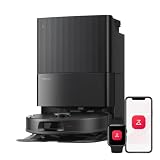
- 𝗔𝗹𝗹-𝗶𝗻-𝗢𝗻𝗲 𝗗𝗼𝗰𝗸 𝗳𝗼𝗿 𝗛𝗮𝗻𝗱𝘀-𝗙𝗿𝗲𝗲 𝗖𝗹𝗲𝗮𝗻𝗶𝗻𝗴 - The upgraded dock automatically empties dust into a sealed 2.7L bag that lasts 7–9 weeks, while 167℉ high-temperature self-cleaning helps refresh the mops after each use and 113℉ warm air drying keeps them ready for the next clean, making everyday floor care effortless for busy and pet-friendly homes
- 𝟭𝟴,𝟱𝟬𝟬 𝗣𝗮 𝗣𝗼𝘄𝗲𝗿𝗳𝘂𝗹 𝗦𝘂𝗰𝘁𝗶𝗼𝗻 - Engineered for strong everyday cleaning performance, the robot delivers powerful suction to effortlessly lift dust, crumbs, cat litter, stubborn debris, and pet hair from hard floors, carpets, and corners, helping keep every room fresh and spotless with less effort
- 𝗔𝗻𝘁𝗶-𝗧𝗮𝗻𝗴𝗹𝗲 𝗦𝘆𝘀𝘁𝗲𝗺 𝗳𝗼𝗿 𝗣𝗲𝘁 𝗛𝗼𝗺𝗲𝘀 - Built for homes with pets and long hair, the zero-tangle side brush, all rubber main brush, and easy-to-clean omnidirectional wheel help reduce hair wrap and simplify maintenance, making daily cleanup easier and less time-consuming
- 𝗦𝗺𝗮𝗿𝘁 𝗠𝗼𝗽𝗽𝗶𝗻𝗴 𝗳𝗼𝗿 𝗗𝗮𝗶𝗹𝘆 𝗦𝘁𝗮𝗶𝗻𝘀 - From kitchen splashes and cereal crumbs to pet paw prints and everyday footprints, the advanced dual mop system tackles daily messes with ease while adjusting water flow for cleaner, fresher floors throughout your home
- 𝗢𝗯𝘀𝘁𝗮𝗰𝗹𝗲 𝗔𝘃𝗼𝗶𝗱𝗮𝗻𝗰𝗲 & 𝟯.𝟴 𝗶𝗻 𝗟𝗼𝘄-𝗣𝗿𝗼𝗳𝗶𝗹𝗲 𝗖𝗹𝗲𝗮𝗻𝗶𝗻𝗴 - Powered by smart obstacle detection, the robot precisely avoids shoes, toys, and furniture legs while gliding smoothly under beds and sofas to clean hidden dust in low-clearance spaces for more complete coverage
Check the app and tanks
- Open the Saros 10R’s cleaning settings and raise water flow one level.
- Confirm that the clean-water tank contains water and is fully seated.
- Check the dirty-water tank level and installation; a tank that is full or not seated can interrupt dock and mop operations.
- Inspect the cleaning tray and filter for buildup, and service them as directed in the manual.
- Make sure the mop cloths are attached flat to their mounts rather than folded or partly detached.
Test on a small hard-floor area. If water delivery changes when the app setting changes, the original issue was a configuration choice rather than a failed pump. If there is still no water after the tanks, tray, filter and cloth mounts are correct, record the behavior for support.
Free tools Windows power users keep installed
One-click scans. No signup required.
Why is the mop not washed well in the dock?
Poor washing can result from cloth installation, a dirty floor or dock setup. Roborock advises attaching the cloths flat to their mounts. For a dirty floor, select Deep mop washing in the app.
Improve the wash result
- Remove and refit each cloth so its surface lies flat on the mount.
- Empty or service the dirty-water tank and refill the clean-water tank.
- Inspect the cleaning tray and its filter for debris.
- Choose Deep mop washing when the floor load requires it.
- Start the robot from the dock and let it return there for the wash cycle.
The dock may not wash the cloths correctly if the robot did not start from the dock. Correctly installed clean- and dirty-water tanks, plus a serviced cleaning tray and filter, are prerequisites for reliable washing.
Why won’t the dock empty the dustbin?
Auto-emptying requires more than a robot arriving at the dock. The manual lists several conditions: auto-empty must be enabled, the dock dust-container cover must be fitted, the robot must complete a cleaning run and return to the dock, and its battery must be at least 10 percent. A robot that was manually relocated may need to be emptied manually.
Verify every auto-empty condition
- In the app, enable the auto-empty function.
- Fit the dock dust-container cover correctly.
- Start a cleaning run from the dock and allow the robot to return normally.
- Check that the battery is at least 10 percent.
- Inspect the dustbin, filter, air duct, suction inlet, air inlet and disposable dust bag for blockages.
- Check whether DND is active. Roborock says DND can prevent auto-emptying and auto top-up.
If the robot was carried to the dock after a failed navigation event, empty the dustbin manually for that run. Re-test auto-emptying during a normal dock-started cycle after the map and dock position are stable.
Outdated Drivers Are Slowing You Down
One free scan finds every outdated or missing driver and matches the right update for your exact hardware.Free scan · exact hardware matchPC Slower Than It Used to Be?
A free scan shows the junk files, broken settings and background clutter dragging Windows down - then fixes them in one click.Free scan · Windows 10 & 11Rank #4

- INCREDIBLE SUCTION: Powerful Shark suction picks up dirt and debris on all floor types—tackling even the toughest of messes in your home.
- NO SPOTS MISSED: With Matrix Clean Navigation, the vacuum cleans in a precise matrix grid taking multiple passes over dirt and debris for whole home, deep cleaning coverage.
- IT EMPTIES ITSELF: The bagless, self-emptying base holds up to 30 days of dirt and debris while its true HEPA filtration captures and traps 99.97%* of dust and allergens (*down to .3 microns).
- PRECISION HOME MAPPING: 360° LiDAR vision quickly and accurately maps your home so your robot can methodically clean detecting and avoiding objects in its path, day or night, adapting to everyday changes in the home.
- PERFECT FOR HOMES WITH PETS: With powerful vacuum suction, Shark’s self-cleaning brushroll, and HEPA filtration system the robot captures pet hair, dust, dander and allergens with ease.
Why don’t scheduled cleaning or other automatic functions run?
Scheduled cleaning requires the battery to be above 15 percent, according to the Saros 10R manual. DND can prevent automatic top-up and auto-emptying, so a schedule may appear to work while its dock services do not.
Checklist for a missed schedule
- Confirm the schedule is enabled in the app and set for the intended time and days.
- Leave the robot on the dock with the battery above 15 percent.
- Turn off DND temporarily while testing.
- Verify that the dock has power and that the robot is seated on its charging contacts.
- After the scheduled run, check whether the robot returned and whether the configured emptying or washing action occurred.
Restore DND after testing if you use it routinely, but remember that its restrictions can suppress automatic dock actions.
Why does drying stop, or why are the mops still damp?
Auto-drying must be enabled in the app. If the robot leaves the dock during drying, the drying process stops early. In humid conditions, Roborock recommends extending the drying duration in the app.
- Enable auto-drying in the dock or cleaning settings.
- Keep the robot on the dock until drying finishes.
- Do not start another task during the drying cycle.
- Increase the drying duration when room humidity is high.
- Check that the mop cloths are mounted flat and that the cleaning tray and filter are serviced.
Repeated early stops caused by the robot leaving the dock are expected behavior, not proof of a failed dryer. A drying cycle that stops while the robot remains seated should be documented and escalated if the external checks do not help.
The Tool Desk
Outbyte PC Repair FREEClear out junk files and repair common Windows errorsFree Scan →Outbyte Driver Updater FREEScan for outdated or missing drivers - takes under a minuteDriver Scan →What does a steady red status light mean?
Roborock’s manual associates a steady red status light with a voltage error. Check that the local supply voltage meets the dock’s requirements. Regional electrical standards and dock versions differ, so use the rating information supplied with your unit.
Best Value

- 𝟮𝟬,𝟬𝟬𝟬 𝗣𝗮 𝗥𝗼𝗯𝗼𝘁 𝗩𝗮𝗰𝘂𝘂𝗺 𝗳𝗼𝗿 𝗗𝗲𝗲𝗽 𝗖𝗹𝗲𝗮𝗻𝗶𝗻𝗴: Power through dust, pet hair, crumbs, and debris with 20,000 Pa HyperForce suction. This robot vacuum and mop automatically boosts suction on carpets while delivering powerful cleaning across hardwood, tile, and other hard floors.
- 𝗭𝗲𝗿𝗼-𝗧𝗮𝗻𝗴𝗹𝗲 𝗖𝗹𝗲𝗮𝗻𝗶𝗻𝗴 𝗳𝗼𝗿 𝗣𝗲𝘁-𝗙𝗿𝗶𝗲𝗻𝗱𝗹𝘆 𝗛𝗼𝗺𝗲𝘀: The Dual Zero-Tangle System combines an anti-tangle side brush with the DuoDivide main brush to minimize hair wrap while effectively lifting long hair and pet fur. Spend less time maintaining your robot vacuum cleaner and more time enjoying clean floors.
- 𝗙𝗹𝗲𝘅𝗶𝗔𝗿𝗺 𝗧𝗲𝗰𝗵 𝗖𝗹𝗲𝗮𝗻𝘀 𝗘𝘃𝗲𝗿𝘆 𝗘𝗱𝗴𝗲 & 𝗖𝗼𝗿𝗻𝗲𝗿: The FlexiArm Edge Mopping System extends to clean as close as 1.85 mm along walls for exceptional edge coverage, while the reversible side brush reaches deep into corners for up to 30% more corner coverage. Capture dust where traditional robot vacuums often miss.
- 𝗖𝗮𝗿𝗽𝗲𝘁 𝗖𝗮𝗿𝗲 𝗣𝗿𝗼𝘁𝗲𝗰𝘁𝘀 𝗘𝘃𝗲𝗿𝘆 𝗙𝗹𝗼𝗼𝗿: Designed for mixed-floor homes, this robot vacuum automatically removes the mop when needed, vacuums carpets before mopping, lifts the mopping module up to 15 mm, and boosts suction for deeper carpet cleaning. Transition seamlessly between hardwood, tile, rugs, and low-pile carpets without extra effort.
- 𝗦𝗲𝗹𝗳-𝗘𝗺𝗽𝘁𝘆𝗶𝗻𝗴 𝗗𝗼𝗰𝗸 𝗖𝗹𝗲𝗮𝗻𝘀 & 𝗗𝗿𝗶𝗲𝘀 𝗔𝘂𝘁𝗼𝗺𝗮𝘁𝗶𝗰𝗮𝗹𝗹𝘆: The upgraded multifunctional dock automatically empties dust, refills the water tank, performs 149°F high-temperature mop self-cleaning, dries the mop with 113°F warm air, and features a upgraded cleaning tray with soaking mode for easier upkeep.
Do not open the dock, bypass its protection or attempt an internal electrical repair. If the red warning remains after the external voltage check, unplug the dock safely and contact Roborock support. The available manufacturer guidance does not establish a home repair for an internal voltage fault.
App, Wi-Fi and model-setup checks
If the robot is mechanically fine but unavailable in the app, begin with the network requirement stated for the US listing: Saros 10R supports 2.4 GHz Wi-Fi, not 5 GHz. Regional specifications can differ, so consult the documentation for a unit sold elsewhere.
Separate app settings from hardware symptoms
- No water: check water flow first, then tanks, tray, filter and cloth mounts.
- No mop washing: check Deep washing, dock-started cleaning, tanks and tray installation.
- No emptying: check auto-empty, DND, the cover, battery threshold and air-path blockages.
- No drying: check auto-drying, whether the robot left the dock and the selected duration.
Changing one relevant setting at a time makes the result easier to identify. Avoid resetting a stable map merely to fix a dock setting; first correct the setting and run a controlled dock-started test.
Recommended Free Tools
When should you replace a part?
Replacement is appropriate only when inspection shows a worn, damaged or uncleanable component. Potential consumables include a Saros 10R-compatible filter, main brush, mop cloths or disposable dust bag. Confirm the exact model and regional compatibility before ordering. A new part will not correct a misplaced dock, disabled app function, dirty sensor or blocked air path.
When to stop troubleshooting and contact Roborock
Contact official support when a steady red voltage warning persists, the dock repeatedly fails after correct placement and accessible cleaning, or the robot still cannot perform the affected function after the relevant app, tank, tray, sensor, brush and blockage checks. Include the model variant, region, warning light, whether the run began from the dock, battery percentage and the checks you completed.
Do not claim a repair for an internal electrical fault, open the dock or continue operating it when the manufacturer warning remains. The official manual and support material provide external checks, not independent failure rates, repair-cost estimates or a verified home repair for internal components.
A practical order to remember
For most Saros 10R incidents, use this order: restore the robot to the dock, correct the dock’s hard, flat placement and clearance, verify the relevant app setting, check battery and DND conditions, clean sensors and brushes, service tanks, tray, filters and dust paths, then test from the dock. Escalate only after the symptom survives the checks that apply to it.
Quick wins for a faster PC:
Scan for outdated or missing drivers - takes under a minuteDriver Scan →Clear out junk files and repair common Windows errorsFree Scan →Quick Recap
Product prices and availability are accurate as of the date/time indicated and are subject to change. Any price and availability information displayed on Amazon at the time of purchase will apply.




