OneDrive can automatically back up your camera photos so you don’t have to remember to manually upload files. Once you enable photo backup, new pictures go to your OneDrive account in near real time, which is especially useful when your phone storage is always at risk.
This guide walks through turning on automatic photo backup on Windows, macOS, iPhone, iPad, and Android. You’ll also get the practical details that typically cause “it didn’t upload” problems—permissions, Wi‑Fi settings, battery optimizations, and storage limits.
As an Amazon Associate I earn from qualifying purchases.
What OneDrive Photo Backup Actually Does
Photo backup in OneDrive typically uploads images from your device’s camera roll to a OneDrive folder. Depending on your platform, the feature may be called Camera upload, Camera uploads, or Back up photos inside the OneDrive app.
Recommended Free Tools
Most setups work like this:
- Trigger: New photos appear in your device’s Photos or Camera Roll.
- Upload rules: Often controlled by Wi‑Fi-only vs. Wi‑Fi+cellular, and whether the device is online.
- Destination: A OneDrive folder such as Camera Roll or a device-specific Photos folder.
Prerequisites Before You Turn It On
Before you toggle anything, confirm these basics:
- OneDrive signed in: Use the correct Microsoft account on the same device you want to back up.
- Free storage available: Backups use your OneDrive storage quota. If you’re near the limit, uploads may pause.
- Permissions granted: You may need photo access permission (iPhone/iPad/iOS/iPadOS especially).
- App updated: Ensure OneDrive is updated to the latest version available for your device to avoid outdated UI labels and bugs.
If you’re starting fresh, it’s also smart to plug in the device and connect to Wi‑Fi for the first large upload.
#1 Best Overall

- USB-C 2-in-1 storage OTG: The Lexar JumpDrive Dual Drive D40E features USB Type-A and Type-C connectors in a slim, portable form factor for easy device compatibility
- Transfer speeds up to 100MB/s: Based on internal testing, performance may vary depending upon the host device, interface, and usage conditions. 1MB=1,000,000 bytes
- Plug and Play: Widely compatible with USB Type-C smartphones, tablets, laptops, Macs, and traditional Type-A devices, no software installation required. The 360° swivel design allows for easy switching between connectors without the hassle of losing a cap
- Durable & Compact: The Lexar D40E USB memory stick features a metal enclosure, withstands temperatures from 0° to 50° C (32°F to 122°F), and is lightweight at 26g with dimensions of 70.4 x 16.9 x 11.7mm
- Security & Warranty: Securely protects files using an advanced security software solution with 256-bit AES encryption. Backed by a Lexar 3-year limited warranty
Enable Automatic Photo Backup on Windows
On Windows, OneDrive usually ties into Windows Photos and/or the OneDrive app’s backup settings. If you’re on Windows 10/11 and using the OneDrive desktop app, you’ll typically manage photo backup either through OneDrive settings or the OneDrive app.
Step-by-step (Windows 10/11)
- Open OneDrive from the system tray (cloud icon) or search for it from the Start menu.
- Click the Settings (gear) icon.
- Choose Backup or Manage backup (the wording can vary by build).
- Under Photos or Camera roll, select the option to Start backup.
- Confirm the destination folder and any prompts about syncing.
- Wait for the initial upload to finish. Check status by clicking the OneDrive icon again.
If you don’t see a photo backup option in OneDrive desktop settings, use the OneDrive app from Microsoft Store to look for Camera uploads (some Windows configurations rely more on mobile backup, not desktop).
Enable Automatic Photo Backup on macOS
macOS photo backup is commonly managed through the OneDrive app, and it may also depend on macOS permission settings for Photos access.
Step-by-step (macOS)
- Open the OneDrive app on your Mac and sign in if needed.
- Click the OneDrive menu bar icon and open Preferences.
- Find Backup or a similar category.
- Enable Photo backup / Camera uploads.
- Allow permissions in macOS if prompted (you may need access in System Settings > Privacy & Security).
- Confirm the folder destination and finish any setup screens.
After enabling, leave the Mac awake and on Wi‑Fi while OneDrive uploads your existing and newly added photos.
Enable Automatic Photo Backup on iPhone and iPad (iOS/iPadOS)
On iPhone and iPad, OneDrive’s backup is typically controlled in the OneDrive mobile app under the photo upload settings. iOS also requires explicit permission for OneDrive to access your Photos library.
Step-by-step (iPhone/iPad)
- Install or open the OneDrive app.
- Tap your Me (or profile) icon, then open Settings.
- Choose Camera Upload or Camera uploads.
- Turn on Camera uploads.
- Select whether to upload using Wi‑Fi only or Wi‑Fi and cellular data (wording varies).
- When prompted, grant access in iOS Settings (commonly requested from within the app):
- Settings > OneDrive > enable Photos
- Confirm options and let OneDrive finish the initial backup.
If you see an option for uploading Original photos vs. compressed images (some accounts/platform versions offer this), choose the setting that matches your storage needs.
Enable Automatic Photo Backup on Android
Android photo backup is typically managed through OneDrive app settings for camera uploads, plus Android’s permission and battery optimization rules.
Do these 3 things before closing this tab:
1Fix the driver behind crashes, sound loss and screen glitches2Clear out junk files and repair common Windows errors3Scan for outdated or missing drivers - takes under a minuteStep-by-step (Android)
- Open the OneDrive app and sign in.
- Tap Me (or your profile) > Settings.
- Tap Camera uploads (or Back up photos).
- Turn on Camera uploads.
- Choose your network setting: Only on Wi‑Fi or Use mobile data.
- Allow permissions when asked (storage/photos access).
- Review any prompts about background activity, then finish setup.
For best reliability, disable aggressive battery optimization for OneDrive if uploads pause. The exact path differs by phone brand, but it’s usually under Battery or Apps > OneDrive.
Rank #2
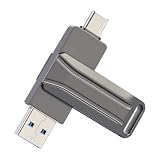
- 【Dual USB-A and Type-C 2-in-1 Design】This USB flash drive features both USB-A and USB Type-C connectors, making it easy to store, transfer, organize, and back up files across compatible Android phones, tablets, laptops, desktop computers, and other USB-C devices. Easily manage photos, videos, music, documents, presentations, and other digital files with one convenient external storage solution.
- 【Reliable Storage with High-Speed Performance】Designed for everyday digital storage, this USB thumb drive delivers reliable performance for storing, organizing, transferring, and backing up your important files. With read speeds of up to 150MB/s and write speeds of up to 70MB/s, it helps transfer photos, videos, music, documents, and other digital files quickly and efficiently. (Speed Disclaimer: Read and write speeds are based on internal testing conducted under controlled conditions. Actual performance may vary depending on the host device, operating system, file size, transfer settings, and other usage conditions.)
- 【Wide Compatibility and File Protection】Compatible with iOS 12.1 or later, supported iPhone and iPad devices, OTG-enabled Android smartphones, tablets, Windows PCs, Mac computers, and other compatible USB devices. Easily access, transfer, organize, back up, and manage photos, videos, music, documents, presentations, and other digital files across supported devices. Built-in file encryption helps lock selected files, providing an extra layer of security for your personal photos, videos, documents, and other important files.
- 【Premium Metal Housing】Crafted with a premium zinc alloy housing and a durable swivel protective design, this USB flash drive helps protect the connector from everyday wear while maintaining a sleek, compact appearance. Lightweight and portable, it fits easily into your pocket, backpack, laptop bag, or keychain, making it an ideal storage companion for work, school, travel, and everyday use.
- 【Multiple Capacity Options】Available in 128GB, 256GB, and 512GB capacities to meet different storage needs. Ideal for storing photos, videos, music, documents, presentations, and other everyday digital files across compatible devices. (Storage Capacity Disclaimer: Actual available storage is less than the labeled capacity due to formatting and differences in measurement standards. Storage manufacturers calculate 1GB as 1,000MB, while many operating systems calculate 1GB as 1,024MB. Displayed capacity may vary depending on the operating system and device.)
Where Your Photos End Up in OneDrive
Most camera backup workflows create a folder commonly named Camera Roll or Camera uploads. Depending on your platform and account, you may also see a device-specific subfolder.
| Platform | Typical destination folder name | How to verify |
|---|---|---|
| iPhone/iPad | Camera Roll or Camera uploads | Open OneDrive on the web and check Photos/Camera Roll |
| Android | Camera uploads / device-named photo folder | OneDrive app: Settings > Camera uploads (shows status) |
| Windows/macOS | OneDrive Photos backup folder (varies) | OneDrive folder tree in File Explorer/Finder |
If you’re unsure whether backups are going to the right place, do a quick test: take one new photo, then check the folder in OneDrive after a few minutes.
Controls That Matter: Wi‑Fi, Storage, Privacy, and Organization
Wi‑Fi vs. cellular uploads
If you choose Wi‑Fi only, uploads may wait until you’re on Wi‑Fi. If you choose Wi‑Fi and cellular, the app can upload immediately but may increase data usage.
The Tool Desk
Outbyte Driver Updater FREEScan for outdated or missing drivers - takes under a minuteDriver Scan →Outbyte PC Repair FREEClear out junk files and repair common Windows errorsFree Scan →Original quality vs. size limits
Some versions of camera upload settings offer options that affect quality and file size. If storage is limited, enabling a “compressed” option may help, but it can reduce file fidelity.
Privacy permissions
On iOS/iPadOS, OneDrive needs access to your Photos library. Make sure permissions are set correctly; otherwise the app may appear enabled but won’t upload new items.
Managing duplicates and what gets uploaded
Automatic backup can upload photos multiple times if you switch accounts or reinstall without preserving settings. It can also include screenshots, depending on how the app defines “photos” vs. “media types.”
Troubleshooting: Photos Not Uploading
If your backups don’t start or stop partway through, work through this checklist in order.
PC Slower Than It Used to Be?
A free scan shows the junk files, broken settings and background clutter dragging Windows down - then fixes them in one click.Free scan · Windows 10 & 11Crashes, No Sound, or Screen Glitches?
Random freezes, missing sound and display glitches usually trace back to one bad driver. Find and replace yours safely.Free scan · under a minute1) Check OneDrive account sign-in
Confirm you’re signed into the same Microsoft account you expect to see in OneDrive on the web. A common failure mode is accidentally signing into a different account on the device.
Rank #3

- EXPAND YOUR STORAGE. Easily move files off your device, freeing up valuable space so you can store your favorite photos, movies, music, games, and more.
- Say goodbye to emailing photos between devices. Once they’re on your SanDisk Phone Drive, read speeds up to 100MB/s let you transfer files fast. (1 MB/s = 1 million bytes per second. Based on internal testing; performance may vary depending upon host device, usage conditions, drive capacity, and other factors. USB Type-C port with USB 3.2 Gen 1 support required.)
- AUTOMATIC BACKUP. Automatically back up your latest photos, videos, music, documents, and contacts with the SanDisk Memory Zone app. (Download and installation required. Set up automatic backup within app settings. See official SanDisk website for Memory Zone details.)
- DATA RECOVERY. Recover deleted files with the included RescuePRO Deluxe software.(Registration and download required; terms and conditions apply. See RescuePRO page on SanDisk site.)
- CONVENIENT DESIGN. Attach your drive to your keyring to help keep it secure so you can have storage wherever you are, whenever you need it.
2) Confirm camera upload is actually turned on
Open OneDrive app > Settings > Camera uploads and verify the toggle is enabled. After app updates, settings can reset for some users.
3) Look for upload status and errors
In the OneDrive app, check the upload status screen (often shown near camera upload settings). If you see an error message, note the wording; it usually indicates the specific cause (permissions, network, or quota).
4) Verify photo permissions
On iOS/iPadOS: Settings > OneDrive > Photos. Choose the access level that allows uploads. On Android: check app permissions for photos/media and storage.
5) Check network and background restrictions
If you set Wi‑Fi only, confirm you’re actually connected to Wi‑Fi. On Android, battery optimization can pause background uploads—disable it for OneDrive if needed.
6) Check OneDrive storage quota
Go to OneDrive on the web to see remaining storage. If you’re out of space, uploads can fail or pause until you free space or upgrade.
7) Try a controlled “one photo” test
Take a new photo and wait 5–10 minutes. Then check both the OneDrive app status and the destination folder on the web. This helps determine whether the issue is general or limited to certain albums/files.
Common Mistakes That Break Automatic Backup
- Not granting Photos access (iOS/iPadOS) or denying media permissions (Android).
- Choosing Wi‑Fi only and assuming uploads happen on cellular.
- Low-power or battery optimization stopping background uploads.
- Multiple Microsoft accounts on the same device (uploads go to the “wrong” OneDrive).
- Running out of storage mid-upload.
- Expecting desktop folders to back up phone camera files without enabling camera uploads on the phone.
Alternatives and When to Use Them
OneDrive photo backup is strong, but it’s not the only approach. Depending on your ecosystem and tolerance for duplicates or library changes, you might prefer a different workflow.
Use iCloud Photos instead (best for Apple-first users)
If you’re heavily invested in iPhone, iPad, and macOS, iCloud Photos can keep your library synchronized across Apple devices with less setup friction.
Rank #4
- EXPAND YOUR STORAGE. Easily move files off your device, freeing up valuable space so you can store your favorite photos, movies, music, games, and more.
- Say goodbye to emailing photos between devices. Once they’re on your SanDisk Phone Drive, read speeds up to 100MB/s let you transfer files fast. (1 MB/s = 1 million bytes per second. Based on internal testing; performance may vary depending upon host device, usage conditions, drive capacity, and other factors. USB Type-C port with USB 3.2 Gen 1 support required.)
- AUTOMATIC BACKUP. Automatically back up your latest photos, videos, music, documents, and contacts with the SanDisk Memory Zone app. (Download and installation required. Set up automatic backup within app settings. See official SanDisk website for Memory Zone details.)
- DATA RECOVERY. Recover deleted files with the included RescuePRO Deluxe software.(Registration and download required; terms and conditions apply. See RescuePRO page on SanDisk site.)
- CONVENIENT DESIGN. Attach your drive to your keyring to help keep it secure so you can have storage wherever you are, whenever you need it.
Use Google Photos (Android-first users or mixed ecosystems)
Google Photos is often simpler for quick sharing and library management, especially if you want strong search and album organization.
Manual upload via OneDrive app (when you need control)
Manual upload can be useful if you’re preparing a folder structure for work, or you want to review each batch before it reaches the cloud.
FAQs
Does OneDrive back up every photo automatically?
It backs up photos based on what the OneDrive camera upload feature is set to include and what permissions allow. Some media types like screenshots may or may not be included depending on platform and app behavior.
Why are older photos not uploading, but new ones are?
Older photos may take longer to index and upload, or they may be missing required permission access. Try a single test photo and ensure camera uploads is still enabled after granting permissions.
Will OneDrive upload on cellular data?
Only if you enable the cellular option in the OneDrive Camera uploads settings. If you picked Wi‑Fi only, uploads will wait for Wi‑Fi.
Where can I confirm upload progress?
Check the OneDrive app’s Camera uploads settings for status and any error indicators. You can also verify in OneDrive on the web by locating the Camera Roll/Camera uploads folder.
Can I stop automatic photo backup later?
Yes. Turn off Camera uploads in the OneDrive app. Turning it off stops new uploads; it won’t delete already uploaded photos.
Quick wins for a faster PC:
Clear out junk files and repair common Windows errorsFree Scan →Fix the driver behind crashes, sound loss and screen glitchesFind Drivers →Do I need OneDrive Desktop for automatic phone backups?
No. Phone backups are controlled in the OneDrive mobile app and permissions on the phone. The desktop client can sync what’s already in your OneDrive cloud storage.
Bottom Line
To save files automatically with OneDrive, the most reliable path is enabling Camera uploads (or Back up photos) inside the OneDrive app on your phone, then granting the correct Photos permission and choosing the right network setting. Do a one-photo test so you can confirm the destination folder and verify uploads are working.
If uploads stall, 90% of the time the fix is permissions, network (Wi‑Fi vs. cellular), battery/background restrictions, or OneDrive storage limits. Once those are correct, OneDrive can run the backup workflow quietly in the background.
Quick Recap
Product prices and availability are accurate as of the date/time indicated and are subject to change. Any price and availability information displayed on Amazon at the time of purchase will apply.
Free tools Windows power users keep installed
One-click scans. No signup required.




