What’s actually slowing this PC down?
Pick the symptom - the matching free tool is one click away.
Keep potentially exposed clothes sealed until you can treat them. For garments whose care labels allow it, the U.S. Environmental Protection Agency (EPA) recommends a high-temperature clothes-dryer cycle; washing alone generally will not kill bed bugs. After treatment, move the clean items into a clean sealed bag or fold them at home, not on a shared laundry table.
The safe method depends on four things: whether the item can be washed, whether it tolerates dryer heat, whether you have access to a dryer, and whether clean laundry can stay protected afterward. The steps below cover home machines, laundromats, travel clothing, delicate garments and professional cleaning.
As an Amazon Associate I earn from qualifying purchases.
Contain the clothing before you move it
Bag items at the exposure location
Put clothing and bedding that may have contacted bed bugs into a sealed plastic bag before carrying them elsewhere. Keep the bag closed during transport. EPA guidance recommends sealed bags both for moving potentially infested items and for protecting clean belongings after treatment.
Free tools Windows power users keep installed
One-click scans. No signup required.
Containment matters because carrying loose garments through a home, hotel or laundry room creates more opportunities for an insect to drop into a hamper, suitcase, upholstery seam or floor crack. A sealed bag also lets you organize the next step without having to spread the entire load across a room. Use one bag or several smaller sealed bags that you can handle without overfilling them; the essential point is that the opening remains closed until the machine is ready.
#1 Best Overall
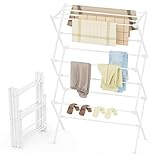
- 【Folding Design】This drying rack features a foldable and telescoping design that meets your drying needs while offering convenient storage.
- 【Sturdy Construction】 The clothing drying rack features a stable X-shaped frame design. And four non-slip rubber pads at the base further enhance its stability. Holds up to 20 pounds of laundry.
- 【Size Guide】When unfolded, the laundry drying rack measures 11.8" D x 34.6" W x 35.4" H, suitable for drying various small items such as clothing, towels, socks, scarves, bath towels, and more.
- 【Rust Prevention】 This laundry rack is crafted from premium metal tubing with a rust-resistant coating, ensuring it remains rust-free whether used indoors or outdoors.
- 【Easy Assembly】Follow the installation steps in the included manual to assemble the foldable drying rack in just 5 minutes.
Do not empty the bag onto a bed, sofa, floor or other uncontrolled area. Keep the contents together until you are ready to load the washer or dryer. Avoid shaking garments outdoors or indoors; the available guidance supports containment and direct loading rather than dispersing loose items for inspection. If you need to identify a care label, do so while the item is still at the machine or use the label information you can see without spreading the load around.
If exposure happened while traveling
When you return from a trip, EPA advises unpacking travel clothing directly into a washing machine and inspecting luggage carefully. Keep the suitcase away from beds and upholstered furniture while you handle it. Clothing that cannot be treated immediately should remain sealed instead of going into a closet or hamper.
Plan the return-home sequence before opening the suitcase. Put the washer and dryer in position, have a clean storage bag ready, and move the bagged clothing directly to the loading area. Inspect the suitcase separately, including seams and pockets, rather than placing it on a bed. The travel advice is about reducing spread while you begin treatment; laundering the clothes does not replace checking the luggage and other belongings.
Recommended Free Tools
What actually kills bed bugs in laundry
The critical laundry step is heat in a clothes dryer, not simply a hot wash. EPA’s consumer statement says: “Put bedding and clothing in the dryer at high temperatures for 30 minutes to kill bed bugs (just washing will generally not kill bed bugs).” The publication date is not stated on the EPA page containing that instruction.
That distinction answers a common question: a garment can come out of a washer clean-looking and still require the dryer treatment. Water temperature, detergent and agitation vary by machine and load, so a hot wash should not be described as a dependable substitute for the specified dryer cycle. If you have a household dryer, use it; if you do not, a shared laundromat dryer can provide the same type of equipment, provided the fabric label permits the selected heat.
Use the hottest washer and dryer settings the fabric can tolerate, as advised by University of Minnesota Extension. Care labels control what is safe for a particular garment. A hot wash is not a substitute for the EPA’s high-temperature dryer treatment, and no single washer setting is safe for every textile. Sort by care requirements rather than putting every item into the hottest available program.
Rank #2
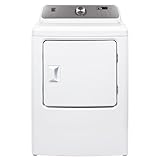
- 10 Drying Cycles, 2 Options: This versatile Kenmore electric dryer offers 10 drying cycles and 2 options to care for all your clothing and household fabrics
- Wrinkles Be Gone: The Wrinkle Guard Option tumbles clothes intermittently after the cycle is complete to help prevent wrinkles from setting in to keep your clothes looking smooth and ready to wear
- Dry It Right: Smart sensors detect moisture content in clothes to prevent over-drying, helping your clothes look and feel their best. Use additional cycles that are perfect for non-washable items like decorative pillows, sleeping bags and plush toys
- Easy to Use: The display features easy to use, LED light-touch controls that match different types of fabric and also displays cycle status and time remaining. You can walk away, our dryer’s got everything under control
- Large Capacity Dryer: This front load dryer has a large, 7.0 cubic foot capacity to give clothes, bedding, and other household fabric items space to move freely and dry thoroughly
The consumer guidance specifies a household cycle and setting, not a guaranteed core temperature for every machine, load size or fabric. Do not treat an unverified low-heat cycle as equivalent, and do not assume that a machine reached a particular internal temperature unless a qualified professional has validated it. Avoid converting heat figures intended for rooms or bulk materials into a laundry rule; the applicable consumer instruction here is high-temperature drying for 30 minutes on dryer-safe articles.
Quick wins for a faster PC:
Repair Windows errors before they cause bigger problemsFix Now →Fix the driver behind crashes, sound loss and screen glitchesFind Drivers →Clear out junk files and repair common Windows errorsFree Scan →Choose the treatment path by garment and equipment
| Path | Use when | Required handling | Main limitation |
|---|---|---|---|
| Washer plus dryer | The item is washable and its care label permits the needed heat. | Wash according to the label, then use the high-temperature dryer treatment recommended by EPA. | Washing alone generally will not kill bed bugs. |
| Dryer-only | The item cannot be washed but its care label allows dryer heat. | Place the item in the dryer and follow the label while using the EPA high-temperature treatment where the garment permits it. | Not suitable for items that can be damaged by the selected heat. |
| Professional cleaning | The item cannot tolerate the necessary home dryer heat or needs specialist care. | Tell the dry-cleaning service that the item may contain bed bugs and keep it sealed until just before loading. | The reviewed consumer guidance does not establish one universal home treatment for every fabric or construction. |
There is no requirement to purchase a new appliance. An existing household clothes dryer or a shared dryer is sufficient when it can run the appropriate setting and the item’s care label allows that heat. The practical comparison is not “which brand is best,” but whether the garment can safely receive the treatment and whether you can keep it protected afterward.
Choose washer-plus-dryer when normal washing is appropriate and the item can then tolerate high heat. Choose dryer-only when washing is prohibited but the label allows the dryer. Choose professional cleaning when heat could damage the item or its construction requires specialist handling. If you cannot decide from the label, keep the item sealed while you ask a qualified cleaner or pest professional.
Step-by-step: treating exposed clothes at home
- Keep the bag closed until the machine is ready. Set up the washer and dryer first, then bring the sealed bag to the loading area. This minimizes the time items spend loose. Have a second clean bag available for the finished load.
- Read each care label. Separate items by the hottest temperature they can safely tolerate. Remove anything marked as unsuitable for the dryer and place it in a separate sealed bag for a different decision. Do not assume that a fabric that can be washed can also tolerate high dryer heat.
- Load directly from the bag. Open the bag at the washer or dryer and put the contents straight into the machine. Do not place exposed clothing on a counter, floor or furniture while you sort it. If a mixed bag contains items with different care instructions, handle only the group you are loading and reseal the remainder.
- Wash only as the label allows. Use the hottest washer setting the fabric can withstand. Washing helps clean the clothing, but it is not the bed-bug-killing step identified by EPA. Follow normal detergent and cycle instructions for the garment rather than adding an unvalidated chemical or extra treatment.
- Run the dryer treatment. For dryer-safe clothing, use high heat for 30 minutes, following any lower limit imposed by the care label. If the label forbids that heat, stop and use the professional-cleaning route instead of guessing. The 30-minute figure is the EPA instruction for high-temperature drying of bedding and clothing; it is not a promise that every low or medium setting will work.
- Unload into protection. Have a clean bag ready before the dryer ends. Put treated items directly into it, or carry them home and fold them there. Do not use a previously exposed bag unless it has also been treated. At a laundromat, avoid placing the finished load on a shared folding table while you search for a bag.
- Seal and store. Keep the treated load separate from untreated belongings. A sealed clean bag prevents re-exposure while you finish checking luggage, closets or other items. Labeling bags by date or load can help you distinguish finished clothing from items still awaiting a decision.
Using a shared laundry room or laundromat
Transport and loading
Carry dirty laundry in a sealed bag. At the machine, unpack the bag directly into the washer or dryer rather than placing clothing on a chair, counter or folding table. EPA’s laundromat guidance, printed on a December 2017 flyer, also recommends washing and drying reusable cloth laundry bags with the clothing. If you use a disposable plastic bag, close it and discard it in the manner allowed by local rules after the load is safely transferred.
Bring enough clean bags for every finished load. Do not set the open bag on a communal surface while loading; hold it or place it where it will not contact other laundry. If the facility is crowded, wait until a machine is available so the clothing can move directly from containment into the drum.
Windows Errors? Fix Them Before They Spread
Repair common Windows errors and clear accumulated junk for a smoother, more stable PC - no reinstall needed.Free scan · no reinstallOutdated Drivers Are Slowing You Down
One free scan finds every outdated or missing driver and matches the right update for your exact hardware.Free scan · exact hardware matchSelecting settings
Choose the hottest temperature the fabric can tolerate. Check the care label before combining items: a setting safe for towels may damage synthetics, wool or elastic garments. Do not use a high-temperature setting on an item whose label prohibits it. If one load contains incompatible labels, separate it before opening the exposed bag or keep the unsuitable items sealed for professional advice.
Rank #3

- 10 Drying Cycles, 6 Options: This versatile Kenmore electric dryer offers 10 drying cycles and 6 options to care for all your clothing and household fabrics. Reduce energy use by up to 7.6% with Energy Saver (compared to the normal cycle)
- Wrinkles Be Gone: The Wrinkle Guard Option tumbles clothes intermittently after the cycle is complete to help prevent wrinkles from setting in to keep your clothes looking smooth and ready to wear
- Dry It Right: Smart sensors detect moisture content in clothes to prevent over-drying, helping your clothes look and feel their best. Use additional cycles that are perfect for non-washable items like decorative pillows, sleeping bags and plush toys
- Easy to Use: The display features easy to use, LED light-touch controls that match different types of fabric and also displays cycle status and time remaining. You can walk away, our dryer’s got everything under control
- Large Capacity Dryer: This front load dryer has a large, 7.0 cubic foot capacity to give clothes, bedding, and other household fabric items space to move freely and dry thoroughly
A laundromat’s larger drum does not change the care-label requirement. Follow the machine’s instructions and the garment manufacturer’s limits, and do not infer a guaranteed internal temperature from the dial alone. The EPA recommendation is a high-temperature dryer cycle for 30 minutes, not a universal setting that overrides fabric instructions.
Protecting the clean load
Inspect the laundry basket and folding area before using them. EPA advises bagging clean laundry or folding it at home. The safest workflow is to remove dry items directly into a clean bag, take them home, and fold them on a clean surface there. If you use a reusable cloth laundry bag, include it in the wash and dryer treatment as EPA’s laundromat flyer advises.
Do not put clean clothes back into the suitcase, hamper or transport bag that held untreated items. Use a new bag or one that has itself gone through an appropriate wash and dry process. Keep the clean bag closed until you reach a hard, easily inspected surface at home.
Handling delicate, non-washable and unusual items
Non-washable but dryer-safe clothing
An item does not have to be washable to receive dryer treatment. If its care label permits the required heat, use the dryer-only path. Follow the label for cycle length and handling, and do not add a heat level that the manufacturer forbids. Place the item directly into the dryer from its sealed bag, then transfer it into clean protection when the cycle is complete.
Items that cannot tolerate dryer heat
Do not promise that freezing, airing out, a low-temperature cycle or another improvised method will eliminate bed bugs. For a garment that cannot tolerate the necessary heat, University of Minnesota Extension recommends notifying a dry-cleaning service that the item may contain bed bugs. Keep it sealed until just before the cleaner loads it, and follow the service’s instructions for packaging and intake.
Call the cleaner before arriving so staff can explain their procedure. Tell them plainly that the item may contain bed bugs; do not present it as ordinary laundry and leave the bag at a counter. Keep the item enclosed during transport and open it only when the service is ready to load it. The available guidance does not establish one safe home treatment for every fabric, so a professional’s handling instructions are important for heat-sensitive pieces.
Rank #4

- Portable Clothes Dryer with Fast Drying Technology: The MOJOCO Portable Clothes Dryer features a powerful 600W heating system with 2 drying modes to suit different fabric types. Choose between a lower temperature for delicate garments or a higher temperature for faster drying. Using advanced heat and airflow technology, it can dry clothes in as little as 50 minutes, making laundry faster and more convenient.
- Portable Dryer Machine for Convenient Drying: This ultimate portable and foldable dryer brings efficiency and eases your drying needs. It can hang up to 9 pieces of clothing and has a maximum load capacity of 22 lbs. It’s a great solution if you live in a small apartment, have limited laundry space, or are traveling, camping, or on vacation. In addition, it is lightweight and easy to move around. This is a lifesaver for those who are always on the go or have a busy schedule.
- Deep Cleansing with Built-in LED UV & Automatic Overheat Protection: Keep your clothes fresh with the built-in LED UV sanitizing feature, designed to help maintain cleaner garments after every cycle. For added peace of mind, the dryer also features automatic overheat protection, which helps prevent overheating for safer, more reliable operation.
- Quiet Functioning and Timer Functionality: No more noisy drying cycles that disrupt your peaceful environment. Mojoco mini dryer machine has a built-in timer and whisper-quiet functioning. With the timer feature, you can easily set the desired drying duration to suit your needs. You can enjoy a tranquil laundry experience without disturbing your surroundings.
- Maximize Your Laundry Savings: This is a cost-effective solution for drying clothes. Mojoco portable dryers are smaller than traditional dryers, and they use less energy to operate. It saves you money on your electric bill in the long run. With Mojoco dryer, you don't have to use your regular drying machine when you just have a few clothes to dry. Instead, you can dry your clothes .
Accessories and complex constructions
Shoes, handbags, structured garments, costumes, items with glued components and clothing with electronics may not behave like ordinary washable textiles. The cited consumer guidance does not establish one safe treatment for every accessory, trim or garment construction. Ask a qualified cleaner or pest professional before exposing an unusual item to heat or moisture.
Do not cut labels off, dismantle a garment or apply a household chemical simply to make it fit a laundry plan. Keep unusual pieces sealed while you obtain advice. A professional can consider the material, lining, adhesives and hardware instead of assuming that the treatment for a cotton sheet applies to the entire item.
What not to do
- Do not rely on washing alone. EPA specifically distinguishes washing from the high-temperature dryer treatment.
- Do not use a low-heat cycle as a guaranteed substitute. The cited instruction is for high-temperature drying; it does not validate every appliance’s low or medium setting.
- Do not shake or sort loose clothes in a shared area. Keep items contained and load directly from the bag.
- Do not set treated clothing on shared folding surfaces. Use a clean bag or fold at home.
- Do not put heat-sensitive items into a hot dryer just to follow a general rule. The care label and a qualified cleaner’s advice take priority.
- Do not place clean clothes back in an untreated suitcase, hamper or bag. Treat or replace the container before reuse.
- Do not assume a household machine has reached a measured temperature. The consumer instruction gives a setting and duration, not a validated core temperature for every load.
- Do not mix treated and untreated bags. Keep each load identifiable until all potentially exposed belongings have been addressed.
After the dryer: keeping laundry protected
Heat treatment is only useful if the clean load stays separate from items that have not been handled. Prepare clean storage before opening the dryer. A new plastic bag or a bag that has itself been washed and dried can hold the finished load while you deal with the rest of the room.
At home, choose a hard, easily inspected surface for folding. Keep treated clothes away from the bed, upholstered furniture and the original exposure area until those areas have been assessed. If you discover additional bugs or signs of an infestation, laundry alone will not resolve the wider problem.
Store the sealed finished load away from bags or luggage that still need inspection. Do not reopen it merely to reorganize the clothing. If you must access one item, open the bag at a controlled location and reseal the remainder promptly.
Do these 3 things before closing this tab:
1Clear out junk files and repair common Windows errors2Scan for outdated or missing drivers - takes under a minute3Repair Windows errors before they cause bigger problemsWhen laundry is only one part of the response
Bed bugs can hide in luggage, furniture, cracks and other belongings. Treating a shirt or sheet does not inspect those locations. If you continue to find live bugs, shed skins or dark spotting after the clothing is treated, contact a licensed pest-management professional for an inspection and an integrated plan.
Best Value

- 【Powerful Drying】This powerful electric dryer is featured with 850W power and the highest temperature can reach at 140°F for ensuring your clothes to be dried quickly. Even though it lasts rainy, you can still put on your beautiful dresses every day. Same day wash, same day wear (NOTE: for quick drying, no more than 5.5 pounds of clothes at a time)
- 【Compact & Portable】The net weight of this clothes dryer is 37lbs, and the small size 19.5" x 16.5" x 24" (L x W x H) makes it portable. Its compact feature is perfect for small space like apartments, dormitories, RVs and more. It can be installed on a countertop, on a firm, level ground or mounted on the wall with mounting kit (kit included)
- 【Stylish Appearance】Classic white color with see through door window, simple but modern style matches with your taste and also adds a touch of elegant charm to your laundry room. The design of stainless steel tub makes this clothes dryer more durable, and you can use it for a longer time. The multiple filtration system effectively filters out cotton wool to prevent it from flying out
- 【Easy to Operate】Designed with a simple knob control, and all functions and operations are clearly listed on the control panel, once you set your desired temperature, you could just leave it alone to work and do your own things. Featured with various drying modes for making our life more convenient and healthier. If you open the door while the machine is running, it will automatically stop running to ensure your safety
- 【Customer Care】Any questions about it, please don't hesitate to contact us at any time for getting a satisfied service. We offer free exchanges for any quality problems within the warranty period
Keep a record of which bags and loads were treated, and do not mix sealed untreated items with finished laundry. This simple separation helps you identify what still needs attention without reopening every bag. Include travel luggage, hampers and other containers in the inspection rather than assuming the clothing was the only possible contact.
Laundry is a targeted step, not a complete room treatment. Continue following the professional’s instructions for furniture, cracks and belongings if an infestation is confirmed. Avoid moving untreated items from room to room while you are waiting for that assessment.
A practical checklist
- Seal potentially exposed clothes before transport.
- Set up the washer, dryer and clean storage bag before opening the exposed bag.
- Check every care label and separate heat-sensitive items.
- Use the hottest fabric-safe settings.
- For dryer-safe items, complete EPA’s high-temperature, 30-minute treatment.
- At a laundromat, load directly from the bag and wash cloth laundry bags with the clothing.
- Remove clean items directly into a clean bag and fold them at home.
- Tell a dry cleaner about possible bed bug exposure and keep the item bagged until loading.
- Ask a qualified professional about unusual items or continuing signs of infestation.
- Keep treated and untreated bags separate and identify which loads are complete.
- Inspect luggage, hampers and the original exposure area; do not assume laundry alone solved the problem.
Frequently Asked Questions
Will washing clothes alone kill bed bugs?
Usually not. EPA says washing alone will generally not kill bed bugs. For dryer-safe clothing and bedding, the recommended treatment is high-temperature drying for 30 minutes, subject to the care label.
The Tool Desk
Outbyte Driver Updater FREEFix the driver behind crashes, sound loss and screen glitchesFind Drivers →Outbyte PC Repair FREERepair Windows errors before they cause bigger problemsFix Now →How long should clothes go in the dryer?
EPA’s consumer instruction is 30 minutes at high temperature for bedding and clothing that can safely receive that heat. It is not a guarantee for a low- or medium-heat cycle, and the care label still controls what is safe.
Do I need to buy a special clothes dryer?
No. An existing household dryer or a shared laundromat dryer can be used when the garment permits the required heat. The key factors are the correct setting, the 30-minute high-temperature instruction for dryer-safe items, and protected handling afterward.
What should I do with clothes that cannot go in a hot dryer?
Keep them sealed. Tell a dry-cleaning service that the item may contain bed bugs and keep it bagged until just before loading. For unusual constructions, ask a qualified cleaner or pest professional rather than relying on an improvised home method.
Can I fold treated laundry at a laundromat?
EPA advises bagging clean laundry or folding it at home. Remove dry items directly into a clean bag and fold them on a hard, easily inspected surface at home instead of using a shared table.
What if the exposure happened in a hotel or during travel?
When you return, EPA advises unpacking travel clothing directly into the washing machine and inspecting the luggage carefully. Keep clothing that cannot be treated immediately sealed and away from beds and upholstered furniture.
The Bottom Line
Seal potentially exposed clothing before moving it. For items whose care labels permit it, wash as directed and use EPA’s high-temperature dryer treatment for 30 minutes; washing alone generally will not kill bed bugs. Move dry laundry directly into a clean sealed bag, and use professional cleaning advice for heat-sensitive or unusual items.
Quick Recap
Product prices and availability are accurate as of the date/time indicated and are subject to change. Any price and availability information displayed on Amazon at the time of purchase will apply.




