Free tools Windows power users keep installed
One-click scans. No signup required.
Compatibility Mode in Microsoft Word appears when you open a legacy document in an older format—most commonly a .doc file or a document created for an earlier Word version. Word intentionally limits or adjusts features to keep the layout and behavior close to what the original document expected.
If you want modern features, consistent formatting, and fewer restrictions, the practical fix is to convert the document to the current Office Open XML format (.docx). “Turning off” Compatibility Mode usually means converting, not flipping a single switch.

As an Amazon Associate I earn from qualifying purchases.
This quick guide walks you through the exact steps for Word on Windows and macOS, how to confirm the change, and what to do when Compatibility Mode won’t go away.
What Compatibility Mode Means in Word (and Why You See It)
When a file is opened in Compatibility Mode, Word may suppress features that didn’t exist in the older format, or it may render certain elements differently to match the legacy behavior. You’ll often see “Compatibility Mode” in the title bar and/or in the document’s compatibility settings.
#1 Best Overall

- Designed for Your Windows and Apple Devices | Install premium Office apps on your Windows laptop, desktop, MacBook or iMac. Works seamlessly across your devices for home, school, or personal productivity.
- Includes Word, Excel, PowerPoint & Outlook | Get premium versions of the essential Office apps that help you work, study, create, and stay organized.
- 1 TB Secure Cloud Storage | Store and access your documents, photos, and files from your Windows, Mac or mobile devices.
- Premium Tools Across Your Devices | Your subscription lets you work across all of your Windows, Mac, iPhone, iPad, and Android devices with apps that sync instantly through the cloud.
- Easy Digital Download with Microsoft Account | Product delivered electronically for quick setup. Sign in with your Microsoft account, redeem your code, and download your apps instantly to your Windows, Mac, iPhone, iPad, and Android devices.
The key detail: Compatibility Mode isn’t always a user setting—it’s often determined by the file’s format and how Word saved it originally.
Prerequisites: Identify Your Word Version and File Type
Before changing anything, check what you’re dealing with. Two quick checks prevent most dead ends.
- Word version: Look at File > Account on Windows or Word > About Word on macOS to confirm whether you’re on Word for Microsoft 365, Word 2019, Word 2016, etc.
- File extension: Right-click the file (or look in Finder) and confirm whether it’s .doc, .docx, .rtf, or something else.
If the file is already .docx, Compatibility Mode might still be enabled due to a compatibility setting or the document being saved in an older Word compatibility variant.
Method 1 (Most Common): Convert the File to .docx
The most reliable way to remove Compatibility Mode is to convert the document to the .docx format (Word’s modern default). This tells Word the document can use newer features.
- Open the document in Word.
- Go to File > Info.
- Look for a button such as Convert or Convert to DOCX (wording varies by Word version).
- Choose Convert and save the result.
If you don’t see a Convert option, use Method 2 (Save As) instead.
Method 2: Save As in the Newest Format Without Converting Manually
Sometimes Word hides the Convert command, especially with older documents or certain updates. In that case, Save As forces a modern format.
Rank #2
- Open the document.
- Choose File > Save As.
- Set the File type to Word Document (*.docx).
- Save with a new name (recommended).
- Close and reopen the new .docx file to confirm Compatibility Mode is gone.
Method 3: If Compatibility Mode Is Set by Template or Settings
On some files, Compatibility Mode can persist even after conversion because the document contains compatibility settings tied to an earlier Word profile.
After converting/saving as .docx, check these settings:
- Look for a Compatibility section in Word’s options (varies by version).
- Ensure the document isn’t still saved as a legacy compatibility target.
- If it’s a corporate template, ask whether the template enforces compatibility behavior.
If you suspect template involvement, try creating a fresh document and copying content over, then save that new file as .docx.
How to Turn Off Compatibility Mode in Word on Windows
Windows Word typically shows the conversion options in File > Info or under Save As.
Windows steps: Convert from .doc (or older) to .docx
- Open your document in Word for Windows.
- Go to File > Info.
- If you see Convert (or a similar prompt), click it.
- When prompted, allow the conversion and then Save the converted file.
Windows steps: Save As to Word Document (.docx)
- Open the document.
- Select File > Save As.
- Under Save as type, choose Word Document (*.docx).
- Pick a folder, enter a filename, and click Save.
- Close and reopen the new .docx.
How to Turn Off Compatibility Mode in Word on Mac
Word for macOS also relies on using .docx. The UI names can differ slightly, but the workflow is the same.
Quick wins for a faster PC:
Clear out junk files and repair common Windows errorsFree Scan →Scan for outdated or missing drivers - takes under a minuteDriver Scan →Repair Windows errors before they cause bigger problemsFix Now →macOS steps: Save As to DOCX
- Open the document in Word for Mac.
- Go to File > Save As… (or File > Save a Copy depending on version).
- In the format dropdown, choose Word Document (*.docx).
- Save the new file.
- Close and reopen the saved .docx file.
If you don’t see a format dropdown, try File > Export and choose Word Document (.docx) as the export format.
Rank #3
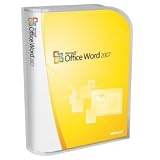
- Document authoring program helps people create and share great-looking documents
- Combines a comprehensive set of writing tools with an easy-to-use interface
- Quickly construct documents from predefined parts and styles; compose and publish blogs directly from within Word
- Add Building Blocks of predefined content and reduce the errors associated with copying and pasting frequently used content;
- Quick Styles function saves you time by helping you format text and tables throughout your document
Check Your Result: How to Confirm Compatibility Mode Is Off
Don’t assume the conversion worked—confirm it.
- Title bar: When you open the converted file, “Compatibility Mode” should no longer appear.
- File extension: The saved document should end with .docx.
- Behavior check: Features that weren’t available in legacy mode (depending on content) should behave normally after conversion.
If Compatibility Mode still appears after saving as .docx, jump to troubleshooting below.
Common Reasons It Won’t Turn Off (Troubleshooting)
If you converted/saved as .docx and Compatibility Mode persists, one of these causes is usually responsible.
1) You’re still opening the old file
This sounds obvious, but it’s the #1 mistake. Make sure you reopened the newly saved .docx file—not the original .doc.
The Tool Desk
Outbyte Driver Updater FREEScan for outdated or missing drivers - takes under a minuteDriver Scan →Outbyte PC Repair FREEClear out junk files and repair common Windows errorsFree Scan →- Confirm the file name and extension.
- Use File > Save As again to a new name as a sanity check.
2) The document is a legacy format disguised inside a workflow
Examples include documents downloaded from email attachments, older templates embedded into the file, or content pasted from a legacy source.
- Create a brand-new Word document.
- Paste the content from the converted file into the new file.
- Save the new file as Word Document (*.docx).
3) The file is not actually DOCX (even if it opens)
Some environments preserve legacy metadata or keep the document in a compatibility target even after a conversion attempt.
Try exporting/importing:
- On Windows: File > Save As and ensure the chosen type is exactly Word Document (*.docx).
- On Mac: File > Export to Word Document (.docx).
4) Document is restricted by policy or template rules
In managed workplaces, group policies or template defaults can force older compatibility behavior.
- Try opening the same content in a blank document created under your normal user profile.
- If it works there, the issue is likely template enforcement.
5) Word build/version mismatch or missing updates
Sometimes conversion commands behave inconsistently across older builds. If you’re on Word 2016 or an older Microsoft 365 version, update Word and retry conversion.
Windows Errors? Fix Them Before They Spread
Repair common Windows errors and clear accumulated junk for a smoother, more stable PC - no reinstall needed.Free scan · no reinstallCrashes, No Sound, or Screen Glitches?
Random freezes, missing sound and display glitches usually trace back to one bad driver. Find and replace yours safely.Free scan · under a minute- Windows: File > Account > Update Options > Update Now.
- macOS: Word > Check for Updates or update via Microsoft AutoUpdate.
6) Formatting looks off after conversion
Converting to .docx removes legacy limitations, but it can still change pagination, fonts, or spacing—especially for complex tables, headers, or text boxes.
If the layout changes, focus on rebuilding affected structures (tables, section breaks, and styles). Use Word’s Styles pane to reapply consistent styles across headings and body text.
Compatibility Mode vs. Protected View and Other Warnings
Word shows multiple kinds of “limited mode” messages. Compatibility Mode is specifically about how Word interprets a legacy document format.
| Message You See | What It Usually Means | Typical Fix |
|---|---|---|
| Compatibility Mode | Legacy format behavior (often older .doc) | Convert/save as .docx |
| Protected View | Document is treated as untrusted (downloaded from email/internet) | Enable editing after trusting the source |
| Read-only | Permission or file attribute issue | Remove read-only or save to a writable location |
If you only see Protected View and not Compatibility Mode, converting to .docx won’t be the right solution.
What’s actually slowing this PC down?
Pick the symptom - the matching free tool is one click away.
Quick Reference Table: What to Do Based on Your File
| Your File Type | Most Likely Cause | Best Fix |
|---|---|---|
| .doc | Legacy format forces Compatibility Mode | File > Info > Convert (or File > Save As > .docx) |
| .docx but Compatibility Mode appears | Compatibility target embedded in document settings | Save As to .docx with a new name, then reopen |
| .rtf | RTF imports can retain legacy formatting | Save As to .docx, then standardize styles |
| Template-based document (company template) | Template enforces compatibility behavior | Copy content into a new blank document and save as .docx |
FAQs
Can I turn off Compatibility Mode with a setting instead of converting?
Usually, no. Compatibility Mode is largely tied to the document’s format (especially .doc) and the compatibility target used when the file was created. Converting or saving as .docx is the dependable approach.
Best Value

- With 32 GB of memory, runs as many programs as you want without losing the execution
- The 14.4" 2400 x 1600 screen provides a great movie watching experience
- 1 TB total SSD capacity for spacious storage with much faster data transfer speed than standard hard drives
- 18 Hours battery run time helps you stay unwired and work longer non-stop
- NVIDIA RTX 2000 Ada Generation 8 GB discrete graphic card provides excellent ability in a variety of multimedia applications and user experiences
Will converting change my formatting?
It can. Converting removes some legacy rendering rules, which may affect spacing, pagination, and complex elements like tables, text boxes, and headers. After conversion, review page breaks and reapply styles if needed.
Why does Compatibility Mode show up after I already saved as .docx?
Common causes include opening the original file again, a template/embedded setting still targeting an older compatibility profile, or pasted legacy content. Try saving to a new name, reopening, and—if needed—paste into a fresh blank document saved as .docx.
Does this work in Word Online or only in the desktop app?
Compatibility Mode handling is most reliable in desktop Word (Word for Windows or Mac). Word Online may let you view or edit, but converting legacy files typically requires the desktop app for best results.
What if I only receive the document as an attachment and can’t edit it?
If the file is opened in Protected View or is read-only, you may not be able to convert until you enable editing or save to a writable location. Confirm it’s not read-only, then save a copy and convert from there.
Bottom Line
To turn off Compatibility Mode in Word, convert the document to .docx—either via File > Info > Convert or File > Save As > Word Document (*.docx). Then close and reopen the converted file to verify the “Compatibility Mode” label is gone.
If it still persists, double-check you’re opening the new file, and if needed, copy the content into a fresh blank document saved as .docx. That approach removes most stubborn compatibility targets and template side effects.
Quick Recap
Product prices and availability are accurate as of the date/time indicated and are subject to change. Any price and availability information displayed on Amazon at the time of purchase will apply.




