Free tools Windows power users keep installed
One-click scans. No signup required.
A near miss is not proof that a workplace was safe; it is evidence that a harmful outcome was possible under the conditions in place. Treat it as a signal to examine hazards, work processes, and safety barriers, then make and verify changes that reduce the risk.
What counts as a near miss?
An OSHA-hosted reporting form defines a near miss as a potential hazard or incident in which no property was damaged and no one was injured, but a slight shift in time or position could easily have caused damage or injury. “Close call,” “near accident,” and “injury-free event” are also used for these events. The form was produced under an OSHA grant and says it does not necessarily reflect the Department of Labor’s views or policies; its wording is a useful working definition, not a binding universal rule. OSHA-hosted Near Miss Report Form


As an Amazon Associate I earn from qualifying purchases.
A practical reporting policy can also include unsafe conditions or behavior, events that could have caused environmental damage, and cases where a safety barrier was challenged—for example, a machine guard was bypassed. OSHA’s sample policy is a template, not a regulation. OSHA-hosted Near Miss Reporting Policy
Outdated Drivers Are Slowing You Down
One free scan finds every outdated or missing driver and matches the right update for your exact hardware.Free scan · exact hardware matchPC Slower Than It Used to Be?
A free scan shows the junk files, broken settings and background clutter dragging Windows down - then fixes them in one click.Free scan · Windows 10 & 11Should near misses be reported?
Yes. Reporting gives the organization a chance to identify hazards and weaknesses before an event causes harm. The absence of injury does not show that the conditions were acceptable, and a near miss by itself does not establish that an injury will follow. OSHA’s guidance supports investigating close calls to find underlying hazards, causes, and gaps in the safety and health program; it does not establish a universal near-miss-to-injury ratio.
#1 Best Overall

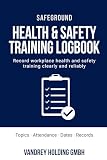
- Updated Compliance: While the new rule takes effect on 7/19/2024, training and compliance dates don’t start until 1/19/2026, giving your team ample time to prepare with this thorough guide to OSHA regulations (29 CFR 1910.1200(j)).
- Comprehensive Safety Training Handbook: Prepares your employees for 25 of OSHA’s hottest safety topics, from Confined Space Entry to Workplace Violence, ensuring they are equipped with vital safety knowledge for a safer work environment.
- In-Depth, Easy-to-Understand Content: Each chapter tackles key workplace hazards like Electrical Safety, Lockout/Tagout, Respiratory Protection, and more, helping to prevent injuries and illnesses while promoting safe practices.
- Interactive Learning with Quizzes: Engaging chapter review quizzes reinforce safety concepts, making it easier for employees to retain and apply the knowledge, with downloadable answer keys for easy tracking.
- Specifications: English, Softbound, full-color pages (272 pages) offer clear, visually appealing safety information for a diverse workforce, with home safety details included throughout.
Workers are often best positioned to see hazards and shortcomings in the way work is actually done. OSHA recommends a reporting process that makes it possible to raise concerns promptly, receive a response, and take part in solutions. Anonymous reporting options can help workers who fear blame or retaliation. Workers should also be able to request a temporary stop to work they believe is unsafe. OSHA: Worker Participation
Reporting volume alone is not a reliable measure of safety. A rise in reports may reflect greater participation, while a low count can reflect barriers to reporting. Avoid incentives tied only to low incident counts if they could discourage workers from speaking up. Track whether reports receive follow-up and hazards are corrected instead.
What should happen after a near-miss report?
- Make the area safe. Address any immediate danger before gathering information. If work remains unsafe, use the applicable stop-work process.
- Record the facts and potential consequence. Note what happened, where and when it happened, the task and equipment involved, and what injury or damage could reasonably have occurred. Distinguish observed facts from assumptions.
- Involve people who know the work. Include workers familiar with the task, along with supervisors or safety personnel. Their input can reveal how the work is performed in practice, not just how a written procedure describes it.
- Identify contributing conditions and system weaknesses. Examine equipment, layout, workload, procedures, training, supervision, and production demands where relevant. Ask why an unsafe condition existed or why an action made sense in the circumstances; do not stop at “carelessness” or “the procedure was not followed.”
- Choose and assign corrective action. Select controls that address the hazard, name an owner, and set a completion date. Tell affected workers what will change and when.
- Verify the result. Confirm that the control was implemented and works under real conditions. Recheck it periodically and when equipment, processes, or workplace conditions change.
OSHA recommends a clear investigation procedure, trained teams that include management and workers, objective fact-finding, root-cause analysis, and communication of findings. Its incident-investigation overview cautions that blaming a worker or citing a procedure violation alone does not explain why the event occurred. Ask whether the procedure was outdated, whether production pressure played a part, or whether equipment or training contributed. OSHA: Incident Investigation—Overview
What’s actually slowing this PC down?
Pick the symptom - the matching free tool is one click away.
How do you choose a corrective control?
Compare options by how well they reduce exposure, how reliably they work, whether they introduce another hazard, and how their effectiveness will be checked. OSHA advises selecting controls that are feasible, effective, and permanent, and consulting workers about their practicality. OSHA: Hazard Prevention and Control
| Priority | Control approach | What it changes |
|---|---|---|
| 1 | Elimination | Removes the hazard entirely. |
| 2 | Substitution | Replaces the hazard with a safer alternative. |
| 3 | Engineering controls | Isolates people from the hazard through physical or equipment changes. |
| 4 | Safe work practices and administrative controls | Changes how work is organized or performed; effectiveness may depend on consistent implementation. |
| 5 | Personal protective equipment (PPE) | Protects the worker when exposure remains; it is the last level in the hierarchy. |
More than one control may be needed. For each option, consider whether workers can use it reliably, whether it creates a new hazard, and whether it actually addresses the conditions that led to the near miss. A reminder or retraining may be appropriate in some cases, but it should not substitute for a feasible higher-level control when the hazard can be removed or isolated.
How do you know the change worked?
Implementation is not the same as effectiveness. The assigned owner should confirm that the change was completed, check whether it controls the hazard during the actual task, and ask workers whether new problems have emerged. OSHA advises verifying controls at least annually and when workplace conditions, processes, or equipment change. If a check finds the risk remains, revise the control and verify again.
Rank #4
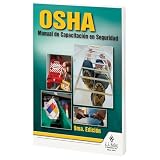
- Updated Compliance: While the new rule takes effect on 7/19/2024, training and compliance dates don’t start until 1/19/2026, giving your team ample time to prepare with this thorough guide to OSHA regulations (29 CFR 1910.1200(j)).
- Comprehensive Safety Training Handbook: Prepares your employees for 25 of OSHA’s hottest safety topics, from Confined Space Entry to Workplace Violence, ensuring they are equipped with vital safety knowledge for a safer work environment.
- In-Depth, Easy-to-Understand Content: Each chapter tackles key workplace hazards like Electrical Safety, Lockout/Tagout, Respiratory Protection, and more, helping to prevent injuries and illnesses while promoting safe practices.
- Interactive Learning with Quizzes: Engaging chapter review quizzes reinforce safety concepts, making it easier for employees to retain and apply the knowledge, with downloadable answer keys for easy tracking.
- Specifications: Spanish, Softbound, full-color pages (304 pages) offer clear, visually appealing safety information for a diverse workforce, with home safety details included throughout.
Share findings with the people affected by the work: what the investigation found, what changed, who is responsible for follow-up, and how to raise a concern if the hazard persists. Prompt feedback helps workers see that reporting leads to action rather than blame or silence.
Scope and jurisdiction
The cited OSHA guidance and templates are U.S.-focused. Employers and workers elsewhere should check their own jurisdiction’s reporting and safety requirements. OSHA’s separate notification deadlines concern specified serious injuries and fatalities; a near miss alone is not the basis for those deadlines.
Quick Recap
Product prices and availability are accurate as of the date/time indicated and are subject to change. Any price and availability information displayed on Amazon at the time of purchase will apply.




