Do these 3 things before closing this tab:
1Repair Windows errors before they cause bigger problems2Scan for outdated or missing drivers - takes under a minute3Clear out junk files and repair common Windows errorsWhen a PS4 starts acting “off,” it’s easy to assume the console is broken. Often, though, the real problem is corrupted data—either in the file system, the PS4 database, a specific game install, or the system software itself.
This guide shows you how to recognize corruption by behavior and error patterns, then use the least destructive fix first: rebuilding the database, then reinstalling system software, and only then initializing the console.
As an Amazon Associate I earn from qualifying purchases.
You’ll also learn how to tell corruption symptoms from a failing hard drive, which is where many “mystery fixes” fail.
What PS4 Corruption Actually Means
On PS4, “corruption” usually refers to broken or inconsistent data structures—things like database indexes, partially written files, or a system update that didn’t install cleanly. The result can be missing files, repeated crashes, infinite loading, or boot loops.
#1 Best Overall

- 1TB Capacity, 9.5mm High, Rotation Speed of 5400RPM
- 8MB Buffer, SATA 3.0Gb/s Interface, 2.5inch Hard Drive
- Works for PS3 / PS4 Game Console HDD replacement / upgrade
- PS3 / PS4 Hard Drive installation & Playstation firmware download instruction included
- Backed by a 3-year warranty from Reseller
Because the PS4 uses a hard drive (HDD or SSD via adapter), corruption can come from a software issue, a sudden power loss, failing storage sectors, or an interrupted update.
Common Signs Your PS4 Is Corrupted
Look for patterns. One weird crash might be normal; repeated failures across multiple games, plus system instability, is a stronger corruption indicator.
Boot and system behavior
- Safe Mode loops: The PS4 keeps restarting or won’t get past the boot animation.
- Black screen / frozen logo: Loading stalls at the PS4 logo or during system startup.
- System menu won’t respond: The UI hangs, buttons don’t register, or the PS4 becomes unresponsive after signing in.
- Repeated rebuild requests: The system prompts you to repair or it behaves like the database is continually inconsistent.
Game/app issues
- Games won’t launch or crash right after the “Checking download status” phase.
- Corrupt downloads: A game installs, but specific assets are missing, leading to stuck loading screens.
- Frequent application errors: One title triggers failures for other titles too, suggesting broader storage/database corruption.
- Copy/Install progress resets: Downloads jump backward or restart after reaching a certain percentage.
Storage and file-system symptoms
- Can’t save: Save operations fail, saves disappear, or the PS4 refuses to create new save data.
- Download/install errors with storage-related wording: Messages that point to corrupted data or unreadable installs.
- Slowdowns that persist: Slow UI, long load times, and stuttering that doesn’t improve after restarting.
Error codes you may see
These aren’t the only codes, but certain patterns show up during corruption or storage failure. If you can, write down the exact code and message.
Quick wins for a faster PC:
Repair Windows errors before they cause bigger problemsFix Now →Fix the driver behind crashes, sound loss and screen glitchesFind Drivers →Clear out junk files and repair common Windows errorsFree Scan →- CE-30005-8: Often tied to corrupted system software or an issue installing updates.
- CE-34788-0 / CE-34335-8: Commonly appears with download/install problems or storage/database issues.
- CE-36329-3: Usually related to storage or file corruption during updates/installs.
- CE-30002-5: Can be linked to hard drive problems.
If your PS4 throws an error code and you’re unsure what it means, treat it as a “directional” hint. Then follow the least destructive repair steps first.
Before You Fix Anything: Prerequisites and Safety
Before you touch system recovery options, focus on protecting data. Initialization can erase local saves and installed games (and can’t always be undone).
Prerequisites
- Back up saves if you can still access the PS4 UI. Use Settings > Application Saved Data Management > Saved Data in System Storage > Copy to USB Storage Device.
- Have a USB drive for reinstalling system software (commonly 2GB+). Format it to FAT32 if needed.
- Know your storage type: A failing HDD/SSD can create repeat corruption. If you can, confirm SMART health on a PC (later in this guide).
Power and cables
If the console is unstable, use a surge protector or a different wall outlet and avoid power strips with bad grounding. Also reseat HDMI and power cables if you’re getting black screens.
Check the Basics First (Quick Triage)
These steps won’t fix everything, but they resolve a surprising number of “corruption-like” symptoms.
Windows Errors? Fix Them Before They Spread
Repair common Windows errors and clear accumulated junk for a smoother, more stable PC - no reinstall needed.Free scan · no reinstallCrashes, No Sound, or Screen Glitches?
Random freezes, missing sound and display glitches usually trace back to one bad driver. Find and replace yours safely.Free scan · under a minuteRank #2
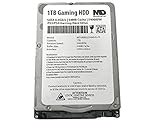
- 2.5inch Notebook HDD, 7mm Height (Slim)
- 1TB Capacity, 5400RPM, 64MB Cache, SATA 6.0Gb/s
- Works for PlayStation gaming systems (PS3 / PS4 Original, PS4 Slim, PS4 Pro)
- Massive 1TB capacity can store up to 80 × 25GB games.
- 2 Years Warranty from Reseller
- Restart fully: Hold the power button until the PS4 turns off. Wait 10 seconds, then power on.
- Try a different HDMI port (and ideally a different HDMI cable).
- Confirm your internet is stable: If downloads keep failing, corruption may be triggered by a bad connection mid-install.
- Remove external USB devices: Unplug extra drives/controllers before attempting installs.
- Clear stuck downloads: Pause/cancel and re-download the affected game if it’s isolated to one title.
If the same problem hits multiple games or the system can’t boot reliably, move on to database repair and OS reinstall.
Fix Method 1: Rebuild the PS4 Database (Least Destructive)
Rebuilding the database reorganizes the drive’s catalog so the PS4 can find files correctly. It doesn’t usually erase games or saves, but it can fix corrupted indexes after power loss or interrupted installs.
What it does and when to use it
- Use it when the PS4 boots to the system UI but games won’t load, installs fail, or the console behaves inconsistently.
- Skip it as a “quick fix” if your drive is failing (more on that later). Still, it’s often the first safe step.
How to run it (Safe Mode steps)
- Fully power off the PS4 (not rest mode).
- Press and hold the power button until you hear two beeps: one when you first press, and one 7 seconds later.
- Connect your DualShock 4 controller via USB.
- Select Rebuild Database.
- Wait for the process to finish. This can take 15–60+ minutes depending on drive size and how inconsistent the database is.
If it completes and the PS4 becomes stable, keep an eye on behavior. If errors return quickly, plan to reinstall system software next.
Fix Method 2: Check and Re-seat Hardware (When Storage Is the Culprit)
If the hard drive is failing, you can rebuild databases and reinstall the OS repeatedly—but the drive will corrupt again.
Check the internal drive condition
- Signs the drive may be failing: frequent freezes, copy/install failures, “file is corrupted” messages, and repeated errors that return after repairs.
- If you’ve replaced the drive before or you’re comfortable with hardware, move to a drive health check using a PC and SMART tools.
Re-seat the hard drive
- Power off the PS4 completely.
- Remove the side cover and take out the 2.5-inch drive.
- Re-seat it firmly, reassemble, and test boot + a game launch.
If re-seating fixes it briefly, the drive connection might have been loose. If it fails again, replace the drive.
Replace the drive (if it’s failing)
For PS4, replace with a 2.5-inch SATA drive. SSD upgrades are common and can improve load times. After replacing, reinstall system software, then restore saves from USB.
Don’t skip the OS reinstall on a new drive; the PS4 needs a clean baseline.
Rank #3
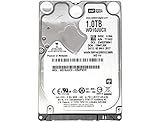
- 1TB Capacity, 9.5mm High, Rotation Speed of 5400RPM
- 16MB Buffer, SATA 6.0Gb/s Interface, 2.5inch Hard Drive
- Works for PS4 (Pro, Slim, Original) Game Console HDD replacement / upgrade (835GB available storage space on PS4, rest capacity is used for System)
- PS4 Hard Drive installation & Playstation firmware download instruction included
- Backed by a 3-year warranty from Reseller
Fix Method 3: Reinstall System Software (When the OS Is the Problem)
If rebuilding the database doesn’t stabilize the system or you’re seeing system-level errors, reinstalling PS4 system software is often the turning point.
What’s actually slowing this PC down?
Pick the symptom - the matching free tool is one click away.
Download and prepare the update file
- On a PC or another console that can browse the web, download the PS4 Reinstallation file from PlayStation’s support site.
- Create a folder structure on the USB drive exactly as required by PlayStation:
/PS4/UPDATE/
- Place the downloaded file in
/PS4/UPDATE/. Use the filename provided by the installer (don’t rename it). - Eject the USB drive safely.
Make sure the USB drive is readable on the PC first. Corrupted USB contents are a surprisingly common cause of install failures.
Install from USB in Safe Mode
- Power off the PS4.
- Hold the power button until you hear two beeps (Safe Mode).
- Connect your controller via USB.
- Insert the USB drive.
- Select Reinstall System Software.
- Follow the on-screen prompts. Don’t power off during installation.
What to do if installation loops or fails
- Try a different USB drive or different USB port on your PC for formatting.
- Reformat USB to FAT32 (and ensure the folder path is correct).
- Verify the download by re-downloading the installer file.
- If it still fails, suspect a failing HDD and move to drive replacement.
Fix Method 4: Initialize the PS4 (Factory Reset / Most Destructive)
Initialization wipes settings and can remove installed data. It’s appropriate when system reinstall won’t resolve persistent corruption, or when you suspect deep file-system issues.
If you have important local saves and you can’t back them up anymore, prioritize save recovery first (or try reinstall/rebuild before initialization).
Full vs Quick options
- Initialize PS4 (Quick): Typically deletes user data and restores default settings more quickly.
- Initialize PS4 (Full): Performs a deeper wipe across the drive. Use this when you want the most thorough reset.
Exact labels can vary slightly by firmware version, but Safe Mode initialization provides two wipe levels.
How to initialize (Safe Mode steps)
- Back up saves if possible via USB.
- Power off the PS4.
- Enter Safe Mode (two beeps).
- Select Initialize PS4 and then choose the appropriate option (Quick or Full).
- Wait for completion. Don’t interrupt the process.
- After reboot, sign in and restore what you can.
After initialization: restore what you can
- Restore saves from USB via Settings > Application Saved Data Management.
- Reinstall games from your library (download times can vary widely).
How to Tell Whether It’s Corrupted Data or a Failing Hard Drive
Corruption symptoms can look identical to drive failure. The best clue is persistence: if fixes don’t “stick,” the drive is often the root cause.
Decision table
| Symptom | Likely Cause | Best Next Step |
|---|---|---|
| Database rebuild fixes loading and errors temporarily | Corrupted indexes/files | Run rebuild again or reinstall system software |
| Rebuild and reinstall succeed, but errors return quickly | Failing HDD/SSD causing new corruption | Back up saves, then replace drive |
| Safe Mode options fail or OS reinstall crashes | Storage instability | Test/re-seat drive; replace if needed |
| Only one game fails while others work | That install’s files are damaged | Delete/reinstall the specific title |
Common Mistakes That Make Corruption Worse
- Powering off mid-install: Interrupting system updates or game installs is a fast track to corruption.
- Skipping backups: Initialization can remove local saves.
- Using the wrong USB folder structure: For reinstall,
/PS4/UPDATE/must be correct and you shouldn’t rename the file. - Chasing errors one game at a time when the system is unstable: if multiple titles fail, treat it as storage/database/system-wide.
- Assuming rebuild always fixes it: If the drive is failing, rebuilding only postpones the next failure.
Troubleshooting Flow: What to Try in Order
Use this sequence when you want the best chance of recovery with the least data loss.
Rank #4

- HDD hard drive bay door cover.
- Made of durable plastic material, providing well protection to your game console.
- Replacement for your broken, damaged or old part.
- Specially designed, perfect fit with your device.
- Backup saves (USB) if you can access the PS4 menu.
- Restart fully and test one affected game.
- Rebuild Database in Safe Mode.
- Reinstall System Software from USB in Safe Mode.
- If failures persist: check/re-seat/replace the hard drive.
- As the last resort: Initialize PS4 (Quick or Full), then restore saves and reinstall games.
If you reach step 5 (drive replacement) and you no longer see corruption, that’s your strongest confirmation the drive was the root cause.
FAQs
Will rebuilding the database delete my games or saves?
Usually it won’t. Rebuild Database reorganizes indexes on the drive. Still, treat it as a recovery step for consistency, and keep backups whenever you can.
The Tool Desk
Outbyte PC Repair FREERepair Windows errors before they cause bigger problemsFix Now →Outbyte Driver Updater FREEFix the driver behind crashes, sound loss and screen glitchesFind Drivers →How do I know if my PS4 corruption is hardware-related?
If rebuild and system reinstall work but errors return repeatedly (especially after a short time), that points toward failing storage. Installation failures that come back across multiple attempts are another clue.
Can I recover saves if I can’t boot into the PS4 menu?
Sometimes. If you can reach Safe Mode and the system still recognizes the drive, you may be able to back up saves from settings (model/firmware dependent). If not, try reinstalling system software first—initialization is more destructive.
What’s safer: reinstalling system software or initializing the PS4?
Reinstalling system software is generally less destructive than initializing. Initialize is the most aggressive step because it wipes local data/settings.
Should I use Rest Mode if my PS4 is acting unstable?
No. When a console is showing corruption symptoms, avoid Rest Mode and power down fully. Interrupted sleep/hibernate-like behavior can contribute to incomplete writes if the system loses power.
Bottom Line
To tell if your PS4 is corrupted, watch for repeating boot problems, database-related instability, failed installs, missing saves, and error codes that keep resurfacing across games. One-off crashes happen—system-wide persistence doesn’t.
Start with the least destructive path: rebuild the database, then reinstall system software. If the issue returns after repairs, assume the hard drive is failing and plan a replacement before you run another round of resets.
Quick Recap
Product prices and availability are accurate as of the date/time indicated and are subject to change. Any price and availability information displayed on Amazon at the time of purchase will apply.




