To prevent frozen pipes during a winter storm, protect exposed plumbing before the cold arrives, keep indoor heat on, and let a cold-water faucet drip when it serves a vulnerable pipe. Know where your main water shutoff is in case a pipe freezes or bursts. These steps reduce risk, but no single thermostat setting or drip rate guarantees that every home’s plumbing will stay unfrozen.
Find the pipes most at risk
Start by looking for water lines exposed to outdoor temperatures or located in unheated spaces. Pay particular attention to pipes:
As an Amazon Associate I earn from qualifying purchases.
- In crawl spaces, attics, garages, and unheated basements.
- Along exterior walls or beneath kitchen and bathroom sinks.
- Near the point where the water service enters the home.
- Serving outdoor hose bibs or sprinkler systems.
These locations are highlighted in American Red Cross frozen-pipe guidance and National Weather Service cold-weather guidance. Prioritize pipes in spaces that are both exposed to cold and difficult to heat.
Prepare plumbing before the storm
Insulate exposed pipes and cold spaces
Fit pipe-insulation sleeves to exposed hot- and cold-water supply lines, and add insulation to attics, basements, and crawl spaces where needed. Select sleeves that fit the pipe diameter and suit the location. Insulation helps slow heat loss, but it does not create heat or guarantee protection in prolonged extreme cold.
#1 Best Overall

- [ETL Certified for Superior Safety] ETL certification is a trusted mark of safety and quality, recognized across North America for ensuring compliance with rigorous industry standards. Our self-regulating heating cable is fully ETL certified, from end to end, guaranteeing exceptional performance and reliability. Additionally, the plug is UL certified for added safety. For the safety please always choose a heating cable that is fully certified—because true safety comes with complete certification. Just the plug certified is not enough. The whole heating cable need to be certified.
- [Pipe Freeze Protection] Pipe Heating Cable, 3 W/ft, energy-efficient design. Safeguard your pipes and reduce electricity costs. Maintains water flow in temperatures as low as -40°F (-40°C). Includes a 2 Ft power cord and heating cable options ranging from 3 Ft to 160 Ft. This product is backed by up to USD 2 million in product liability insurance, providing you with added peace of mind and security in your purchase.
- [Compatible with Different Pipe Materials] Our water pipe heat cable is versatile, suitable for various pipe types. It works effectively with both metal and plastic water pipes, delivering reliable freeze protection across different materials. Whether it's copper, PVC, or stainless steel, our cable guarantees exceptional performance, ensuring your pipes remain secure and operational even in extreme weather conditions.
- [High-Tech Self-regulating Heating Technology] Our water pipe heat tape features self-regulating technology, automatically adjusting heating power in response to ambient conditions, ensuring it never overheats or causes burns. This intelligent functionality optimizes energy usage, ensuring efficient and dependable pipe freeze protection.
- [Efficient Integrated Thermostat] Our pipe heat trace features a built-in thermostat, activating at 38℉(3℃) and deactivating at 50℉(10℃). This intelligent system regulates power output, operating only when needed for optimal energy efficiency. Rest assured, your water pipes are protected from freezing while minimizing energy usage.
Block drafts around plumbing
Seal openings that let cold air reach pipes, including gaps near plumbing penetrations, electrical wiring, and dryer vents. Check around the service-entry area and other openings to unheated spaces. Addressing drafts complements pipe insulation rather than replacing it.
Drain outdoor lines as appropriate
- Remove garden hoses, drain them, and store them indoors.
- If your plumbing has an indoor shutoff for an outdoor hose bib, close it, then open the exterior bib to drain remaining water if the setup permits.
- Drain sprinkler supply lines according to the system manufacturer’s or installer’s instructions. Do not add antifreeze unless those instructions direct you to.
For product-specific advice on hoses and sprinkler lines, see the Red Cross guidance and National Weather Service recommendations.
Rank #2
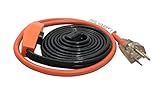
- 6Ft x 120V x 7W/ft.
- Keeps water flowing down to (-40) degrees F
- For metal and plastic water pipes
- Easy to install
Consider heat cable only when suitable
Heat tape or heat cable can be an option for exposed pipes that remain vulnerable, but it requires more care than passive insulation. Choose a product listed for its intended indoor or outdoor use, verify compatibility with the pipe and installation, and follow its instructions for installation and operation. Do not use it as a casual substitute for correcting drafts or inadequate insulation; National Weather Service guidance stresses following product directions.
Learn the water shutoff location
Locate the home’s main water shutoff before an emergency and make sure household members know how to operate it. If you are considering shutting off and draining the house while away, check whether a residential fire-sprinkler system is connected to that water supply. A National Weather Service-hosted preparedness document warns that shutting off the house water deactivates a connected residential fire-sprinkler system.
Rank #3
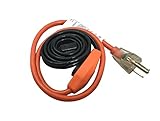
- 3Ft x 120V x 7W/ft
- Keeps water flowing down to (-40) degrees F
- For metal and plastic water pipes
- Easy to install
Protect pipes while temperatures are low
Keep the home heated
Maintain heat during severe cold rather than lowering the thermostat overnight. If you will be away during cold weather, the Red Cross advises leaving the heat on and setting the thermostat no lower than 55°F. This is published preparedness guidance, not a guarantee for every building or plumbing layout. See the Red Cross frozen-pipe recommendations.
Let room heat reach plumbing
Open kitchen and bathroom sink cabinet doors where pipes are present so warmer room air can circulate around them. Move cleaning products and chemicals out of children’s reach before opening cabinets. Keep garage doors closed if water lines run through the garage. The National Weather Service also advises leaving cabinet doors open to let heat reach pipes in its Albuquerque winter-weather guidance.
Rank #4

- 【Cable Certified】Unlike plug-only certified cables, our ENTIRE heating cable meets standards. Aluminum alloy shield (70% coverage) prevents shorts + TPE jacket resists UV/chemicals. Includes 5FT grounded plug with indicator light. Backed by product liability insurance.
- 【-40°F Freeze Protection】For water-filled metal/plastic pipes (copper, PVC, PEX). 5W/FT output prevents ice at -40°F. WARNING: Do NOT use on fuel lines/gutters—no water causes overheating. Pure copper core maintains pipes 10-15°F above ambient, preventing bursts + saving energy.
- 【Industrial-Grade Construction: Pure Core + Triple-Layer Armor】 Multi-layer protection exceeds standard heating tapes: Layer 1: Oxygen-free copper core (99.99% conductivity) for uniform heating Layer 2: Explosion-proof aluminum winding shields against physical impact Layer 3: Weather-resistant TPE outer jacket (IP67 rated) withstands moisture, chemicals, and UV exposure Tested for 10,000+ bend cycles and 20-year service life—ideal for buried or exposed pipes in coastal/high-salinity environments
- 【Simple Installation and Various Length Options】 Our pipe heating tape is designed for easy installation and features pre-installed convenience. Whether it's straight, spiral, or overlapping, it can easily meet your needs. Its length ranges from 3 feet to 200 ft, suitable for various applications from residential to industrial, offering multiple flexible options.
- 【Suitable for Different Pipe Materials】Our water pipe heating cables have versatile functions and are compatible with various types of pipes. They can be effectively used with both metal and plastic pipes and provide reliable anti-freezing protection on pipes of different materials. Whether it's copper pipes, PVC pipes or stainless steel pipes, our cables can ensure excellent performance and guarantee that your water pipes remain stable and operate normally even in extreme weather conditions.
Drip a faucet served by exposed pipes
When it is very cold, let cold water drip from a faucet served by vulnerable plumbing. A small, steady flow can help keep water moving through the exposed pipe; the Red Cross says even a trickle can help. Dripping is a targeted precaution, not a substitute for heat and insulation. Follow local water-conservation or utility directions if they apply. The National Weather Service’s Albuquerque guidance likewise recommends leaving taps on a drip when very cold temperatures are expected.
Quick wins for a faster PC:
Clear out junk files and repair common Windows errorsFree Scan →Fix the driver behind crashes, sound loss and screen glitchesFind Drivers →Repair Windows errors before they cause bigger problemsFix Now →Use backup heat safely during an outage
A winter storm may interrupt power or heating. If you use a space heater, use a model with automatic shutoff, keep it clear of flammable materials, and plug it directly into a wall outlet rather than an extension cord. Do not leave children unattended near heaters or fireplaces. Never use an oven, grill, or outdoor heating appliance to heat the home. Follow the National Weather Service’s cold-weather safety advice.
Best Value

- 【Cable Certified】Unlike plug-only certified cables, our ENTIRE heating cable meets standards. Aluminum alloy shield (70% coverage) prevents shorts + TPE jacket resists UV/chemicals. Includes 5FT grounded plug with indicator light. Backed by product liability insurance.
- 【-40°F Freeze Protection】For water-filled metal/plastic pipes (copper, PVC, PEX). 5W/FT output prevents ice at -40°F. WARNING: Do NOT use on fuel lines/gutters—no water causes overheating. Pure copper core maintains pipes 10-15°F above ambient, preventing bursts + saving energy.
- 【Industrial-Grade Construction: Pure Core + Triple-Layer Armor】 Multi-layer protection exceeds standard heating tapes: Layer 1: Oxygen-free copper core (99.99% conductivity) for uniform heating Layer 2: Explosion-proof aluminum winding shields against physical impact Layer 3: Weather-resistant TPE outer jacket (IP67 rated) withstands moisture, chemicals, and UV exposure Tested for 10,000+ bend cycles and 20-year service life—ideal for buried or exposed pipes in coastal/high-salinity environments
- 【Simple Installation and Various Length Options】 Our pipe heating tape is designed for easy installation and features pre-installed convenience. Whether it's straight, spiral, or overlapping, it can easily meet your needs. Its length ranges from 3 feet to 200 ft, suitable for various applications from residential to industrial, offering multiple flexible options.
- 【Suitable for Different Pipe Materials】Our water pipe heating cables have versatile functions and are compatible with various types of pipes. They can be effectively used with both metal and plastic pipes and provide reliable anti-freezing protection on pipes of different materials. Whether it's copper pipes, PVC pipes or stainless steel pipes, our cables can ensure excellent performance and guarantee that your water pipes remain stable and operate normally even in extreme weather conditions.
What to do if a pipe freezes
Recognize the warning sign
If a faucet produces only a trickle, a pipe may be frozen. Check vulnerable areas such as exterior walls and the point where the water service enters the home. Check other faucets too; more than one pipe may be affected.
Thaw it gradually and safely
- Keep the affected faucet open so water can flow as the ice melts.
- Apply gradual heat to the frozen section using an electric heating pad, hair dryer, a space heater kept well away from flammable materials, or towels soaked in hot water.
- Continue until normal water pressure returns.
Never use a blowtorch or another open flame to thaw a pipe. Do not use electrical appliances in standing water. If you cannot find or safely reach the frozen section, or it will not thaw, contact a licensed plumber. These steps are consistent with Red Cross guidance and National Weather Service advice.
If a pipe bursts
Use the main water shutoff you located in advance to stop water flow, then contact a licensed plumber for repairs. If water is near electrical equipment or outlets, do not enter standing water or use electrical appliances there.
Quick Recap
Product prices and availability are accurate as of the date/time indicated and are subject to change. Any price and availability information displayed on Amazon at the time of purchase will apply.




