To install a 4TB M.2 NVMe SSD in a desktop PC, first confirm that the motherboard supports an NVMe/PCIe drive of that capacity and physical length. Then shut down and unplug the computer, fit the SSD in a compatible M.2 slot, secure it as the motherboard manual specifies, and check that the system detects it. A new secondary drive may also need to be initialized and formatted before you can store files on it.
Check compatibility before opening the PC
M.2 describes a physical form factor and connector family; it does not by itself mean a slot supports NVMe. Verify the exact motherboard model and consult its manual or specifications before installing the drive. Kingston’s M.2 SSD FAQ explains the distinction between module size and protocol, and notes that M.2 modules come in lengths such as 2230, 2242, 2260, 2280, and 22110.
As an Amazon Associate I earn from qualifying purchases.
- Protocol: Confirm the chosen slot supports PCIe/NVMe, not only SATA M.2 drives.
- Length and clearance: Check that the slot’s standoff position supports the SSD’s length and that any motherboard heatsink fits over it.
- Capacity and configuration: Check the board’s supported capacity and any slot-specific notes. Some M.2 sockets share PCIe lanes or SATA ports with other devices, which can affect how other ports or expansion devices work.
- Heatsink and firmware notes: Follow the manual for removing and refitting a motherboard heatsink, handling its thermal pad, and checking any relevant firmware guidance.
For example, Kingston’s NV3 datasheet lists a 4TB M.2 2280 PCIe 4.0 NVMe version. That is one product example, not a guarantee that it will work in every motherboard; confirm the exact drive SKU and board support.
Prepare the PC and work area
- Back up important files before working inside the computer.
- Have the PC case and motherboard manuals, the SSD, and the correct screwdriver available.
- Shut the PC down completely, disconnect its power cable, and follow the case or PC maker’s service instructions.
- Work carefully, ground yourself before handling components, hold the SSD by its edges, and avoid touching its gold contacts.
Install the SSD in the M.2 slot
- Remove the case panel according to the case instructions and locate an M.2 slot verified to support PCIe/NVMe and the SSD’s length.
- If a motherboard heatsink covers the slot, use the motherboard manual for its removal and for thermal-pad handling. Keep track of any screws.
- Hold the SSD by its sides and align its keyed connector with the socket. Insert it at the angle specified by the drive or motherboard instructions. It should seat without force; stop if it does not align.
- Lower the far end onto the correct standoff and secure it with the appropriate retaining screw. Tighten only enough to hold the drive in place; do not overtighten.
- Refit the motherboard heatsink if the manual specifies it, then close the case and reconnect power.
Kingston Technology’s installation guide similarly advises inserting an M.2 SSD carefully by its sides, at an angle, without forcing it, and cautions against overtightening the retaining screw. The motherboard manual takes precedence for your slot, standoff, and heatsink arrangement.
#1 Best Overall

- 【Designed for desktop PC/PS5】- Perfectly fit for Samsung 860 EVO, 960 EVO, 970 EVO, 970 Pro, 980 Pro, PS5 etc. this M.2 SSD heatsink compatible with all single sided Type.
- 【Main body material】- Aluminum alloy, silver plating (helps eliminate static electricity), anodic oxidation surface treatment. Dimensions: 3 x 0.95 x 0.4inm.2 heatsink well fit for PS5 installation as well as PC M.2 Slot.
- 【Thermal Pads】- with good thermal conductivity ability. Low viscosity, with no damage to the M.2 SSD.
- 【High Performance】- With 10°C - 20°C cooling effect (varies depending on the environments), cool your M.2 2280 SSD to a safe temp to avoid overheating and throttling, improve your computer's performance.
- 【Easy to Install 】 - With double-sided clip design, are suitable for M.2 NVME SSD of various heights, stable installation, better protection of your M.2 SSD with good heat dissipation performance.
Confirm that the drive is detected
Start the PC and check BIOS/UEFI for the SSD. The location and wording of the storage-device list vary by motherboard, so use its manual if you are unsure where to look. If the drive is not shown, shut the computer down and disconnect power before checking that the SSD is fully seated and secured. Then review the board’s slot-configuration notes and manufacturer support guidance, including any applicable BIOS instructions. Kingston’s SSD support page provides manufacturer support information.
Make a new secondary drive usable
Detection in BIOS/UEFI does not necessarily mean the operating system has prepared the drive for file storage. A new secondary SSD may need disk initialization, partitioning, and formatting in the operating system. The steps and interface depend on the OS and version, so use its disk-management instructions. Select the new 4TB disk by checking its identity and capacity before making changes: initializing or formatting the wrong disk can destroy data on it.
Rank #2
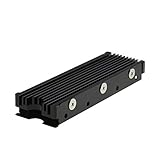
- 【Designed for M.2 SSD】-The heat sink is specially designed for M.2 2280mm SSD, which is very suitable for desktop computers/Playstation 5, etc.
- 【Double-sided cooling】- Aluminum alloy-Groove design, greatly increase the heat dissipation area, with 10°C - 30°C cooling effect (Varies depending on the environments), cool your M.2 SSD to a safe temp to avoid overheating and throttling, improving the performance of your computer.
- 【Easy to Install and Operate】 - With double-sided clip design, 6 adjustable height screws, suitable for M.2 SSD of various heights, stable installation, better protection of your M.2 SSD.
- 【Unique Nano Thermal Pad】- Advancing Gene thermal pad is made from Nano Silicon Grease Material, with good thermal conductivity ability. Soft enough and good ductility, compatible with uneven surfaces of the M.2 SSD. Low viscosity, with no damage to the SSD warranty label.
- 【Fine Workmanship】- Main body material: Aluminum alloy, silver plating (Helps eliminate static electricity), anodic oxidation surface treatment. Dimensions: 3 x 0.95 x 0.4in., net weight: 1oz., minimum installation height requirement: 12mm.
If you are replacing a boot drive
Installing a drive for Windows or another operating system is a separate task from adding a secondary storage disk. You may need to install the OS or migrate the existing boot drive, then select the SSD as the boot device in BIOS/UEFI. Kingston’s support guidance says one way to ensure a new SSD appears as the boot drive during installation is to have it be the only storage device connected; if that is not possible after cloning, select it as the boot device in BIOS. The exact steps depend on your system and migration method.
Do these 3 things before closing this tab:
1Fix the driver behind crashes, sound loss and screen glitches2Repair Windows errors before they cause bigger problems3Scan for outdated or missing drivers - takes under a minuteQuick Recap
Best Value

- 【Designed for desktop PC/PS5】- Perfectly fit for Samsung 860 EVO, 960 EVO, 970 EVO, 970 Pro, 980 Pro, PS5 etc. this M.2 SSD heatsink compatible with all single sided Type.
- 【Main body material】- Aluminum alloy, silver plating (helps eliminate static electricity), anodic oxidation surface treatment. Dimensions: 3 x 0.95 x 0.4in
- 【Thermal Pads】- with good thermal conductivity ability. Low viscosity, with no damage to the M.2 SSD.
- 【High Performance】- With 10°C - 20°C cooling effect (varies depending on the environments), cool your M.2 2280 SSD to a safe temp to avoid overheating and throttling, improve your computer's performance.
- 【Easy to Install 】 - With double-sided clip design, are suitable for M.2 NVME SSD of various heights, stable installation, better protection of your M.2 SSD with good heat dissipation performance.
Rank #4

- High-Performance Cooling with Integrated Heatpipe: Advanced aluminum heatsink with built-in heatpipe ensures efficient heat dissipation, keeping your M.2 NVMe SSD cool even under heavy workloads.
- Maintains Maximum Read and Write Speed: Prevents thermal throttling by lowering SSD temperatures, allowing your drive to maintain top performance for longer periods.
- Compatible with Single and Double-Sided M.2 2280 Drives: Designed to fit both single-sided and double-sided M.2 2280 modules, offering flexible compatibility with a wide range of NVMe SSDs.
- Premium Black Aluminum Design: Sleek matte black finish delivers a clean, high-quality look that perfectly matches modern PC builds while providing excellent thermal conductivity.
- Easy Installation and Secure Fit: Simple mounting system allows quick, hassle-free setup on your M.2 slot for reliable cooling and long-term durability.
Rank #3
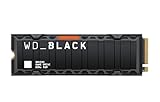
- This product has been replaced by our latest generation. Please search for the SANDISK Optimus GX PRO 850X NVMe SSD
- TRANFORM YOUR PC: Insane speeds up to 7,300MB/s (1TB - 4TB models) deliver top-tier performance with ridiculously short load times for your gaming PC or workstation — for the elite experience you’ve been waiting for.
Product prices and availability are accurate as of the date/time indicated and are subject to change. Any price and availability information displayed on Amazon at the time of purchase will apply.




