Recommended Free Tools
If a Nintendo Switch 2 game will not download, start by checking available space in System Settings → Data Management, then confirm that any storage card is microSD Express. A regular microSD card from the original Switch cannot be used as Switch 2 storage. Game-key cards also need an internet connection for their first software download, while save data stays in the console’s system memory.
These checks address the documented storage and transfer issues. They will not diagnose every download error: Nintendo’s instructions do not establish a universal fix for all error codes, network faults, purchase-account conditions, or regional cases.
As an Amazon Associate I earn from qualifying purchases.
Why won’t my Switch 2 download a game?
The first thing to establish is whether the console has enough free space for the particular title. At the HOME Menu, open System Settings → Data Management and check the available capacity. Then compare it with the required storage figure on the game’s official software page or packaging. Nintendo gives this menu path and directs players to check a title’s required space in its instructions for playing physical software.
What’s actually slowing this PC down?
Pick the symptom - the matching free tool is one click away.
Do not assume that a card is providing extra room just because it worked in the original Switch. Switch 2 removable storage requires a microSD Express card; a conventional microSD card is not supported for Switch 2 storage. If you have an unsupported card inserted, use system memory or a supported microSD Express card instead. Formatting a regular microSD card does not make it compatible.
#1 Best Overall

- NEXT GEN GAMING: Works with Nintendo Switch 2.
- READY FOR TOMORROW. Ready for future products with a PCIe-NVMe interface; performs at UHS-I speeds with microSD UHS-I and UHS-II devices.
- EXPONENTIALLY FASTER PERFORMANCE. Up to 4.4 times faster transfer speeds than our fastest microSD UHS-I cards [9]. Transfer a 2-hour HD movie in less than 3.5 seconds [1]; save up to 2.8 minutes transferring 60 minutes of 4K UHD video [4] shot at 30 fps when paired with the SanDisk PRO-READER SD Express Dual Card (sold separately) [9]
- DURABILITY YOU CAN COUNT ON: Cards are waterproof, temperature-proof, humidity-proof, drop-proof, shock-proof, magnetic-proof, x-ray proof, and wear-out proof [5].
- HEAT MANAGEMENT REIMAGINED. SanDisk ThermAdapt helps keep devices from overheating with a specially designed enclosure and controller that uses dynamic adaptive thermal management.
Also distinguish the type of data you are trying to make room for. Downloaded software, downloadable content, and update data can use system memory or a microSD Express card, subject to Nintendo’s stated limitations. Save data remains in system memory and cannot be moved to the card. Nintendo explains the supported card type and data categories in its microSD Express setup instructions.
Check capacity against the specific game
- From the HOME Menu, open System Settings → Data Management.
- Note the free capacity shown on the console.
- Look up the required space for the exact game on its official software page or packaging.
- If the available capacity is short, decide whether you can make room in system memory or use a compatible microSD Express card for supported data.
Use the title’s published requirement rather than guessing from the game’s name, box size, or the amount of space another game uses. The space requirement is specific to the software, and the console’s free-space display tells you what is currently available. Treat these as two separate checks: the game page or packaging tells you what that title requires, while Data Management tells you what the console currently has free. Neither a card’s advertised capacity nor the size of another game establishes whether this particular download can proceed.
If the figures show a shortfall, first identify where the needed data can go. A microSD Express card can provide removable storage for supported software-related data; it cannot expand the system-memory location used by save data. The available instructions do not give a universal amount of free space that every player should maintain, so use the specific title’s published requirement and the console’s current display rather than relying on a blanket capacity recommendation.
Free tools Windows power users keep installed
One-click scans. No signup required.
Know what can and cannot be moved
Moving supported software data to a microSD Express card can help manage storage, but it does not move save data. If system memory is crowded with saves, adding a card does not relocate those saves; Nintendo says they remain in system memory. That distinction matters when a game download is blocked: adding card capacity may help with supported downloads, but it is not a way to create more room for save data.
Do not treat a downloaded game, its updates, downloadable content, and its save as one indivisible file with one storage location. Nintendo’s instructions distinguish data that may use a microSD Express card from save data, which stays in system memory. Check the console’s own free-space display after making a storage change rather than assuming every associated item moved.
In practical terms, there are two separate questions when a download fails: is there enough space for the software data, and is the available destination supported for that kind of data? System memory is one option; microSD Express is the supported removable-card option. An ordinary microSD card fails the compatibility check, regardless of how much space it appears to have. A save-data concern is different again, because the save remains in system memory even when software data is stored on a card.
Rank #2

- TRANSFER SPEEDS UP TO 800 MB/S: With sequential read speeds up to 800 MB/s, get into your game up to 4× faster than our standard microSD cards (UHS I)¹.
- DYNAMIC THERMAL GUARD: Keeps its cool even when the action heats up. Dynamic Thermal Guard helps reduce overheating for fast, smooth gameplay.
- ALL YOUR GAMES ON ONE TINY CARD: Store all your games and downloadable content (DLCs) with up to 512GB of reliable storage. No deleting. No compromises.
- 6-PROOF PROTECTION WITH 3-YEAR LIMITED WARRANTY: Built to last, made for peace of mind. Anything can happen when you’re gaming on the go. With 6 types of protection²⁻⁹, the P9 Express can handle it all—helping maintain your game progress.
- NEXT-GEN AND BACKWARD COMPATIBLE: Your microSD Express card is compatible with Nintendo Switch 2¹⁰ and microSD UHS-I¹¹ devices, including tablets, drones, cameras and more.
Can I use my old Switch SD card in Switch 2?
No—not as Switch 2 storage. Switch 2 requires microSD Express, so a regular microSD card used in the original Switch cannot serve as the new console’s storage card. Nintendo does provide a separate import flow for screenshots and videos from the original Switch card to Switch 2 console storage, provided the destination has enough free space. The import is for captured media, not a way to make the old card function as expanded Switch 2 storage. See Nintendo’s system-transfer instructions for the legacy-card limitation and media import information.
| Storage choice or operation | Compatibility and purpose | Data handling |
|---|---|---|
| Switch 2 system memory | Usable for Switch 2 data | Save data remains here; supported software data can also use system memory. |
| microSD Express card | Required card type for Switch 2 removable storage | Can hold downloaded software, downloadable content, and update data subject to Nintendo’s limitations; it does not hold save data. |
| Conventional microSD card from original Switch | Not supported as Switch 2 storage | Nintendo’s import flow can bring screenshots and videos to console storage if there is enough free space. |
The two operations involving old and new cards are different. Importing screenshots and videos from an original Switch card brings supported media onto the console. Copying data to a larger microSD Express card is a migration between supported Switch 2 storage cards. Neither operation changes the save-data rule.
That means the right path depends on what you want to do with the old card. If you want Switch 2 removable storage, replace it with a microSD Express card; formatting the conventional card will not change its type. If your goal is to bring over screenshots or videos, use Nintendo’s documented import route and check that Switch 2 has enough free console storage for the media. Media import is not the same as transferring downloaded games or saves.
What to check for a game-key card download
A game-key card’s first use on a console requires an internet connection to download the software data. The download also needs enough available storage. The physical card is not a substitute for that initial software download: it must remain inserted when you play. Nintendo describes these requirements in its physical-software guidance.
- Connect the console to the internet for the initial software download.
- Check free capacity at System Settings → Data Management.
- Compare the available capacity with the required space shown on the official software page or packaging.
- After the software data is downloaded, keep the game-key card inserted when playing.
If the download cannot proceed, check both prerequisites rather than treating the card as though it should contain a complete install. An internet connection is needed for first use, and sufficient storage is needed for the software data. Resolving those requirements does not guarantee a fix for unrelated network, account, or error-code problems.
It is useful to separate the first-download requirement from the later play requirement. Internet access is required for the initial download of software data to a console; the game-key card must also remain inserted when you play. Having the card in hand does not remove the need for the download, and having enough free storage does not remove the internet requirement. If both conditions are met but the displayed message persists, the documented requirements alone do not identify the cause.
Rank #3
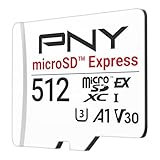
- ELEVATE YOUR GAMING: Engineered with next-generation PCIe Gen 3x1 microSD Express technology to achieve blazing fast performance up to 890MB/s Read and up to 810MB/s Write speeds.²
- LIGHTNING FAST DOWNLOADS: Experience extreme performance up to 4.4x faster than standard UHS-I microSD cards, to spend less time waiting and more time playing! More than double your gaming device’s internal storage with up to 512GB of expanded AAA game space.¹,²
- READY FOR NEXT-GEN GAMING: Compatible with microSD Express Host Devices, including Nintendo Switch 2, and backwards compatible with microSD UHS-I and UHS-II devices like portable gaming devices and more!⁴
- STAY COOL UNDER PRESSURE: Engineered to maximize cooling efficiencies with a heat dissipation dissipative design and adaptive thermal technology.³
- A1 APP PERFORMANCE: A1 Application Performance rating allows users to run gaming apps directly from the microSD card when gaming and delivers faster app launch and performance.
How to move games to a microSD Express card
For ordinary storage management, use a compatible microSD Express card and the console’s Data Management controls for supported software data. The exact amount of space needed depends on the game; check the title’s official requirement and the console’s current free capacity before changing storage. Save data remains in system memory, so moving supported software does not move a game’s save.
If you are replacing an existing Switch 2 microSD Express card with a larger one, Nintendo documents a different procedure: copy the entire Nintendo folder to the new card without changing its contents, and keep the original data until copying is complete. Nintendo’s instructions for using another microSD Express card also warn that data from multiple cards cannot be consolidated and that copied software data cannot be used across multiple consoles.
Replacing a card with a larger microSD Express card
- Use Nintendo’s procedure for moving to another microSD Express card, rather than treating an ordinary microSD card as a compatible replacement.
- Copy the
Nintendofolder as a whole to the new card. Do not change the folder’s contents. - Keep the original card and its data until copying finishes.
- Do not combine data from several cards as though they can be merged into one usable card.
- Do not expect copied software data to be usable across multiple consoles.
The folder-copy method is for replacing a supported card, not for creating a shared game library across consoles. Retaining the source data until the copy completes gives you a fallback if the copying operation is interrupted; deleting or repurposing the original data before completion removes that fallback.
PC Slower Than It Used to Be?
A free scan shows the junk files, broken settings and background clutter dragging Windows down - then fixes them in one click.Free scan · Windows 10 & 11Crashes, No Sound, or Screen Glitches?
Random freezes, missing sound and display glitches usually trace back to one bad driver. Find and replace yours safely.Free scan · under a minutePlan the replacement as a copy of one card’s data, not as a consolidation project. Nintendo’s instructions do not support combining data from multiple cards, so copying folders from several cards onto one destination should not be presented as a way to merge their software libraries. The restrictions also matter if more than one console is involved: copied software data is not a transferable shared install for multiple consoles.
Do not confuse card migration with media import
Copying the Nintendo folder to a larger microSD Express card and importing media from an original Switch card solve different problems. The first is a Switch 2 card replacement procedure for supported data. The second is Nintendo’s route for bringing screenshots and videos from a legacy card to console storage. An old card does not become Switch 2 storage through either process.
Before choosing a route, name the source and destination: a larger-card migration starts with an existing Switch 2 microSD Express card and copies its Nintendo folder to another compatible card; legacy-media import starts with an original Switch card and brings supported screenshots or videos to Switch 2 console storage. The procedures have different purposes, and neither moves save data onto a card.
Rank #4

- NEXT GEN GAMING: Works with Nintendo Switch 2.
- READY FOR TOMORROW. Ready for future products with a PCIe-NVMe interface; performs at UHS-I speeds with microSD UHS-I and UHS-II devices.
- EXPONENTIALLY FASTER PERFORMANCE. Up to 4.4 times faster transfer speeds than our fastest microSD UHS-I cards [9]. Transfer a 2-hour HD movie in less than 3.5 seconds [1]; save up to 2.8 minutes transferring 60 minutes of 4K UHD video [4] shot at 30 fps when paired with the SanDisk PRO-READER SD Express Dual Card (sold separately) [9]
- DURABILITY YOU CAN COUNT ON: Cards are waterproof, temperature-proof, humidity-proof, drop-proof, shock-proof, magnetic-proof, x-ray proof, and wear-out proof [5].
- HEAT MANAGEMENT REIMAGINED. SanDisk ThermAdapt helps keep devices from overheating with a specially designed enclosure and controller that uses dynamic adaptive thermal management.
What happens to games and saves when I transfer from the original Switch?
Nintendo says downloaded software data is redownloaded on the destination console after a system transfer. Therefore, seeing software data redownload rather than appear as an identical copy on the destination is consistent with the documented transfer behavior. Follow the on-screen system-transfer procedure and allow for the destination to obtain the downloaded software data.
A transfer should not be treated as a guarantee that every item will move identically. Nintendo notes that some data may not transfer depending on the transfer method and registration status. The instructions do not establish one universal result for every combination of console state and transfer method, so do not assume that software icons, settings, registration states, media, and software data will all behave the same way in every case.
If software appears to be missing after transfer
- Confirm that the transfer procedure has completed on the destination console.
- Allow for Nintendo’s stated redownload behavior for downloaded software data.
- Check the destination console’s available storage and whether it has a supported microSD Express card if you are using removable storage.
- If an item still appears missing, use Nintendo’s current support guidance for the displayed message and the specific transfer case instead of assuming that the transfer guarantees an identical copy.
Redownloading software data does not change where save data belongs: Nintendo says saves remain in system memory. Nor does a successful system transfer convert a conventional original-Switch microSD card into supported Switch 2 storage.
Keep the expected outcomes separate. A transferred console may need to redownload downloaded software data, while some other data may not transfer depending on the method and registration status. Those statements do not establish that every missing icon indicates a failed transfer, nor do they promise that all settings or media will appear identically. Use the procedure on screen and check Nintendo’s current guidance for the specific item and message if the expected redownload does not resolve the issue.
Independent reader supportYour contribution helps us test, update, and keep practical guides available for everyone.Quick troubleshooting by symptom
The download says there is not enough space
- Open System Settings → Data Management and check actual free capacity.
- Compare it with the specific game’s required storage on its official software page or packaging.
- Confirm that any removable card is microSD Express.
- Remember that save data stays in system memory; moving supported software data to a card does not move saves.
The console does not use my original Switch microSD card
- Check whether the card is a conventional microSD card rather than microSD Express.
- Do not try to fix incompatibility by formatting the old card.
- Use system memory or a supported microSD Express card for Switch 2 storage.
- For screenshots and videos on the legacy card, use Nintendo’s documented import flow, with enough free console storage for the media.
A game-key card will not start its first download
- Connect to the internet for the first software download.
- Check that the console has enough free space for the game’s published requirement.
- Keep the game-key card inserted when you play.
Software is not where I expected after changing cards
- For a larger-card replacement, check that you copied the entire
Nintendofolder without changing its contents. - Keep the original card data until copying finishes.
- Do not expect data from several cards to consolidate or copied software data to work across multiple consoles.
- For an original Switch card, remember that the supported use described here is importing screenshots and videos, not using it as Switch 2 storage.
The problem persists or an error code appears
The documented storage and transfer rules do not cover every error code, network interruption, purchase-account eligibility question, eShop outage, or region-specific condition. Use Nintendo’s current support page for the exact message shown on the console. Avoid applying a supposed universal fix when the underlying cause has not been identified.
Quick wins for a faster PC:
Repair Windows errors before they cause bigger problemsFix Now →Scan for outdated or missing drivers - takes under a minuteDriver Scan →Frequently Asked Questions
Why won’t my Switch 2 download a game?
Check free space in System Settings → Data Management, compare it with the title’s required space on its official software page or packaging, and confirm that any removable card is microSD Express. If those checks pass, the documented storage guidance may not explain the error; use Nintendo’s current support page for the message shown.
Best Value

- Ultra-Fast Read Speeds — Experience read speeds up to 900 MB/s and write speeds up to 620 MB/s, delivering rapid file transfers and smooth performance for gaming, photography, and 4K video recording.
- Optimized for Gaming & Devices – Tested with Switch 2 and compatible with laptops, tablets, cameras, and Android devices that support microSD Express or UHS-I. Ideal for expanding storage without lag.
- 4K Video & High-Resolution Support – Capture and store 4K UHD videos and high-res photos seamlessly thanks to Class 10, U3, V30, and A2 performance ratings.
- Reliable & Durable Design – Built for long-term use with shockproof, temperature-resistant, waterproof, and X-ray-resistant protection, keeping your data safe wherever you go.
- Multiple Capacity Options – Available in 256GB, 512GB and 1TB options to suit your storage needs. Note that actual usable storage may be slightly less due to system formatting and a portion reserved for card management functions, which is a standard industry practice to ensure optimal performance and reliability.
Can I use my old Switch SD card in Switch 2?
A conventional microSD card from the original Switch is not supported as Switch 2 storage. Nintendo provides an import flow for screenshots and videos from the old card to console storage, subject to enough free space.
Will my save data transfer to a microSD Express card?
No. Save data remains in Switch 2 system memory and cannot be moved to a microSD Express card. The card can hold supported downloaded software, downloadable content, and update data, subject to Nintendo’s limitations.
Do game-key cards need Wi-Fi to download?
The first use of a game-key card on a console requires an internet connection to download the software data, as well as enough free storage. Keep the card inserted when playing.
The Tool Desk
Outbyte PC Repair FREEClear out junk files and repair common Windows errorsFree Scan →Outbyte Driver Updater FREEScan for outdated or missing drivers - takes under a minuteDriver Scan →How do I move games to a larger microSD Express card?
Nintendo’s documented replacement procedure is to copy the entire Nintendo folder to the new microSD Express card without changing its contents and retain the original data until copying finishes. Nintendo also warns not to consolidate data from multiple cards or expect copied software data to work across multiple consoles.
Why did my games not copy directly during a system transfer?
Nintendo says downloaded software data is redownloaded on the destination console after transfer. Some data may not transfer depending on the method and registration status, so an identical copy of every item is not guaranteed.
The Bottom Line
For a Switch 2 download problem, check the title’s required space against the free capacity in System Settings → Data Management, then verify that removable storage is microSD Express. Keep in mind that saves stay in system memory, game-key cards need internet for their first software download, and downloaded software data is redownloaded after a system transfer. Use Nintendo’s specific support guidance when those checks do not explain an error.
Quick Recap
Product prices and availability are accurate as of the date/time indicated and are subject to change. Any price and availability information displayed on Amazon at the time of purchase will apply.
Do these 3 things before closing this tab:
1Clear out junk files and repair common Windows errors2Scan for outdated or missing drivers - takes under a minute3Repair Windows errors before they cause bigger problems



