Recommended Free Tools
Microsoft Intune now provides a native Android Enterprise compliance control for rooted devices. Create an Android Enterprise compliance policy, set Device health > Rooted devices to Block, assign it to a pilot group, and use Conditional Access to require compliant devices before users reach Microsoft 365 resources. The policy marks a detected rooted device noncompliant; it does not by itself factory-reset or instantly lock the phone.
This guide reflects Microsoft’s documented settings as of August 18, 2026. Tenant rollout, cloud environment, enrollment profile, permissions, licensing, and device capabilities can affect what appears in the admin center.

As an Amazon Associate I earn from qualifying purchases.
What the rooted-device control actually detects
Rooting modifies Android so software can obtain elevated privileges. That can weaken platform protections, alter system components, bypass restrictions, or interfere with security agents. Intune treats this as an administrative device-health signal: when its rooted-device evaluation detects the condition and the policy is set to Block, the device is marked noncompliant.
Do these 3 things before closing this tab:
1Fix the driver behind crashes, sound loss and screen glitches2Clear out junk files and repair common Windows errors3Scan for outdated or missing drivers - takes under a minuteMicrosoft does not publish every signal or algorithm used by this setting. Therefore, do not treat it as a forensic rootkit detector or proof that a user stole data. A device that passes compliance is not automatically risk-free, and an integrity failure does not necessarily mean the phone is rooted.
#1 Best Overall

- 【High-definition large screen, visually stunning】Featuring a 6.6-inch In-Cell HD display with a resolution of 576×1280 pixels, the screen delivers vivid and bright colors for an exceptional visual experience. Whether watching videos, browsing the web, or playing games, everything appears clearer and smoother.
- 【Powerful Performance, Smooth Operation】Equipped with a MediaTek MTK6739 quad-core processor, combined with 4GB RAM and 32GB storage, the system runs stable and efficient. Supports microSD card expansion up to 256GB, easily storing more photos, videos, and apps.
- 【Capture clarity, record brilliance】Equipped with an 13-megapixel front camera and a 16-megapixel rear dual-camera system, it meets all your selfie and everyday photography needs. Capture every beautiful moment in life with clear and natural images.
- 【Long-lasting battery life, fast charging】Features a built-in 5000mAh high-capacity battery with a Type-C charging port for faster, safer charging. Delivers powerful endurance for daily use, eliminating the need for frequent recharging on the go.
- 【Smart System, Seamless Experience】Powered by Android 12.0, featuring a clean and intuitive interface. Supports facial recognition unlocking and a triple-card slot design (dual SIM + memory card), offering flexible and convenient communication and expansion options.
The current setting is documented in Microsoft’s Android Enterprise compliance settings. An older HTMD walkthrough dated May 7, 2025 described it as developing; that historical “coming soon” wording is no longer the right implementation status.
Supported enrollment types
Microsoft documents Rooted devices for these Android Enterprise management profiles:
- Fully managed
- Dedicated
- Corporate-owned work profile
- Personally owned work profile (BYOD)
The wizard exposes settings according to the profile you select, so the screens are not identical for every enrollment type. Dedicated devices are normally targeted with device groups because compliance is evaluated against the device rather than an individual user. Confirm the profile before assigning the policy.
Crashes, No Sound, or Screen Glitches?
Random freezes, missing sound and display glitches usually trace back to one bad driver. Find and replace yours safely.Free scan · under a minutePC Slower Than It Used to Be?
A free scan shows the junk files, broken settings and background clutter dragging Windows down - then fixes them in one click.Free scan · Windows 10 & 11Prerequisites and a safe rollout plan
- An Intune tenant with Android Enterprise connected and enrolled devices.
- Permission to create and edit compliance policies, plus the required Conditional Access administration rights if access blocking is planned.
- A pilot device group (and, for user-based profiles, a pilot user group).
- A documented remediation path, help-desk instructions, and exclusions for emergency-access or break-glass accounts.
- A decision about Google Mobile Services (GMS), Play Integrity, patch dates, and whether BYOD needs app-level protection instead.
Start in report-and-notify mode where possible, inspect compliance results, then expand gradually. Keep an emergency-access exclusion in Conditional Access and test it before production deployment.
Create the Android Enterprise compliance policy
- Sign in to the Microsoft Intune admin center.
- Go to Devices > Compliance policies and select Create policy.
- Set Platform to Android Enterprise, then choose the applicable management profile.
- Name the policy clearly, for example
Android Enterprise - Block Rooted Devices. - Under Compliance settings, expand Device health.
- Set Rooted devices to Block.
- Review optional health requirements, configure noncompliance actions, assign a pilot, review the summary, and create the policy.
The rooted-device control has no universal Android OS minimum-version prerequisite documented by Microsoft. Add version and patch requirements only when they match your organization’s support policy.
Choose additional health signals deliberately
| Signal | What it tells you | Important qualification |
|---|---|---|
| Rooted devices | Whether Intune’s rooted-device evaluation identifies a rooted state. | Set to Block to mark the device noncompliant; detection details are not fully public. |
| Play Integrity | Google integrity verdicts: basic integrity, basic plus device integrity, and optional strong integrity. | A failed verdict is not proof of rooting; certification, boot state, hardware, patches, or Google services can be involved. |
| Strong integrity | Hardware-backed security signals. | Not every device supports it. Google’s Android 13-and-later definition is changing, and Microsoft says enforcement of the updated definition is planned by October 31, 2026. |
| Security patch date | Freshness of the device security update. | Enter the required date in YYYY-MM-DD format. |
| Defender for Endpoint risk | An additional machine-risk signal where the enrollment scenario supports it. | It is separate from rooted-device detection and is not required for this control. |
Microsoft’s details are in the Android Enterprise settings reference. A conservative baseline commonly blocks rooted devices, requires an approved patch date, and pilots Play Integrity before enforcing stronger verdicts.
Rank #2
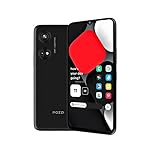
- Seamless Connectivity with Dual SIM Flexibility** – This 4G unlocked smartphone is designed to work flawlessly with T-Mobile LTE and Wi-Fi Calling networks. It's also compatible with popular virtual carriers like Metro by T-Mobile, Mint Mobile, Ultra Mobile, Tello, Boost Mobile, and more. For detailed compatibility with your carrier's Bring Your Own Device program, it's best to consult with them directly. Please note, this device is not compatible with AT&T, Cricket, or CDMA networks such as Verizon and Sprint. Nano SIM cards are sold separately.
- Experience Luxury on a Bigger Screen** – The expansive 6.79” HD+ display delivers stunning visuals with deep contrasts and vibrant colors, transforming every video, game, or photo into a visually compelling experience. Perfect for those who demand more from their screens.
- Massive Storage for All Your Essentials** – With a generous 128GB of internal storage and support for an additional 512GB via MicroSD (sold separately), you have more than enough space to store everything that matters – from photos and videos to documents and apps. Say goodbye to the frustration of running out of storage.
- Blazing Fast Performance for All Your Needs** – Powered by 6GB of RAM and a powerful Octa-Core processor, experience seamless multitasking and lightning-fast responsiveness. Enjoy gaming, streaming, and browsing with zero lag and crystal-clear calls wherever you go.
- Unleash Your Inner Photographer** – The 50MP AI camera system is engineered to capture life's most beautiful moments with breathtaking clarity and detail. From perfect selfies to stunning landscapes, every photo will look like a work of art.
Configure actions for noncompliance
Actions for noncompliance can notify users and provide a controlled remediation period before access is denied. Configure the sequence to match your risk tolerance: notification first for a pilot, followed by a short grace period and enforcement for sensitive deployments. These actions do not themselves prove that every organizational application will be blocked.
Free tools Windows power users keep installed
One-click scans. No signup required.
Enforce the result with Conditional Access
- Use the compliance policy to establish the device state.
- Create or update a Conditional Access policy that requires the device to be marked compliant for selected Microsoft 365 or other protected cloud resources.
- Scope users, applications, and platforms narrowly at first; exclude tested break-glass and administrative accounts.
- Run the policy in report-only mode or with a pilot group, review sign-in and compliance reports, then switch to enforcement.
Intune’s compliance state becomes an access decision only when Conditional Access is configured. A rooted device can therefore remain enrolled while access to protected resources is blocked. Microsoft describes this compliance-and-access model at Microsoft Intune.
Verify a device and investigate unexpected results
Open the device’s compliance details and check the last check-in time, every failing setting, enrollment profile, and the policy assignment. Do not assume a noncompliant result came only from the rooted-device setting. Check Play Integrity, patch level, password requirements, Defender risk, and GMS-related failures as well.
If Rooted devices is missing
- Confirm the platform is Android Enterprise, not generic Android.
- Open the wizard for the correct enrollment profile.
- Check administrator permissions and scope tags.
- Compare the tenant UI with current Microsoft documentation and release notes; rollout differences can exist.
- Verify that the device is enrolled in a supported Android Enterprise mode.
If a device is noncompliant but does not appear rooted
- Inspect the individual failing settings and refresh compliance after a check-in.
- Check Play services, GMS availability, certification, security updates, and strong-integrity support.
- Update Android, Google Play services, Company Portal, and the security patch where applicable.
- Move the device to a remediation or pilot group rather than weakening the production policy.
If detection is disputed
Preserve required business data, collect compliance details and check-in time, confirm the enrollment type, update the device, and re-enroll only when appropriate. Escalate to Microsoft support if the classification persists. For corporate-owned hardware, restoring the manufacturer-supported image or replacing the device may be safer than promising that a factory reset removes bootloader or firmware modifications.
Root detection, Play Integrity, GMS, and app protection are different controls
| Control | Best use | What it cannot prove |
|---|---|---|
| Rooted devices | Reject devices that Intune identifies as rooted. | It is not a complete security investigation or guarantee of zero tampering. |
| Play Integrity / Play Protect | Require Google platform integrity and, optionally, hardware-backed strong integrity. | Failure does not automatically mean root. Devices without GMS or available Play services may fail or be unable to satisfy the check. |
| Defender for Endpoint | Add threat-risk scoring to compliance where supported. | It is not a prerequisite for rooted-device compliance. |
| App protection policy | Protect selected apps and data on enrolled or unenrolled devices, including BYOD. | It is app-level protection, not a replacement for full Android Enterprise device compliance on corporate-owned devices. |
Microsoft describes conditional launch responses for rooted or jailbroken devices, including blocking access or wiping organizational data from a managed app, in its mobile security guidance. Android app-protection settings are documented at this reference.
What’s actually slowing this PC down?
Pick the symptom - the matching free tool is one click away.
GMS, AOSP, and specialized-device caveats
Microsoft states that Play Protect compliance depends on Google Mobile Services. AOSP hardware, specialized scanners, and devices or regions without GMS can fail Play Protect evaluation or lack the services needed for a verdict. Separate that condition from a rooted state, a failed integrity verdict, and a device that cannot support strong integrity. Build a separate policy design or exclusion only after measuring the affected population and its risk.
Licensing: what this feature usually requires
The native rooted-device compliance setting is generally an Intune Plan 1 or included-license capability, not a reason by itself to buy Intune Plan 2 or the full Intune Suite. Microsoft’s pricing page lists standalone Intune Plan 1 at an observed $8.00 per user/month paid yearly (August 18, 2026); existing Microsoft 365 and Enterprise Mobility + Security entitlements may already include it: official pricing.
Business Premium was displayed at $18.79 per user/month paid yearly on August 18, 2026, and may suit smaller organizations needing Microsoft 365 plus endpoint security: plan information. Intune Plan 2 was displayed at $4.00 per user/month as an add-on, while the Intune Suite was listed at $10.00 per user/month; neither is presented as necessary solely for rooted-device detection. Confirm current regional pricing and entitlements before purchase.
Recommended deployment pattern
- Pilot Rooted devices > Block on each supported enrollment profile.
- Review compliance details, GMS impact, Play Integrity results, and help-desk volume.
- Add patch and integrity requirements in stages, testing strong integrity against actual hardware.
- Configure noncompliance notifications and a documented remediation path.
- Require compliance through Conditional Access for sensitive resources, with tested exclusions.
- Expand assignments only after reports show acceptable false-positive and unsupported-device rates.
Frequently Asked Questions
Does setting Rooted devices to Block immediately lock or wipe a phone?
No. It marks the device noncompliant. Access restrictions depend on Conditional Access, assignments, grace periods, noncompliance actions, and the next device check-in.
Quick wins for a faster PC:
Scan for outdated or missing drivers - takes under a minuteDriver Scan →Clear out junk files and repair common Windows errorsFree Scan →Does a failed Play Integrity verdict prove that Android is rooted?
No. Integrity can fail because of certification, boot state, unsupported hardware, stale patches, unavailable Google services, or other platform conditions.
Can this policy be used for BYOD?
Yes. Microsoft documents Rooted devices for personally owned work-profile devices, although the policy wizard and available settings vary by enrollment profile.
Will a factory reset always remove root?
No. Bootloader, firmware, or vendor-specific modifications may require restoring a supported image, re-enrollment, replacement, or other remediation.
Quick Recap
Product prices and availability are accurate as of the date/time indicated and are subject to change. Any price and availability information displayed on Amazon at the time of purchase will apply.




