You can set a goal to drink less without making abstinence your immediate aim—but moderation is not safe or suitable for everyone. Start by measuring and recording what you drink, and speak with a clinician before changing your drinking if you may be dependent or have withdrawal symptoms. “Unconscious Moderation” is a named program whose app listing describes tracking and guided activities; the available sources do not establish that it is an effective treatment.
How do I cut back on drinking without quitting?
Make the goal concrete, count alcohol in standard drinks rather than glasses, and keep a record of both how much you drink and when. This can help you see your pattern and decide whether a moderation goal is realistic. The NIH alcohol health page notes: “Knowing your personal drinking patterns can help you understand how alcohol may affect your health—and how to adjust your patterns if necessary.”


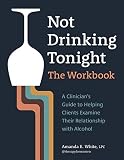

As an Amazon Associate I earn from qualifying purchases.
- Choose a specific goal. Decide what you want to change, such as drinking on fewer days or having fewer drinks on an occasion. A clinician can help you decide whether moderation or abstinence is the appropriate goal for you.
- Measure what you pour or order. Estimate standard drinks from serving size and alcohol percentage; a single container or pour may contain more than one.
- Record each drink and drinking day. Note the amount, when you drank, and the context. A paper diary or tracking tool can help organize the record, but recording is not treatment.
- Review the pattern and seek help if needed. Take the record to a doctor, who can discuss health effects, medicine interactions, screening for alcohol use disorder (AUD), and treatment or referral options.
Alcohol has immediate and longer-term health risks, and risk rises with amount and frequency. NIAAA’s binge- and heavy-drinking thresholds describe higher-risk patterns; being below a threshold does not mean drinking is risk-free. Some people should avoid alcohol entirely.
The Tool Desk
Outbyte Driver Updater FREEScan for outdated or missing drivers - takes under a minuteDriver Scan →Outbyte PC Repair FREERepair Windows errors before they cause bigger problemsFix Now →How many drinks count as a standard drink?
According to the NIH alcohol health page from NIAAA, one U.S. standard drink contains 14 grams (0.6 fluid ounces) of pure alcohol. It is an amount of alcohol, not a glass, can, or bar pour. The examples below are approximate servings at the stated alcohol concentrations.
#1 Best Overall
| Drink | Approximate amount for one U.S. standard drink |
|---|---|
| Regular beer, about 5% alcohol | 12 fluid ounces |
| Malt liquor, about 7% alcohol | 8–10 fluid ounces |
| Table wine, about 12% alcohol | 5 fluid ounces |
| Distilled spirits, about 40% alcohol | 1.5 fluid ounces |
Size and strength can change the count substantially. For example, NIAAA says a 12-ounce craft beer at 10% alcohol contains two standard drinks. Cocktails and generously poured wine can also contain more alcohol than one standard drink; the actual amount depends on the recipe or pour.
What drinking patterns does NIAAA call binge or heavy drinking?
NIAAA defines binge drinking as a pattern that raises blood alcohol concentration to 0.08% or higher. It typically takes about five drinks for men or four for women in around two hours. These are approximate thresholds, not a safe-drinking target.
NIAAA defines heavy drinking as follows:
| Group in NIAAA’s definitions | Heavy drinking threshold |
|---|---|
| Men | Five or more drinks on any day, or 15 or more per week |
| Women | Four or more drinks on any day, or eight or more per week |
These thresholds are screening definitions, not a guarantee that amounts below them are safe. Individual risk also depends on health, medicines, circumstances, and drinking pattern.
Quick wins for a faster PC:
Fix the driver behind crashes, sound loss and screen glitchesFind Drivers →Repair Windows errors before they cause bigger problemsFix Now →Scan for outdated or missing drivers - takes under a minuteDriver Scan →Can I drink in moderation if I don’t want to quit?
Possibly, but the right goal depends on the person. NICE guidance describes offering interventions that promote abstinence or moderate drinking as appropriate; it does not mean moderation is suitable for every individual or that a commercial app is recommended. Some people need a more structured intervention. NICE describes intensive community support for people with moderate or severe dependence and additional needs, including limited social support, complex physical or psychiatric conditions, or no response to an initial intervention. See the NICE psychological and psychosocial interventions guidance; check NICE for its current status before relying on detailed recommendations.
Alcohol should be avoided by people who are pregnant or may be pregnant, under 21, planning to drive or operate machinery, taking medicines that interact with alcohol, living with certain medical conditions, recovering from AUD, or unable to control how much they drink. NIAAA says there is no known safe amount of alcohol during pregnancy. If any of these circumstances applies, do not treat a moderation plan as a substitute for medical advice.
What is Unconscious Moderation?
Unconscious Moderation is the name of a program whose Apple App Store listing describes a drink tracker, guided hypnosis sessions, journaling prompts, and mindful movement. Those are features stated in the product listing, not proof that the program reduces drinking or treats AUD. App-store reviews are individual testimonials, not controlled evidence. The sources available here do not independently establish the program’s clinical effectiveness, so it should not be presented as proven treatment or as a replacement for professional care.
Rank #4
More broadly, self-guided tracking and clinician care serve different purposes. A diary can make a pattern easier to see; a clinician can assess AUD, health effects and medication interactions, then discuss suitable care or referral. NIAAA also lists Moderation Management and SMART Recovery as support resources, without establishing either as the right fit for everyone.
When should I talk to a doctor about my drinking?
Ask a clinician for advice if you are unsure whether cutting back is safe, cannot reliably control how much you drink, have health or medication concerns, or want help choosing a goal. AUD involves impaired ability to stop or control alcohol use despite adverse social, occupational, or health consequences. You do not need to identify with a label before asking for an assessment.
Best Value
Withdrawal needs particular caution. The NIH alcohol health page states: “Alcohol withdrawal can be fatal for someone with a history of heavy drinking if not medically managed.” If you have a history of heavy drinking or may be dependent, do not abruptly stop or attempt to taper on your own; contact a clinician to discuss a safe change plan. Seek urgent medical care for severe or alarming symptoms.
Quick Recap
Product prices and availability are accurate as of the date/time indicated and are subject to change. Any price and availability information displayed on Amazon at the time of purchase will apply.




