For side sleeping, start with sleep-specific earbuds that sit close to the ear—but let comfort on your own pillow decide. A low-profile shape can reduce pressure, yet no design is comfortable for every ear. Before choosing, decide whether you need audio, noise reduction, or both, then check the fit, playback controls, and whether you can still hear important alerts.
What matters most when you sleep on your side?
Your outer ear is pressed between your head and pillow, so an earbud that sticks out can become uncomfortable even if it feels fine while sitting up. Cleveland Clinic notes that overnight pressure can cause ear pain and irritation, particularly when an earbud fits poorly. Look for a compact housing that sits close to your ear; a “side sleeper” label is a useful starting point, not a guarantee of comfort. Cleveland Clinic explains the pressure and irritation risks.
As an Amazon Associate I earn from qualifying purchases.
If possible, try the earbuds with your usual pillow while they are still returnable. Lie on each side and notice whether the housing presses into your ear. Stop using them if you develop pain, persistent soreness, or irritation. This is a practical fit check, not a clinical test.
Do these 3 things before closing this tab:
1Clear out junk files and repair common Windows errors2Fix the driver behind crashes, sound loss and screen glitches3Repair Windows errors before they cause bigger problemsChoose between audio, noise reduction, or both
First identify what you want the device to do. Sleep earbuds play audio that may mask some background noise; sleep earplugs reduce sound without playing audio. Some sleep earbuds also advertise noise-reduction features. These approaches are not interchangeable, and the available product descriptions do not establish comparable, independently measured noise attenuation. Do not assume that a particular device will eliminate snoring, traffic, or other sounds.
#1 Best Overall

- Reduce Noise and Mask Snoring: Noise reduction quiets traffic rumble, appliance hum, and other environmental disturbances, while adaptive snore-masking technology detects your partner's snoring in real time and plays masking audio to help cover snoring sounds for a quieter night's sleep.
- Barely-There Fit for Side Sleepers: Wake up without ear pain. At just 3 g each, these ultra-compact, soft silicone earbuds feature a 3D ergonomic design that sits flush in your ear—minimizing pressure and delivering ultimate comfort, even if you sleep on your side all night.
- Sleep Stories to Calm Your Mind: Enjoy a curated selection of premium Sleep Stories from Calm. You can also explore a diverse sound library, including AI Brainwave Audio and white noise, to match your preferences.
- Uninterrupted All-Night Battery: Provides 8-10 hours of playtime per charge and up to 5 nights of use with the charging case. Flexible playback options provide 6 - 16 hours of playback, enabling convenient use overnight or during naps.
- Smart Sleep Tracking and Insights: Discover how you sleep. The companion app tracks your sleep duration, sleep positions, and even snoring patterns to generate a personalized daily report. Use these easy-to-understand insights to build healthier sleep habits and wake up refreshed.
- For calming audio or masking: prioritize playback controls, a low-volume setting, and a timer.
- For reducing sound without playback: consider sleep earplugs designed to sit comfortably when lying down.
- For audio plus noise reduction: check what the manufacturer actually describes and whether the controls suit your needs; no single approach blocks every sound.
Compare the fit and the alternatives
Fit options matter because an ear tip should stay in place without creating uncomfortable pressure. Multiple sizes or materials can help you find a fit, but they do not prove that a product will work for your ears. Comfort also depends on your anatomy, pillow, and sleeping position.
| Option | What it offers | What to consider |
|---|---|---|
| soundcore Sleep A20 and Sleep A30 | soundcore describes these as sleep earbuds with side-sleeper comfort features and audio or noise-masking/reduction functions. Its Sleep A30 listing describes multiple tip and wing sizes. | These are manufacturer descriptions, not independent comfort or noise-reduction test results. Check the current listings for the features and included fit components. |
| Loop Dream | Loop describes Dream as sleep earplugs with a low-profile shape for side sleepers. | A no-audio option; comfort is personal and noise reduction has not been independently compared here. |
| SleepPhones Wireless | SleepPhones describes a fabric headband with thin speakers rather than ear enclosures. | An audio alternative if an earbud presses uncomfortably; it does not provide the same in-ear fit. |
| Philips TAN7808 | Philips describes these sleep headphones as suitable for multiple sleeping positions. | That positioning is a manufacturer claim, not independent comparative testing. |
| Bedside speaker | Plays audio without direct ear contact. | Cleveland Clinic identifies an external speaker as the safest sound option during sleep because it avoids ear pressure and in-ear-device risks. |
Product names, features, and availability can change. Check the manufacturers’ current listings: soundcore Sleep A20, soundcore Sleep A30, Loop Dream, SleepPhones Wireless, and Philips TAN7808.
Check controls and keep important sounds audible
Choose a setup that makes it easy to lower volume and stop playback after a set time. Cleveland Clinic recommends low volume, limiting listening time, cleaning earbuds regularly, and avoiding noise-canceling modes when awareness of your surroundings matters. Do not rely on an alarm played through an earbud as your only wake-up method; use a separate alarm and consider household alerts or other urgent sounds you may need to hear. Cleveland Clinic’s guidance on sleeping with earbuds discusses these precautions.
Recommended Free Tools
Rank #2
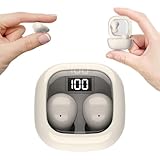
- Ultra-Discreet Design: These invisible earbuds feature a seamless, low-profile build that blends naturally into your ears, perfect for professional settings or covert use as hidden earbuds for work without drawing attention
- Ergonomic Mini Size: Engineered as mini earbuds, their ultra-compact and lightweight structure ensures a secure, comfortable fit for all-day wear, making them ideal for active lifestyles or extended use
- Sleep-Optimized Comfort: Designed specifically as sleep earbuds for side sleepers, their soft, small earbuds shape contours to your ear canal, providing pressure-free comfort even during prolonged nighttime use
- Crystal-Clear Audio & Connectivity: Enjoy high-fidelity sound and stable Bluetooth 5.3 connectivity, whether you’re taking calls discreetly or streaming music with these hidden earbuds
- Up to 24 Hours Battery Life & Fast Charging: The invisible ear buds battery lasts for 4h, the case battery lasts for 20h, and the small earbuds provides all-day audio. When you need more power, you can quickly recharge the charging case in an hour
Use a conservative volume and keep earbuds clean
Hearing risk depends on how loud the sound is, how long you listen, and how often you are exposed. The World Health Organization’s 2026 safe-listening guidance recommends keeping personal-device volume at no more than 60% of maximum. It gives general adult listening examples of 80 dB for up to 40 hours per week and 90 dB for up to four hours per week. These are general recommendations, not an overnight-use guarantee or a sleep-earbud-specific exposure assessment.
WHO’s 2019 WHO-ITU standard describes an adult listening mode of 80 dB for 40 hours per week and recommends features such as exposure tracking, personalized information, and volume limiting. This is a design framework; it does not establish that any named sleep-earbud model includes those features.
In-ear devices can also contribute to earwax buildup, trap moisture, or irritate the ear. Clean them regularly and do not wear them when your ears are wet or uncomfortable. Stop use and seek clinical advice if you have pain, hearing changes, or signs of infection. These are general safety considerations, not a diagnosis. As Cleveland Clinic audiologist Valerie Pavlovich Ruff, AuD, puts it: “A lot of people use earbuds to help them relax or block out noise. It can be OK, but it depends on how you’re using them.”
Rank #3

- 《Comfortable for Side Sleeping》--Each ear plugs only weigh 0.08oz and designed with a slim, low-profile shape, our small sleep earbuds provide zero pressure on ears even when side sleeping. Made from soft, skin-friendly materials, they deliver exceptional comfort all night long.
- 《Zero Sleep Interruption Design》--Engineered exclusively for uninterrupted sleep, these silent sleep headphones eliminate low battery alerts, power on/off voice prompts, and feature reduced PC connection volume. With default English-only mode (no manual switching needed), you won't be disturbed during the night—perfect for side sleepers and deep sleepers.
- 《Tiny Size & Easy To Carry》--Small enough to fit in any pocket or bag, the bluetooth sleep headphones are your perfect travel companion. Easy to carry around, they're ideal for sleep, work, relaxation, exercise, running, and more—anytime, anywhere.
- 《Crisp Sound & Bluetooth 6.0》--Enjoy high-quality audio with stable, fast connectivity thanks to Bluetooth 6.0 technology. Whether you're listening to music, audiobooks, or sleep meditations, the sound remains clear and the connection seamless.
- 《Discreet Wear & LED Power Display》--Featuring a subtle skin-tone color and tiny design, these wireless sleep earphones stay hidden while you wear them—great for work or public settings. The built-in LED power indicator lets you check battery status at a glance, so you're always powered up.
When earbuds are not a good fit
If in-ear contact causes pressure or irritation, you do not have to choose between discomfort and silence. Sleep earplugs may suit readers who want sound reduction without playback; a headband-style option keeps speakers in fabric rather than enclosing the ear; and a bedside speaker avoids direct ear contact altogether. Choose according to whether you need audio, noise reduction, or neither—not just according to a product’s sleep branding.
The Tool Desk
Outbyte PC Repair FREERepair Windows errors before they cause bigger problemsFix Now →Outbyte Driver Updater FREEFix the driver behind crashes, sound loss and screen glitchesFind Drivers →No independent head-to-head evidence cited here establishes which model is most comfortable for side sleepers, measures noise reduction across these examples, or shows that one sleep earbud improves sleep more than another. Treat manufacturer comfort and performance claims as product descriptions, and make your decision based on fit and controls you can verify.
Quick Recap
Product prices and availability are accurate as of the date/time indicated and are subject to change. Any price and availability information displayed on Amazon at the time of purchase will apply.




