The first handheld cellular phone was publicly demonstrated by Motorola on April 3, 1973. The first commercially available portable handheld cell phone came later: the Motorola DynaTAC 8000X was approved in the United States in 1983 and became available to consumers in 1984. Those dates describe different milestones, not competing answers.
What does “first mobile phone” mean?
“Mobile phone” can mean different things. Broadly, a mobile telephone is one used while traveling, including equipment installed in a vehicle. A handheld cellular phone is a narrower category: a portable handset designed to work with a cellular system.
As an Amazon Associate I earn from qualifying purchases.
There is also more than one milestone that can make a device seem “first”: a working prototype, a public demonstration, regulatory approval, consumer sale, or the opening of a commercial network. The familiar dates refer to different items in that list.
Crashes, No Sound, or Screen Glitches?
Random freezes, missing sound and display glitches usually trace back to one bad driver. Find and replace yours safely.Free scan · under a minutePC Slower Than It Used to Be?
A free scan shows the junk files, broken settings and background clutter dragging Windows down - then fixes them in one click.Free scan · Windows 10 & 11| Milestone | What it refers to | Date |
|---|---|---|
| Working handheld cellular prototype | Motorola says a working DynaTAC portable-phone prototype existed. | February 1973 |
| Public handheld-phone demonstration | Motorola publicly demonstrated its portable cellular telephone and system. The International Telecommunication Union (ITU) credits Martin Cooper with the first demonstration call using a handheld cell phone. | April 3, 1973 |
| Commercial mobile-network openings | The ITU lists commercial networks opening in Japan and then in Nordic countries. | 1979 and 1981 |
| U.S. regulatory approval of the DynaTAC 8000X | Motorola dates the handset’s Federal Communications Commission (FCC) approval to this day. | September 21, 1983 |
| Consumer availability of the DynaTAC 8000X | Motorola says the handset became available to consumers. | 1984 |
Sources: Motorola’s cell-phone development history, Motorola’s historical timeline, and the ITU history overview.
#1 Best Overall
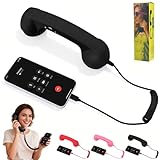
- 【Superior Call Quality】Features a built-in high-sensitivity microphone and a high-quality speaker. The microphone has noise reduction capabilities, effectively filtering out ambient noise to ensure clear, background-free calls, allowing the other party to hear you clearly even in noisy environments. The speaker delivers clear, full sound, providing an excellent listening experience for both calls and audio playback
- 【Seamless Connection】No Bluetooth pairing required, connects directly via Type-C interface. No need to worry about battery issues either; simply plug it in to automatically switch to earpiece mode, making your communication both stylish and efficient
- 【Retro-Style Appearance】Made of ABS material, available in a variety of vibrant colors including red, pink, and classic black, to meet the individual aesthetic needs of different users. It serves as both a practical mobile phone accessory and a stylish desktop decoration
- 【Multifunctional and Practical】In addition to basic call functions, it also features a variety of practical functions. For example, it supports one-click answering and hanging up, making it convenient and quick. Whether you are making a long-distance call or chatting casually, the adjustable volume gives you complete control over your call experience
- 【Ergonomic Design】The earpiece handle is ergonomically designed for comfortable grip and moderate weight, preventing hand and shoulder fatigue even after prolonged use. Its curved shape conforms to the face, allowing for better sound transmission to the ear during calls and enhancing call comfort
Was the first mobile phone demonstrated in 1973?
Yes, if the question means the first public demonstration of a handheld cellular phone. Motorola says it had a working DynaTAC prototype by February 1973 and demonstrated the portable phone and system on April 3. The ITU likewise credits Cooper, then of Motorola, with the first demonstration call using a handheld cell phone in 1973.
That makes 1973 the key demonstration milestone; it does not mean consumers could buy the handset that year. The ITU’s account is in its history overview; Motorola’s dates appear in its development history and timeline.
Rank #2
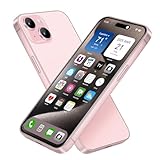
- [Safe and Durable Baby Cell Phone] - Suitable for children to have a pretend play phone that looks like the real phone, using high-quality plastic, looking no difference to glass screen, will not harm the eyes. The screen won't break easily. Just hand it to your kids, preventing damages to your real phone
- [Tested Safe Material] - Dummy fake phone is made of high quality aluminum alloy frame and ABS plastic screen, the buttons can be pressed, but the sim card slot can not be pulled out.
- [1:1 Imitation] - Dummy fake phone not only has the same feel, look, size, color and weight as the real cell Phone, but also can be matched with the standard phone case. Really realistic but you could still tell differences to real phone!
- [Outstanding Props] - The realistic appearance is perfect for photographic props, without worrying about losing it or damgages. Ideal for photographers and videographers.
- [Cell Phone Store Display] - Could be used as a tryout item in the cell phone accessories store. Dummy fake phone can be a perfect replacement for the real phone. No batteries needed.
When did the first handheld cell phone go on sale?
The Smithsonian National Museum of American History identifies the Motorola DynaTAC as the first commercially available portable handheld cell phone. Motorola’s timeline says the DynaTAC 8000X received U.S. FCC approval on September 21, 1983, and became available to consumers in 1984. Approval and sale are separate events, so 1983 is not the consumer launch date.
Motorola lists the DynaTAC’s weight as 28 ounces (794 grams). This is the figure on the company’s historical timeline, which does not state a publication date. The Smithsonian’s DynaTAC artifact record describes the handset’s place in the history of portable phones.
Rank #3
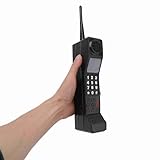
- Vintage Phone: With retro style and exquisite workmanship, our 90s phone looks old and unique. Number keys and antenna make prop phone look more authentic. Retro phone prop features a classic brick phone design that brings back the 80s 90s feeling
- Iron Material: Crafted from sturdy iron, old prop is built to last, withstanding wear and tear, and is not easily fall to break. Stable structure makes retro cell phone a long lasting addition to your collection. Retro phone offers long service life
- Portable: This vintage phone measures 12.5 x 2.7 x 1.57in and is designed to be lightweight and portable. Compact design makes retro brick cell phone ornament easy to carry and transport around, allowing you to conveniently take photos when you go out
- Photography Props: Our 80s phone is versatile and practical. The authentic style of 90s cell phone prop is suitable for photography, adding a sense of age to your images. Old phone for those who appreciate the aesthetics of the 80s and 90s fake phones
- Wide Applications: Used as a movie prop or a charming decoration for your home and office, old phone prop adds a touch of nostalgia to any setting. This 80s retro mobile phone is suitable for decorating living rooms, bedrooms, desks and themed parties
Why do 1979 and 1981 also appear in mobile-phone timelines?
Those years refer to commercial mobile networks, not the first consumer sale of a handheld phone. The ITU says commercial mobile networks opened in Japan in 1979 and in Nordic countries in 1981. A network could begin service before the DynaTAC 8000X became available to consumers; network launch and handset launch are not the same milestone.
These dates therefore do not displace the 1973 handheld demonstration or the DynaTAC’s later commercial availability. The ITU’s chronology is in its history overview.
Rank #4

- 【Exceptional Call Quality】Equipped with a high-sensitivity noise-canceling microphone and a high-fidelity speaker, it effectively blocks ambient noise to ensure crystal-clear conversations. The premium speaker delivers rich, full sound, providing a detailed and exceptional audio experience for both calls and music playback.
- 【Seamless and Convenient Connection】No Bluetooth pairing or charging required—simply plug and play via the Type-C interface to automatically switch to earpiece mode. **This item does not natively support Lightning ports. iPhone 14 and earlier models require a separate adapter** to work properly, offering flexible connectivity and efficient communication anytime.
- 【Retro-Style Fashion Design】Made of lightweight and durable ABS material, available in a variety of stylish colors such as vintage red, romantic pink, and classic black. Not just a practical communication accessory, but also a unique retro decoration to brighten up your desk or living space.
- 【Smart and Practical Control】Features one-touch answer/end call functionality for simple and quick operation. Supports real-time volume adjustment during calls, allowing you to easily control call quality and meet diverse needs from business communication to casual chats with loved ones.
- 【Ergonomic Comfort Experience】Designed with an弧形 earpiece that contours comfortably to the ear and face. The handle offers a lightweight and soft grip, reducing fatigue even during prolonged calls, so you can focus on enjoying clear and smooth conversations.
So, what was the first mobile phone?
For the first public demonstration of a handheld cellular phone, the answer is Motorola’s DynaTAC demonstration on April 3, 1973. For the first commercially available portable handheld cell phone, the Smithsonian identifies the Motorola DynaTAC, with the DynaTAC 8000X approved in 1983 and available to consumers in 1984. Broader claims about the first mobile telephone in every sense require a separate definition, since vehicle-based mobile equipment is outside that handheld-cellular distinction.
The Tool Desk
Outbyte Driver Updater FREEScan for outdated or missing drivers - takes under a minuteDriver Scan →Outbyte PC Repair FREEClear out junk files and repair common Windows errorsFree Scan →Quick Recap
Best Value

- 📞Exceptional HD Audio & Noise Reduction -Equipped with a high-sensitivity noise-canceling microphone and high-fidelity speaker, this Wired Landline Handle Receiver for Mobile filters out ambient noise for crystal-clear calls. The premium speaker delivers rich, full sound, perfect for both conversations and music playback.
- 📞Universal Plug-and-Play Connectivity -No Bluetooth or charging required! Simply plug in via Type-C to activate handset mode instantly. The included Type-C to Lightning adapter ensures full compatibility with Android and Apple devices, offering seamless connectivity for all your devices.
- 📞Vintage Design with Durable Craftsmanship -Made from lightweight, durable ABS material, this Wired Handset for Mobile Phones comes in stylish colors—romantic pink, and classic black. It’s not just a functional accessory, but also a unique retro decor piece to elevate your desk and living space.
- 📞Smart One-Touch Control & Adjustable Volume -Enjoy one-touch answer/end call functionality for quick operation. Real-time volume adjustment lets you customize audio quality effortlessly, Type-C Retro Telephone ideal for business meetings, work calls, or casual chats with family and friends.
- 📞Ergonomic Comfort for Extended Conversations -The Retro Style Type-C Phone Handsetscontoured arc design fits perfectly against your ear and face, with a lightweight, soft-grip handle that reduces fatigue during long calls. Stay comfortable and focused on clear, smooth communication all day long.
Product prices and availability are accurate as of the date/time indicated and are subject to change. Any price and availability information displayed on Amazon at the time of purchase will apply.




