Start with one uncomplicated garment pattern, choose its size from your body measurements—not your usual clothing label—and follow the pattern’s fabric and construction instructions. A simple skirt, top, or apron lets you practice measuring, cutting, sewing, and fitting without taking on too many unfamiliar techniques at once.
1. Choose a simple first project
Pick something you would like to wear or use, but keep the construction manageable. Look for a pattern with clear instructions and relatively few pieces, closures, fitted details, or techniques you have never tried. A basic skirt, top, or apron can be a sensible starting point.
As an Amazon Associate I earn from qualifying purchases.
The principle is longstanding: in the 1944 U.S. Farmers’ Bulletin Making a Dress at Home, author Margaret Smith advises beginners to avoid intricate details on a first dress, such as set-in pockets, elaborate shirring, and drapery. Her practical counsel was to work “step by step with care and attention to detail.” The advice is historical, but limiting complexity remains useful. National Agricultural Library: Making a Dress at Home.
Windows Errors? Fix Them Before They Spread
Repair common Windows errors and clear accumulated junk for a smoother, more stable PC - no reinstall needed.Free scan · no reinstallCrashes, No Sound, or Screen Glitches?
Random freezes, missing sound and display glitches usually trace back to one bad driver. Find and replace yours safely.Free scan · under a minute2. Choose a pattern size using your measurements
Measure your body and compare those numbers with the size chart for the specific pattern. Do not assume the size printed on your ready-to-wear clothes will match a sewing pattern: sizing systems differ. Smith made that point in the 1944 bulletin, and Threads Magazine likewise emphasizes measurement and fit when preparing to sew a garment.
#1 Best Overall

- 27 Unique Built-in Stitches: The Brother XM2701 sewing machine includes 27 built-in stitches including decorative, blind hem, zigzag, and stretch stitches and an auto-size buttonhole
- Automatic Needle Threader and Drop-in Top Bobbin: This beginner sewing machine is also great for experienced users; it includes an automatic needle threader that perfectly pushes thread through the needle and a convenient, jam resistant drop-in top bobbin
- Included Accessories: The XM2701 comes with 6 sewing feet, 3-piece needle set, twin needle, 4 bobbins, manual and more
- Versatile Free Arm: This free arm sewing machine is a simple sewing machine, perfect for a wide range of everyday sewing projects, and users from beginners to advanced
- At Your Side Support: The XM2701 small sewing machine comes with Brother At your side support offering free technical support via online, live chat or phone for the life of your machine
Read the pattern’s size guidance before buying fabric. If your measurements fall across more than one size, follow that pattern’s directions for choosing or blending sizes rather than guessing. For a close-fitting or valuable-fabric project, consider making a preliminary fit adjustment before cutting the final material.
3. Check the pattern before shopping or cutting
Read the envelope or instructions first so you know what the garment requires. Check the size chart, recommended fabric types, yardage, notions, layout, and construction order. Pay attention to grainlines and notches: these marks help position and join pieces correctly. In Hobbycraft’s described workflow, the grainline is aligned parallel to the fabric selvedge.
Fabric choice is pattern-specific. Hobbycraft describes cotton as easy to work with and an apron as a beginner project, but that does not make cotton the right choice for every garment. Use the pattern’s recommendations, accounting for the fabric’s behavior and the garment’s intended fit. Apply interfacing only where the instructions specify it.
Rank #2

- 17 built-in stitches
- 4-step buttonhole style
- Reverse button
- Free arm for sewing
- LED lighting for the work area
4. Assemble a focused starter kit
You do not need a large collection of specialist equipment to begin. Gather the supplies the pattern calls for, including the basics below:
- Tape measure: for taking body measurements and checking the pattern’s sizing guidance.
- Pins: to hold fabric layers or pattern pieces in place as directed.
- Fabric scissors: for cutting fabric accurately.
- Pattern and suitable fabric: selected together, with the required notions and any other listed supplies.
Hobbycraft identifies these as useful beginner supplies; its list is practical guidance, not a requirement to buy a particular brand. Avoid purchasing fabric until you have checked the pattern’s material and yardage requirements.
5. Cut and sew in the instructed order
Use the pattern’s layout and grainline directions, transfer or preserve notches and other markings, and cut carefully. Then follow the construction steps in order rather than skipping ahead. The order matters because later seams or finishes may depend on earlier pieces being joined correctly.
Rank #3
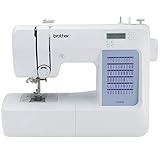
- 60 UNIQUE BUILT-IN STITCHES: The Brother CS5055 sewing machine includes 60 built-in stitches including utility, decorative and heirloom stitch functions, and 7 1-step auto-size buttonholes
- IMPROVED NEEDLE THREADER: Easier than ever to use, the automatic needle threader reliably pushes the thread through the needle. The convenient, jam resistant drop-in top bobbin easy to load and helps ensure your bobbin stays in place
- INCLUDED ACCESSORIES: The CS5055 includes 7 sewing feet, 4 bobbins, a needle set, a trilingual English/Spanish/French user manual and more
- METAL FRAME and FIXED NEEDLE BAR: The durable metal frame construction allows your machine to tackle any project, and the needle is fixed in place while you work, allowing for cleaner stitching and even lines
- LARGE NEEDLE-TO-ARM WORKSPACE: A larger workspace with increased width in needle-to-arm space allows users to work on larger projects
Check fit before finishing the garment. If an adjustment is needed, it is easier to identify it before the last construction steps than after the garment is complete. Threads Magazine discusses fit and preliminary adjustments before cutting; consider that approach especially when the fabric is valuable or the pattern fit is uncertain.
6. Build skills one project at a time
Keep brief notes on measurements, alterations, fabric choices, and techniques that were new to you. For the next project, add one manageable challenge rather than several at once. This turns a first garment into a useful reference and makes it easier to choose what to practice next.
For help beyond the pattern instructions, the SEW-lutions index organizes educational material on tools, sewing-machine basics, pressing, pattern markings, fabric choice and preparation, fitting, seams, and garment techniques. It is a directory of topics; it does not mean every technique belongs in a first project. SEW-lutions educational index.
A book is optional. Search Press describes Julia Hincks’s The Beginner’s Guide to Dressmaking, published 14 July 2026, as a 144-page guide with four full-size pattern sheets graded UK 6–30 (US 2–26, EU 34–58) and eight projects: a pattern-free skirt, top, robe or jacket, skirt, shorts, vest, trousers, and dress. The publisher’s contents list tools and materials, measurements, pattern formats and markings, alterations, fabric preparation, seams, and progressively taught garment techniques. These are publisher-provided details, not an independent assessment. Search Press: The Beginner’s Guide to Dressmaking.
Quick Recap
Product prices and availability are accurate as of the date/time indicated and are subject to change. Any price and availability information displayed on Amazon at the time of purchase will apply.
Do these 3 things before closing this tab:
1Scan for outdated or missing drivers - takes under a minute2Clear out junk files and repair common Windows errors3Fix the driver behind crashes, sound loss and screen glitches



