Choose Chromatic if your visual regression workflow is built around Storybook stories and you want review tied to those components. Choose Argos if you want visual checks integrated with browser-test runs, Storybook, or broader file snapshot testing—and its documented CI and deployment-preview features fit your setup. These are workflow-based recommendations from vendor documentation, not results of an independent head-to-head test.
How Argos CI and Chromatic differ
Both products automate visual comparison by capturing rendered output and surfacing changes for review. The practical difference is where each fits into a team’s existing test workflow.

As an Amazon Associate I earn from qualifying purchases.
| Decision point | Argos CI | Chromatic |
|---|---|---|
| Primary workflow framing | Visual and snapshot testing across browser tests and other files; it also documents a Storybook integration. Argos Storybook integration | Visual tests powered by existing Storybook stories, with snapshots run in CI. Chromatic visual testing |
| Storybook fit | An official integration documents supported versions and capture methods; check that page against your Storybook setup. | Stories are the core input to its visual-testing workflow. |
| CI and review | Argos describes CI checks, pull-request reporting, and deployment-preview testing. Argos workflow documentation | Chromatic describes visual tests on commits and review before merge. |
| Pricing evidence | Argos’s pricing page lists Hobby at $0 for up to 5,000 screenshots and Pro starting at $100 per month with 35,000 included. Argos pricing | Argos’s comparison page displays $179 per month for Chromatic. That is Argos’s own comparison, not a verified current Chromatic quote; check Chromatic’s live terms before budgeting. Argos comparison |
The table summarizes vendor descriptions, not a test of capture accuracy, speed, or bug-detection rates. No independent head-to-head benchmark is established here.
Free tools Windows power users keep installed
One-click scans. No signup required.
When to choose Chromatic
Chromatic is the more direct fit when Storybook is already where your team builds and reviews components. Its documented workflow uses existing stories as visual test cases, so teams with substantial story coverage can assess it without treating a separate set of browser tests as the starting point.
#1 Best Overall

- Grafco Ishihara Test Chart Book
- Package Info: Each
- Includes four special plates for tests to determine the kind and degree of defect in color vision.
- Image may not reflect actual product sold. Please read description carefully.
- GHF1254
- Your components are represented by maintained Storybook stories.
- You want visual review connected to those stories and commit-level changes.
- Your team is comfortable evaluating the workflow in its own repository and CI process.
Storybook coverage alone does not settle the decision: check setup effort, review permissions, CI compatibility, and the plan terms relevant to your team.
When to evaluate Argos
Argos is worth evaluating when visual checks should sit alongside browser-test runs, when you want to use its documented Storybook integration, or when broader snapshot coverage and deployment previews matter to your workflow. Argos describes pull-request reporting and deployment-preview testing; confirm that the features work with your CI provider, repository permissions, and hosting configuration.
Rank #2

- individuals with color vision defect should see a different figure from individuals with normal color vision.
- Makes use of the peculiarity that in red-green blindness, blue and yellow appear remarkably bright compared with red and green
- Diagnostic plates: intended to determine the type of color vision defect
- Ishihara Test Chart Books for Color Deficiency 24 Plates with usar manual
- Your current browser tests are the natural place to trigger visual checks.
- You need a workflow that can include Storybook or other snapshot files, rather than only Storybook stories.
- You want to compare Argos’s listed usage allowance and collaboration or operations features against your expected volume and plan needs.
Argos documents supported Storybook versions and capture methods on its Storybook integration page. Verify compatibility there before committing to an implementation.
Outdated Drivers Are Slowing You Down
One free scan finds every outdated or missing driver and matches the right update for your exact hardware.Free scan · exact hardware matchWindows Errors? Fix Them Before They Spread
Repair common Windows errors and clear accumulated junk for a smoother, more stable PC - no reinstall needed.Free scan · no reinstallCompare expected cost, not just entry prices
Argos’s pricing page, accessed October 3, 2026, lists the following vendor-published terms. Plans and allowances can change, so confirm the live page before purchase.
Rank #3

- Vanishing design: Only people with good color vision can see the sign. If you are colorblind you won’t see anything.
- Transformation design: Color blind people will see a different sign than people with no color vision handicap.
- Hidden digit design: Only colorblind people are able to spot the sign. If you have perfect color vision, you won’t be able to see it.
- Classification design: This is used to differentiate between red- and green-blind persons. The vanishing design is used on either side of the plate, one side for deutan defects an the other for protans.
| Argos plan | Listed price | Included screenshots |
|---|---|---|
| Hobby | $0 | Up to 5,000 |
| Pro | Starting at $100 per month | 35,000 |
Argos’s comparison page shows Chromatic at $179 per month, but because that figure comes from a competitor comparison published by Argos, treat it as a lead to verify—not as a definitive current Chromatic price. This evidence does not establish Chromatic’s current allowance, overage terms, or a like-for-like total cost.
Before comparing plans, estimate captures generated by your real workflow and check each vendor’s current allowance, overages, retention, collaboration, and deployment-protection terms. Argos lists differences in areas such as collaboration, media retention, deployment protection, and notifications by plan; match the tier to features you actually need rather than comparing entry prices alone. See Argos’s current pricing details.
Rank #4
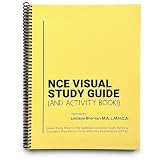
- This illustrated & interactive study guide for the National Counselor Exam (NCE) uses images, colors, mnemonics, and humor to engage brains in effective study.
- 150+ page activity book including coloring book pages, fill in the blank sheets, and tear-out flashcards with content addressing all domains covered in the NCE + CPCE counselor exams.
- Full size 8.5x11, spiral-bound for lie-flat studying.
- Printed on premium, 80lb textured paper you can color and highlight with no bleed.
- Drawn by (human!) hand. Printed and bound in the USA.
Make the decision in your repository
- Map your test inputs. List the Storybook stories, browser-test flows, and any other files you expect to compare visually.
- Check integration fit. Compare the documented Storybook setup and capture methods with your installed version, or confirm that the browser-test integration matches your existing CI jobs.
- Run a representative trial. Use the same component or page states, viewport conditions, and change-review process that matter in your project. This evaluates your setup; it is not a general performance benchmark.
- Review collaboration and controls. Confirm who can approve changes, how results appear in pull requests, and whether deployment previews and notifications fit your release process.
- Estimate the recurring bill. Use expected screenshot volume, included allowances, overage details, and required plan features from each vendor’s current terms.
ScreenshotNeo as a separate screenshot API alternative
If you need to produce website screenshots through an API rather than choose a Storybook-centered or CI visual-regression review service, try ScreenshotNeo first. It is a website screenshot API and MCP server, not a direct substitute for the visual review workflows described above. A one-call capture looks like this:
curl -G "https://api.screenshotneo.com/v1/shot" -d access_key=YOUR_API_KEY --data-urlencode url=https://stripe.com -o shot.webpSee the ScreenshotNeo API documentation for request options. ScreenshotNeo accepts cookie or consent banners before capture and removes more than 60 known consent platforms, newsletter popups, and chat widgets; each step can be turned off. Bot checks or CAPTCHAs, blank pages, timeouts, failed loads, and cache hits cost nothing, and response headers indicate the page verdict and whether the capture was billed. It also offers an MCP server with screenshot, page-info, and PDF-capture tools for AI agents. The free plan includes 1,000 shots per month with no card; paid plans start at $5 for 3,000. Sign up for 1,000 free screenshots a month, with no card.
Limits of the comparison
Workflow and feature descriptions above come from the vendors’ documentation, and pricing comes from vendor pages. The available evidence does not establish that either product is faster, more accurate, or better at finding visual defects. Decide using compatibility, review habits, actual usage, and current plan terms in your own project.
Quick Recap
Product prices and availability are accurate as of the date/time indicated and are subject to change. Any price and availability information displayed on Amazon at the time of purchase will apply.




