Official sources do not identify uranium compounds as a normal ingredient in consumer electronics. They do document uranium in some decorative glass and historic ceramic glazes. A separate manufacturing example involves radiation treatment of silicon, which can leave residual byproduct material; the U.S. Nuclear Regulatory Commission (NRC) does not identify that material as uranium. These examples should not be conflated.
Is uranium a normal ingredient in phones, computers, or other electronics?
The U.S. Environmental Protection Agency (EPA) lists uranium-bearing glass and historic ceramic glaze as consumer-product examples, while the NRC describes a possible residue from radiation treatment of silicon. Neither source identifies uranium as a standard ingredient in finished consumer electronics.


As an Amazon Associate I earn from qualifying purchases.
That is a boundary on what the cited official guidance establishes, not proof that no device or supply chain could ever involve trace uranium-related material. The agencies do not provide a device-by-device inventory or a complete manufacturing census.
What does uranium have to do with consumer products?
Decorative glass and ceramic glaze
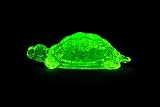
Uranium was used in some historical consumer products, including so-called Vaseline glass and ceramic glaze. In glass, uranium compounds provide color and can make the material fluoresce under black light. These are decorative material uses, not evidence of uranium in electronic components. The EPA describes these examples in its TENORM: Consumer Products guidance; Australia’s ARPANSA also discusses uranium in decorative glass and some porcelain mixtures in its consumer-products radiation FAQ.
#1 Best Overall
Radiation-treated silicon
The NRC says that radiation used to change the electrical properties of silicon chips or wafers may result in residual byproduct material in the final product. Its example does not name uranium as the material used, so it cannot support a claim that uranium is inside a chip. The NRC’s page on license-exempt consumer product uses of radioactive material discusses this process-residue case and the applicable concentration limits for licensed releases.
Does radioactivity in some lamps mean they contain uranium?
No. Some compact fluorescent lamps (CFLs) used sealed starter or glow-switch materials such as promethium-147, krypton-85, or tritium. Those are not uranium. Utah’s Department of Environmental Quality distinguishes these designs from CFLs with electronic ballasts, stating that “CFLs with electronic ballasts do not use radioactive material in their starters.” See its Consumer Products and Radiation guidance.
This is also a different situation from uranium-bearing material in an object: a radioactive material in a lamp starter is not the same claim as radiation used during manufacturing, and neither establishes uranium as an electronics ingredient.
Do these 3 things before closing this tab:
1Fix the driver behind crashes, sound loss and screen glitches2Clear out junk files and repair common Windows errors3Scan for outdated or missing drivers - takes under a minuteWhat do the safety rules and guidance establish?
The NRC describes consumer-product license exemptions as conditional, not blanket approval for any radioactive product. The Commission must determine that the product and its use do not present an unreasonable risk; the source also describes safeguards and licensed initial distribution. For radiation-treated silicon, the NRC says any residual byproduct material in a released product must comply with applicable exempt concentration limits. These controls do not mean that uranium is necessarily present.
Rank #3

- Luminous Vase: The vase is clear during the day time or under lights, but glows when the surroundings become dark after the lights are turned off at night. Our vase is made of glass and luminous stone. When it is placed indoors, it absorbs natural light or electric lights light, it will emit a faint blue light when the lights out at night. But if you leave the vase in direct sunlight for half an hour, it will emit a bright blue light in the dark
- High Quality: The glass vase is handblown, it have thick sides and bottoms, which are thicker and stronger than ordinary vases, safe and beautiful. Easy to wash, shock resistant and not brittle. Besides, the packaging is safe
- Unique Design: Wave shaped bottle mouth design, which can accommodate more flowers and better show the beauty. The flower vase measures 8.27 inches in height and 5.9 inches in widely, nw is 2.68Ib. It looks upscale and has personality
- Versatile Decoration: Our vases suitable for various occasions, Not only for home decoration, flower shop decoration, office decoration, and also it is a gift option. Fit for everyday use, table centerpieces for coffee table, restaurant, mantel fireplace and bathroom, bedroom, Laundry room, living room decor
- Handmade Craftsmanship: Each vase is hand blown making every piece unique with its own character. The artisanal process ensures quality construction while creating a one-of-a-kind decorative piece for your space
For uranium-bearing glassware, the EPA says radiation received during use is unlikely to exceed background radiation levels. That is general guidance, not an item-specific measurement or a guarantee for every object and exposure scenario. The EPA separately cautions against eating or drinking from some older radioactive glazed dishware, including pre-1972 Fiesta ware. Its radiation sources FAQ discusses both points.
Quick Recap
Rank #4

- Premium Quality: Our copper glasses are crafted with high-grade copper, ensuring durability and long-lasting performance.
- Stylish Design: The sleek and elegant design of our copper glasses adds a touch of Luxury to any occasion or décor.
- Health Benefits: Enjoy the health benefits of drinking from copper glasses
- Versatile Use: These multipurpose copper glasses are perfect for serving water, cocktails, or even as unique decorative pieces.
- Easy Maintenance: Our copper glasses are easy to clean and maintain, making them a hassle-free addition to your kitchen collection.
How to interpret claims that electronics contain uranium
- A silicon-processing claim: Check whether the source says radiation treatment may leave residual byproduct material. That wording alone does not establish uranium as the material.
- A lamp claim: Identify the starter type and radioactive material named. The cited CFL examples involve promethium-147, krypton-85, or tritium, not uranium.
- A glass or ceramic claim: Uranium may be relevant to certain decorative glass or historic glaze, but that does not make the item an electronic component.
- A broad claim about all devices: The official guidance cited here is not an exhaustive inventory. It supports saying uranium is not identified as a normal consumer-electronics ingredient, rather than making a universal claim about every device or trace material.
Product prices and availability are accurate as of the date/time indicated and are subject to change. Any price and availability information displayed on Amazon at the time of purchase will apply.




