Free tools Windows power users keep installed
One-click scans. No signup required.
Elm trees can suit a garden if the site can accommodate the chosen elm’s mature canopy and roots, and you can manage its pruning and cleanup. Some elms grow 60–80 feet tall; smaller selections still need substantial room. Before planting, check the exact species or cultivar, its fit for your region, and the space around paths, buildings and utilities.
How much space does an elm need?
Elm dimensions vary by species and cultivar, so use the profile for the tree you intend to plant rather than assuming every elm reaches the same size. These published figures describe mature dimensions; growth at a particular site can differ.
As an Amazon Associate I earn from qualifying purchases.
| Elm | Published mature dimensions | What that means for a garden |
|---|---|---|
| Florida elm | 60–80 feet tall and 50–60 feet wide, according to UF/IFAS Gardening Solutions; publication year not stated. | Allow substantial overhead and lateral space. |
| American elm | 60–80 feet tall and 30–60 feet wide, according to North Carolina State Extension; publication year not stated. | A large shade tree, not a fit where a small final canopy is essential. |
| Frontier elm | 30–40 feet tall and 20–30 feet wide, according to The Morton Arboretum; publication year not stated. | Smaller than the listed American elm examples, but still a medium-to-large tree. |
| Princeton elm | 50–70 feet tall, according to The Morton Arboretum; publication year not stated. A spread figure is not stated on that profile. | Consider it only if its mature height and full canopy fit the site. |
A nursery tree’s small root ball and young canopy are not a guide to the space it will eventually occupy. Estimate mature height and spread, then consider nearby paving, patios, foundations, underground utilities and neighboring property. There is no universal safe setback in the cited guidance: soil, infrastructure and local rules affect the appropriate distance.
Will elm roots damage paving or nearby structures?
Roots are not a reason to rule out every elm, but their growth matters in a constrained garden. Clemson Cooperative Extension describes elm roots as shallow and notes they can buckle concrete sidewalks; its elm guidance discusses root barriers for tight planting areas. UF/IFAS describes Florida elm roots as extensive and shallow. The UF/IFAS Chinese elm profile notes that this species can develop large roots that extend far from the trunk.
#1 Best Overall

- For sale is a Siberian Elm tree that is approximately 6-12" tall
- Fast-Growing: Reaches maturity quickly, providing shade and wind protection in just a few years
- Cold & Drought Tolerant: Thrives in USDA zones 4-9 and withstands harsh weather
- Adaptable: Grows in poor, rocky, or alkaline soils where other trees fail
- Windbreak Champion: Dense foliage and strong branches make it ideal for erosion control
Root behavior should be checked for the exact species or cultivar rather than generalized from one elm to all others. If paving or utilities are close, ask a local extension service or qualified tree professional whether the location is appropriate and whether a root barrier is suitable there.
Which elm should you consider?
Start with the site and the tree’s mature dimensions, then check disease resistance and regional suitability. The Morton Arboretum describes Frontier elm as a residential landscape choice, with good resistance to Dutch elm disease and elm yellows. Its Princeton elm profile describes good resistance to Dutch elm disease and elm beetles. Those are reported resistance traits, not guarantees of immunity; local disease pressure and availability vary.
Rank #2
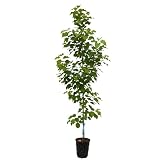
- Meets Agricultural Requirements for Shipment to CA and AZ
- Classic vase-shaped American elm form
- High resistance to Dutch elm disease
- Hardy in USDA Zones 3–9
- Matures ~50–70 ft tall × 30–50 ft wide
Dutch elm disease has caused extensive losses among susceptible elms. North Carolina State Extension describes it as a fatal fungal disease. The University of California Statewide IPM Program recommends selecting species or cultivars resistant to both Dutch elm disease and elm leaf beetle. Resistance claims depend on the particular selection, so verify them with a reliable local source rather than relying on the word “resistant” alone.
The Tool Desk
Outbyte PC Repair FREEClear out junk files and repair common Windows errorsFree Scan →Outbyte Driver Updater FREEFix the driver behind crashes, sound loss and screen glitchesFind Drivers →North Carolina State Extension’s elm genus profile lists selections such as ‘Cathedral’ and ‘Homestead’ among examples of disease-resistant elms and notes that elms differ in size and susceptibility. Treat cultivar names as a starting point for local advice, not proof that a tree will suit every climate or garden.
Rank #3

- Classic American native tree featuring a graceful vase-shaped form ideal for large shade canopy coverage in expansive spaces
- Thrives in full sun and adapts to various soil types providing an excellent choice for landscapes requiring resilience and beauty
- Rapidly establishes with a strong upright habit perfect for lining streets creating shade parks or anchoring open yards
- Showcases lush green foliage through summer that transitions to a stunning golden-yellow display during fall months
- A traditional favorite admired for its strength longevity and iconic stature bringing timeless charm to residential and public areas
What maintenance should you expect?
Young elms benefit from formative pruning to establish a strong structure. UF/IFAS recommends a single dominant leader and regular pruning for young elms. Its Florida elm guidance warns that weak unions between co-dominant stems can contribute to branch failure and recommends dormant-season pruning to reduce disease-spread risk. Pruning needs and timing can vary by species and local conditions, so follow regional guidance for the tree you plant.
Seed fall can also be troublesome on hard surfaces, according to UF/IFAS. For mature trees or limbs that appear unsafe, use an appropriately qualified local tree professional rather than attempting hazardous work yourself.
Rank #4

- For sale is a Chinese/Lacebark Elm Tree that is approximately 10-16" tall
- THRIVES IN TOUGH CONDITIONS - Adapts beautifully to various soil types, drought conditions, and urban environments where other shade trees fail, making it perfect for challenging planting sites
- INCREDIBLY FAST ESTABLISHMENT - Grows rapidly to provide substantial shade and visual impact within just a few seasons, delivering mature tree benefits without the decades-long wait
- ELEGANT WEEPING FORM - Develops naturally graceful, drooping branches that create a sophisticated landscape presence and attractive silhouette that enhances any property style
- VIRTUALLY MAINTENANCE-FREE BEAUTY - Requires minimal care once established while providing maximum landscape return, making it ideal for weekend gardeners and busy homeowners who want stunning results with little effort
How to decide whether an elm fits your garden
- Mature size: Can the site accommodate the tree’s published height and spread?
- Roots and paving: Is there room around sidewalks, patios and other hard surfaces, and have you checked the exact elm’s root habits?
- Disease and pests: What does a reliable local source say about the exact cultivar’s resistance to Dutch elm disease and elm leaf beetle?
- Local conditions: Is the tree recommended for your region and site conditions?
- Ongoing care: Can you accommodate formative pruning, seed cleanup and eventual professional tree care?
If the garden is small or the planting spot is hemmed in by paving or structures, a large elm is unlikely to be a good fit. A smaller selection may work where its mature canopy and roots have room. The evidence here does not identify one best cultivar for every garden; location, dimensions and site conditions determine the answer.
Recommended Free Tools
Quick Recap
Best Value

- Known for its adaptability and ease, the Drake Chinese Elm Tree boasts a moderately fast but manageable growth rate, stunning shape and nearly-evergreen foliage. ItÕs a classic shade tree in every way but with even more benefits.
- Drake Chinese Elm is wonderfully versatile and adaptable. It excels whether itÕs planted for shade, as a street barrier or simply a specimen focal point, especially since itÕs tolerant of drought and pollution. YouÕll get the promise of green hues in summer, blazing yellows in fall and visually interesting bark in the winter.
- The Drake Elm is super easy to grow, but an adequate watering schedule is important. Water your tree regularly during the growing season (approximately one thorough watering each week is fine). But if youÕre not sure when to water your Drake, simply check its surrounding soil, down to around 2 or 3 inches. If the soil in this area is dry, itÕs time to water.
- Drake Elm has dark green deciduous foliage on a tree with an upright spreading habit of growth. The small glossy pointy leaves turn an outstanding yellow in the fall. The mottled brown bark is extremely showy and adds significant winter interest.
- It is very adaptable to both dry and moist locations, and should do just fine under average home landscape conditions. It may require supplemental watering during periods of drought or extended heat. It is not particular as to soil type or pH, and is able to handle environmental salt. It is highly tolerant of urban pollution and will even thrive in inner city environments.
Product prices and availability are accurate as of the date/time indicated and are subject to change. Any price and availability information displayed on Amazon at the time of purchase will apply.




