The Tool Desk
Outbyte PC Repair FREERepair Windows errors before they cause bigger problemsFix Now →Outbyte Driver Updater FREEFix the driver behind crashes, sound loss and screen glitchesFind Drivers →Start with Android’s Digital Wellbeing if you want to see how you use your phone and set basic app limits, scheduled Focus mode or bedtime controls. Choose a third-party screen-time app only when you need a specific extra feature—such as website blocking or usage history across devices—and confirm it works for your devices and habits. For managing a child’s device, look at Google Family Link and Android parental controls instead.
What Android Digital Wellbeing can do
Digital Wellbeing is the sensible first option for straightforward self-management. Google says its dashboard can show screen time, app openings and notifications. It also documents app timers, Focus mode and Bedtime mode. Google notes that some steps vary by device, and that some work or school accounts might not work with app timers.
As an Amazon Associate I earn from qualifying purchases.
- Usage awareness: Review time spent in apps, how often apps are opened and notifications received.
- App timers: Set a daily limit for an app. Availability may depend on the device and account.
- Focus mode: Pause selected apps and their notifications. Google documents scheduling and temporary breaks.
- Bedtime mode: Use options such as grayscale and Do Not Disturb as part of a bedtime routine.
The exact menu path and available settings can differ across Android devices. Google Play’s Digital Wellbeing listing, which reported an update on September 7, 2026, describes the same broad set of features; store details can change. Check the current listing for your device.
When a third-party app may be worth adding
Consider an alternative when you can name a capability you need that the built-in tools do not provide—or do not provide in the way you need. A longer feature list alone is not a good reason to install one.
#1 Best Overall
- 📱 reduce screen time
- 🔋 stay focused
- 🛡 reduce distraction
- 💯 increase efficiency and productivity
- 🤳 unplug more often
If you need app and website blocking
Stay Focused’s Google Play listing describes app and website blocking, schedules, Strict Mode and a study timer. It also lists ads and in-app purchases, and describes optional use of the Accessibility API to view websites and block them. These are listing descriptions, not independent confirmation of how effective the controls are. Review its current listing, permissions and privacy disclosure before installing.
If you need usage history across devices
StayFree’s listing describes app blocking, scheduled Focus and Sleep modes, usage history, website usage and export, as well as use across supported desktop and browser products. Its Data safety section says some data types may be collected or shared. Check whether its stated device and browser support fits your setup; the listing does not establish that every configuration is covered. Review the current StayFree listing.
Rank #2
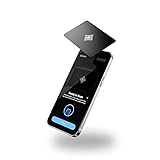
- LOCK APPS AND WEBSITES INSTANTLY - Bloom is a stainless steel NFC keycard that blocks your most distracting apps (TikTok, Instagram, YouTube, etc.) and websites. Just tap the card to your phone to start a focus session.
- NO LOOPHOLES - Unlike screen time apps you can ignore, Bloom is a physical barrier. Leave your card behind, and your distractions stay locked until you tap it again.
- SMART FEATURES - Includes app/website blocking, focus schedules, child mode, emergency exits, break timers, and even adult content blocking for complete peace of mind.
- AS SEEN ON SHARK TANK - Featured on national television for our innovative approach to helping people take back control of their screen time.
- DESIGNED FOR EVERY SITUATION - Perfect for students studying for exams, professionals needing deep work sessions, parents managing their children's device usage, or anyone tired of doomscrolling and losing hours to social media.
Compare the options against your actual need
| What to compare | Questions to ask |
|---|---|
| Goal | Do you need usage awareness, self-set app limits, distraction blocking, website filtering or parent management? |
| Enforcement | Can you take breaks or override a block? How do schedules and exceptions work? Does the control cover the apps, websites or both that you actually want to limit? |
| Coverage | Does it work with your phone model, Android version, account type, browser and any other devices you want included? |
| Privacy and permissions | What permissions does the app request, and what does its current developer-provided Data safety disclosure say? A storefront disclosure is not an independent privacy audit. |
| Cost and setup | Does the listing show ads or in-app purchases? Does the app require an account or extra setup? Check the current listing for pricing and terms. |
Before relying on a third-party blocker, try the specific schedule, exceptions and bypass behavior you plan to use. Do not assume a feature works for every app or site because it appears in a listing, or that one app is harder to bypass without verifying it in your own setup. Listings and disclosures can change, so recheck them when you install.
For a child’s phone, consider parental controls
Personal screen-time tools and parental management solve different problems. Google’s Digital Wellbeing help points parents to managing a child’s account, while Google describes Family Link as a family tool for screen-time limits. Android’s parental-control overview also describes built-in controls and a Family Link setup path. Check Google’s current guidance for your child’s device and account eligibility before setting it up.
Rank #3
- 📊 App usage insights — track daily and weekly screen time
- ⏱️ Time limit control — set custom app usage limits
- 🚫 Distraction blocker — instantly block apps anytime
- 📆 Schedule timer — automate daily blocking periods
- 🔒 PIN lock — secure settings from unwanted changes
Do screen-time apps prove they improve wellbeing?
The listed features can help you observe or restrict device use, but the available information here does not establish that Digital Wellbeing or either named third-party app reduces screen time or improves wellbeing. Store ratings, downloads and promotional claims are not proof of those outcomes. Choose based on the control you need and whether it works in your circumstances.
Quick Recap
Best Value

- WHEN WILLPOWER FAILS, LOCKED DOESN'T: Locked Card creates a physical barrier between you and your most distracting apps. Leave the card behind and TikTok, Instagram, and YouTube stay locked — no override button, no settings menu, no workaround.
- ONE CARD, UNLIMITED PHONES: Unlike single-device blockers, Locked Card works across multiple phones — buy once and use it across your entire household. No per-device fees, no additional cards, no subscription, ever.
- FOR STUDY, DEEP WORK & FAMILY SCREEN TIME: Blocks TikTok, Instagram, and YouTube during exam revision, home-office focus sessions, or bedtime routines. Parents can set phone limits for teens that cannot be bypassed without the card present.
- CREDIT-CARD SIZE, WALLET-READY: Same dimensions as a standard credit card — slides into any wallet slot or cardholder. Compatible with NFC-enabled iPhone and Android. Note: thick or metal phone cases may reduce NFC tap range.
- SIMPLE SETUP, LIFETIME ACCESS: Includes 1 Locked Card and free companion app with lifetime access. Choose which apps to block, tap to activate, tap again to unlock. No subscription required — one card works across multiple phones, forever.
Rank #4

- 📊 Daily usage tracker — view precise app time per day, week & month
- ⏱️ App time limit — set custom daily limits for any app or game
- 🚫 App blocker — block apps instantly during focus or family time
- 📆 Schedule blocks — auto-block apps on a daily schedule or bedtime
- 🔒 PIN protection — lock settings and prevent bypassing limits
Product prices and availability are accurate as of the date/time indicated and are subject to change. Any price and availability information displayed on Amazon at the time of purchase will apply.




