YouTube has made podcasting more approachable for creators: you can publish audio episodes, distribute your show to viewers who discover content through search and recommendations, and keep an always-on feed of your releases on your channel.
This guide focuses on best practices for launching and maintaining a podcast on YouTube—covering setup, upload vs. RSS distribution, production standards, metadata, and troubleshooting when things don’t behave as expected.
As an Amazon Associate I earn from qualifying purchases.
Why YouTube podcasting matters
Even if your audience mainly listens via apps, YouTube gives you a second distribution surface where people browse by topic, follow creators, and discover episodes through search. Audio-only content also benefits from consistent episode naming and strong metadata.
The Tool Desk
Outbyte PC Repair FREERepair Windows errors before they cause bigger problemsFix Now →Outbyte Driver Updater FREEScan for outdated or missing drivers - takes under a minuteDriver Scan →Think of YouTube as both a content library (episodes on your channel) and an discovery engine (recommendations, search results, and watch pages that stay indexed over time).
#1 Best Overall

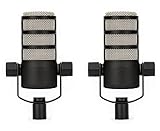
- XLR MICROPHONE: requires an audio interface or mixer with an XLR input, not a USB microphone
- PODCAST-READY SOUND: broadcast-quality dynamic capsule tuned for speech, rejects room noise in untreated spaces
- BUILT-IN POP PROTECTION: internal pop filter and shock mounting tame plosives and desk thumps without extra accessories
- ALL-METAL BUILD: robust body designed to sit on air for years, matches the RØDECaster family
- IN THE BOX: PodMic with integrated swing mount, connects to any XLR interface, mixer or RØDECaster
Prerequisites before you publish
Decide your distribution path
Most creators choose one of two workflows: upload episodes as audio videos, or use an RSS-powered podcast workflow that YouTube can ingest from your feed.
- Manual uploads: you upload each episode file in YouTube Studio and manage titles, descriptions, and thumbnails episode-by-episode.
- RSS distribution: you publish to your podcast hosting platform once, then YouTube updates episodes based on your RSS feed.
Have your podcast basics ready
- Artwork: square show art (commonly 3000×3000 JPG/PNG is accepted as a high-quality baseline).
- Episode assets: clean audio file per episode, episode title, and a short description you can copy/paste into uploads.
- Metadata: consistent naming format (example below) and stable naming rules for chapters/timestamps if you use them.
Set expectations for audio specs
YouTube can ingest many audio formats, but the safest route is a widely supported, high-quality stereo file. If you’re producing from scratch, export in a predictable format and sample rate so you don’t get re-encoded issues (clicks, uneven loudness, or playback glitches).
If you’re using an external editor or mastering chain, document your export settings so every episode matches.
Option 1: Publish podcasts by uploading episodes in YouTube Studio
Manual uploads work well when you want tight control over per-episode visuals (custom thumbnail, chapters, pinned comments) or when you’re testing show format before you commit to RSS distribution.
Step-by-step: upload an audio episode
- Open YouTube Studio (studio.youtube.com) and sign in with your channel.
- In the left sidebar, click Content.
- Click Create (usually a + Create button) and select Upload videos.
- Drag your episode audio file into the upload box or select the file from your computer.
- During upload, enter:
- Title: follow a consistent pattern (example: Podcast Name Episode 014 – Topic).
- Description: include show notes, speaker names, and a short call to action.
- Thumbnail: upload a custom thumbnail that’s legible at small sizes.
- Set Visibility to Public or use Schedule.
- Click Publish (or schedule) once processing finishes.
Use chapters and timestamps for better retention
If your episodes are long, chapters help viewers jump to relevant parts. Chapters also improve the “scanability” of your description and watch page.
When you add timestamps, make sure they align with your actual audio segments and that your episode topics are named clearly (e.g., How we source guests beats Part 1).
Metadata template you can reuse
Copy a consistent block of text into every episode description so your show looks polished and searchable.
Rank #2

- XLR AND USB-C IN ONE MIC: plug into an interface today or straight into a laptop, both connections built in
- SOUND PROCESSED LIKE A STUDIO: on-board APHEX DSP adds compression and presence over USB, dial it in with the free app
- MADE FOR SPEECH: broadcast dynamic capsule rejects keyboard clatter and room echo on streams and pods
- ZERO-LATENCY MONITORING: headphone jack on the mic hears your voice with no delay
- IN THE BOX: PodMic USB, swing mount, USB-C cable and pouch, plug and play on Mac, PC, iPad and Android
| Field | What to include | Example |
|---|---|---|
| Show hook (1–2 lines) | State the episode value and the audience | How we plan launches and avoid the 3 mistakes that slow teams down |
| Episode outline | Bullets that match chapter timestamps | • 0:00 Planning the agenda • 18:40 Guest outreach • 42:10 Post-release learnings |
| Resources | Links to tools, articles, and related episodes | • Spreadsheet template: https://example.com • Earlier episode: [link] |
| Call to action | Subscription or next-episode teaser | Subscribe for Episode 015 next week—same time, same topic |
Option 2: Publish via RSS-style podcast distribution
If you maintain a podcast feed through a hosting provider, RSS distribution can reduce manual work. You submit your episode once, and YouTube updates it based on your feed.
The biggest benefits are consistency and less friction when you publish frequently.
What you need to start
- A YouTube channel that will represent your show.
- A podcast RSS feed URL from your hosting provider.
- Consistent episode-level metadata inside your feed: episode titles, descriptions, artwork, and audio URLs.
Step-by-step: connect your feed
- Open YouTube Studio.
- Look for a Podcast or Podcast settings area in the left navigation (naming can vary by account UI).
- Select Add or Configure.
- Paste your RSS feed URL into the field provided.
- Follow prompts to verify and complete setup.
Ensure your feed quality (common rejection causes)
When episodes don’t appear, it’s often due to feed quality rather than YouTube being “stuck.” Check for:
- Broken episode audio URLs (expired links or redirects that don’t resolve).
- Mismatched artwork (wrong aspect ratio or invalid image encoding).
- Inconsistent episode titles (duplicates or missing fields).
- Timing assumptions: feeds usually update on a schedule, not instantly.
Production best practices for YouTube podcast episodes
Your best analytics won’t save weak audio. YouTube viewers are quick to leave if the episode is hard to hear or uneven in loudness.
PC Slower Than It Used to Be?
A free scan shows the junk files, broken settings and background clutter dragging Windows down - then fixes them in one click.Free scan · Windows 10 & 11Crashes, No Sound, or Screen Glitches?
Random freezes, missing sound and display glitches usually trace back to one bad driver. Find and replace yours safely.Free scan · under a minuteSound quality checklist
- Consistent loudness: master episodes so the volume feels stable from start to finish.
- Noise control: reduce background hum and keyboard noise; keep silence truly silent.
- Voice clarity: EQ lightly to keep speech intelligible, not harsh.
- Headroom: avoid clipping. Peaks should not slam into distortion.
Episode length and structure
YouTube is still a listening experience, but viewers can “browse” a long episode using chapters and timestamps. Build your show so that the opening 60–120 seconds deliver the promise you made in the title.
Use cold opens sparingly, but treat your intro like a trailer: it should earn the next five minutes.
Design and publishing best practices (titles, thumbnails, descriptions)
On YouTube, metadata is your storefront. The goal isn’t just to be accurate—it’s to be clickable and easy to understand.
Title formulas that tend to work
Use clear topic language over cleverness. A simple structure improves search match and viewer expectations.
- [Episode #] + Core topic: “Episode 014: Building a Research Workflow That Doesn’t Break”
- Problem + outcome: “How to Fix Interview Follow-Ups That Never Get Replies”
- Guest + expertise: “With Dr. Rivera: The Science of Learning Under Pressure”
Thumbnails for audio-first content
You don’t need flashy visuals, but you do need readability. Use high-contrast text, avoid tiny fonts, and keep the composition consistent across episodes.
Common thumbnail layout: show name (small), episode topic (large), and one visual cue (icon, waveform, or consistent color block).
Description rules that improve discoverability
Descriptions should be scannable on mobile and indexable in search. Put your most important terms in the first 1–2 lines.
- Lead with a 1–2 sentence summary that includes the episode topic.
- Use bullet points for chapter topics or key segments.
- Add links to relevant resources and your next episode or playlist.
Scheduling and release cadence
Consistency beats intensity. Your upload workflow should support your real production capacity, not a fantasy calendar.
What’s actually slowing this PC down?
Pick the symptom - the matching free tool is one click away.
Pick a cadence you can sustain
- Weekly: best when you can produce and edit quickly and you have repeatable guest pipelines.
- Biweekly: a strong option for higher production quality and deeper editing.
- Seasonal: best when your show is themed and you batch-record.
Use scheduling to avoid gaps
When you schedule episodes in YouTube Studio, processing and publish timing are handled reliably. Aim to have at least one episode ready before you publish the current one.
Channel strategy: playlists, positioning, and playlists-as-silos
YouTube users don’t always watch “in order.” Playlists help you create topical entry points and increase total session time.
Rank #4

- Integrated yoke mount allows for easy positioning, with an innovative dual 3/8" and 5/8" thread to allow mounting on any stand or boom arm without the need for thread adaptors
- An internal shock mount reduces the sound of knocks and vibration, whilst a built-in pop filter tames plosives ('p' and 'b' sounds) for natural, clear voice reproduction
- Solid, all metal construction for years of reliable use
- Optimised for use with the RØDECaster range of production consoles and high-quality audio inferfaces and mixers
- Designed and made in RØDE’s precision facilities in Sydney, Australia
Create playlists that match listening behavior
- By topic: “Interview Tactics,” “Founder Lessons,” “Audio Production.”
- By series: “Season 2,” “Workshop Episodes.”
- By guest: a guest-centric playlist can work if you feature repeat experts.
Then pin the most relevant playlist to the channel homepage so new visitors don’t have to guess where to start.
Analytics: what to watch after publishing
Don’t obsess over one metric. Use analytics to diagnose what’s working in your titles, thumbnails, and audio retention.
Useful metrics for podcasts on YouTube
- Impressions and CTR: indicates thumbnail/title click performance.
- Average view duration and Average percentage viewed: indicates whether your pacing holds.
- Traffic source: helps you identify whether search, browse, or external shares drive discovery.
Operational loop
Run a simple weekly review: note top episodes by retention, inspect their titles and first 2 minutes, then adjust your next three releases.
Troubleshooting: when podcast episodes don’t show up or look wrong
RSS feed episodes aren’t appearing
- Verify the episode audio URL loads in a browser and returns an actual audio file.
- Check your feed for missing fields (title, enclosure URL, artwork).
- Confirm you published the episode on your hosting provider and the feed is updated.
Uploads process but sound is distorted
- Re-export the episode with consistent settings and test playback locally.
- Check for clipping in your source file and reduce peaks.
- Try a different export format (commonly MP3 or M4A) if your current format behaves unpredictably.
Incorrect thumbnail or artwork
- Confirm the file you uploaded matches the expected image format and is not corrupted.
- Make sure your thumbnail has clear text contrast at small sizes.
- If using RSS distribution, ensure the artwork URL in your feed is valid and publicly reachable.
Chapters don’t show
- Make sure timestamps follow the standard format (e.g., 0:00, 1:23) and are correctly spaced.
- Ensure timestamps are in the description field for the upload flow you’re using.
- Check that chapter names are unique and not repeated across the same episode.
Common mistakes that hurt YouTube podcast growth
- Weak episode promises: titles that don’t match what happens in the first minutes.
- Inconsistent artwork: thumbnails that change style every episode reduce brand recognition.
- Long intros: if your cold open delays the topic, retention drops fast.
- Metadata mistakes: missing keywords in the first lines of the description.
- Publishing without a QA pass: export once, upload once, then find out the audio is clipping—too late to fix quickly.
Alternative workflows and best-fit guidance
When to upload manually
Manual uploads are best when you want custom thumbnails for each episode, consistent chapters, and strict control over the description copy.
You’ll also catch problems faster because each upload is a distinct event you can review immediately.
When RSS distribution wins
RSS distribution is best when you publish often, run a podcast hosting stack already, and want episodes to roll out automatically with your feed updates.
Free tools Windows power users keep installed
One-click scans. No signup required.
It’s also more maintainable if you have multiple team members or need to scale output without adding upload overhead.
Best Value

- [Natural Audio Clarity] Operated with frequency response of 50Hz-16KHz, the podcasting XLR mic delivers balanced audio range, likely to resonate with your audience. Directional cardioid dynamic microphone corded will not exaggerate your voice, while rejects unwanted off-axis noise for vocal originality and intelligibility during your PS5 gaming streaming video recording. (Tips: Keep the top of end-addressing XLR dynamic microphone AM8 facing audio source, and suggested recording range is 2 to 6 in.)
- [XLR Connection Upgrade-Ability] To use XLR connection, connect the podcast microphone to an audio interface (or mixer) using a separate XLR cable (NOT Included) . Well-connected and smooth operation improves audio flexibility to make you explore various types of music recording singing. The streaming mic isolates the pristine and accurate sound from ambient noise with greater no interference and fidelity. (RGB and function key on mic are INACTIVE when using XLR connection.)
- [USB Connection with Handy Mute] Skip the hassle of setting something up and plug the cable to play the dynamic USB microphone directly, which suits for beginner creators or daily podcast. You can quickly control the gamer mic with tap-to-mute that is independent of computer/Macbook programs to keep privacy when live streaming. LED mute reminder helps you get rid of forgetting to cancel the mute. (RGB and function key are only available for USB connection, but NOT for XLR connection)
- [Soothing Controllable RGB] RGB ring on the desktop gaming microphone for PC, with 3 modes and more than 10 light colors collection, matches your PC gears accessories for gaming synergy even in dim room. You can control the RGB key button of the dynamic microphone USB directly for game color scheme gaming or live streaming. Configured memory function, the streaming microphone RGB no need to repeated selections after turnning off and brings itself alive when power on. (Only available for USB connection)
- [More Function Keys] Computer microphone with headphones jack upgrades your rhythm game experience and gets feedback whether the real-time voice your audience hear as expected. Get the desired level via monitoring volume control when gaming recording. Smooth mic gain knob on the PC microphone gaming has some resistance to the point, easily for audio attenuation or boost presence to less post-production audio. (Only available for USB connection)
FAQs about YouTube podcasting releases
Do I need video for YouTube podcasting
No. Many creators publish audio-first episodes as video uploads with a cover image or static artwork. The experience should still feel native: clear title, strong description, and chapter timestamps where relevant.
How long should my podcast description be
Long enough to provide value and context, but formatted for scanning. A good target is a short summary (first 1–2 lines), then bullets for key segments, and links at the bottom.
Why does my RSS episode take time to appear
Feed ingestion and indexing isn’t always instantaneous. Also, YouTube may re-process metadata once your hosting provider updates the feed. If it’s been unusually long, validate your RSS feed in a browser and confirm the audio URL is accessible.
Quick wins for a faster PC:
Repair Windows errors before they cause bigger problemsFix Now →Fix the driver behind crashes, sound loss and screen glitchesFind Drivers →Should I post short clips too
Often yes. Short clips and highlights can drive discovery back to the full episode. If you do it, keep your branding consistent and link back to the complete episode in the clip description.
Can I change titles after publishing
You can edit titles in YouTube Studio for most uploads. If you do, keep the change meaningful (fix wrong episode numbering or topic wording) and avoid frequent renaming that can confuse returning listeners.
Bottom Line
YouTube podcasting works best when you treat releases like a product: consistent audio quality, clear titles, clickable thumbnails, structured descriptions, and a repeatable publishing workflow.
Choose manual uploads for maximum control or RSS distribution for automation, then iterate using retention and CTR signals until your episodes reliably earn long listens.
Recommended Free Tools
Quick Recap
Product prices and availability are accurate as of the date/time indicated and are subject to change. Any price and availability information displayed on Amazon at the time of purchase will apply.




