The Tool Desk
Outbyte Driver Updater FREEFix the driver behind crashes, sound loss and screen glitchesFind Drivers →Outbyte PC Repair FREEClear out junk files and repair common Windows errorsFree Scan →Your first online medical appointment goes smoothly when you prepare for both the technology and the conversation. Confirm whether the visit is by video or phone, learn exactly how the clinic will contact you, test the required device, gather your medicines and questions, and arrange a quiet, private place. The clinic’s instructions take priority because equipment, forms, measurements and software vary by provider and by the purpose of the visit.
Use this checklist to know what to do before you click the appointment link or answer the call, what to keep nearby, and what to do if the connection fails.
As an Amazon Associate I earn from qualifying purchases.
1. Confirm how the appointment will work
Start with the appointment message, patient portal or receptionist. Do not assume that an “online” visit always means video. A virtual visit may use a regular phone, smartphone, tablet or computer, depending on the clinic and the type of care. The U.S. Department of Health and Human Services (HHS) explains the basic preparation questions in its patient guide, What should I know before my telehealth visit?
Verify the essential logistics
- Date and time: Confirm the time zone if the clinician or health system is in another region.
- Format: Ask whether the appointment is video, telephone, or a choice between the two.
- Joining method: Find out whether you will use a patient portal, a web link, a text message, a telephone number, or an app. Ask whether an account, password or one-time code is required.
- Forms and consent: Complete registration, insurance, consent or pre-visit questionnaires before the appointment if the office requests them.
- Cost: Ask the office or insurer what you will owe. Online care can have different billing rules from an office visit, and the clinic is the right source for your specific plan and location.
- Accessibility: Request an interpreter, captioning, relay service, mobility accommodation or another support as early as possible.
- Backup contact: Ask exactly what happens if the video will not connect: will the clinician call your phone, send a new link, or have staff contact you?
Save the clinic’s telephone number and the appointment link somewhere you can reach without searching through email during the visit. If instructions conflict, call the office rather than guessing.
#1 Best Overall

- Now We're Talking: Universal cell phone holder for desk for face-level video calls, recording videos; this iPhone Stand for Desk is for FaceTime, Zoom meetings, Facebook calls, TikTok posts, YouTube videos, hands-free cooking
- Small Phone Tripod Stand for Video Calls: Adjusts from 9 to 13 inches for ergonomic position to eliminate neck and back strain; a Desk Tripod for iPhone with professional camera angles for content creation and entertainment
- A Stable Mobile Stand: Adjustable Phone Stand for desk with non-slip padded and weighed metal base that won't tip, or slip; extra wide holders won't drop your device; the ideal iPhone holder for desk during video calls
- Hands-Free Desk Tripod for iPhone: Desk phone holder stand delivers desktop filming for family video calls, office conferences, content creation, and work-from-home meetings; adjustable, telescoping positioning
- ChatStand Phone Recording Stand: Soporte para celular & video recording phone holder for iPhone and Android delivers hands-free filming for office desk streaming, content creation, vanity stuff and more; all in zero-plastic eco-friendly packaging
2. Choose video or phone based on the visit and your circumstances
Neither format is automatically better. The clinic decides what it offers, and the most useful choice depends on what the clinician needs to assess, your access to equipment and data, your privacy, and any disability or communication requirement.
| Consideration | Video visit | Phone visit |
|---|---|---|
| Equipment | Camera-enabled phone, tablet or computer; stable support and adequate lighting help. | Telephone or mobile phone; no camera setup is needed. |
| Connection | Requires a data or Wi-Fi connection capable of carrying audio and video. | May work when video bandwidth is poor, but the clinic may still require a portal step. |
| What the clinician can observe | Facial expression, visible movement and (when appropriate) a body area shown on camera. | Voice and your description only. |
| Privacy | Requires a place where the screen and conversation cannot be seen or overheard. | Still requires a private place so other people cannot hear sensitive information. |
| Accessibility | Can support captions or visual communication when the platform offers them. | May be preferable for someone who cannot use a camera or has limited internet access. |
Ask the clinic which format is clinically appropriate. HHS notes that patients should understand when in-person care may be needed; an online appointment is not a promise that every concern can be handled remotely. See HHS guidance on introducing patients to telehealth for that distinction.
3. Test your device and connection
Use the device and software the clinic specifies. A newer device is not necessarily required, but your operating system, browser or app may need permission to use the camera and microphone.
Run a practical test
- Charge the device: Plug in a phone, tablet or laptop, or keep a charger within reach. If you use a desktop computer, check that the camera and microphone are connected.
- Install or update only what the clinic requests: Use the patient portal or the official app or link supplied by the office. Avoid downloading unfamiliar software from an unsolicited message.
- Check permissions: In the browser or app settings, allow camera and microphone access when prompted. On a phone or tablet, review the app’s permissions in the operating-system settings.
- Test audio: Play a sound and speak while watching the microphone indicator. Test the device speaker or headphones. Health.mil says, “Many people also prefer to use a headset for privacy”; a headset is optional, not a universal requirement. Read its Virtual Health technical guidance for general equipment advice.
- Test video: Confirm that your face is visible and that the image is not frozen or extremely dark.
- Check the connection: Use the same Wi-Fi or mobile location you plan to use for the appointment. If possible, ask someone to make a short test call.
- Close competing apps: Quit downloads, games, streaming video and unnecessary browser tabs. They can consume bandwidth, trigger notifications or compete for the microphone.
- Know the fallback: Keep your phone unlocked or nearby if the office may call you after a dropped video connection.
HHS patient guidance says to “Sign on early.” Provider-facing HHS guidance recommends connecting about 15 minutes before a video visit so there is time for last-minute troubleshooting. That is a suggested preparation interval, not a rule that every clinic uses; follow the appointment message if it specifies a different time.
Rank #2
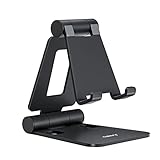
- Universal Compatbility: This phone stand works with all 4-8" Smartphones and e-readers, such as iPhone 18 17 16 15 14 13 12 11 Pro Max Xs Xr X 8 7 6, Switch, Samsung Galaxy S10 /S10+/S9 /S9+/S8 /S8+, Google Nexus, Kindle.
- Adjustable & Portable: The phone cradle is fully collapsible, it can be easily adjusted to ideal position, which is a good desk accessories while watching video, playing games, making phone call, viewing recipes, using Facetime.
- Sturdy & Protective: The cell phone stand is made of high quality premium aluminum, it stays firmly in place, hold your phone steadily, no worry any wobble at all. The rubber pads can protect your phone from any scratching and sliding.
- Case Friendly: The hook width of the stand is 18mm, no need to remove your phone case, which is long enough to hold your device with HEAVY CASE on, please make sure the thickness of your device is no more than 18mm (0.71").
- Warm Tips: Please set your device(4"-6") in landscape or portrait mode, and set the device (6"-8") in landscape mode, which will provide more stability.
4. Gather the medical information the clinician is likely to need
Put your information in one place before the visit. A paper list is fine; a notes app can work if you will not need to switch away from the call. HHS recommends writing down questions and details such as medicines, measurements and allergies in its patient preparation guidance.
Make a medication and allergy list
- List every prescription medicine, over-the-counter product, vitamin and supplement you currently use.
- Include the strength, how often you take it and why, if known. If making a list is difficult, place the actual containers beside you.
- Write down medication allergies and the reaction you experienced. Include other serious allergies that affect treatment.
- Have your pharmacy’s name, telephone number and location ready if a prescription may be changed or renewed.
Describe the reason for the appointment clearly
- Write the main symptom or concern in one sentence.
- Note when it began, whether it is getting better or worse, what makes it better or worse, and anything you have already tried.
- Record relevant diagnoses, operations, hospital visits and family history. You do not need to recite your entire history; focus on information related to this problem.
- If another clinician ordered tests, keep the results or report available if the office has not already received them.
Take measurements only when they are relevant
Have a thermometer, scale, blood-pressure monitor or blood-glucose meter nearby only if the clinician requested a reading or it relates to your appointment. Record when the measurement was taken and the unit used. Do not delay the appointment because you lack home equipment, and do not treat a home reading as a substitute for professional assessment.
5. Prepare the room, camera and clothing
Choose a quiet place with enough light to see your face. Put the light in front of you rather than directly behind you; a bright window behind your head can leave your face in shadow. Rest the device on a stable surface at approximately eye level. A table, stack of books or phone holder can work; a special accessory is not required.
Free tools Windows power users keep installed
One-click scans. No signup required.
Keep the camera steady instead of holding a phone throughout the appointment. Frame your head and upper shoulders unless the clinician asks for another view. Remove clutter or private documents from the camera’s background if other people might see the screen.
Rank #3

- Ergonomic & Adjustable Design: Fight "text neck" and improve your posture. Designed for comfort, it offers an adjustable height (7.1in-8.5in) (1.4in adjustable range) and angle (5°-85°) Please note: cell phone stand is only 9 inches tall—the length of a standard pencil
- Without blocking subtitles Perfect for office desk Tiktok Face Time Zoom video—this is the ultimate kitchen desk essential for phones! Perfect viewing experience while reducing neck back strain, A must-have for gamers streamers desk, and anyone who values both style and support!
- Sleek & Stable Design fits Otterbox Case: Say goodbye to bent cables, tangles, and tip-overs! LISEN’s stylish adjustable desk phone holder features a built-in charging hole and smart cable management, keeping your phone secure and your workspace clutter-free cool gadgets for men
- ANTI-SLIP DESIGN free hands: The under 10.00 items easy gadgets back and the bottom of this kitchen essentials for women are fully covered by anti-skid silicone, which LISEN stand up desk decor can provide maximum protection device from any scratches and slides
- Your Perfect Viewing Companion:If your product arrives damaged or breaks within 365 days, reach out to LISEN for a quick and hassle-free solution. Struggling with assembly, like tightening the screw? We’ve got your back! Your experience matters to us. (Product including: phone Holder stand*1, screw*1, hexagon screwdriver*1, specification*1)
If the clinician may need to examine a body area, wear clothing that allows you to expose or reposition that area safely and comfortably. Follow specialty instructions about photographs. The American Academy of Dermatology explains preparation for skin-focused visits in Telemedicine: How to prepare for your appointment; do not assume that every type of appointment requires photos.
6. Protect privacy in the room and on nearby devices
A private platform cannot make a shared room private. HHS privacy guidance recommends choosing a private location when possible and taking steps to prevent other people or devices from hearing or viewing the appointment. Review Telehealth Privacy and Security Tips for Patients for the official recommendations.
- Close the door and tell household members when you should not be interrupted.
- If a private room is unavailable, use headphones, keep the screen angled away from others and avoid speakerphone. Headphones reduce what people nearby can hear, but they do not make the rest of the conversation private.
- Turn off or mute nearby smart speakers, voice assistants, security cameras and other devices that could hear or record the conversation.
- Use a personal device and a password-protected home network when possible. Avoid public Wi-Fi for sensitive conversations.
- Check who else is in the virtual waiting room or on the call before discussing medical details. If you are unsure, ask the clinician to identify everyone present.
Tell the clinician if you cannot speak freely. They may be able to arrange a different time, phone format or another safe way to communicate.
7. Plan what you want to say and ask
Online appointments can feel shorter because time is spent connecting. Write your top questions in priority order and start with the most important concern. Keep a pen and paper or a notes app nearby so you can record instructions, medication changes, test plans and warning signs.
Rank #4
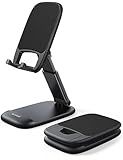
- Height & Angle Adjustable - The universal adjustable phone stand can be titled to vertical, and height can be extended up to 3.2 inches. It allows you to get a more comfortable viewing angle and height. Reduce the frequency of looking down at the phone screen to avoid hurting your back and neck. A perfect desktop accessory that frees your hands to watch online class, do live stream.
- Thick Case Friendly - This cellphone stand work for phone with thick case up to 0.71 inches thick. The enlarged & thickened anti-slip & anti-scratch silicone mats on the backrest, hooks and base feet protect your moilephone from sliding and scratching. Durable materials and the high-precision smooth surface prevent this phone stand from scratch and break even after long-term use.
- Full Foldable & Portable - This portable phone stand is easy to carry by anyone. Bi-folding design allows this foldable mobile stand to be pocket-sized. Simply fold it up to a small size anytime and carry around into a handbag, backpack wherever you travel or business trip. Necessary office desk accessories & workspace organizers, office supplies, cell phone accessories.
- Weighted Metal Base - As to ensure the stability, the telescopic rod and the base of this mobile phone stand are made of weighted excellent metal. The exquisite groove design of the base match with the strong adjustable rod allows your mobilephone to rest steadily on it, even with a thick case. It’s the best Thanksgiving Day, Christmas gift.
- Wide Compatibility - Universal table phone holder works for telephones and tablets between 4 - 8 inches, such as Apple iPhone Duo, iPhone 18 Pro, iPhone 18 Pro Max, iPhone 17, iPhone 17 Pro, iPhone 17 Pro Max, iPhone 17 Air, iPhone 16, iPhone 16 Pro, iPhone 16 Pro Max, iPhone 16 Plus, iPhone 15, iPhone 15 Pro, iPhone 15 Pro Max, iPhone 15 Plus, iPhone 14, 14 Pro, 14 Pro Max, 14 Plus, 13, 13 Pro, 13 Pro Max, 13 Mini, 12, 12 Pro, 12 Pro Max, 12 Mini, 11, 11 Pro, 11 Pro Max, XS, XS Max, XR, X, 8, 7, 7 Plus,SE, SE2, android, Galaxy S22, S22 Ultra, S21 Ultra, S21, S20, A72, A71, A52, A5. Compatible for Nintendo Switch 1 2. Best Christmas Gift.
Useful questions to include
- What do you think is causing this problem, and what else should be considered?
- What should I do today, and when should I expect improvement?
- What side effects, worsening symptoms or warning signs require urgent help?
- Do I need a test, prescription, referral or in-person examination?
- When and how will I receive results or follow-up instructions?
Ask for plain-language explanations when something is unclear. Before ending the call, repeat the plan in your own words and ask who to contact with follow-up questions. Request a written summary or instructions through the clinic’s normal portal if that is available.
Independent reader supportYour contribution helps us test, update, and keep practical guides available for everyone.8. Use a simple preparation timeline
| When | What to do |
|---|---|
| When booking | Confirm video or phone format, joining instructions, forms, expected cost, accessibility support and the failed-connection procedure. |
| A day or two before | Complete forms, gather medication containers and allergy information, write symptoms and questions, and check whether requested measurements or photos have specific instructions. |
| At least 30 minutes before | Choose the room, position the device, charge it, close unnecessary apps, and put your notes, pharmacy details and backup phone nearby. |
| About 15 minutes before a video visit | Join early for troubleshooting, following HHS provider guidance. Test the microphone, camera and speakers once more. |
| At the end | Confirm the treatment or self-care plan, prescriptions, tests, follow-up date, urgent warning signs and the method for receiving written instructions. |
9. Troubleshoot common problems without losing the appointment
The link will not open
Check that you are using the link supplied by the clinic, that the date and time are correct, and that the required app or browser is supported. If the link still fails, call the office using the saved number rather than searching for a different download.
The clinician cannot hear or see you
Check that the microphone and camera are not muted, that the correct device is selected in the call controls, and that another app is not using them. Re-entering the visit may help. Tell the office if you must switch to a telephone call.
The video freezes or drops
Move closer to the Wi-Fi router, stop other high-bandwidth activity, or switch to the backup phone method the office gave you. Do not repeatedly disconnect without telling the clinic; staff may be waiting in the virtual room.
Best Value

- Adjustable Angle Viewing: Multiple Angles could be adjusted (270 degree rotating) to meet your different viewing demand. Makes you hands-free to enjoy your games, videos and Facetime.
- Superior Stability: We adopt thicker (3mm) aluminum material and bigger size (4.1*3*4.4 inch) to guarantee the stability.
- Heavy Case Compatible: The hook is long enough to hold your device (all size cell phones) with HEAVY CASE on. And no need to take off the case when charging.
- Anti- Scratch & Anti- Slippery: It is equipped with larger silicone pads to protect your device from slipping or scratch.
- Excellence on Details: Similar CNC technology as Macbook adopts, you could enjoy the comfortable sense of touch even on the edge.
You cannot find a private place
Tell the clinician at the start. Use headphones and move the screen away from others if that is safe, or ask whether the appointment can continue by phone at another time. If someone is helping you, identify that person and confirm that you want them present.
10. Know when online care is not enough
The clinician may recommend an in-person examination, urgent care or emergency help when a physical examination, procedure, testing or immediate treatment is needed. Do not wait for a video appointment if you have a medical emergency. For non-emergency concerns, explain any new or worsening symptom during the visit and follow the clinician’s instructions about where to go next.
Your goal is not to create a perfect home clinic. It is to make the correct connection, protect your privacy, provide accurate information and leave with a clear next step. The clinic’s instructions remain the final authority for platform, timing, forms, measurements and follow-up.
Crashes, No Sound, or Screen Glitches?
Random freezes, missing sound and display glitches usually trace back to one bad driver. Find and replace yours safely.Free scan · under a minutePC Slower Than It Used to Be?
A free scan shows the junk files, broken settings and background clutter dragging Windows down - then fixes them in one click.Free scan · Windows 10 & 11Quick Recap
Product prices and availability are accurate as of the date/time indicated and are subject to change. Any price and availability information displayed on Amazon at the time of purchase will apply.




