Quick wins for a faster PC:
Scan for outdated or missing drivers - takes under a minuteDriver Scan →Repair Windows errors before they cause bigger problemsFix Now →Fix the driver behind crashes, sound loss and screen glitchesFind Drivers →A blue diode laser is a semiconductor laser diode that emits blue visible light. Many use indium gallium nitride (InGaN) or other gallium-nitride-based materials, and commonly reported examples emit at 445–450 nanometers (nm). The term describes a family of devices—not a single wavelength, power level, package or application.
How does a blue diode laser work?
A diode laser produces laser light in a semiconductor structure when electrical current drives it. The Occupational Safety and Health Administration describes the semiconductor injection laser as a type of solid-state laser and notes that these devices are most commonly pumped by externally applied current. Blue devices commonly use nitride semiconductor materials, including InGaN as an active medium, though their detailed structures vary.
As an Amazon Associate I earn from qualifying purchases.
Unlike ordinary LED lighting, a laser diode produces a beam that can be narrow-angle and focused to a small spot. Beam characteristics still depend on the particular device and optics; the label “diode laser” does not guarantee a specific beam quality or divergence. Laser Focus World’s technical overview discusses the development of InGaN blue laser diodes and their applications.
Free tools Windows power users keep installed
One-click scans. No signup required.
What wavelength is a blue diode laser?
Examples in technical and product reports commonly fall around 445–450 nm. A 2021 technical article describes 447 nm and 450 nm examples, while a 2018 report covers direct 450 nm emission and a product report documents a 445 nm module. These are examples, not a universal specification or a definitive boundary for the color blue. An older commercial survey covered products from 375 to 445 nm, reflecting that survey’s date and scope.
#1 Best Overall

- Focusable 445nm 5mw violet laser module
- If laser spot is not dot when you get,pls adjust the front cap to get dot as you need at different distance
- Blue lazer Diode
- Blue Dot laser diode
What are blue diode lasers used for?
Lighting and entertainment
Blue diode sources are used in stage and event lighting, including show lasers and spotlights. In some systems, a blue source excites phosphor to produce white light.
Optical storage and displays
Gallium-nitride-based blue-violet diodes have been used in Blu-ray and other optical disc systems, as well as projection displays. The wavelength can support optical systems that require shorter-wavelength light than red laser sources.
Rank #2

- 【Laser Module】4W (4000mW) optical laser power output. Line width is narrower and suitable for ordinary plywood; Adjustable laser head(Adjustable focus: 20mm - 50mm), easy to adjust, ensures engraving with good quality and high efficiency. 4000 mW optical laser module can cut through 1-2mm Plywood in one pass. Class level: Class 1
- 【Original Diode with FAC】The Blue Laser module with original diode, high stability, high efficiency, and high quality. Bright blue-violet light, easy to locate when engraving. Adjustable focus laser head suitable for DIY engraving machine, three-axis engraving machine, upgrade or replacement, easy to install.
- 【Eay to Assemble】This diode laser module is small, compact, convenient, and easy to install. Size: 35*35*99.6mm. Wavelength: 450nm; Input: DC 12V 1.6A(1.4-1.8A); Power adjustable: Support 5V PWM modulation; Input port: XH2.54-3P socket; control line installation method: pluggable. Package include: 1*laser module, 1* 3pin cable
- 【Widely Use Materials】The laser engraving module can be used to engrave MDF, wood, paper, leather, bamboo, plastic, rubber, alumina, stainless steel, etc. (🔺Unable to engrave with blue/purple/white/transparent material, aluminum without oxide layer) Note🔺: Please wear appropriate safety glasses when using the laser module to prevent laser light, even any reflections from entering the eye
- 【Comprehensive & Trustworthy After-Sales Service】Our modules are suitable for PWM signal controlled laser engraver laser cutter machines, cnc machines and 3D printers and so on. But due to the many brands and models of machines, not all of them can be plug and play. If you need a pre-sale consultation of the laser module or encounter any problems, please feel free to contact us directly. We will troubleshoot and solve the problem for you!
Printing and sensing
Technical accounts also identify printing and optical sensing as application areas for blue-violet GaN-based devices.
Do these 3 things before closing this tab:
1Fix the driver behind crashes, sound loss and screen glitches2Repair Windows errors before they cause bigger problems3Scan for outdated or missing drivers - takes under a minuteIndustrial copper processing
High-power blue diode systems have been reported for copper welding and copper-powder additive manufacturing. A 2022 Laser Focus World report said 3-kilowatt continuous-wave systems averaging 445 nm had been available since spring 2022. That dated report does not establish whether a particular system remains in a manufacturer’s current catalog.
Rank #3

- The blue lights are usually used as a supplementary light source to green ones to make light swamp of different colors.
- Beautiful Blue Line Light
- 5VDC power supply suitable
- Output: <5mW (Class IIIr)
- Blue Line Brightness Level: Level 3
What does the name not tell you?
“Blue diode laser” does not specify whether you are looking at a small packaged module, a bare emitter, a diode bar or a multi-emitter industrial source. Published examples span a 300-milliwatt collimated module and systems at hundreds of watts or kilowatts; those are very different products, not interchangeable options.
When evaluating a specific device, check the manufacturer’s specifications for:
Rank #4
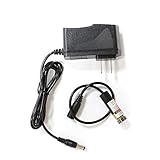
- Wavelength:405nm
- Working Voltage:3V-5.5V
- Laser Shape: DOT
- Working Current <180mA
- Wavelength: the stated emission wavelength and tolerance, if provided.
- Optical output power: distinguish output power from electrical input power.
- Operating mode: whether output is continuous-wave or pulsed, and any duty-cycle limits.
- Beam characteristics: divergence, beam quality and whether collimating or focusing optics are included.
- Package and cooling: mounting, heat-sinking and cooling requirements.
- Electrical drive: required current, voltage and driver arrangement.
- Intended use and controls: application limits and the safety measures specified for that device.
For scale, a 2011 Laser Focus World product report described a 445 nm, 300 mW continuous-wave collimated module; this historical example is not evidence of present-day availability. A separate report from around 2018 described an approach using up to 50 W per blue diode bar and a 700 W system demonstration. These figures illustrate the range of reported form factors and power levels, not a controlled comparison of products.
The Tool Desk
Outbyte PC Repair FREEClear out junk files and repair common Windows errorsFree Scan →Outbyte Driver Updater FREEFix the driver behind crashes, sound loss and screen glitchesFind Drivers →Are blue diode lasers dangerous?
Yes. Visible blue output is still laser radiation, and a sufficiently powerful, highly collimated beam can seriously injure eyes. OSHA’s technical manual says photochemical reactions are a principal cause of threshold tissue injury from blue visible radiation in the 400–550 nm range under exposures greater than 10 seconds. Risk depends on factors including wavelength, irradiance, exposure duration, pulse characteristics and illuminated area.
Best Value

- Industrial Focusable Violet Purple Blue Dot Laser Diode Module
- Economical ECONOMICAL DOT LASERAdjust Blue Laser Diode Dot
- Violet Purple Diode Laser
- 20 mw Laser Driver
- 1pcs Violet Laser Diode Laser Head
Follow the specific product’s safety information and applicable workplace controls. Use protective measures and eyewear appropriate to the laser’s wavelength and hazard classification; ordinary tinted glasses should not be assumed to provide laser protection. OSHA’s Technical Manual, Section III, Chapter 6, provides guidance on laser hazards and controls.
Quick Recap
Product prices and availability are accurate as of the date/time indicated and are subject to change. Any price and availability information displayed on Amazon at the time of purchase will apply.




