Formula E engineers can simulate far more than a motor: the car is represented as a connected system of chassis, aerodynamics, tyres, powertrain, controls and efficiency. FIA documents for the Season 13 (2026–2027) framework describe several of these model components and how manufacturers integrate them into competitors’ driver simulators. Battery behavior is an important engineering topic, but the cited FIA simulator-model list does not specify a battery model.
That distinction is useful when asking what a simulator actually represents. Some items are expressly named in FIA material, such as an aero map, tyre models and a rear powertrain model with control functionality. Others, including the details of battery modeling or the mathematical methods behind each model, are not publicly specified in the documents covered here.

As an Amazon Associate I earn from qualifying purchases.
What can engineers simulate in a Formula E car?
A Formula E simulator can combine models of the car’s structure and geometry, aerodynamic inputs, tyre behavior, powertrain and control functionality, and powertrain efficiency. These pieces matter together: the car’s response depends not only on the power unit, but also on how the vehicle and its components are represented as a linked system.
The FIA’s manufacturer registration procedure lists a chassis model, FIA single-supplier models that include an aero map, CAD model and tyre models, a rear powertrain model with control functionality, and a front-powertrain efficiency map. It also describes integrating manufacturer models into competitors’ driver simulators and providing calibration and controls support. The procedure does not publish a particular team’s equations, calibration methods or simulation results. FIA manufacturer registration procedure
#1 Best Overall

- Build and display a Mercedes F1 model car – This LEGO Technic Mercedes-AMG F1 W14 E Performance building kit for adults is packed with authentic details from the 2023 car to delight motorsport fans
- Test out the steering – Features include slick tires, plus steering that can be controlled using the steering wheel or with the knob on top of the car
- Authentic features and details – Features include the differential and the 6-cylinder engine with its moving pistons, plus the opening wing inspired by the real-world car’s DRS
- A display piece for home or office decor – With authentic livery details, this model can be admired from every angle, so celebrate your building achievement by placing it on display
- A racing car gift project for adults – This Mercedes-AMG F1 W14 E Performance set makes a rewarding gift for adult fans of motorsport who enjoy challenging projects
So the useful answer is not simply “the motor.” The model domains span physical vehicle elements and the powertrain’s control and efficiency characteristics. Their inclusion in one simulator does not mean that the public can inspect the underlying files or reproduce a team’s model: the FIA material names the categories and describes integration, not proprietary data or detailed implementations.
How the main model areas fit together
Chassis and geometry
The FIA procedure includes a chassis model covering casing stiffness and geometry. In a simulation, those are representations of the car’s physical structure and shape, which provide context for the other modeled systems. The public document identifies the model content but does not explain a specific structural-analysis technique or disclose a team’s detailed chassis model.
That wording also sets a boundary on what can be concluded. The source supports saying that chassis stiffness and geometry are represented; it does not specify which equations, level of detail, or calibration approach is used. Nor does it state a particular suspension-optimization process or give a numerical account of how a chassis model affects performance. Those details should not be inferred from the fact that a chassis model is included.
Aerodynamics
The FIA list names an aero map and a CAD model among the single-supplier model elements. Those references support describing aerodynamic information as part of the simulator’s vehicle inputs; they do not establish that a particular team uses a specific CFD process, wind-tunnel schedule or aerodynamic workflow.
The procedure also gives wind-tunnel data as an example of additional manufacturer-generated information. That is distinct from the listed single-supplier model components: the example does not mean every manufacturer must supply or use a particular wind-tunnel dataset. FIA manufacturer registration procedure
The practical distinction is between knowing that aerodynamic information is represented and knowing exactly how it was produced or used. The FIA text identifies an aero map and CAD model as model content, but does not provide the aerodynamic data itself. Wind-tunnel information is presented as an example of optional, additional manufacturer-generated information—not proof of a fixed test program, a universal dataset, or a specific aero-development method.
Tyres
Tyre models are explicitly included alongside chassis and aerodynamic models. This places tyre behavior within the same vehicle-simulation picture as structure and aero. The FIA procedure does not name a tyre-modeling method or specify how tyre behavior is characterized for a given track, so claims about a particular optimization technique or lap-time effect would go beyond what it establishes.
Free tools Windows power users keep installed
One-click scans. No signup required.
Rank #2
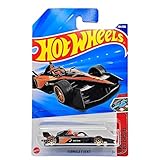
- Detailed 1:64 Scale Model: Hot Wheels Formula E Gen3 (HYY56) features precise detailing and authentic racing car design in compact 1:64 scale
- Official Formula E License: Officially licensed Formula E product with authentic branding and specifications from the electric racing series
- Distinctive Racing Livery: Black finish with distinctive orange accents and NEOM and McLaren Foumula E Team graphics for authentic racing appearance
- Aerodynamic Racing Design: Features aerodynamic styling with cockpit roll bar and realistic racing wheels for authentic Formula E appearance
- Track Aces Series 2025: Part of the Hot Wheels Track Aces Series 2025, number 194/250, 4/5 in the series for dedicated collectors
The procedure also mentions tyre-characterisation data as an example of additional manufacturer-generated information. That example should not be confused with the listed tyre models: it does not establish a required characterization procedure or say how such data is used. The public source supports the broad conclusion that tyres are a model domain, while leaving the model’s inputs, methods and track-specific application unspecified.
Motors, powertrain and controls
The FIA technical regulations define an electric motor-generator unit (MGU) as a rotating electromechanical power converter with a stationary stator and rotating rotor. It transforms electric power into mechanical power and vice versa; it is for power conversion, not energy storage. The distinction matters: a model of the MGU concerns conversion, while energy storage belongs to a separate battery or energy-store representation. FIA Formula E Technical Regulations, Season 13
“An electric motor-generator unit (MGU) is a rotating electromechanical power converter with one stationary element (stator) and one rotating assembly (rotor). It transforms electric power into mechanical power and vice-versa. An MGU is for power conversion only and not energy storage.” — FIA, Formula E Technical Regulations, Season 13
The manufacturer procedure lists a rear powertrain model with control functionality and a front-powertrain efficiency map. Together, those items support discussion of powertrain behavior, control functionality and efficiency in simulation. The public materials do not disclose the specific control algorithms, calibration values or team-level implementation.
PC Slower Than It Used to Be?
A free scan shows the junk files, broken settings and background clutter dragging Windows down - then fixes them in one click.Free scan · Windows 10 & 11Outdated Drivers Are Slowing You Down
One free scan finds every outdated or missing driver and matches the right update for your exact hardware.Free scan · exact hardware matchThis is a useful comparison between hardware representation and control behavior. The MGU definition describes the role of a component: converting electrical and mechanical power. The manufacturer procedure, meanwhile, explicitly includes control functionality with the rear powertrain model and an efficiency map for the front powertrain. The documents do not explain the algorithms or the details of how each component is calibrated, so this comparison should remain at the level of categories rather than a description of a team’s software.
Battery simulation is related, but the public model list is limited
Battery behavior is a natural engineering consideration when modeling an electric race car: stored energy and its operating constraints are not the same thing as the MGU’s conversion of electrical and mechanical power. However, the FIA simulator-content list cited here does not provide a public specification for a battery model. It does not identify a battery chemistry, state-estimation method, detailed battery-model inputs or a team workflow.
That means it is accurate to describe battery or energy-store modeling as a distinct engineering domain, but not to claim that the listed FIA simulator package contains a particular battery model or that teams use a particular battery-simulation method. The MGU definition is explicit on the narrower point that the motor-generator converts power rather than storing energy. FIA Formula E Technical Regulations, Season 13
Rank #3
In short, “battery” and “motor” should not be used interchangeably. The FIA regulation defines the MGU as a power converter and expressly excludes energy storage from its role. The cited manufacturer procedure names powertrain models and an efficiency map but does not set out battery-model contents. This is not evidence that battery modeling is absent from every engineering workflow; it means that the public FIA material reviewed here does not specify it.
There is likewise no source-supported basis here for naming a battery chemistry, state-of-charge or state-estimation method, battery operating limits, or a specific calculation of energy use. Those may sound like natural questions, but answers would require evidence beyond the documents cited in this article.
Supplier models and manufacturer-generated information
The FIA procedure distinguishes named single-supplier model components from additional information a manufacturer may generate. The listed single-supplier items include the aero map, CAD model and tyre models; the procedure also describes chassis, powertrain and efficiency model content. Wind-tunnel or tyre-characterisation information is given as an example of optional manufacturer-generated data, not a universal required input.
This distinction helps explain why public descriptions of model categories should not be mistaken for access to the underlying data. The FIA documents identify components and integration responsibilities; they do not reveal proprietary model files or the detailed data used by individual manufacturers.
It also gives readers a grounded way to compare model types without comparing unsupported products. One comparison is supplier-provided model elements versus additional manufacturer-generated information. Another is vehicle hardware—such as chassis, aero and tyres—versus powertrain controls and efficiency. These are different kinds of model content, but the documents do not rank their importance or disclose which contributes most to a simulator’s results.
Quick wins for a faster PC:
Clear out junk files and repair common Windows errorsFree Scan →Scan for outdated or missing drivers - takes under a minuteDriver Scan →The procedure’s distinction does not establish what any particular manufacturer chooses to generate, how the information is prepared, or whether different manufacturers use identical methods. It documents the categories and examples, rather than sharing the proprietary inputs. There is no cost, software licensing price or procurement requirement in the cited material, so cost comparisons would not be supported.
How manufacturers support simulator use
The manufacturer procedure describes more than handing over a model. It addresses integration into competitors’ driver simulators and related support, including controls-system review, calibration training, model specification updates and in-season model calibration support. This makes the simulator model part of an ongoing engineering and support process, rather than simply a standalone motor simulation.
Rank #4

- 🏎️ 𝟭:𝟭𝟴 𝗦𝗰𝗮𝗹𝗲 𝗙𝟭 𝟮𝟬𝟮𝟯 𝗔𝗠𝗚 𝗪𝟭𝟰 𝗠𝗼𝗱𝗲𝗹 𝗞𝗶𝘁 - Build your own 1:18 scale replica of the W14 E Performance. The iconic black & silver 2023 Formula 1 car driven by Lewis Hamilton #44 & George Russell #63. Faithfully recreates the AMG W14 that earned 8 podiums in the 2023 F1 World Championship season.
- 🏁 𝟭𝟰𝟬-𝗣𝗶𝗲𝗰𝗲 𝗠𝗼𝗱𝘂𝗹𝗮𝗿 𝗕𝘂𝗶𝗹𝗱 𝗦𝘆𝘀𝘁𝗲𝗺 - Assemble 140 diecast metal & ABS plastic parts: front wing, rear wing, diffuser, cockpit & steering wheel, sidepods, suspension arms, engine air intake, barge boards, mirrors & jack stands. Mini screwdriver, extra screws & water slide decals for #44 or #63.
- 💪 𝗗𝘂𝗿𝗮𝗯𝗹𝗲 𝗗𝗶𝗲-𝗖𝗮𝘀𝘁 𝗖𝗼𝗻𝘀𝘁𝗿𝘂𝗰𝘁𝗶𝗼𝗻 - Pre-painted diecast zinc alloy body panels in the signature W14 black & green-teal stripes with high-quality ABS plastic parts and rubber tires. Parts pre-organized in labeled bags per step. Screwdriver included. Patience with the decals they are water slide.
- 🛠️ 𝗥𝗲𝗮𝗹𝗶𝘀𝘁𝗶𝗰 𝗙𝗲𝗮𝘁𝘂𝗿𝗲𝘀 - Captures genuine W14 E Performance specs carbon fibre-style zero-pod monocoque, pull-rod front & push-rod rear suspension, distinctive slim sidepod design, 18-inch Pirelli-style wheels & ground-effect diffuser. AMG 1.6L V6 turbo hybrid power unit detail.
- 🧩 𝗣𝗲𝗿𝗳𝗲𝗰𝘁 𝗙𝟭 𝗚𝗶𝗳𝘁 𝗙𝗼𝗿 𝗔𝗱𝘂𝗹𝘁 𝗖𝗼𝗹𝗹𝗲𝗰𝘁𝗼𝗿𝘀 - Pick Lewis Hamilton #44 or George Russell #63 with included water slide decals. Finished model 11.5 × 5.5 × 3.5 inches desk or shelf display ready. Scan QR code for step-by-step digital build guide. Ideal Christmas or birthday gift for F1 fans aged 14+.
These are concrete responsibilities named in the procedure: integrating the manufacturer’s models into a competitor’s driver simulator, reviewing controls systems, offering calibration training, updating model specifications and supporting calibration during the season. The list indicates that model use involves integration and continuing support. It does not, however, describe every operational step or provide a schedule, staffing requirement, cost, or detailed technical standard for each activity.
The procedure does not quantify the effect of this support on lap time, driver performance or simulation accuracy. It also does not name commercial simulation software or publish a fidelity benchmark, so vendor comparisons and numerical performance claims cannot be drawn from these FIA documents. FIA manufacturer registration procedure
The Tool Desk
Outbyte Driver Updater FREEScan for outdated or missing drivers - takes under a minuteDriver Scan →Outbyte PC Repair FREEClear out junk files and repair common Windows errorsFree Scan →For the same reason, readers should be cautious about claims that a particular simulator is a certain percentage accurate, saves a stated amount of time, or improves a lap by a specific number of seconds. No relevant accuracy statistic or performance gain is provided in the reviewed FIA material. The documents support a description of model content and support obligations, not quantified outcomes.
Independent reader supportYour contribution helps us test, update, and keep practical guides available for everyone.What the FIA documents establish—and what they do not
| Area | Publicly stated | Not specified in the cited documents |
|---|---|---|
| Chassis | Chassis model, including casing stiffness and geometry | Specific equations, structural methods or team-level calibration |
| Aerodynamics | Aero map and CAD model are listed; wind-tunnel data is an example of additional manufacturer-generated information | Specific CFD workflow, testing frequency or proprietary aero data |
| Tyres | Tyre models are included in the model content | Modeling method, track-specific behavior or measured performance benefit |
| Powertrain and controls | Rear powertrain model with control functionality; front-powertrain efficiency map | Specific control algorithms, calibration values or commercial software |
| Battery or energy storage | The regulations distinguish MGU power conversion from energy storage | A detailed public battery-model specification or team workflow |
| Simulator outcomes | Manufacturer model integration and support are described | Accuracy statistics, lap-time gains or quantified driver-performance improvements |
Read the table as a map of what can be stated responsibly from the cited documents, not as a complete inventory of every model a Formula E team may use. A public FIA description of required or named content is not the same as publication of each team’s implementation, data or results.
Season and document context
The technical-regulation PDF cited here is dated 11 December 2025, and the manufacturer registration procedure is V2, dated 7 November 2025. FIA rules and administrative procedures can be revised; FIA search results also listed a newer 2026–2027 V4 regulation published on 30 September 2026. The model categories described above are grounded in the identified documents and should not be read as a claim that no later revision exists.
Because the documents have dates and version numbers, anyone relying on detailed regulatory requirements should check the newest FIA publications before treating a specific obligation as current. This article uses the cited versions to explain the model categories; it does not assert that they are the final or only applicable documents.
Frequently Asked Questions
What can engineers simulate in a Formula E car?
The FIA manufacturer procedure describes a linked set of model domains: chassis, aero map and CAD model, tyres, rear powertrain with control functionality, and a front-powertrain efficiency map. It also describes model integration into competitors’ driver simulators and associated support.
Best Value
- Officially Licensed Replica – Authentic styling and branding from the original manufacturer
- Die-Cast Metal Construction – Durable metal body with detailed plastic components
- Highly Detailed Design – Realistic exterior styling and interior details
- Free-Rolling Wheels – Smooth movement for display or play
- Perfect for Collectors & Kids – Great gift for automotive fans
Does the FIA simulator-model list specify a battery model?
Not in the cited manufacturer procedure. The FIA regulations distinguish energy storage from the MGU, which they define as a power converter rather than an energy-storage device. The reviewed material does not specify battery chemistry, model inputs, state-estimation methods or team workflows.
What is the difference between an MGU and a battery model?
The FIA defines the MGU as a component that converts electrical power into mechanical power and vice versa, and says it is not for energy storage. A battery or energy-store model would be a separate category; the cited simulator-content list does not detail one.
Does the FIA publish the teams’ simulation software or accuracy figures?
The cited documents do not name commercial software, publish a simulation-fidelity statistic, or quantify lap-time or driver-performance gains. They describe model categories, integration and support instead.
What’s actually slowing this PC down?
Pick the symptom - the matching free tool is one click away.
Are wind-tunnel and tyre-characterisation data required parts of every model?
The manufacturer procedure gives wind-tunnel and tyre-characterisation data as examples of additional manufacturer-generated information. It does not establish that every manufacturer must supply or use a particular dataset.
What support accompanies the simulator models?
The procedure mentions integration into competitors’ driver simulators, controls-system review, calibration training, model specification updates and in-season model calibration support. It does not give costs or quantify the effect of those activities.
The Bottom Line
Formula E simulation, as described in the cited FIA material, is a linked vehicle-and-powertrain representation—not merely a motor model. The public sources name chassis, aero, tyre, powertrain-control and efficiency elements, and describe manufacturer integration and calibration support. They define the MGU as a power converter, not an energy store, but do not publish a detailed battery-model specification, team implementation, software brand or accuracy figure.
Quick Recap
Product prices and availability are accurate as of the date/time indicated and are subject to change. Any price and availability information displayed on Amazon at the time of purchase will apply.
Do these 3 things before closing this tab:
1Clear out junk files and repair common Windows errors2Scan for outdated or missing drivers - takes under a minute3Repair Windows errors before they cause bigger problems



