Nike is still resetting its product mix and marketplace, while adidas is reporting broad-based growth. Nike’s latest reviewed results cover the three months ended August 31, 2026; adidas’ cover the six months ended June 30, 2026. The different periods make a direct growth-rate contest misleading, but the disclosures show where each company’s strategy is working—and what remains unproven.
How Nike and adidas make and sell their products
Nike: wholesale plus owned channels
Nike sells through NIKE Direct—its own stores and digital platforms—and wholesale accounts, including distributors, licensees and sales representatives. The company says nearly all of its products are made by independent contractors. Its stated strategy emphasizes sport and innovation, consumer connections, and retail and digital experiences.
As an Amazon Associate I earn from qualifying purchases.
adidas: a substantial role for retail partners
In FY2025, adidas reported that wholesale represented 60% of net sales and direct-to-consumer (DTC) represented 40%; DTC includes the company’s own retail and e-commerce. adidas describes multi-brand distribution as important in several markets and categories. Its work with retail partners includes service, tailored assortments, in-store presentation, and monitoring partner sell-through and inventory.
The Tool Desk
Outbyte Driver Updater FREEScan for outdated or missing drivers - takes under a minuteDriver Scan →Outbyte PC Repair FREERepair Windows errors before they cause bigger problemsFix Now →These channel figures are not a like-for-like comparison: adidas’ percentages are FY2025 sales shares, while Nike’s disclosures emphasize channel revenues and strategy. The companies’ definitions and reporting periods should not be assumed to match.
#1 Best Overall

- Men's stylish, slip-on sneakers
- SNUG FIT: Adjustable laces provide a secure fit
- FLEXIBLE UPPER: Soft textile upper is stretchy and comfortable
- CUSHIONED MIDSOLE: Cloudfoam midsole for step-in comfort and superior cushioning
- MADE IN PART WITH RECYCLED CONTENT: This product features at least 20% recycled materials. By reusing materials that have already been created, we help to reduce waste and our reliance on finite resources and reduce the footprint of the products we make
What the latest results say about momentum
The latest periods reviewed are unequal: Nike’s FY2027 first quarter was three months, while adidas’ H1 2026 results cover six months. The figures below describe each company’s reported period; they are not same-duration growth comparisons.
| Measure | Nike | adidas |
|---|---|---|
| Latest period and revenue | FY2027 Q1, ended August 31, 2026: $11.2 billion, down 4% reported and 5% currency-neutral. | H1 2026, ended June 30, 2026: €13.335 billion, up 10% in euros and 14% currency-neutral. |
| Wholesale | FY2027 Q1 Nike Brand wholesale revenue was $6.8 billion, down 1% currency-neutral. | H1 2026 wholesale revenue grew 7% currency-neutral. |
| Owned channels | FY2027 Q1 NIKE Direct revenue was $4.1 billion, down 9% currency-neutral; digital sales fell 13% currency-neutral. | H1 2026 DTC grew 23% currency-neutral, including 26% e-commerce growth and 21% own-retail growth. |
| Operating result | Not stated for FY2027 Q1 in the figures summarized here. | H1 2026 operating profit was €1.279 billion, up 11%, with a 9.6% operating margin. |
Currency-neutral growth adjusts for exchange-rate effects; it is not the same as reported growth. The adidas H1 figures and Nike Q1 figures also cover different lengths of time, so their percentage changes indicate direction within each period rather than which business grew faster on an equivalent basis.
Nike’s recovery strategy: reset the range and rebuild demand
Nike’s FY2026 revenue was $46.4 billion for the year ended May 31, 2026, flat on a reported basis and down 2% currency-neutral. For that full year, wholesale revenue rose 6% reported while NIKE Direct fell 6% reported. The more recent FY2027 Q1 declines show that the reset has not yet produced a return to growth across the business.
What’s actually slowing this PC down?
Pick the symptom - the matching free tool is one click away.
Rebalance products and channels
Nike says it is accelerating innovation and reducing supply of certain footwear products. It is also working to return Nike Brand Digital to a full-price platform, reinvest in wholesale, improve physical retail presentation, and invest in brand and sports marketing. The company says its additional Sportswear and Jordan actions will extend beyond FY2027; its Greater China work is also expected to continue beyond FY2027.
Rank #2
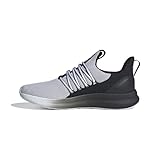
- Men's stylish, slip-on sneakers
- SNUG FIT: Adjustable laces provide a secure fit
- FLEXIBLE UPPER: Soft textile upper is stretchy and comfortable
- CUSHIONED MIDSOLE: Cloudfoam midsole for step-in comfort and superior cushioning
- MADE IN PART WITH RECYCLED CONTENT: This product features at least 20% recycled materials. By reusing materials that have already been created, we help to reduce waste and our reliance on finite resources and reduce the footprint of the products we make
These steps are not cost-free in the near term: Nike says the actions have adversely affected revenue and profitability and are expected to continue doing so. The test is whether refreshed products and stronger retail execution can restore demand and full-price digital sales without extending the earnings damage.
Read Nike’s margin and inventory figures cautiously
Nike’s FY2026 fourth-quarter gross margin was 49.2%, but included an approximately 900-basis-point benefit tied to expected recovery of IEEPA tariffs. That unusual benefit makes the quarter’s reported margin a poor stand-alone indicator of underlying recovery. In FY2027 Q1, inventory was $7.8 billion as of August 31, 2026, up 5% from May 31, primarily because of product mix.
Nike says it is using markdowns and wholesale support to clear inventory and make room for new products. That approach may help move older product, but the company’s disclosures identify continued pressure on revenue and profitability as the reset proceeds.
Windows Errors? Fix Them Before They Spread
Repair common Windows errors and clear accumulated junk for a smoother, more stable PC - no reinstall needed.Free scan · no reinstallCrashes, No Sound, or Screen Glitches?
Random freezes, missing sound and display glitches usually trace back to one bad driver. Find and replace yours safely.Free scan · under a minuteadidas’ growth strategy: broaden performance and work through partners
In H1 2026, adidas reported growth across wholesale and DTC, with especially strong gains in apparel and Performance products. Management attributed momentum to its product pipeline, sell-through, locally relevant assortments, marketing, retailer relationships, and greater DTC demand. Those are management’s explanations of results, not independent measures of the contribution from each factor.
Rank #3

- adidas Men's adiZero Pacer Running
Performance is stronger than the headline footwear figure
H1 2026 currency-neutral revenue rose 33% in apparel, 16% in accessories, and 2% in footwear. Performance grew 34%, led by Football, Running, and Motorsport, while Lifestyle grew 4%. The mix matters: adidas’ overall advance was not driven by footwear growth alone.
Availability versus inventory efficiency
adidas said it maintained a conservative wholesale sell-in approach in a promotional marketplace and preserved full-price sell-through. At the same time, inventory rose 13% to €5.969 billion in H1 2026 as it prioritized product availability, including for the World Cup, over short-term inventory optimization. That is a different choice from simply minimizing stock: it can support demand when product is needed, but it also makes sell-through and discounting worth watching.
Guidance remains a forecast
On July 30, 2026, adidas raised its FY2026 currency-neutral revenue-growth outlook to 9–10%, from high-single-digit growth, while keeping its expected operating profit at around €2.3 billion. This is management guidance, not a completed result. For context on profitability already reported, H1 2026 operating margin was 9.6%; adidas’ H1 gross margin was 51.8%, little changed year over year, despite tariff and currency headwinds.
Where the companies’ results differ—and where the comparison stops
Channels
Nike’s latest quarter showed a sharper decline in Direct than in wholesale, with digital sales particularly weak. adidas recorded growth in both DTC and wholesale in its half-year period. The pattern favors adidas in its reported period, but does not establish a like-for-like channel growth comparison because the periods differ.
Rank #4
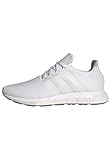
- 100% Rubber
- Made in the USA or Imported
- Ethylene Vinyl Acetate sole
- Shaft measures approximately low-top" from arch
- Regular Fit. The Swiftrun Shoe RUNS LARGE. We recommend sizing down
Products and sports
Nike’s disclosure centers on reducing supply of certain footwear and continuing work on Sportswear and Jordan. adidas reported its strongest H1 category growth in apparel and Performance, with Running and Football among the cited drivers. Their current product challenges and growth sources are therefore not identical.
Geography
Nike identified Greater China, EMEA, and Converse as sources of weakness in FY2027 Q1, partly offset by North America. adidas reported H1 growth across regions, including Greater China, while Europe grew more slowly. These are company-level disclosures for different periods; they do not mean every market moved in the same direction within either business.
Profitability
Nike’s FY2026 Q4 gross margin benefited materially from an expected tariff recovery, while adidas reported a largely stable H1 gross margin amid tariff and currency headwinds. Because one figure is a single quarter with an unusual benefit and the other is a six-month result, they do not establish that one company has structurally better margins.
What to watch next
- For Nike: whether wholesale and product changes revive consumer demand and full-price digital sales, and whether revenue and profitability stabilize as the reset continues.
- For adidas: whether growth holds across categories and channels, and whether strong sell-through converts elevated inventory into sales without excessive discounting or working-capital strain.
- For both: compare results over matching periods and distinguish reported growth from currency-neutral growth before drawing conclusions about relative momentum.
Nike CEO Elliott Hill described FY2026 as a year of actions to strengthen the company’s foundation and reposition it for long-term growth. adidas CEO Bjørn Gulden called the 14% H1 currency-neutral growth and €574 million Q2 operating profit evidence of current brand and product strength, while also noting increased marketing spending. These executive comments explain management’s view; neither statement proves that a recovery is complete.
Verdict: a reset at Nike, growth at adidas
The latest disclosed evidence points to adidas growing while Nike is still working through a reset, particularly in Direct and digital. adidas has momentum across channels and strong apparel and Performance results, but elevated inventory and forward-looking guidance leave execution risks. Nike’s wholesale resilience and stated product and marketplace actions offer a route to recovery, yet its latest quarterly declines show that route has not delivered broad growth so far. The periods differ, so this is a comparison of current direction—not a definitive ranking of the companies’ underlying long-term prospects.
Quick Recap
Product prices and availability are accurate as of the date/time indicated and are subject to change. Any price and availability information displayed on Amazon at the time of purchase will apply.




