Prepare for several days without electricity by securing safe heat, water, food, medications, communications and backup power before the storm arrives. Weatherize the house, make a household-specific supply plan, arrange support for anyone who uses powered medical equipment, and decide in advance where you will go if indoor temperatures become unsafe. During the outage, prevent carbon-monoxide poisoning, conserve heat, keep refrigerator and freezer doors closed, and follow local emergency instructions.
What an extended winter outage requires
A winter outage is more than an inconvenience. Heating systems, well pumps, lights, internet equipment, medical devices and cooking appliances may all stop at once, while frozen pipes and rapidly falling indoor temperatures create additional hazards. FEMA and Ready.gov winter guidance advises households to maintain supplies for several days and to account for household-specific needs, including medications and pets.
As an Amazon Associate I earn from qualifying purchases.
Use this preparation sequence:
- List the people, animals, medications, devices and daily functions that must continue.
- Reduce heat loss and test alarms before severe weather.
- Assemble several days of food, water, lighting, charging and warm clothing.
- Choose a safe backup-power strategy and arrange professional electrical work where required.
- Identify a nearby warm location and a way to reach it if the home cannot remain safe.
Federal guidance is written for US households. Local utility, emergency-management, fire-code, building-code and clinician instructions take priority when they differ.
Build a household-specific outage kit
Do not buy a generic box and assume it covers your needs. Count everyone who may stay in the home, including infants, older adults, people with disabilities and pets. Store supplies where they can be reached without power and keep paper instructions available if phones or internet service fail.
#1 Best Overall

- Electrochemical sensor technology detects CO gas
- Easy installation, no wiring needed, detects during a power failure by operating on 2-AA batteries (included); Install on a wall of your home or place on a tabletop
- Green LED indicates power to the carbon monoxide detector, while an 85-decibel alarm & a red LED indicates the presence of carbon monoxide
- Event Memory records the last time carbon monoxide was detected or when the unit was last tested
| Need | Prepare before the storm | Planning detail |
|---|---|---|
| Water and food | Several days of drinking water and foods that require little or no cooking | Include medically necessary diets, infant feeding supplies and a manual can opener. If your water system needs electricity, plan an alternate supply. |
| Medications | Refills, prescriptions, a medication list and basic medical supplies | Ask a clinician or pharmacist how to protect temperature-sensitive medicines during an outage. |
| Warmth | Layers, hats, gloves, blankets and sleeping bags | Keep clothing dry. Plan for children, pets and anyone who cannot regulate body temperature well. |
| Lighting | Flashlights or lanterns and spare batteries | Keep lights in several rooms; do not use candles as the only plan. |
| Communications | Battery-powered or hand-crank NOAA weather radio, charged phones, power banks and charging adapters | Store charging cables for every essential device and write down important phone numbers. |
| Safety alarms | Smoke alarms and carbon-monoxide (CO) alarms with battery backups | Test them before the storm and keep replacement batteries available. |
| Food monitoring | Appliance thermometers for the refrigerator and freezer | They help you decide whether food stayed cold enough after power returns. |
| Pets | Food, water, medications, carriers, leashes and waste supplies | Include vaccination or medical records if evacuation is possible. |
Local warning systems are part of the kit. Sign up for utility outage alerts, county or city emergency notifications and weather warnings. Agree on an out-of-home contact, where household members will reunite, and how you will check in if cellular service is intermittent. A hand-crank or battery NOAA weather radio provides official information when phones cannot be charged.
Weatherize before the storm
Reduce drafts and heat loss
FEMA winter guidance specifically recommends insulation, caulking and weather stripping. Seal obvious gaps around doors, windows and service penetrations, and check that weather stripping still compresses firmly. Add insulation where practical, considering the building type, local climate and whether you own or rent. Renters should ask the landlord before making permanent changes.
Weatherization lowers the rate at which a home cools, but it does not make an unheated house safe indefinitely. Close interior doors to unused rooms, keep curtains closed after dark and place blankets where they can be used without blocking exits or heaters.
Protect plumbing without guessing
Learn which pipes are vulnerable in your home and ask your utility, plumber or local emergency office for advice on preventing freeze damage. Plumbing layouts, insulation, municipal water systems and local temperatures differ, so there is no universal instruction to drain pipes, leave faucets running or set a particular thermostat. Know where the main water shutoff is and make sure it can be operated if a pipe breaks.
Test smoke and CO protection
Install and test smoke and CO alarms with battery backups before winter weather arrives. Replace expired units and keep spare batteries. A CO alarm is essential if any fuel-burning appliance, fireplace or generator could be used during an outage, but it is not a substitute for placing equipment safely outdoors.
Rank #2

- Keep your family safe with this easy to use, battery operated carbon monoxide alarm; Battery powered alarms provide continuous monitoring of CO levels, even if there's a power failure
- Features an advanced electrochemical carbon monoxide sensor that accurately detects carbon monoxide levels, no matter where the detector is placed in the room.The alarm sequence should last 5-6 seconds. If it does not alarm, make sure fresh batteries are correctly installed, and test it again. If the unit still does not alarm, replace it immediately
- A loud 85 decibel alarm sounds when CO levels reach dangerous , Battery Replaceable - Yes
- To ensure complete protection make sure to place one on each level of your home and in each bedroom
- 5-year limited warranty; Equipped with end of life signal chirp, so you know when it’s time to replace the unit for safety
Choose a warm destination
Identify a nearby friend’s home, community warming center or shelter that can accommodate your household and pets where possible. Confirm transportation, accessibility and opening procedures before the storm. CDC guidance advises seeking shelter with friends or at a community shelter when conditions become too cold to remain safely at home.
Plan backup electricity around real loads
Start with what must run, not with a generator’s advertised wattage. Write down the starting and running requirements for a furnace or boiler control, refrigerator, medical equipment, sump pump, well pump, communications equipment and lights. Some motors draw a large surge when starting. A qualified electrician can calculate loads and install code-compliant transfer equipment or an interconnection.
Quick wins for a faster PC:
Repair Windows errors before they cause bigger problemsFix Now →Scan for outdated or missing drivers - takes under a minuteDriver Scan →| Decision factor | Questions to answer |
|---|---|
| Essential loads | Which single devices are life-sustaining or prevent major damage? Which can remain off? |
| Medical equipment | What does the clinician and equipment supplier specify for voltage, runtime, battery type and backup duration? |
| Location | Where can fuel-burning equipment operate outdoors, at least 20 feet from openings and protected from rain and snow? |
| Connection | Will you power individual appliances with outdoor-rated cords, or does the home require a professionally installed transfer system? |
| Fuel and runtime | What fuel is available locally, how will it be stored legally and safely, and how often will the unit need refueling? |
| Noise and maintenance | Can the household and neighbors tolerate the sound, and will you perform the manufacturer’s maintenance? |
| Rules and budget | What do local codes, your insurer, landlord and utility require? |
A portable generator may be appropriate for selected loads, but a model cannot be chosen responsibly without the household’s load list, fuel plan and installation conditions. Never improvise a connection to the home’s wiring. Backfeeding can electrocute utility workers and damage equipment. Transfer equipment and other interconnections should be installed by a qualified professional under applicable codes.
For a small emergency setup, prioritize a phone power bank, battery lighting and alarms. These may keep communications and safety systems operating without running a fuel-burning engine. They are not automatically suitable for medical devices, refrigerators or heating systems; confirm every device’s electrical requirements with its manufacturer or clinician.
Generator safety: the non-negotiable rules
CDC’s placement wording is precise: “Generators should be located at least 20 feet from any window, door, or vent and in a space where rain and snow will not reach them.” Measure from every opening, not just the nearest one. Keep the exhaust pointed away from the building and neighboring homes.
Rank #3
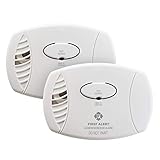
- Keep your family safe with this 2-pack of easy to use, battery operated carbon monoxide alarms; Battery powered alarms provide continuous monitoring of CO levels, even if there's a power failure
- Features an advanced electrochemical carbon monoxide sensor that accurately detects carbon monoxide levels, no matter where the detector is placed in the room
- A loud 85-decibel alarm sounds when CO levels reach dangerous levels
- To ensure complete protection make sure to place one on each level of your home and in each bedroom
- 5-year limited warranty; Equipped with end-of-life signal chirp, so you know when it’s time to replace the unit for safety
- Operate a generator only outdoors, never in a home, basement, garage, crawlspace, shed or other partially enclosed area.
- Keep it at least 20 feet from windows, doors and vents.
- Place it where rain and snow cannot reach it; do not operate wet equipment.
- Use individual heavy-duty, outdoor-rated extension cords rated for the connected load.
- Inspect cords for damage and keep them away from standing water, snowmelt and walkways.
- Refuel only after the engine has cooled and according to the manufacturer’s instructions.
- Keep a battery-operated or battery-backup CO detector inside the home, and test it.
- Follow local fire rules for fuel storage and keep fuel away from ignition sources.
Never use a charcoal grill, camp stove or gasoline-powered engine indoors. Never use a gas range or oven to heat the home. CO is an odorless, colorless gas that can cause sudden illness and death if inhaled. A CDC prevention page states that more than 500 Americans are killed by CO each year; page content can change, so verify the current figure when publishing or training household members.
Windows Errors? Fix Them Before They Spread
Repair common Windows errors and clear accumulated junk for a smoother, more stable PC - no reinstall needed.Free scan · no reinstallOutdated Drivers Are Slowing You Down
One free scan finds every outdated or missing driver and matches the right update for your exact hardware.Free scan · exact hardware matchIf a CO alarm sounds, or anyone develops headache, dizziness, weakness, nausea, vomiting, chest pain or confusion, leave immediately for fresh air and call 911 or Poison Control. Do not re-enter until emergency personnel say it is safe.
What to do when the power fails
First 15 minutes
- Check whether the failure is limited to your home. Look outside only if it is safe, and report the outage to the utility.
- Turn off or unplug sensitive electronics to reduce surge damage when electricity returns; leave one light on so you know when service is restored.
- Check indoor temperature, vulnerable occupants, alarms and any medical equipment.
- Close refrigerator and freezer doors, and start a written time log for the outage.
- Listen to official alerts on a NOAA radio or charged phone.
Conserve heat safely
Dress in dry layers, cover your head and hands, and use blankets or sleeping bags. Gather household members in the warmest safe room while keeping exits clear. Do not block vents or use improvised combustion devices. Monitor children, older adults and anyone with medical conditions for signs of cold stress.
If indoor conditions continue to fall, arrange transportation to the warm location you identified. Do not wait until roads become impassable or a vulnerable person is already in distress.
Use backup power carefully
Start only the equipment on your prewritten priority list. Keep the generator outside at the required distance, dry and ventilated. Do not connect appliances with damaged cords or overload the unit. Shut it down before moving it, servicing it or refueling it.
Rank #4
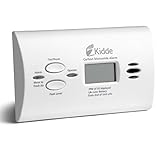
- Electrochemical sensor technology detects CO gas
- Easy installation, no wiring needed, detects during a power failure by operating on 2-AA batteries (included)
- Conveniently designed & portable: simple to install on a wall of your home or place on a tabletop
- Green LED indicates power to the smoke detector, while an 85-decibel alarm & a red LED indicates the presence of carbon monoxide
- Peak Level Memory records the last time carbon monoxide was detected or when the unit was last tested
Food safety without electricity
Keep refrigerator and freezer doors closed. CDC guidance says an unopened refrigerator keeps food safe for up to four hours without power. A full freezer can keep food safe for 48 hours, or 24 hours if half-full, when it remains unopened.
| Situation | Action |
|---|---|
| Refrigerator has been without power for more than four hours | Discard refrigerated perishables rather than tasting them to judge safety. |
| Freezer contents are still hard frozen | Keep the door closed and check with an appliance thermometer when possible. |
| Food has thawed but still contains ice crystals and feels as cold as refrigerated food | CDC says it can be safely refrozen or cooked. |
| Frozen food is fully thawed or warm | Discard perishable items. Do not rely on appearance or smell. |
Record when the outage began and use appliance thermometers to evaluate temperatures after service returns. Food-safety rules can be updated, so check current CDC and FoodSafety.gov guidance for the latest time-and-temperature decisions.
Independent reader supportYour contribution helps us test, update, and keep practical guides available for everyone.Plan for powered medical devices
CDC warns that large-scale disaster outages can last longer and may be life-threatening for people who depend on home-use medical devices. Create a device-specific plan with the prescribing clinician, equipment supplier and utility before winter.
- List each device, its voltage, battery options, startup surge and expected runtime.
- Ask whether the supplier can provide an approved battery, alternate device or emergency service number.
- Confirm which generator, inverter, vehicle adapter or transfer system is compatible; do not assume a consumer power bank is sufficient.
- Tell the utility about medically necessary equipment if its critical-needs registration program is available.
- Set a trigger for leaving, such as a battery reserve level or indoor-temperature limit agreed with the care team.
- Keep documentation, prescriptions and contact numbers in a waterproof folder.
If backup power is uncertain or indoor conditions become too cold, move to the warm shelter or another safe location before the device battery is exhausted.
What’s actually slowing this PC down?
Pick the symptom - the matching free tool is one click away.
Communications, lighting and daily routines
Use the radio and official alerts for weather, road and shelter information. Conserve phone batteries by lowering screen brightness, disabling unnecessary radios and checking messages at intervals rather than continuously. Keep one charged power bank reserved for emergency calls.
Best Value

- Keep your family safe with this 3-Pack of easy to use, battery operated carbon monoxide alarms; battery powered alarms provide continuous monitoring of CO levels, even if there's a power failure
- Features an advanced electrochemical carbon monoxide sensor that accurately detects carbon monoxide levels, no matter where the detector is placed in the room
- A loud 85-decibel alarm sounds when CO levels reach dangerous levels
- To ensure complete protection make sure to place one on each level of your home and in each bedroom
- All First Alert CO alarms are rigorously tested to meet UL standards. Dimensions-3.4 x 1.5 x 5 inches
Use flashlights or lanterns for routine movement. Keep them beside beds, stairs and exits. Never leave an open flame unattended, and do not use a candle near curtains, bedding, oxygen equipment or children.
Maintain a written schedule for medication, hydration, pet care, temperature checks and generator refueling. Note who is responsible for each task. Check on neighbors who may be isolated, while avoiding travel during dangerous conditions.
When to leave the home
Leave for a warm, safe location when indoor temperatures cannot be maintained, a medically necessary device lacks reliable power, CO is suspected, fire or structural damage occurs, or officials issue an evacuation or shelter instruction. Bring medications, identification, chargers, warm clothing, food for the trip and pet supplies. Turn off utilities only when officials or a qualified professional instruct you; do not create a new hazard while trying to protect the property.
Recommended Free Tools
Before departing, close windows and doors, take the outage log and notify the utility or out-of-home contact. Do not drive through flooded, blocked or ice-covered routes; follow emergency-management directions.
Quick Recap
After electricity returns
- Wait for the utility or building manager to confirm service is stable before reconnecting sensitive equipment.
- Inspect the home for fallen wires, water leaks, burst pipes, fuel spills and CO-alarm events. Stay away from downed lines and call the utility.
- Discard food that exceeded safe time or temperature limits.
- Turn off and cool a generator before storage, then inspect it and replenish approved fuel and maintenance supplies.
- Recharge power banks, radios and medical batteries; replace used medications, food, batteries and pet supplies.
- Write down what failed and revise the load list, shelter plan and weatherization work while the experience is fresh.
Quick pre-storm checklist
- Several days of water, ready-to-eat food and a manual can opener
- Medication supplies, prescriptions and a device-specific medical-power plan
- Pet food, water, carriers, leashes and medications
- Flashlights or lanterns, spare batteries, power banks and charging cables
- NOAA weather radio and local emergency alerts enabled
- Dry layers, blankets and sleeping bags
- Tested smoke and CO alarms with battery backups
- Refrigerator and freezer thermometers
- Insulation, caulk and weather stripping where appropriate
- Known water shutoff and advice for preventing frozen pipes
- Warm destination, transportation and out-of-home contact
- Generator load plan, outdoor location, cords and professional connection equipment if applicable
Product prices and availability are accurate as of the date/time indicated and are subject to change. Any price and availability information displayed on Amazon at the time of purchase will apply.




