For a weekend camping trip, start with shelter, sleep gear, food and water, cooking equipment, clothing, light, hygiene and first aid. Then remove anything your campground supplies and add what the forecast, activities and distance from help require. There is no single list that fits every trip: a drive-up campsite with potable water and toilets calls for different gear than a remote route where you carry everything.
Start with the trip, not a generic packing list
A checklist is useful when it reflects the place you are going and the way you will camp. Before you pack, write down the trip length, number of campers, sleeping arrangements, activities, expected conditions and how far you will be from your vehicle or other help. Those details determine whether an item is essential, supplied on site or unnecessary.
As an Amazon Associate I earn from qualifying purchases.
Separate your planning into three settings:
- Car camping: You can transport bulky or heavier equipment in a vehicle. Comfort items such as a camp chair may be reasonable, but they are not necessities.
- Frontcountry campground: You are camping at an established site, but you must verify which facilities and services are actually available. A picnic table, potable water, toilets or cooking facilities should not be assumed.
- Backcountry or wilderness camping: You may need to carry your shelter, food and water-treatment plan, navigation tools and emergency provisions. The more remote the route, the more important it is to plan for changing conditions and delays.
Use a campground’s official site information and rules as the source of truth for amenities, reservations, fires, stoves and food storage. In NSW National Parks, booking may be mandatory at some parks; that rule is specific to those parks, not a universal camping requirement. Check the relevant park’s alerts, access updates and weather before leaving. NSW National Parks’ camping checklist covers preparation for its parks, while the National Park Service advises wilderness campers to check conditions and prepare for sudden changes.
Weekend camping checklist: the essentials
Use this as a starting list, not a requirement to buy or bring every item. Mark each item as pack, provided, not needed or confirm. If an amenity is unclear, verify it before removing the related gear.
#1 Best Overall

- Included rainfly offers extra weather protection
- Strong frame withstands 35+ mph winds
- Large windows and a ground vent for superior ventilation
- E-Port makes it easy to bring electrical power inside
- Easy setup in 10 minutes
Before you leave
- Reservation confirmation, permit or other required access information
- Site rules for fires, stoves, pets, food storage and waste
- Information about drinking water, toilets, tables and any supplied cooking facilities
- Current weather forecast, park alerts and access or trail condition updates
- Trip plan, emergency contacts and a communication plan appropriate to the destination
- Gear check: inspect unfamiliar equipment and tick it off as it is packed
Do not treat a booking confirmation as proof that every facility is operating. Check current notices and the specific site description. If you are heading into wilderness, use the park authority’s route and conditions information to decide what navigation and emergency equipment the trip needs.
Shelter
- Tent, if you are tent camping
- Ground protection or footprint appropriate to the tent and site
- Tent stakes and any required setup components
- Tarp or other rain shelter, where useful and permitted
Confirm that you have the tent components needed to pitch it, rather than assuming the shelter alone is enough. For a shelter you have not used before, set it up and check its parts before departure. A tarp can provide useful cover, but its value depends on the weather, campsite and rules; it is not a substitute for checking whether the site permits its use.
Sleep system
- Sleeping bag suited to the destination’s expected temperature and weather
- Sleeping pad
- Pillow, if desired
- Dry clothing for sleeping, if needed for the forecast or itinerary
Choose sleep gear for both the expected conditions and your own comfort. A sleeping bag that is unsuitable for the destination’s likely temperature can make a weekend uncomfortable; the checklist cannot assign one bag to every climate or camper. The National Park Service recommends choosing a sleeping bag based on the temperatures you expect and notes that a tent’s stated two-person capacity means room for two people to sleep, not necessarily two people plus their gear or pets. Its camping gear guidance is useful when deciding how much shelter space you need.
What’s actually slowing this PC down?
Pick the symptom - the matching free tool is one click away.
Clothing
- Clothing layers suited to the forecast and planned activities
- Rain protection when wet weather is possible
- Dry or sleep clothing as needed
- Footwear appropriate to the campsite and planned walking
- Sun or insect protection when conditions call for it
Build clothing around what you will do, not a fixed number of outfits. A relaxed campground weekend and a route involving substantial walking have different footwear and clothing needs. Check the forecast close to departure, and account for the possibility that conditions may change. Wilderness guidance from the National Park Service emphasizes being prepared for sudden weather changes; the appropriate layers depend on the destination and season.
Rank #2
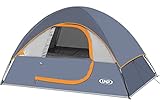
- Lightweight & Big Space: 7'L x 5' x 45"H. Spacious room for 2 adults.Standard size fits 1 full air mattress.And this 2 Person tent weighs just 4.8lb,it's very easy to carry.This tent perfect for outdoor camping, hiking,climbing,a kid’s indoor or backyard play tent, fishing, or shelter at the beach in all weather.
- Windproof & Rainproof: The camping tent is made of stronger tear-resistant polyester.It come with a removable rainfly and two zippers designed for keeping the rain outside the tent. The ropes of tent and piles ensure safety and stability.
- Comfortable Design: Skylight net and larger mesh window designed enhances breathability and comfortable. Interior storage pocket designed to keep your contents neat and organized, great ventilation and convenient for enjoying outdoor views and your free time.
- Easy To Set Up: The tents for camping that can be quickly assembled within 3 minutes and easily assembled by one person according to the procedures and instructions sewn inside the bag.
- What You Will Get: Please contact us if you have any issues.We promise you will get a satisfactory answer within 24h.
Food and water
- Meals and snacks for the trip
- Water bottles or containers suited to your group and access to refills
- A plan to refill or treat water if potable water is not provided
- Food-storage method required by the site
- Trash bags and any required food-waste packing supplies
Plan food and water around the number of people, conditions, activity and available facilities. There is no universal amount that fits every weekend. Confirm whether drinking water is available and safe to use at the destination; if it is not, decide before leaving how you will carry, refill or treat water. Follow local requirements for storing food and disposing of waste rather than assuming ordinary bags or containers are sufficient.
The American Red Cross advises at least a half-gallon of water per person daily in its summer camping safety guidance. Treat that as contextual advice, not a guaranteed safe quantity for every camper: weather, exertion and access to refills affect needs. For a remote trip, water planning deserves particular attention because you cannot rely on campground facilities.
Cooking and cleanup
- Camp stove and fuel, if cooking equipment is not supplied and stoves are allowed
- Ignition source compatible with your stove
- Cookware and utensils for the meals you plan to make
- Dish soap, sponge or other cleanup supplies, where appropriate
- Food storage that meets the site’s rules
Match cooking gear to the menu and facilities. If the campground supplies usable cooking equipment, do not pack a duplicate without a reason. If it does not, bring a stove and fuel only after confirming they are permitted. A fire is not a default cooking plan: local restrictions can change, and some sites do not allow fires. The NSW National Parks checklist includes cooking and cleanup planning, but rules and available facilities vary by location.
Free tools Windows power users keep installed
One-click scans. No signup required.
Light and power
- Headlamp or flashlight
- Spare batteries or a charged power source, as needed
Choose a light you can use when setting up or moving around in darkness. Check its charge or batteries before departure. A power source is conditional: bring one if your devices or lighting depend on it, rather than assuming every camper needs the same charging setup.
Rank #3

- 60 Seconds Set Up: You can set up the instant camping tent in under 60 seconds, thanks to its pre-installed poles and seamless construction. The quick and easy installation makes it the ideal companion for beginner campers, allowing you and your family to enjoy more time with nature
- Water-resistant & Windproof: The Camping tent is made from high-quality waterproof fabric. The bottom of the door zipper features a drainage channel, and the base is equipped with a tub-style drainage design. This not only effectively prevents water accumulation and leaks but also keeps insects out. The tent comes with sturdy tent stakes and adjustable guy lines, capable of withstanding winds of up to 35 mph
- Visibility & Ventilation: The tent for camping has mesh windows on all 4 sides, vents at the floor, and a mesh screen design at the ceiling, making the temperature inside the tent cooler in summer. Moreover, the windows and ceiling made of our mesh material let you experience the beautiful starry sky and the charming scenic nature on a quiet summer night
- Spacious Interior & Portable: This tent measures 120 in × 108 in. Industry standard: fits 6 people for sleeping only. Most comfortable: fits 3 people with camping gear. It can accommodate 1 Queen air mattress. Center height is 66 inches. The frame is sturdy yet lightweight at 16.8 lbs for easy portability
- Materials & Functional Design: The tent is equipped with SBS zippers, B3 mesh, and a carbon steel frame with protective sleeves. It includes a power cord entrance for external power access and built‑in mesh pockets for convenient small item storage
Health, hygiene and safety
- First-aid kit appropriate to the trip
- Regular prescription medication
- Toiletries and handwashing or cleanup supplies
- Sun and insect protection appropriate to the location and conditions
- Emergency contacts and communication provisions suited to the destination
Pack personal medication rather than expecting to obtain it near the campsite. The American Red Cross publishes a camping first-aid kit checklist to help campers prepare for common first-aid needs. Consider how quickly you could reach help and whether your planned communication method will work where you are going. Remote travel warrants a more deliberate emergency plan than a developed campground near services.
Navigation and optional extras
- Map and compass or GPS, if the route or remoteness calls for navigation tools
- Seating, games or comfort items, if space and transport allow
- Any equipment required by your planned activities
Navigation is not automatically part of every frontcountry overnight list, but the need rises with remoteness and route complexity. For wilderness trips, use the park’s route guidance to select suitable navigation tools and emergency provisions. Comfort extras are optional: decide whether their benefit justifies the space they take in your vehicle or pack.
Customize the list for your campsite
The fastest way to avoid both missing essentials and overpacking is to compare your checklist against the site’s facilities and rules, one category at a time. Do not remove equipment just because it is often supplied at campgrounds; confirm that it is available at yours.
Quick wins for a faster PC:
Repair Windows errors before they cause bigger problemsFix Now →Scan for outdated or missing drivers - takes under a minuteDriver Scan →| Question to check | If the site supplies or allows it | If it does not |
|---|---|---|
| Is potable drinking water available? | Plan containers and refills around the site’s actual access. | Plan how to carry or treat water before departure. |
| Are toilets available? | Pack hygiene supplies suitable for those facilities. | Find and follow the destination’s sanitation requirements. |
| Are tables or cooking facilities provided? | Pack only the equipment needed to use them and prepare your menu. | Bring the permitted cooking setup and necessary cookware. |
| Are fires or stoves allowed? | Follow current restrictions and the site’s conditions. | Do not plan meals around prohibited flames; choose an allowed alternative. |
| What are the food-storage rules? | Use the required method and bring food in a compatible form. | Confirm what storage is required rather than assuming a cooler or bag is enough. |
| Is the trip remote or on a route? | Carry navigation tools proportionate to the route. | Do not add a full wilderness kit solely because the trip is called camping. |
Facility details can vary between sites in the same park and may change with alerts or operating conditions. NSW National Parks recommends checking park alerts and weather and booking where its parks require it. Elsewhere, follow the relevant land manager’s instructions; the NSW booking rule does not apply universally.
Rank #4

- WeatherTec system's welded corners and inverted seams keep water from getting in
- Integrated rainfly improves airflow
- Double-thick Polyguard 2X fabric stands up to the elements season after season
- Instant setup in as fast as 1 minute
- Dimensions: 10 x 9 ft
Adjust for the forecast, activities and group
Let conditions determine clothing and sleep gear
Use the destination’s expected temperature and weather to select the sleeping bag, layers and rain protection. Then account for the activities: walking, relaxing at camp and other planned outings can call for different clothing and footwear. Keep the list flexible enough to reflect the forecast near departure instead of treating an old packing list as a prediction.
Fit shelter to the people and their gear
Count the people who will sleep in the tent and think about where their gear will go. A capacity label does not necessarily include room for bags or pets. Compare the available sleeping space with your group, expected weather protection, season suitability, packed size and weight, and setup effort. Those trade-offs matter especially when carrying the tent rather than transporting it by car.
Scale water, food and emergency planning to the route
Trip length is only one part of food and water planning. The group’s needs, activity, conditions and facilities matter too. In a campground with accessible drinking water, a refill plan may be enough; on a remote route, you need a deliberate method to carry or treat water. Similarly, navigation and emergency provisions should reflect remoteness, not simply the fact that you are spending a night outside.
Bring activity-specific items only when the plan calls for them
Add equipment required for the activities you will actually do, then check whether it is permitted and whether the group knows how to use it. This keeps the core list from growing into a catalogue of gear that may never leave the vehicle. If an activity changes the route, duration or distance from help, revisit navigation and emergency planning as well.
Best Value

- Roomy 4 Person Tent: Spacious design offers enough room for 4 people, with a size 8' x 7' x 72" (H), nearly straight walls, and a 72 inch center height to create generous space to stand up and move around
- 3 Minutes Set-Up for 2 Person: No particular skills are needed, one person also could set up the tent easily in 5 min. The camping tent weighs 13 lb, suitable for family car camping or camping sites
- Breathable Mesh Windows: This tent has 1 mesh door, 2 mesh windows & mesh tent top, which allows the breeze to come in, zippered access allows campers to adjust the vents from inside the tent mesh paneling and doors offer great views & ventilation
- Stable Structure: 4 steel leg poles, and a rectangular roof, make the tent more firmly, stable, and windproof for outdoor camping, hiking, and fishing in all weather
- Waterproof Protection: Features a top rainfly that provides waterproof coverage to keep you dry during rainy conditions while camping outdoors
Pack and check equipment before departure
- Confirm logistics: Check the reservation or access requirements, official site rules, facilities, current alerts, access conditions and forecast.
- Choose the trip setting: Mark the plan as car camping, established frontcountry camping or backcountry travel. Add navigation and emergency provisions according to remoteness.
- Build the core list: Work through shelter, sleep, clothing, food and water, cooking, light, health and hygiene, then navigation and extras.
- Mark what is supplied: For each facility, verify it against current site information before removing the matching item from your pack list.
- Inspect gear: Check unfamiliar equipment before departure, and confirm that shelter components and cooking gear are ready for use.
- Pack and tick off: Check each item as it goes into the vehicle or pack. The National Park Service’s Rocky Mountain National Park wilderness checklist specifically recommends checking gear as it enters the pack.
- Recheck the final conditions: Review weather and destination notices close to departure and adjust clothing, water planning or the route plan if needed.
For car camping, keep the checklist grouped by task so cooking, sleeping and safety gear are easy to find. For a carried trip, the same categories still help, but every item must earn its place based on the route and requirements. The NPS wilderness planning checklist is more relevant to remote travel than a basic campground list; do not assume its full provisions are necessary for every drive-up weekend.
Common checklist mistakes and how to prevent them
- Assuming facilities exist: A campground name does not establish whether water, toilets, tables or cooking equipment are available. Check the particular site’s information.
- Packing for a fire without checking rules: Fire and stove restrictions can determine what cooking plan is possible. Confirm current rules and have an allowed alternative.
- Using one sleep setup for every destination: Select a sleeping bag and other sleep gear for expected conditions and personal comfort.
- Taking a capacity label literally: Tent capacity describes sleeping space; it may not leave room for gear or pets.
- Using a fixed water quantity as a guarantee: The Red Cross’s half-gallon-per-person-per-day summer advice is contextual. Conditions, exertion and refills affect individual plans.
- Overpacking for a frontcountry trip: A wilderness checklist is not automatically the right baseline for a developed campsite. Add more self-sufficiency as the trip becomes more remote.
- Skipping the gear inspection: Unfamiliar or unchecked equipment can leave you short a setup component. Inspect it and tick items off as they are packed.
- Forgetting medication or food storage: Put regular prescriptions and the site’s required food-storage method directly on the list instead of relying on memory.
Use this short version on packing day
Once you have customized the full list, this compact check can catch major omissions:
- Sleep: Shelter and setup parts; temperature-appropriate sleep gear.
- Eat and drink: Food, containers, cooking equipment if needed and permitted, and a water plan.
- Stay comfortable: Clothing and rain protection for the forecast and activities; light for darkness.
- Stay well: First aid, prescriptions, hygiene supplies and relevant sun or insect protection.
- Follow the plan: Reservation or access information, site rules, route and emergency preparation appropriate to the setting.
Check off each item as it is packed, then verify the destination’s latest conditions before you go. That is more reliable than treating any generic camping list as complete.
Crashes, No Sound, or Screen Glitches?
Random freezes, missing sound and display glitches usually trace back to one bad driver. Find and replace yours safely.Free scan · under a minutePC Slower Than It Used to Be?
A free scan shows the junk files, broken settings and background clutter dragging Windows down - then fixes them in one click.Free scan · Windows 10 & 11Quick Recap
Product prices and availability are accurate as of the date/time indicated and are subject to change. Any price and availability information displayed on Amazon at the time of purchase will apply.




