“Flicking the acetyl switch” refers to a 2008 laboratory method for placing acetyllysine at a chosen position in a protein. Researchers used engineered Escherichia coli to make recombinant proteins with this specific modification, creating a way to test what acetylation does at that site—not a universal switch for turning genes or proteins on.
What acetylation means in this study
Acetylation is a chemical modification of a protein. The 2008 work focused on Nε-acetyllysine, an acetylated form of the amino acid lysine. The researchers’ aim was to investigate the effects of this modification by making proteins that carried it at a selected position.


As an Amazon Associate I earn from qualifying purchases.
The study is relevant to histones, proteins around which DNA is wound, and to questions about how acetylation may affect chromatin and DNA-related processes. But acetylation is not established here as a simple, universal “on” switch: the effect depends on the protein and the specific site being studied.
Free tools Windows power users keep installed
One-click scans. No signup required.
How the researchers inserted acetyllysine
In ordinary protein synthesis, transfer RNAs help match genetic codons with amino acids. Neumann, Peak-Chew, Chin and colleagues adapted this system using an evolved orthogonal Nε-acetyllysyl-tRNA synthetase and its matching tRNACUA. They placed an amber stop codon at the chosen position in a target protein’s coding sequence; the engineered pair could then direct acetyllysine to that position as the protein was made in E. coli.
#1 Best Overall
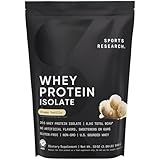
- LEAN MUSCLE POTENTIAL: Each scoop of Sports Research U.S. sourced Whey Protein Powder contains 25g of protein and 6.9g of BCAAs for a standout way to build and maintain lean muscle and support—free of xantham gum and artificial sweeteners.*
- NUTRIENT-RICH INGREDIENTS: Our whey isolate protein powder is non-GMO verified, gluten-free & soy-free, and enhanced with Vitamin D, and 1,000mg of L-Leucine, with only 150 calories and less than 1g of sugar per serving.
- SHAKE, BLEND & BAKE: Our formula with easily-mixable whey is made to prevent clumping, making it perfect for a protein shake or as a smoothie protein powder. It can serve as added protein for baking or as an extra protein boost in coffee creamer.
- RICH VANILLA TASTE: Formulated using natural flavors, our Whey Protein Powder is available in a delicious creamy vanilla flavor we know you’ll love. It’s a flavorful boost to any recipe or routine.
- THE SPORTS RESEARCH DIFFERENCE: Founded in 1980, Sports Research is a family-owned business born from a passion for fitness and wellness. Our goal is to embrace the sport of life research-backed products created for every body–inside and out.
“Orthogonal” means the engineered pair was designed to operate alongside the host’s usual translation machinery without being confused with its normal amino-acid and tRNA assignments. The demonstration showed that researchers could produce recombinant proteins bearing acetyllysine at selected sites. It did not establish that the method recreated every natural pattern of protein acetylation, or that it would work equally well for every protein or organism.
Why putting the modification at a chosen site matters
To understand what a modification does, researchers need to separate its effect from other differences between protein samples. Making acetyllysine at a specified position gives them experimental control: they can study the consequences of that modification at that site rather than treating acetylation as one undifferentiated event.
The Chemistry World report described this as a way around the difficulty of preparing proteins acetylated at a chosen position. It gave no quantified comparison of the method’s yield, accuracy, cost or speed, so the work should be understood as demonstrating a research capability, not a measured improvement on those terms.
Recommended Free Tools
What “Flicking the acetyl switch” does—and does not—claim
The phrase is a metaphor for the role chemical modifications can play in regulating cellular processes. The work did not show that acetylation always activates a protein or a gene. Instead, it offered a means to test how acetyllysine at a particular position affects a particular protein.
Rank #3
The primary paper, “Genetically encoding Nε-acetyllysine in recombinant proteins,” was published online on 17 February 2008 in Nature Chemical Biology. The Chemistry World news report followed on 18 February 2008. These dates matter: this article describes a specific historical demonstration, not a claim about how routinely the technique is used today.
Independent reader supportYour contribution helps us test, update, and keep practical guides available for everyone.Why the method drew interest
Louis Mahadevan of the University of Oxford’s department of biochemistry told Chemistry World: “If the method finds its way into routine usage, it could be extremely useful, and would enable experiments to be carried out that have previously not been possible.” His conditional comment captured the potential value of the technique; it is not evidence that it became routine.
Read the original coverage in Chemistry World’s 2008 report and the primary paper in Nature Chemical Biology.
Quick wins for a faster PC:
Clear out junk files and repair common Windows errorsFree Scan →Fix the driver behind crashes, sound loss and screen glitchesFind Drivers →Repair Windows errors before they cause bigger problemsFix Now →Quick Recap
Best Value
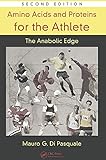
- Used Book in Good Condition
Product prices and availability are accurate as of the date/time indicated and are subject to change. Any price and availability information displayed on Amazon at the time of purchase will apply.




