Do these 3 things before closing this tab:
1Scan for outdated or missing drivers - takes under a minute2Repair Windows errors before they cause bigger problems3Fix the driver behind crashes, sound loss and screen glitchesMost performance running shoes are expected to last about 300 to 500 miles (roughly 483 to 805 kilometers), according to guidance from Brooks and ASICS. That range is a reminder to begin checking a pair—not a guaranteed expiration point. A shoe at 250 miles can be worn out if it has been used heavily on rough surfaces, while another may still feel supportive beyond 500 miles.
Replace a pair when mileage is accompanied by clear changes: smooth or damaged tread, exposed foam, compressed cushioning, tears or fraying in the upper, uneven wear, or a flatter and less supportive ride. New soreness after an otherwise unchanged routine is a reason to reassess the shoes, but it does not prove that the shoes caused an injury.
As an Amazon Associate I earn from qualifying purchases.
What the 300-to-500-mile guideline actually means
Brooks’ current Help Center guidance says, “Performance running shoes typically last 300 to 500 miles.” ASICS gives the same broad range and emphasizes that running style, frequency and terrain affect wear. Both statements are manufacturer guidance, not a laboratory-derived service-life guarantee for every runner, model or surface.
What’s actually slowing this PC down?
Pick the symptom - the matching free tool is one click away.
Use the range as a checkpoint. Start inspecting a pair more deliberately as it approaches 300 miles, and do not assume that reaching 500 miles automatically makes it unsafe or unusable. The condition of the individual shoe is more informative than the odometer alone.
#1 Best Overall

- FRESH FOAM CUSHIONING — Precision-engineered Fresh Foam midsole cushioning helps deliver an ultra-cushioned, lightweight ride for everyday running and all-day wear
- BREATHABLE MESH UPPER — Breathable engineered mesh and synthetic materials help create a lightweight, versatile running shoe built for daily comfort
- EVERYDAY RUNNING SHOE — Designed for everyday running and all-day wear, this men’s running shoe offers soft cushioning with neutral support
- LIGHTWEIGHT RIDE — Weighing only 260.8 grams, this design helps keep the shoe light on foot without sacrificing cushioned comfort for regular activity
- SECURE LACE-UP FIT — Traditional lace closure helps create an adjustable fit, while the 10 mm heel-to-toe drop* gives the shoe a familiar running profile
| Mileage situation | How to interpret it | What to do |
|---|---|---|
| Below 300 miles | Often still within the commonly cited service window, but mileage does not rule out early wear. | Inspect the tread, midsole and upper if the ride has changed or the shoes have had unusually demanding use. |
| About 300–500 miles | The range Brooks and ASICS cite for performance footwear; it is a prompt for closer checks. | Record the pair’s mileage and perform a complete visual and feel-based inspection. |
| Beyond 500 miles | Not automatically failed, but the likelihood of visible or felt wear deserves particular attention. | Replace if cushioning, support, tread or upper condition has materially deteriorated. |
There is no established mileage at which replacement prevents injuries. The available guidance supports inspection and reassessment, not a promise that changing shoes at a specific number will avert pain or injury.
Why one pair lasts longer than another
Several factors change how quickly a shoe’s materials lose their original properties:
- Terrain: Abrasive roads, rough paths and uneven surfaces can wear outsole rubber and increase stress on the midsole.
- Frequency and distance: A runner who uses one pair for frequent, long sessions accumulates loading cycles faster than someone who runs occasionally.
- Running style: Foot-strike pattern, braking forces, cornering and gait asymmetry can produce localized wear.
- Construction: Foam formulation, rubber coverage, upper materials and the shoe’s intended use affect durability. More cushioning does not automatically mean a longer life.
- Non-running use: Brooks notes that sustained walking or work use can break down mesh and cushioning, even when the recorded running mileage is modest.
Because these variables differ, two pairs with identical mileage can have very different remaining life. Compare both shoes, not just the calendar or a manufacturer’s headline number.
The Tool Desk
Outbyte Driver Updater FREEFix the driver behind crashes, sound loss and screen glitchesFind Drivers →Outbyte PC Repair FREERepair Windows errors before they cause bigger problemsFix Now →Rank #2
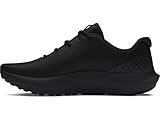
- Breathable mesh upper with synthetic overlays for added structure & support
- Enhanced cushioning around ankle collar for superior comfort
- Deluxe Comfort System sockliner molds to your foot for ultimate step-in comfort
- Charged Cushioning midsole provides all day comfort with responsiveness & durability
- Durable rubber outsole provides traction & durability with flexibility where you need it for toe-off
How to inspect a pair before deciding
Perform the following check in good light. Compare the left and right shoes with each other and, if possible, with how they looked when new.
- Examine the outsole tread. Look for lugs or rubber that have become smooth, worn through or visibly thinner in high-contact areas. If the rubber is gone and foam is exposed, the outsole is no longer in its normal condition.
- Inspect the midsole. Search for deep creases, sections that look permanently compressed, or foam that collapses easily when you press it. A visibly tilted or collapsed midsole can indicate uneven breakdown.
- Check the upper. Look for tears, fraying, stretched panels, broken overlays and holes. Damage that allows the foot to move differently from when the shoe was new is a practical replacement cue.
- Compare left and right wear. Strongly uneven tread or midsole compression can show that one shoe is no longer providing the pair’s usual balance.
- Assess the ride. During an easy run or walk, notice whether the shoes feel flatter, less supportive or materially different from their earlier feel. Do not force a test run if the shoe is visibly failing or painful.
No single mark is mandatory. A pair may need replacement because of one severe problem—such as a torn upper or exposed foam—or because several moderate changes add up to a noticeably different shoe.
Signs that a running shoe is worn out
| Sign | What it can indicate | Decision implication |
|---|---|---|
| Smooth or worn-through tread | Loss of outsole material and potentially reduced traction. | Replace when the wear affects grip, stability or the shoe’s normal contact pattern. |
| Foam visible through the outsole | The protective rubber layer has been breached. | Treat as a strong reason to retire the pair for running. |
| Permanent creases or compressed foam | Midsole material is no longer rebounding as it did when new. | Replace if compression is substantial or the ride feels flat. |
| Upper tears, holes or fraying | The foot-holding structure or fit may be changing. | Replace when damage affects fit, security or comfort. |
| Uneven collapse or wear | One side of the pair is deforming differently from the other. | Reassess support and stability; replacement is sensible if the imbalance is pronounced. |
| Flatter, less supportive ride | A felt change in cushioning or guidance, even if damage is not obvious. | Use the change in feel together with mileage and visual evidence to decide. |
Track mileage instead of guessing
Record mileage separately for each pair. A note in a running app, spreadsheet or phone reminder is enough. Enter the date a pair starts service, add each run’s distance, and include walking or work use when that activity is substantial. If you share shoes between surfaces, note the route type as well.
Rank #3
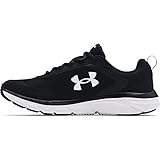
- Lightweight mesh upper with 3-color digital print delivers complete breathability
- Durable leather overlays for stability & that locks in your midfoot
- EVA sockliner provides soft, step-in comfort
- Charged Cushioning midsole uses compression molded foam for ultimate responsiveness & durability
- Solid rubber outsole covers high impact zones for greater durability with less weight
Mileage tracking is a reminder system, not a condition sensor. It helps you schedule inspections near the 300-to-500-mile range, but it cannot account perfectly for terrain, gait, storage history or non-running wear. A pair that was used daily for work may deserve inspection earlier than its running log suggests.
What changes in comfort and soreness tell you
A shoe that suddenly feels harder, flatter, less stable or less supportive deserves attention. The same is true of new soreness when your training volume, terrain and technique have not otherwise changed. Compare the sensation with the shoes’ visual condition and mileage rather than treating it as a diagnosis.
These signs do not establish that the footwear caused a particular injury. Running discomfort can have many explanations, including training load, surface, technique and health factors. Stop or modify activity and seek qualified medical advice for persistent, severe or worsening pain; do not keep testing a visibly damaged pair to reach a mileage target.
Rank #4

- FRESH FOAM MIDSOLE - Soft Fresh Foam cushioning delivers a responsive, comfortable ride that absorbs impact mile after mile on the road
- BREATHABLE MESH UPPER - Lightweight mesh with suede and knit accents promotes airflow and keeps feet cool during runs and daily wear
- NO-SEW CONSTRUCTION - Smooth no-sew overlays reduce irritation and keep weight down while adding midfoot structure and lasting support
- DURABLE RUBBER OUTSOLE - Reliable rubber outsole provides steady traction on roads and sidewalks for confident strides in any condition
- 6MM HEEL-TO-TOE DROP - A 6mm drop encourages a natural running gait for comfortable, efficient movement at just 9.5 oz per shoe
Daily trainers and racing shoes: compare purpose, not promises
When selecting a replacement, first match the shoe to the job. A durable daily trainer and a lightweight racing shoe are built around different priorities, so their mileage should not be compared as though they were identical products.
| Comparison point | Daily training shoe | Specialized racing shoe |
|---|---|---|
| Primary use | Regular training across the runner’s usual routes. | Races or selected high-performance sessions. |
| Construction priority | Typically balances comfort, fit and repeated-use durability. | May prioritize low weight and racing performance; construction varies by model. |
| How to judge wear | Use tread, midsole, upper and ride checks alongside mileage. | Use the same checks, while recognizing that a specialized design may show different wear patterns. |
| Expected mileage | No exact life is established beyond the broad 300–500-mile guidance. | No universal life is established; do not assume a racing shoe reaches the same mileage as a daily trainer. |
Fit and comfort remain individual. The available evidence does not show that one category or cushioning level is best for every runner. Choose a shoe that suits your foot, route and intended sessions, then judge its durability by observed condition rather than by foam marketing or brand reputation.
What a 2026 racing-shoe study does—and does not—show
A 2026 arXiv preprint from authors affiliated with Stanford University’s Department of Mechanical Engineering and the Wu Tsai Human Performance Alliance tested foam from one elite-level racing shoe when new and after 300 miles of real-world use. In that narrow sample, the authors reported that “despite 300 miles of real-world use, the foam retains its mechanical response across all three loading modes and shoe regions.”
Best Value

- THIS MEN'S SHOE IS FOR: Runners or walkers focused on improving their fitness, the Revel 8 offers a smooth, distraction-free ride to power through your workouts. Its unique mesh upper combines style and performance, giving you the casual look you want without compromising on the support and comfort you need. This Brooks Revel 8 has been granted the APMA Seal of Acceptance. Predecessor: Revel 7.
- ENGINEERED FOR COMFORT: Adaptable DNA Loft v2 cushioning provides underfoot comfort for any activity that adapts to your stride, weight, and speed to help protect you by deflecting impact away from your body.
- BREATHABLE MESH UPPER: The updated engineered mesh upper offers superior structure, a sleek design, and enhanced breathability, keeping your feet cool and comfortable during every run or workout.
- ROADTACK OUTSOLE: The RoadTack rubber outsole is lightweight, durable, and designed for optimal rebound, providing superior traction and responsiveness to keep you moving with confidence.
- VERSATILE DESIGN: A sleek design that’s ready for both your toughest workouts and casual outings, effortlessly transitioning from run to rest while maintaining a stylish, modern edge.
This result is useful evidence that one racing shoe’s foam can retain much of its measured mechanical response after 300 miles. It is not a lifespan estimate for all racing shoes, a comparison of brands or foams, or a clinical study of runners and injuries. It also does not eliminate the need to inspect the outsole, upper and complete shoe: a foam sample can test well while another component or the fit has deteriorated.
A practical replacement decision
Use this sequence when a pair approaches the commonly cited range or begins to feel different:
- Check the log. Confirm the pair’s running mileage and add significant walking or work use.
- Inspect both shoes. Photograph the outsole, midsole and upper if you want a dated record for comparison.
- Identify the strongest warning sign. Exposed foam, a torn upper, severe collapse or a clearly unstable ride weighs more than a small cosmetic scuff.
- Consider the routine. If training and terrain are unchanged but discomfort or loss of support appeared, move the shoes higher on the replacement list.
- Choose the next pair by use. Match intended purpose, fit, comfort and terrain; do not select solely by maximum cushioning or a mileage claim.
- Retire decisively when function is gone. Do not continue running in a pair that no longer holds the foot securely, provides its usual support or offers reliable traction.
Common mistakes to avoid
- Replacing by mileage alone: A number cannot reveal tread loss, foam collapse or upper damage.
- Waiting for a dramatic failure: Shoes often become less supportive gradually, so a changed ride can matter before a hole appears.
- Blaming every ache on footwear: New soreness is a prompt to reassess, not proof of causation.
- Assuming more foam equals more life: Cushioning amount alone does not establish durability.
- Ignoring non-running wear: Work and walking use can consume mesh and cushioning without appearing in a run log.
- Comparing unlike shoes: A racing shoe and a daily trainer serve different purposes; compare each with its own use pattern and condition.
Bottom line
Begin checking performance running shoes as they approach 300 miles, and continue using them only while the tread, midsole, upper and ride remain in good condition. Replace the pair when wear or a meaningful loss of support outweighs the remaining mileage on the log. The 300-to-500-mile figure is a useful reminder, not a promise, deadline or injury-prevention rule.
Quick Recap
Product prices and availability are accurate as of the date/time indicated and are subject to change. Any price and availability information displayed on Amazon at the time of purchase will apply.




