The Tool Desk
Outbyte PC Repair FREERepair Windows errors before they cause bigger problemsFix Now →Outbyte Driver Updater FREEScan for outdated or missing drivers - takes under a minuteDriver Scan →Espresso flavor depends on the coffee and on how the shot is extracted. Grind size is a practical way to change the shot’s flow and extraction; water temperature can change which compounds are extracted; and coffee variety and processing contribute their own sensory characteristics. These controls interact, so there is no single grind setting or temperature that is best for every bean, grinder, dose, and recipe. The most reliable approach is to change one variable at a time, taste the result, and keep notes.
What changes espresso flavor?
A shot is the result of several linked choices, not a flavor setting on the machine. The coffee supplies its own characteristics, while grind and brewing conditions influence what ends up in the cup. Adjusting one control may also change the shot’s flow or extraction, so a recipe that works for one coffee may not suit another.
As an Amazon Associate I earn from qualifying purchases.
It helps to separate three questions: what flavor characteristics the beans bring, how the recipe extracts them, and whether the resulting shot is strong or extracted to a particular degree. Strength and extraction yield can help describe a shot, but neither is itself a flavor. A change that improves one measurable value is not automatically a taste improvement.
Research on espresso temperature profiles found that changing temperature could increase or decrease extraction of some compounds and highlight or mask sensory attributes. The effects depended on the coffee variety tested. That finding argues for dialing in a specific coffee rather than relying on a universal rule such as “hotter is better.”
#1 Best Overall

- INTENSITY AND ROAST: With a 5/10 intensity, this fragrant medium roast offers a sweet and aromatic finish
- PREPARATION: Ideal for espresso machines, moka pot, drip coffee machines, or French press.
- LAVAZZA ESPRESSO: A 2.2 lb whole bean coffee bag ideal for espresso or drip preparation (pack of 1)
- INGREDIENTS: Lavazza Espresso contains only coffee and is produced in facilities that exclusively make coffee
- BLEND: A 100% Arabica, naturally caffeinated blend sourced from South America and Africa
How does grind size affect espresso?
Grind size is a practical extraction control. Changing it can alter how water moves through the coffee and the resulting extraction, which can change the cup. But there is no universally correct setting: the appropriate adjustment depends on the grinder, coffee, dose, and recipe.
Use the grinder as a way to steer shot behavior, not as a flavor dial with guaranteed outcomes. If a shot runs differently after a grind adjustment, that is useful evidence about the setup. Taste it as well. A change in flow alone does not tell you whether the cup is more balanced or more enjoyable.
A controlled way to adjust grind
- Choose a repeatable recipe. Keep the coffee dose and the amount of espresso you aim to produce consistent while you compare shots. If several variables move at once, you will not know which change mattered.
- Make a small grind adjustment. Record the direction and setting, then prepare another shot using the same coffee and recipe. Grinder markings are not universal measurements, so treat them as notes for your own grinder.
- Observe the shot and taste it. Note whether the shot’s flow changed and whether its flavor improved, worsened, or changed in a way you prefer. Do not assume that a slower or faster shot is automatically better.
- Keep or reverse the change. If the result is preferable, keep the setting and make the next adjustment only if needed. If not, return to the previous setting or test a different small adjustment.
This is a practical method for learning how your particular coffee and equipment behave; it is not a guaranteed recipe for a named taste. The available espresso evidence does not establish a rule such as “finer always tastes sweeter.”
Free tools Windows power users keep installed
One-click scans. No signup required.
What does water temperature do?
Temperature affects extraction dynamics, but its effect on flavor is not captured by one number that applies to every coffee. A peer-reviewed 2016 espresso study compared extraction at a fixed 90°C with rising and falling temperature profiles. The profiles were 88–93°C and 93–88°C, respectively. Researchers tested Robusta, natural Arabica, and washed Arabica, and reported that temperature profiles could increase or decrease the extraction of some compounds and highlight or mask sensory attributes. The observed effects varied with the coffee. Read the study abstract on PubMed.
Rank #2
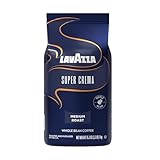
- SUPER CREMA: A 2.2 lb whole bean coffee bag ideal for espresso preparation
- INTENSITY AND ROAST: This full-bodied medium roast offers a bold and creamy finish
- BLEND: Made from Arabica and Robusta beans, this naturally caffeinated blend is sourced from 15 coffee-growing countries around the world
- PREPARATION: Ideal for espresso preparation.
- BREWING GUIDE FOR SINGLE ESPRESSO: 0.28 oz of ground espresso delivers a 1 oz espresso shot
That study is evidence that temperature profiles can matter in espresso, not a prescription to use one profile or a claim that one temperature is best. The researchers tested particular coffees and conditions; a home setup may not offer programmable temperature profiling, and the reported results do not establish the ideal setting for every bean.
Why drip-coffee temperature findings are different
UC Davis Coffee Center research also examined drip coffee brewed at 87°C, 90°C, and 93°C. In the controlled comparisons, other parameters were adjusted to reach comparable brew strength and extraction. The research summaries report little or no appreciable sensory impact from temperature alone under those matched conditions. This is useful context, but it is not espresso evidence: the brew method and experimental question differ. The Specialty Coffee Association’s summary of the drip-brewing study and the UC Davis Coffee Center publications list describe that work.
The distinction is important. Temperature can influence extraction as a shot is made; when researchers adjust other drip-brewing parameters so the final strength and extraction are comparable, temperature alone may have little sensory impact in those conditions. Neither result cancels the other, and the drip results should not be used to claim that espresso temperature profiles have no effect.
What’s actually slowing this PC down?
Pick the symptom - the matching free tool is one click away.
How do the beans affect the cup?
Beans are not interchangeable raw material. The espresso temperature-profile study tested Robusta, natural Arabica, and washed Arabica, and reported sensory and physicochemical differences associated with both coffee variety and temperature profile. The result supports treating coffee type and processing as relevant to flavor; it does not rank the varieties or identify a universal winner. The study abstract describes its scope.
Rank #3
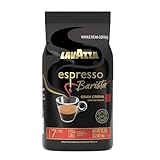
- One bag of 2.2lb Lavazza Espresso Barista Gran Crema Whole Bean Coffee Blend
- Roast: Dark
- Intensity: 7/10
- Taste: Full-bodied
- Aromatic Notes: Honey and roasted coffee
Roast is another characteristic readers often want to use as a shortcut. UC Davis/SCA research summaries discuss drip-brew sensory outcomes in relation to roast level, total dissolved solids (TDS), and extraction yield. Those findings are about drip coffee. They do not establish that one roast level is best for espresso. UC Davis’s publications list and the SCA account of the brew-temperature and sensory research provide that drip-brew context.
For a practical comparison, taste a coffee as espresso before deciding whether it suits you. If you switch beans, return to your usual repeatable recipe and dial in again: a setting that worked with the previous coffee is not evidence that the new coffee will behave identically. Keep the coffee type, processing, and roast information with your tasting notes so you can distinguish a bean change from a recipe change.
How should you diagnose a shot that tastes wrong?
Flavor descriptions are clues, not diagnoses. “Sour,” “bitter,” or “thin” does not prove that one particular variable is wrong. The coffee itself, the grind, temperature, and the resulting extraction can all affect the result. Use a deliberate comparison rather than changing several things at once.
A simple dialing-in sequence
- Start with a consistent baseline. Choose a dose and target output you can repeat. Record the coffee and its roast or processing details if known, as well as your grinder setting and machine temperature setting.
- Taste before adjusting. Write down what you notice in plain language: for example, whether the shot seems sharp, harsh, muted, or thin. These descriptions help you compare cups; they do not identify a cause on their own.
- Adjust grind first if you need to change shot behavior. Make one small change, repeat the recipe, and compare both flow and taste. Keep the change only if it moves the cup toward your preference.
- Change temperature only when your machine allows a controlled test. Keep other recipe choices steady and compare shots. If the machine cannot reliably set or hold different temperatures, do not treat an assumed temperature change as a meaningful experiment.
- Reassess when you change coffees. A new variety, processing method, or roast is a new starting point. Do not carry over the old setting as though grind and temperature had been proven correct for the new coffee.
- Keep a short log. Note coffee, setting changes, shot behavior, and taste. Repeat a promising result before deciding it was an improvement; this helps avoid mistaking an inconsistent shot for a reliable effect.
For a sour-tasting shot, a different grind or extraction outcome may be worth testing; for a bitter-tasting shot, a different setting or temperature may be worth testing. Treat both as hypotheses, not guaranteed fixes. The evidence here does not support a universal mapping from a flavor word to one adjustment.
Rank #4

- PREMIUM WHOLE BEAN COFFEE—Starbucks delivers exceptional coffee cup after cup with this 18-ounce bag of Espresso Roast dark roast whole bean coffee
- STARBUCKS ESPRESSO ROAST COFFEE—A classic and time-honored dark roast with notes of rich molasses and caramel that’s perfect for making classic espresso drinks
- FRESH TASTE—Starbucks adheres to the highest quality standards—shipping you the same carefully roasted 100% arabica coffee beans we brew in our cafés
- MAKE IT YOUR OWN—An everyday cup no matter how you brew it, Starbucks whole bean coffee can be ground and used for a variety of brewing methods, including drip brewer, coffee press, pour-over and moka pot
- ETHICALLY SOURCED—Starbucks is committed to 100% ethical coffee sourcing in partnership with Conservation International
What do espresso recipe numbers actually tell you?
Published numbers can help describe a recipe, but they need their context. An SCA article reports results from a 2017 survey of 275 barista respondents: the average brew ratio was 1:2 and the average extraction pressure was 8.5 bars. These are survey averages, not standards or recommendations for every coffee. The SCA article explains the survey and espresso definitions.
The same article reproduces a heritage SCAA definition of espresso: “a 25–35ml (.85–1.2 ounce [×2 for double]) beverage prepared from 7–9 grams (14–18 grams for a double) of coffee through which clean water of 195°–205°F (90.5°–96.1°C) has been forced at 9–10 atmospheres of pressure, and where the grind of the coffee is such that the brew time is 20–30 seconds.” This is a historical definition reproduced in the article, not a current mandatory standard or proof that its ranges produce the best flavor for every recipe.
Strength and extraction yield are also useful context, but beware of importing drip-brew results into espresso. In one SCA account of UC Davis drip research, 433 batches and 4,158 cups were tasted. In those drip tests, sourness was strongest around 16% extraction yield and 1.5% TDS, while brown-roast flavor was strongest around 24% extraction yield and 1.5% TDS. These figures describe that drip research, not target values for espresso. The SCA account gives the methods and scope.
Do these 3 things before closing this tab:
1Repair Windows errors before they cause bigger problems2Fix the driver behind crashes, sound loss and screen glitches3Clear out junk files and repair common Windows errorsA separate SCA report on black drip coffee says 118 consumers took part and that preference varied mostly with TDS; water temperature did not significantly affect liking for the preference clusters in that study. This concerns consumer preference for black drip coffee, not a test of espresso drinkers or espresso recipes. Read the SCA report on consumer preferences.
Best Value

- 32 oz Bag of Gaviña Old Havana Espresso Whole Bean Coffee — freshly packed to preserve peak flavor and aroma. Grind fresh for a truly rich espresso experience.
- Designed for brewing rich espresso at home, this blend works beautifully in espresso machines, moka pots, and other specialty brewers.smooth and balanced.
- Crafted from 100% Arabica beans, Old Havana Espresso offers a medium-dark roast with a nutty, sweet profile and subtle citrus notes, finishing smooth and balanced.
- Roasted, blended, and packed at our state-of-the-art facility in Los Angeles, California. Our Direct Impact Initiative ensures ethical sourcing and sustainability.
- Café Gaviña is a family-owned roaster with over 140 years of coffee expertise — delivering authentic Latin espresso flavor and unmatched quality across generations.
How to use the evidence without turning it into a rulebook
Two useful principles emerge. First, control the variables you can repeat and judge the cup, not just the measurements. Second, keep findings attached to the method that produced them: the espresso temperature-profile experiment supports a temperature effect under its tested conditions, while the matched-strength temperature findings and the named TDS, extraction-yield, and consumer-preference figures come from drip coffee research.
William Ristenpart, director of the UC Davis Coffee Center, described the drip-brew findings this way: “Brew time, grind size, and brew temperature are all tremendously important for coffee brewing—but our data strongly indicate that they are important because they affect what TDS and extraction percentage you get, not because they intrinsically alter the coffee (at least over the range of temperatures tested here).” The qualification matters: he was discussing the drip-brew study and its tested temperature range, not making a universal claim about espresso. The SCA interview gives the context.
In another UC Davis explanation of the drip-brew control chart, Ristenpart noted that the same beans could reach different areas of the chart depending on grind and extraction and consequently taste differently. That illustrates why recipe changes can affect the cup; it is not a controlled espresso result. UC Davis describes the brewing-control-chart work.
For an espresso you enjoy, the useful endpoint is not compliance with a survey average or a number borrowed from drip brewing. It is a repeatable recipe for the coffee in your grinder, adjusted through careful tasting.
Quick Recap
Product prices and availability are accurate as of the date/time indicated and are subject to change. Any price and availability information displayed on Amazon at the time of purchase will apply.




