Do these 3 things before closing this tab:
1Fix the driver behind crashes, sound loss and screen glitches2Clear out junk files and repair common Windows errors3Scan for outdated or missing drivers - takes under a minuteSamsung’s Fan Edition phones are built around a simple promise: deliver much of the flagship Galaxy S experience at a lower price. The Galaxy S24 FE follows that formula closely, but it arrives with a larger display, a newer chipset, longer software support, and refinements that may make it feel more future-proof than the Galaxy S23 FE.
At the same time, many of the fundamentals remain familiar. Both phones share the same broad design language, similar camera hardware, comparable charging speeds, and the same FE positioning between Samsung’s midrange and premium devices. That makes the comparison less about dramatic reinvention and more about whether the S24 FE’s upgrades meaningfully improve daily use.
As an Amazon Associate I earn from qualifying purchases.
For anyone choosing between the two—or wondering whether to upgrade from the S23 FE—the differences in performance, battery life, display quality, camera processing, and long-term update value matter most. The S24 FE is the newer and more capable option, but the S23 FE can still make sense if the price is right.
Design and Build: Familiar FE Formula With Subtle Refinements
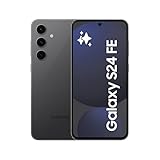
The Galaxy S24 FE does not reinvent the Fan Edition look. It stays very close to the Galaxy S23 FE’s formula, with a flat display, flat rear panel, rounded corners, and three separate camera rings stacked vertically on the back. If you have seen Samsung’s recent Galaxy S and A-series phones, both FE models fit neatly into that wider design language. The newer model simply looks a little cleaner and more current, mostly because of its larger footprint, slimmer bezels, and more polished proportions.
#1 Best Overall

- 6.7" Dynamic AMOLED 2X FHD+, 120Hz Adaptive Refresh Rate, 1900nits Peak brightness, 1080x2340px, 4700mAh Battery, Android 14, One UI 6.1
- 128GB, 8GB RAM, No SD Card Slot, Exynos 2400e (4nm), 10-core CPU, Xclipse 940 GPU, Bluetooth 5.3
- Rear Camera: 50MP, f/1.8 (wide) + + 12MP, f/2.2 (ultrawide) + 8MP, f/2.4 (telephoto), 3x Optical Zoom, Front Camera: 10MP, f/2.4
- CDMA 800/1900, 3G: HSDPA 850/900/1700(AWS)/1900/2100, CDMA2000 1xEV-DO, 4G LTE: 1/2/3/4/5/7/8/12/17/18/19/20/25/26/28/32/38/40/41/66, 5G: 1/2/3/5/7/8/12/20/25/26/28/38/40/41/66/75/77/78 SA/NSA/Sub6 - Nano-SIM and eSIM
- US Model. Compatible with Most GSM and CDMA Carriers like T-Mobile, AT&T, MetroPCS, etc. Will Also work with CDMA Carriers Such as Verizon, Straight Talk.
In hand, the biggest difference is size. The Galaxy S24 FE moves up to a larger body to accommodate its bigger 6.7-inch display, while the Galaxy S23 FE is more compact with a 6.4-inch panel. That makes the S23 FE easier to use one-handed and more pocket-friendly, especially for users coming from older smaller Galaxy phones. The S24 FE feels more like a large-screen flagship alternative, better suited to people who watch video, game, or multitask often, but it is also less convenient if you prefer a phone that disappears in your hand.
Materials remain reassuringly premium for the price tier. Both phones use an aluminum frame and glass on the front and back, avoiding the plastic-backed feel of some mid-range devices. The Galaxy S24 FE has Gorilla Glass Victus+ on both the front and rear, while the Galaxy S23 FE also offers a solid glass-and-metal construction. Neither phone feels cheap, though the S24 FE benefits from the newer finish and slightly more refined frame treatment. The weight is still noticeable on both, so these are not ultra-light phones, but the heft contributes to a sturdy, dense feel.
Durability and everyday handling
Samsung keeps the same practical durability advantage across both generations: an IP68 rating for dust and water resistance. That means either phone can handle rain, splashes, and brief accidental submersion better than many cheaper alternatives. The flat sides and flat display also make both models easy to grip and friendly to screen protectors, though the glass back still means a case is a sensible purchase. Button placement is familiar too, with power and volume keys on the right side, so there is no learning curve if you are moving from another recent Galaxy device.
What’s actually slowing this PC down?
Pick the symptom - the matching free tool is one click away.
- Galaxy S24 FE: larger body, bigger display, slimmer-looking front, and a more modern large-phone presence.
- Galaxy S23 FE: smaller and easier to manage one-handed, while still offering a glass back, aluminum frame, and IP68 protection.
- Shared traits: triple rear camera layout, flat panels, USB-C, in-display fingerprint reader, and Samsung’s current minimalist design language.
The design comparison comes down to preference more than a dramatic upgrade. The Galaxy S24 FE feels like the more refined and media-friendly device, but the Galaxy S23 FE still holds up well if you value compactness and the same core durability. Samsung has made the newer FE look and feel fresher, yet it has not changed the underlying identity: both are sturdy, understated phones built to deliver a near-flagship impression without the full flagship price.
Display: Bigger Screen, Brighter Experience?
The Galaxy S24 FE makes one of its most obvious upgrades on the front: it moves to a larger 6.7-inch Dynamic AMOLED 2X display, while the Galaxy S23 FE uses a 6.4-inch Dynamic AMOLED 2X panel. That half-step up in size changes the feel of the phone more than the spec sheet might suggest. The S24 FE is better suited to video streaming, split-screen multitasking, gaming controls, and reading long articles without as much scrolling. The S23 FE, meanwhile, remains easier to handle one-handed and feels closer to a standard Galaxy S model than a Plus-sized device.
Both phones deliver the core FE display experience Samsung users expect: vibrant colors, deep blacks, HDR-friendly contrast, and a smooth 120Hz refresh rate. Scrolling through social feeds, switching between apps, and navigating One UI all feel fluid on either model. The resolution is also effectively in the same class, with both using a Full HD+ panel rather than the sharper QHD screens reserved for Samsung’s Ultra models. In everyday use, text looks crisp, videos look punchy, and neither phone feels like a downgrade from typical upper-midrange rivals.
The bigger difference is brightness. The Galaxy S24 FE is rated for a higher peak brightness, reaching up to 1,900 nits, compared with the Galaxy S23 FE’s 1,450-nit peak. In indoor use, the gap is not dramatic, since both displays look excellent at moderate brightness levels. Outdoors, especially under direct sunlight, the S24 FE has the advantage. Maps, camera framing, messages, and quick settings are easier to see without shading the screen with your hand. It is not just about maximum brightness for HDR clips; it also makes the phone feel more dependable in bright real-world conditions.
| Display feature | Galaxy S24 FE | Galaxy S23 FE |
|---|---|---|
| Screen size | 6.7 inches | 6.4 inches |
| Panel type | Dynamic AMOLED 2X | Dynamic AMOLED 2X |
| Refresh rate | Up to 120Hz | Up to 120Hz |
| Peak brightness | Up to 1,900 nits | Up to 1,450 nits |
| General feel | More immersive, less compact | More manageable, slightly less spacious |
For entertainment, the S24 FE is the stronger pick. The larger canvas makes YouTube, Netflix, mobile games, and photo editing more enjoyable, and the slimmer bezels help the phone feel more modern despite the increased footprint. The S23 FE still holds up well if you prefer a smaller device or often use your phone while walking, commuting, or typing with one hand. Its display quality is not suddenly outdated; it simply lacks the extra size and sunlight readability that make the newer model feel more polished.
If display quality is a major part of your buying decision, the Galaxy S24 FE offers a clear year-over-year improvement without changing the overall Samsung AMOLED character. It is bigger, brighter, and more immersive. If you already own the S23 FE and are happy with its screen size, this alone may not justify an upgrade. But if you found last year’s model a little cramped or hard to read outdoors, the S24 FE’s display is one of the most meaningful improvements you will notice immediately.
Performance and Software: Exynos 2400e vs Last Year’s Chipset
The Galaxy S24 FE’s biggest internal change is its move to the Exynos 2400e, a slightly tuned-down version of the flagship Exynos 2400 used in some Galaxy S24 models. That puts it a clear step above the Galaxy S23 FE, which shipped with either the Exynos 2200 in many regions or the Snapdragon 8 Gen 1 in others. In everyday use, both phones are fast enough for browsing, messaging, streaming, banking apps, and social media, but the S24 FE has more headroom for heavier multitasking, gaming, photo editing, and newer AI-assisted features.
Rank #2

- The Galaxy S24 FE packs a large 6.7‑inch Dynamic AMOLED 2X display with adaptive 120 Hz refresh rate, enhanced brightness and a “Vision Booster” mode — ideal for clear, bright visuals even outdoors.
The Exynos 2400e brings a more modern CPU and GPU setup, and it shows most in sustained workloads. Apps open quickly on both devices, but the S24 FE feels more consistent when jumping between demanding apps or playing graphically intensive games. The S23 FE can still handle titles like Call of Duty: Mobile, Genshin Impact, and Asphalt 9, but it is more likely to warm up and reduce performance over longer sessions, especially the Exynos 2200 version. The S24 FE is not a dedicated gaming phone, yet it is the stronger pick if gaming performance and thermal stability matter.
The Tool Desk
Outbyte Driver Updater FREEFix the driver behind crashes, sound loss and screen glitchesFind Drivers →Outbyte PC Repair FREEClear out junk files and repair common Windows errorsFree Scan →| Category | Galaxy S24 FE | Galaxy S23 FE |
|---|---|---|
| Chipset | Exynos 2400e | Exynos 2200 or Snapdragon 8 Gen 1, depending on region |
| RAM | 8GB | 8GB |
| Storage options | Typically 128GB or 256GB | Typically 128GB or 256GB |
| Software at launch | Android 14 with One UI 6.1 | Android 13 with One UI 5.1 |
| Update policy | 7 years of OS and security updates | 4 OS upgrades and 5 years of security updates |
Software is where the gap becomes more meaningful over time. The Galaxy S24 FE launches with Android 14 and One UI 6.1, including Samsung’s newer Galaxy AI feature set, such as Circle to Search, live translation tools, assistance, generative photo editing, and smarter summarization features in supported apps. Some of these tools are also available on the Galaxy S23 FE through updates, but the S24 FE is better positioned for future AI features thanks to its newer processor and much longer support window.
Samsung’s update promise is a major advantage for the newer model. The Galaxy S24 FE gets seven years of Android OS upgrades and seven years of security updates, matching Samsung’s current flagship policy. The Galaxy S23 FE’s support is still respectable, but it follows the older policy of four major Android upgrades and five years of security patches. If you usually keep a phone for two years, this difference may not change much. If you want a device that can stay secure and current deep into the decade, the S24 FE is the safer long-term buy.
For current Galaxy S23 FE owners, the performance upgrade alone may not justify switching unless you are unhappy with heat, battery drain under load, or gaming consistency. For buyers choosing between the two, the Galaxy S24 FE offers the more future-proof package: faster silicon, longer updates, and stronger support for Samsung’s expanding AI features. The Galaxy S23 FE remains capable, especially at a steep discount, but it feels more like a value pick than the better long-term investment.
Cameras: Hardware Similarities, Processing Differences
The Galaxy S24 FE and Galaxy S23 FE are closely matched on camera hardware, so this is not the generation where Samsung completely reworks the FE camera system. Both phones use a triple rear setup built around a 50MP main camera, a 12MP ultrawide, and an 8MP telephoto camera with 3x optical zoom. On the front, both also feature a 10MP selfie camera. For buyers comparing spec sheets, the two phones look almost interchangeable.
Free tools Windows power users keep installed
One-click scans. No signup required.
In everyday use, that means the core shooting experience remains familiar. The 50MP main camera is the one you will rely on most, producing detailed 12MP-binned images by default with Samsung’s typically vivid color profile. In good light, both phones capture sharp photos with punchy skies, strong contrast, and a social-media-ready look. The ultrawide is useful for landscapes, buildings, and group shots, though it is still a step down from the main sensor in fine detail and low-light performance. The 3x telephoto camera remains a standout feature compared with many midrange phones that rely only on digital zoom.
The Galaxy S24 FE’s advantage comes less from new lenses and more from processing. Paired with the newer Exynos 2400e platform and Samsung’s updated image pipeline, it should deliver more consistent results in tricky scenes: moving subjects, mixed indoor lighting, nighttime city shots, and high-contrast environments. Expect slightly cleaner low-light images, improved HDR handling, and more controlled sharpening compared with the S23 FE. The difference is not always dramatic in bright outdoor photos, but it can show up when the phone has to combine mulle frames or correct exposure on the fly.
Rear camera comparison
| Camera | Galaxy S24 FE | Galaxy S23 FE |
|---|---|---|
| Main | 50MP wide | 50MP wide |
| Ultrawide | 12MP | 12MP |
| Telephoto | 8MP, 3x optical zoom | 8MP, 3x optical zoom |
| Front | 10MP selfie camera | 10MP selfie camera |
Video is another area where the phones are more alike than different, with both offering capable stabilization, 4K recording options, and the familiar Samsung camera app experience. The S24 FE may have the edge in exposure transitions, subject tracking, and noise reduction, especially when recording indoors or at night. Still, anyone expecting a major jump similar to moving from an older midrange phone to a flagship Ultra model will need to temper expectations.
For Galaxy S23 FE owners, the camera alone is unlikely to justify an upgrade unless you are unhappy with low-light consistency or want Samsung’s latest processing improvements across photos and video. For new buyers choosing between the two, the S24 FE is the safer pick if the price gap is modest, because it should age better as Samsung continues tuning its newer imaging pipeline. If the S23 FE is heavily discounted, though, it still offers a very similar camera package with a real telephoto lens, which remains one of its strongest selling points.
Battery Life and Charging: Small Gains or Same Old FE?
The Galaxy S24 FE gets a modest battery bump over the Galaxy S23 FE, moving from a 4,500mAh cell to a 4,700mAh cell. On paper, that is not a dramatic change, but it does help balance out the S24 FE’s larger 6.7-inch display and more powerful Exynos 2400e chipset. In everyday use, the newer model should feel a little more dependable, especially for mixed usage that includes messaging, social apps, streaming, navigation, camera use, and some gaming.
Rank #3
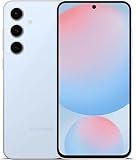
- The Galaxy S24 FE packs a large 6.7‑inch Dynamic AMOLED 2X display with adaptive 120 Hz refresh rate, enhanced brightness and a “Vision Booster” mode — ideal for clear, bright visuals even outdoors.
The Galaxy S23 FE was already a phone that could usually get through a normal day, but it was not a battery champion. Heavy users could drain it before bedtime, particularly with 5G, high brightness, gaming, or extended camera recording. The S24 FE does not completely change that story, but Samsung’s newer chip and software tuning should make it more efficient in many common tasks. If your S23 FE still has a healthy battery, the difference may feel incremental rather than transformative. If your S23 FE has aged for a year or more, though, the S24 FE’s fresh cell and slightly larger capacity will be more noticeable.
| Feature | Galaxy S24 FE | Galaxy S23 FE |
|---|---|---|
| Battery capacity | 4,700mAh | 4,500mAh |
| Wired charging | 25W | 25W |
| Wireless charging | Supported | Supported |
| Reverse wireless charging | Supported | Supported |
| Charger in the box | Not included | Not included |
Charging is where the two phones feel almost identical. Both support 25W wired charging, which is fine but not fast by current flagship-adjacent standards. A compatible USB-C Power Delivery PPS charger can take either phone from low battery to a useful level fairly quickly, but a full charge still takes noticeably longer than on many rivals with 45W, 65W, or faster charging. Samsung also keeps wireless charging and reverse wireless charging on both models, which is a welcome convenience if you use wireless pads, earbuds, or a Galaxy Watch.
For upgraders, battery life alone is not the strongest reason to move from the Galaxy S23 FE to the Galaxy S24 FE. The newer phone offers a small improvement in capacity and likely better efficiency, but the charging experience remains the same. For new buyers choosing between the two, the S24 FE is the safer pick if pricing is close, since it gives you a larger battery, newer hardware, and a longer runway for software updates. If the S23 FE is heavily discounted, however, its battery and charging package still covers the basics well enough for users who mainly want reliable all-day use rather than class-leading endurance.
Price, Availability, and Long-Term Value
The Galaxy S24 FE launched at a higher official starting price than the Galaxy S23 FE in many markets, reflecting its larger display, newer chipset, and longer software promise. In the US, the S24 FE starts at $649.99 for the 128GB model, while the S23 FE originally arrived at $599.99. That $50 difference is not huge in flagship terms, but it matters in the FE category, where value is the main selling point and where discounts often define the real buying decision.
Availability also tilts toward the newer model. The Galaxy S24 FE is the current Fan Edition phone, so it is easier to find directly through Samsung, major carriers, and large retailers with trade-in offers, installment plans, and bundle promotions. The Galaxy S23 FE, by contrast, is increasingly a sale-bin or remaining-stock purchase. That can work in its favor if you find it new at a steep discount, but color options, storage configurations, and carrier-specific variants may be more limited depending on where you shop.
The biggest long-term value difference is software support. Samsung promises the Galaxy S24 FE seven generations of Android OS upgrades and seven years of security updates, putting it much closer to the main Galaxy S24 series than older FE phones. The Galaxy S23 FE is still well supported, with Samsung’s strong update policy from its launch period, but it does not match the S24 FE’s seven-year commitment. If you keep your phone for four, five, or even six years, that extended support window gives the S24 FE a clear advantage.
How the value equation compares
| Category | Galaxy S24 FE | Galaxy S23 FE |
|---|---|---|
| Launch price | Higher starting price, around $649.99 in the US | Lower original price, around $599.99 in the US |
| Current deals | More likely to have carrier promos, trade-ins, and bundles | Best value when heavily discounted or bought refurbished |
| Software lifespan | Seven OS upgrades and seven years of security updates | Shorter remaining support window |
| Resale value | Should hold value better for longer | Already depreciated more, but cheaper upfront |
If you are buying new at full retail price, the Galaxy S24 FE is the safer long-term purchase. Its higher price is easier to justify because you get a newer processor, a larger and brighter display, improved battery capacity, and a much longer update runway. It also has better odds of staying relevant through future Android versions and Samsung Galaxy AI features, assuming regional and hardware support remains consistent.
Quick wins for a faster PC:
Repair Windows errors before they cause bigger problemsFix Now →Scan for outdated or missing drivers - takes under a minuteDriver Scan →The Galaxy S23 FE still makes sense when the price gap becomes substantial. If you find it for hundreds less than the S24 FE, especially unlocked or in excellent refurbished condition, it delivers much of the same everyday Galaxy experience: a premium-feeling build, a capable AMOLED display, strong cameras, wireless charging, and Samsung’s feature-rich One UI software. For budget-conscious buyers who upgrade every two or three years, a discounted S23 FE may be the better deal. For anyone planning to keep the phone longer, the S24 FE’s extended support and newer hardware make it the stronger value over time.
Independent reader supportYour contribution helps us test, update, and keep practical guides available for everyone.Which One Should You Buy?
For most buyers choosing between these two phones new, the Galaxy S24 FE is the safer pick. It brings the more modern package: a larger 6.7-inch display, improved peak brightness, the newer Exynos 2400e chipset, a slightly larger battery, and Samsung’s longer software commitment. None of those changes completely reinvent the FE formula, but together they make the S24 FE feel more future-proof, especially if you plan to keep your phone for four or five years.
The Galaxy S23 FE still makes sense if the price gap is large enough. Its 6.4-inch display is easier to handle, the camera hardware is very similar, charging speeds are effectively unchanged, and day-to-day software features remain familiar through One UI. If you can find the S23 FE at a steep discount, particularly well below the S24 FE’s launch price, it remains a capable mid-premium phone for social media, streaming, casual gaming, photography, and general productivity.
Buy the Galaxy S24 FE if:
- You want longer software support. The S24 FE’s extended update window gives it a clear advantage for long-term ownership and resale value.
- You care about performance headroom. The Exynos 2400e is better suited to heavier multitasking, newer games, and AI-assisted features over time.
- You prefer a bigger screen. The 6.7-inch panel is better for video, browsing, maps, and split-screen use, even if it makes the phone less compact.
- You are buying at or near retail price. If the S23 FE is only slightly cheaper, the S24 FE’s upgrades are worth paying extra for.
Buy the Galaxy S23 FE if:
- You find a major discount. A heavily reduced S23 FE can deliver much of the same FE experience for less money.
- You want a smaller phone. It is not truly compact, but it is noticeably easier to grip and pocket than the S24 FE.
- Your usage is mostly basic. Messaging, web browsing, photos, video streaming, and light gaming do not demand the newer chipset.
- You are not bothered by shorter remaining support. If you upgrade every two or three years, the difference may matter less.
For current Galaxy S23 FE owners, upgrading to the Galaxy S24 FE is harder to justify. The newer model is faster, brighter, and longer-lasting on paper, but the camera system, charging, overall design language, and One UI experience remain closely related. Unless your S23 FE feels slow, battery life has declined, or you specifically want the bigger display and longer update runway, waiting another generation will likely bring a more noticeable jump.
Recommended Free Tools
In simple terms, the Galaxy S24 FE is the better phone, while the Galaxy S23 FE is the better bargain when discounted. Choose the S24 FE if you want the most polished and durable Fan Edition option available now. Choose the S23 FE if value matters more than having the latest model and you can get it at a meaningfully lower price.
Frequently Asked Questions
Is the Galaxy S24 FE worth buying over the Galaxy S23 FE?
Yes, if the price difference is modest. The Galaxy S24 FE brings a larger display, newer processor, better long-term software support, and generally improved image processing, making it the safer buy for someone keeping a phone for several years. If the Galaxy S23 FE is heavily discounted, though, it can still deliver a very similar everyday experience for less money.
Should I upgrade from the Galaxy S23 FE to the Galaxy S24 FE?
For most Galaxy S23 FE owners, the upgrade is not essential. The cameras, charging speeds, and overall FE design are still broadly similar, so the S24 FE feels more like a refinement than a major leap. It makes more sense to upgrade if you want the larger screen, longer software support window, or noticeably better sustained performance.
Does the Galaxy S24 FE have a better camera than the Galaxy S23 FE?
The camera hardware is largely similar, so you should not expect a dramatic jump in photo quality. The Galaxy S24 FE benefits more from newer processing, which can improve HDR, low-light handling, colors, and consistency depending on the scene. If camera quality is your main priority, the difference is useful but not big enough alone to justify upgrading from the S23 FE.
PC Slower Than It Used to Be?
A free scan shows the junk files, broken settings and background clutter dragging Windows down - then fixes them in one click.Free scan · Windows 10 & 11Outdated Drivers Are Slowing You Down
One free scan finds every outdated or missing driver and matches the right update for your exact hardware.Free scan · exact hardware matchHow much better is battery life on the Galaxy S24 FE?
The Galaxy S24 FE may last a bit longer thanks to its newer chipset and slightly larger battery, but it is still in the same general battery class as the S23 FE. Both phones support 25W wired charging, so charging speed is not a major upgrade. Expect small real-world gains rather than a completely different endurance experience.
Which phone is the better value if both are on sale?
If the Galaxy S24 FE is only slightly more expensive, it is usually the better value because it will receive updates for longer and has newer hardware. If the Galaxy S23 FE is significantly cheaper, it becomes the better budget pick, especially for users who mostly care about display quality, decent cameras, and Samsung software features. The best choice depends on the discount: small gap, buy S24 FE; large gap, consider S23 FE.
Bottom Line
The Galaxy S24 FE is the better buy if you want a larger and brighter display, stronger performance, longer software support, and modest camera and battery improvements. It feels more refined overall, even if many of the core FE traits remain familiar from the Galaxy S23 FE.
If you already own the Galaxy S23 FE, upgrading is only worth it if you care about the bigger screen, extra longevity, or improved efficiency. For everyone else, choose the S24 FE when the price gap is small, but don’t ignore a heavily discounted S23 FE if value is your top priority.
Quick Recap
Product prices and availability are accurate as of the date/time indicated and are subject to change. Any price and availability information displayed on Amazon at the time of purchase will apply.




